Peržiūrėti realaus dydžio版
 Siųsti
 Dalintis
 Išsamiau
 Vadovas

 Atsisiųsti
 Panašūs eksponatai
 Rentgeno spindulių nuotrauka
 Diaporama
 Statistika
untitled (893)

 Rodyti daugiau
Rankų darbo aliejinės reprodukcijos
Rankiniu būdu tapytas aliejus ant droblio jūsų pageidaujamame dydį ir rėmuose – mūsų menininkų darbas pagal užsakymą. ( Perjungti į spausdinimą Perejti prie skaitmeninių vaizdų)




P118B €10

P118H €10

P118W €10

P438Z €10

P508JH €12

P508YH €12

P805H €10

P805Z €10

P919BZ €10

P919G €10

P919XJ €10

P959ZH €10

P968JZ €12

W106C €8

W218G €10

W218JH €8

W218Y €10

W307PJ €10

W316G €10

W316PJ €8

W316Y €10

W398PJ €8

W4111J €10

W500HY €15

W500JH €15

W692G €12

W849H €8

W940BG €15

W953PJ €8




Pasirinkite iš mūsų nustatytų dydžių, atitinkančių originalaus meno kūrinio proporcijas.

Įveskite jums reikiamą plotį ir aukštį, kad paveikslas atitiktų jūsų rėmą ar sieną. Kadangi šis darbas yra rankinio darbo, siekiant išgauti kitokio formos dydį, paveikslas gali būti šiek tiek didesnis (nuo kraštų bus palikta daugiau erdvės) arba mažesnis – pasirinkite jums patogiausią variantą. Prieš pradedant tapyti, atsiųsime jums skaitmeninį maketą patvirtinimui. Šioje puslapio nuotraukoje matomas vaizdas nėra galutinis rezultatas – jį parodys tik sukurtas maketas.
Gavus užsakymą, OriginalUniqueArt.com komanda susisieks su klientu el. paštu dėl instrukcijų ir pateiks maketo pavyzdį
Pristatymas visame pasaulyje () per 3–4 savaites, o ne įprastai – per 5 savaites. (21 spalis). Kokybė lieka nepakeičiama.

Nemokamas greitasis pristatymas visame pasaulyje

Aukštos kokybės lininis drobė

Pilnas siuntimo draudimas

Muitinės mokesčių grąžinimo garantija

Tikro spalvų atitikimo garantija

100 dienų grąžinimo politika (tik esant įtaigoms)

100% pinigų grąžinimo garantija

Nuolaida dideliems užsakymams
 Stiklo variantas prieinamas tik pasirinkus dydį iki 110 cm

untitled (893)
Reprodukcijos technika
Reprodukcijos dydis
-


Visų pasirinktų variantų kaina
€ 262
A Gaze Into the Soul: Decoding Egon Schiele’s Untitled Portrait
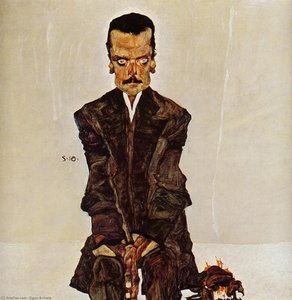
Egon Schiele's *untitled (893)* is not merely a portrait; it’s an encounter. The woman depicted, rendered in earthy browns and imbued with a palpable sense of self-possession, meets the viewer’s gaze – or rather, looks slightly downward *at* us – with an unsettling directness. This isn't the coy glance of traditional portraiture designed to please; it is a study in psychological intensity, characteristic of Schiele’s Expressionist approach. The simplicity of her attire—a long, flowing brown dress—draws attention not to fashion or status, but to the figure herself, emphasizing the contours of her body and the weight of her presence. A handbag casually placed on the ground adds a touch of everyday reality, grounding the image while simultaneously hinting at a life lived beyond the canvas’s borders. The painting's vintage aesthetic isn't simply about age; it speaks to a deliberate rejection of academic polish in favor of raw emotional honesty.The Crucible of Vienna and Schiele’s Artistic Rebellion
To understand *untitled (893)*, one must consider the turbulent artistic climate of early 20th-century Vienna. A city steeped in tradition yet simmering with avant-garde ideas, Vienna was a breeding ground for artistic rebellion. Gustav Klimt, a mentor to Schiele, had already begun to challenge conventional norms with his opulent and often provocative works. However, Schiele pushed even further, stripping away the decorative elements and delving into the darker recesses of the human psyche. Born in 1890 amidst personal hardship – the early death of his father and a controlling upbringing – Schiele’s art became a vehicle for exploring themes of sexuality, mortality, and alienation. His work was frequently met with scandal and censorship, yet it resonated deeply with a generation grappling with existential anxieties. The painting embodies this spirit of rebellion; it is an unapologetic exploration of the human form and emotional state, rendered with a boldness that shocked and captivated audiences.Technique as Emotional Language
Schiele’s technique in *untitled (893)* is integral to its emotional impact. He eschews smooth blending and idealized forms, opting instead for angular lines, distorted proportions, and a deliberately rough application of paint. This isn't carelessness; it’s a conscious choice to convey unease and vulnerability. The woman’s body appears almost brittle, her posture simultaneously confident and fragile. Schiele’s masterful use of line doesn’t merely define form; it *expresses* emotion. Each stroke seems charged with energy, revealing the artist's own internal struggles and anxieties. This deliberate rawness is a hallmark of Expressionism, where subjective experience takes precedence over objective representation. The painting isn’t about creating a likeness; it’s about capturing an essence—a fleeting moment of psychological truth.A Legacy of Introspection
Though the specific identity of the woman in *untitled (893)* remains unknown, her image transcends individual portraiture to become a universal symbol of female strength and introspection. The painting invites us to contemplate not only the subject’s inner life but also our own relationship to vulnerability, self-awareness, and the complexities of human emotion. Schiele's tragically short life – he died in 1918 during the Spanish flu pandemic at just 28 years old – adds another layer of poignancy to his work. His paintings serve as a powerful reminder of the fragility of existence and the enduring power of art to confront uncomfortable truths. Today, Schiele’s works are celebrated for their emotional depth, technical brilliance, and lasting influence on modern art, continuing to provoke thought and inspire awe in viewers around the world.问答 (or more naturally for a website heading): Klausimai ir atsakymai
Kokio erdvės spalvos derėtų prie „untitled (893)“, autorius – Egon Šylė spalvų?
Atsižvelgiant į jo Neutrals spalvas, kūrinys „untitled (893)“ yra rekomenduojamas Living Room kambariui.
Koks spausdinimo dydis ir orientacija rekomenduojami kūriniui „untitled (893)“, autorius – Egon Šylė?
Rekomenduojama spausdinti „untitled (893)“, autorius – Egon Šylė reprodukciją Large dydį, Square formatu.
Į kokį kambarį rekomenduojamas „untitled (893)“, autorius – Egon Šylė?
Rekomenduojama erdvė kūriniui „untitled (893)“, autorius – Egon Šylė yra Living Room. Šią rekomendaciją, žinoma, galima pritaikyti prie jūsų interjero.
Autoriaus biografija
Egon Schiele
Austrijos pozicija dviejų pasaulinio karo horizonte buvo labai abejojanti: vienu metu ji buvo šiek tiek iš Šiaurės į rytus, lengvai įsitikinusi veiksmų vyrai. Mažėjęs šalis po 1918 m., beveik visiškai neišplitusi tarptautiniu pasauliu buvo lengvai įvykdinta Hitlerio Reichui 1938 m.; meno srityje tai reiškė kad modernizmo istorija buvo išvykstanti nuo Šiaurės iki pietų, su pagrindiniu dėmesiu į formą. Vokelių šiek tiek pripažino ekspresionizmą kaip svarbų meno srovę; jis buvo vienas iš žymiausius austrių artistas XX amžiaus pradžioje – kartu su Gustavu Klimtu ir Oskar Kokoschka išvykę į Vieną buvo laikomas vienu iš Žyduvo šimtmečio svarbiausių vizualinių menininkų.
Gyvenimas
Egonas Šylė gimė 1890 m. vasario 3 d. Tulne, Austrijoje. Jo tėvas Adolfas Šylė buvo Tulno geležinkelio stoties direktorius ir gimė 1851 m. Vienoje Adolfo Šyly tevai turėjo tris jaunesnes seseris: Elvirą, Melaniją ir Gertrūdą. Elvira mirė vaikyste dėl gimtinių sifiliso. Jo tėvas buvo užsikrėtęs sifiliu įsimėlynėje savo jaunystės metais po vienos jo naujosios žmonos išėjimo iš kambario.
Meno vystymasis
Šylė mokytojo Christian Griepenkerl įtaką išgyveno Vienoje 1907 m. ir G. Klimtas tapo jo svarbiu rėmėju. Šylė paliko akademiją 1906 m., nes jos mokymo metodai buvo labai konservatyvus, ir įkūrė Naują austrių dailės grupę 1909 m. Grupėje vyravo ekspresionistinė estetika, kuri iššūkiant šiuolaikinėms kultūros normas.
Žymūs kūriniai
Šylė buvo vienas iš žymiausius austrių artistas XX amžiaus pradžioje – kartu su Gustavu Klimtu ir Oskar Kokoschka išvykę į Vieną buvo laikomas vienu iš Žyduvo šimtmečio svarbiausių vizualinių menininkų. Šylė buvo ekspresionizmo meno srovės atstovas.
Žymūs veiksniai
Šylė buvo žinomas dėl savo iššūkiantį įžiūrą į pasaulio problemas ir šiuolaikinę estetika, kuri iššūkiant šiuolaikinėms kultūros normas. Šylė buvo ekspresionizmo meno srovės atstovas.

Egon Šylė
1890 - 1918 , Austrija
Trumpa informacija apie kūrėją
- Artistic Movement Or Style: Ekspresionizmas
- Artists Who Influenced This Artist: ['Gustavas Klimtas']
- Date Of Birth: 1890 m.
- Date Of Death: 1918 m.
- Full Name: Egon Schiele
- Nationality: Austras
- Notable Artworks:
- Savęs portretas su fizižalis
- Porą įemčianti
- Žemės apėjimų kraštovaizdis
- Place Of Birth: Tulnas, Austrija
Susiję straipsniai
Egon Schiele: 25 Šedevrai, Atspindintys Menininko Sielą | OriginalUniqueArt.lt
Atraskite 25 įspūdingiausius Egon Schiele šedevrus! Gilinkitės į ekspresionizmo pasaulį, portretų istorijas ir unikalią menininko spalvų paletę. Aukštos kokybės reprodukcijos interjerui – OriginalUniqueArt.lt
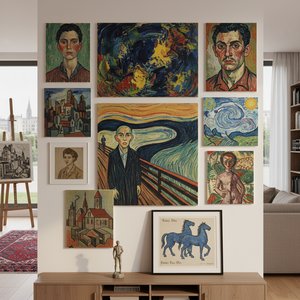
Ekspresionizmo Deimantai: 10 Šedevrai Jūsų Namų Dekorui
Atraskite ekspresionizmo šedevrus! 10 įtakingiausių meno kūrinių, atskleisiančių Muncho, Kirchnerio ir kitų meistrų emocijas. Išmokite apie tapybos stilius bei spalvų paletę. Aukščiausios kokybės dailės reprodukcijos jūsų namams – OriginalUniqueArt.com.
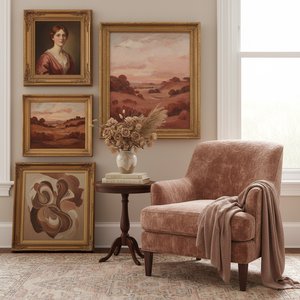
Rosy Brown Hues: 10 Master Paintings & Timeless Decor Ideas |
Explore 10 iconic paintings bathed in captivating rosy brown tones! From Rembrandt to Titian, discover the stories behind these masterpieces & their warm color palettes. Find museum-quality art reproductions and decor inspiration at .
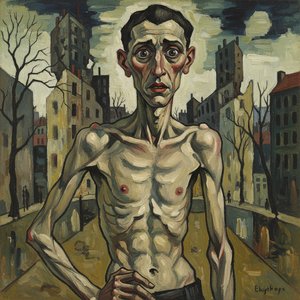
Egon Schiele: Expressionism, Anxiety & the Modern Condition – A Comprehensive Exploration
Explore the emotionally charged world of Egon Schiele (1890-1918). Discover his Expressionist masterpieces, psychological themes, and lasting impact on modern art. A comprehensive guide for collectors & enthusiasts.
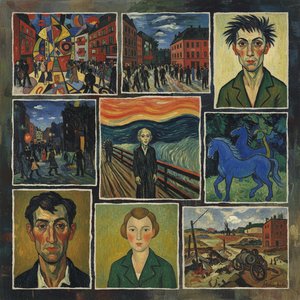
Expressionist Painting: 10 Masterpieces That Defined a Movement | OriginalUniqueArt
Explore 10 Expressionist paintings that revolutionized art! Discover Munch, Kirchner & Kandinsky's iconic works. Find museum-quality reproductions and vibrant canvas prints to elevate your home decor on OriginalUniqueArt.com.