Peržiūrėti realybėje
 Pasidalinti
 Dalintis
 Išsamiau

 Atsisiųsti
 Panašūs eksponatai
 Rentgeno nuotrauka
 Automatinė diorama
untitled (5504)


 Skaityti daugiau
Giclée / Meno spausdinimas
Muziejų lygio „giclée“ arba drobos spausdinimas: greita gamyba ir lankstios apdailos parinktys. ( Pirkti rankomis tapytą paveikslą Pirkti vaizdą)




P118B $10

P118H $10

P118W $10

P438Z $10

P508JH $12

P508YH $12

P805H $10

P805Z $10

P919BZ $10

P919G $10

P919XJ $10

P959ZH $10

P968JZ $12

W106C $8

W218G $10

W218JH $8

W218Y $10

W307PJ $10

W316G $10

W316PJ $8

W316Y $10

W398PJ $8

W4111J $10

W500HY $15

W500JH $15

W692G $12

W849H $8

W940BG $15

W953PJ $8




Pasirinkite iš mūsų nustatytų dydžių, atitinkančių originalaus meno kūrinio proporcijas.

Galite nurodyti savo matmenis, kad vaizdas atitiktų konkretų rėmą ar erdvę. Jei pasirinktas dydis nesutaps su originalaus paveikslėlio proporcijomis, mes arba apkirpsime kūrinį, arba išplėsime vaizdą naudojant veideliu atspindėtą arba vientisą šoną. Skaitmeninis maketas bus išsiųstas jums patvirtinti prieš pradedant gamybą.
Atkreipkite dėmesį, kad ekrane matomas vaizdinys neatspindi tikrojo apkirpimo ar išplėtimo. Tik maketas tiksliai parodytų galutinę kompoziciją.
Nors galima rinktis ir individualius dydžius, rekomenduojame pasirinkti vieną iš išanksti nustatytų matmenų, kad būtų išlaikytos originalios proporcijos.
Pristatymas visame pasaulyje () per 2 weeks, o ne įprastas 4/5 savaičių laikotarpis. (26 rugpjūtis)

Nemokamas greitasis pristatymas visame pasaulyje

Aukštos kokybės lininis drobė

Pilnas siuntimo draudimas

Muitinės mokesčių grąžinimo garantija

Tikro spalvų atitikimo garantija

60 dienų grąžinimo politika (tik esant gamyklinėms defektams)

100% pinigų grąžinimo garantija

Nuolaida už kelias reprodukcijas
 Stiklo variantas prieinamas tik pasirinkus dydį iki 110 cm

untitled (5504)
Giclée / Meno spausdinimas
Reprodukcijos matmenys
-


Galutinė kaina
$ 80
Kolekcinio eksponato aprašymas
Egon Schiele’s Intimate Portrait: A Study in Vulnerability
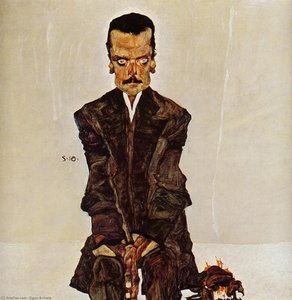
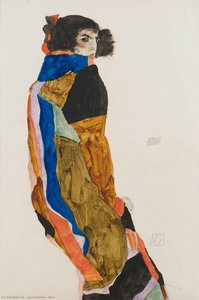
This captivating portrait, tentatively titled "untitled (5504)," offers a poignant glimpse into the world of Egon Schiele, one of the most significant and tragically short-lived figures of early 20th-century Expressionism. Painted during a period of intense personal struggle and artistic experimentation, the work embodies Schiele’s signature style – raw, unflinching, and deeply psychological. The subject, a woman seated with her legs crossed in a yellow dress against a stark white backdrop, immediately draws the viewer into an intensely private moment. It's not a celebratory depiction but rather a carefully observed study of vulnerability, a theme that permeated Schiele’s oeuvre following his father’s death and the pervasive anxieties of the era.
- Subject & Composition: The woman’s posture – seated with crossed legs – is deliberately ambiguous. It suggests both repose and a contained tension, inviting speculation about her thoughts and feelings. The simple background emphasizes the subject's presence, highlighting the intimacy of the scene.
- Color Palette & Technique: Schiele masterfully employs a limited palette dominated by yellows and whites, creating a striking contrast that amplifies the emotional impact. His technique is characterized by rapid, gestural brushstrokes – a hallmark of Expressionism – applied with a thick impasto that adds texture and depth to the canvas. The use of black stockings further accentuates the figure's form and contributes to the overall sense of melancholy.
Historical Context & Schiele’s Vision
Schiele was working during a period of profound social and artistic upheaval in Vienna. The rise of Modernism challenged traditional values, while anxieties surrounding war, disease, and mortality were increasingly prevalent. Schiele's art reflects this atmosphere, often depicting figures marked by isolation, despair, or a sense of impending doom. His work is deeply rooted in the psychological landscape of his time, exploring themes of sexuality, death, and the human condition with unflinching honesty. The influence of artists like Gustav Klimt, though initially admired, eventually led Schiele to forge his own distinct path – one characterized by a brutal realism and an almost obsessive focus on the body’s vulnerability.
- Expressionist Roots: As an Expressionist, Schiele sought not to represent reality objectively but rather to convey subjective emotions and experiences. This is evident in the distorted proportions of the figure and the raw intensity of her gaze – a direct response to the emotional turmoil he was experiencing.
- Vienna’s Artistic Scene: Schiele's work existed within Vienna's vibrant, yet often turbulent, artistic community. He interacted with other prominent artists of the time, including Klimt and Kokoschka, though his relationship with them was frequently fraught with tension and rivalry.
Symbolism & Emotional Resonance
Beyond its formal qualities, “untitled (5504)” is laden with symbolic meaning. The yellow dress, a color often associated with mourning or decay, adds to the painting’s somber mood. The woman's crossed legs can be interpreted as a gesture of both defiance and vulnerability – a refusal to succumb to despair while simultaneously acknowledging her own fragility. Schiele frequently used his figures to explore themes of mortality and the transience of life, reflecting his personal struggles with illness and loss. The stark white background serves not just as a compositional element but also represents a void, an absence that amplifies the figure’s isolation.
Collecting & Appreciation
This reproduction captures the essence of Schiele's genius – his ability to distill complex emotions into a single, powerful image. A hand-painted reproduction offers a unique opportunity to own a piece of art history, bringing this intensely personal and psychologically charged work into your home or office. Its timeless themes of vulnerability and mortality continue to resonate with viewers today, making it a compelling addition to any collection. The meticulous detail and vibrant colors faithfully recreate Schiele’s distinctive style, ensuring that this intimate portrait will captivate and inspire for generations to come.
Autoriaus biografija
Egon Schiele
Austrijos pozicija dviejų pasaulinio karo horizonte buvo labai abejojanti: vienu metu ji buvo šiek tiek iš Šiaurės į rytus, lengvai įsitikinusi veiksmų vyrai. Mažėjęs šalis po 1918 m., beveik visiškai neišplitusi tarptautiniu pasauliu buvo lengvai įvykdinta Hitlerio Reichui 1938 m.; meno srityje tai reiškė kad modernizmo istorija buvo išvykstanti nuo Šiaurės iki pietų, su pagrindiniu dėmesiu į formą. Vokelių šiek tiek pripažino ekspresionizmą kaip svarbų meno srovę; jis buvo vienas iš žymiausius austrių artistas XX amžiaus pradžioje – kartu su Gustavu Klimtu ir Oskar Kokoschka išvykę į Vieną buvo laikomas vienu iš Žyduvo šimtmečio svarbiausių vizualinių menininkų.
Gyvenimas
Egonas Šylė gimė 1890 m. vasario 3 d. Tulne, Austrijoje. Jo tėvas Adolfas Šylė buvo Tulno geležinkelio stoties direktorius ir gimė 1851 m. Vienoje Adolfo Šyly tevai turėjo tris jaunesnes seseris: Elvirą, Melaniją ir Gertrūdą. Elvira mirė vaikyste dėl gimtinių sifiliso. Jo tėvas buvo užsikrėtęs sifiliu įsimėlynėje savo jaunystės metais po vienos jo naujosios žmonos išėjimo iš kambario.
Meno vystymasis
Šylė mokytojo Christian Griepenkerl įtaką išgyveno Vienoje 1907 m. ir G. Klimtas tapo jo svarbiu rėmėju. Šylė paliko akademiją 1906 m., nes jos mokymo metodai buvo labai konservatyvus, ir įkūrė Naują austrių dailės grupę 1909 m. Grupėje vyravo ekspresionistinė estetika, kuri iššūkiant šiuolaikinėms kultūros normas.
Žymūs kūriniai
Šylė buvo vienas iš žymiausius austrių artistas XX amžiaus pradžioje – kartu su Gustavu Klimtu ir Oskar Kokoschka išvykę į Vieną buvo laikomas vienu iš Žyduvo šimtmečio svarbiausių vizualinių menininkų. Šylė buvo ekspresionizmo meno srovės atstovas.
Žymūs veiksniai
Šylė buvo žinomas dėl savo iššūkiantį įžiūrą į pasaulio problemas ir šiuolaikinę estetika, kuri iššūkiant šiuolaikinėms kultūros normas. Šylė buvo ekspresionizmo meno srovės atstovas.

Egon Šylė
1890 - 1918 , Austrija
Trumpa informacija
- Artistic Movement Or Style: Ekspresionizmas
- Artists Who Influenced This Artist: ['Gustavas Klimtas']
- Date Of Birth: 1890 m.
- Date Of Death: 1918 m.
- Full Name: Egon Schiele
- Nationality: Austras
- Notable Artworks:
- Savęs portretas su fizižalis
- Porą įemčianti
- Žemės apėjimų kraštovaizdis
- Place Of Birth: Tulnas, Austrija
Susiję straipsniai
Egon Schiele: 25 Šedevrai, Atspindintys Menininko Sielą | OriginalUniqueArt.lt
Atraskite 25 įspūdingiausius Egon Schiele šedevrus! Gilinkitės į ekspresionizmo pasaulį, portretų istorijas ir unikalią menininko spalvų paletę. Aukštos kokybės reprodukcijos interjerui – OriginalUniqueArt.lt
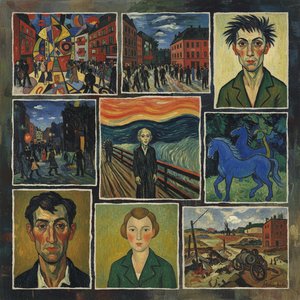
Expressionist Painting: 10 Masterpieces That Defined a Movement | OriginalUniqueArt
Explore 10 Expressionist paintings that revolutionized art! Discover Munch, Kirchner & Kandinsky's iconic works. Find museum-quality reproductions and vibrant canvas prints to elevate your home decor on OriginalUniqueArt.com.

Giclée Prints: Archival Quality & Aesthetic Nuances for the Discerning Collector
Explore the world of giclée prints with OriginalUniqueArt. Learn about archival quality, aesthetic nuances & investment potential. Expert guidance for discerning art collectors seeking museum-quality reproductions and lasting value.
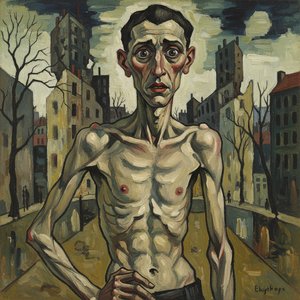
Egon Schiele: Expressionism, Anxiety & the Modern Condition – A Comprehensive Exploration
Explore the emotionally charged world of Egon Schiele (1890-1918). Discover his Expressionist masterpieces, psychological themes, and lasting impact on modern art. A comprehensive guide for collectors & enthusiasts.

Golden Hues: 10 Masterpieces Dominated by Chrome Yellow | OriginalUniqueArt
Immerse yourself in golden light! Explore 10 famous paintings dominated by 'Chrome Yellow', from Van Gogh’s Sunflowers to Monet's Haystacks. Discover the stories behind these iconic Impressionist & Post-Impressionist masterpieces and find museum-quality art reproductions at OriginalUniqueArt.com.