Peržiūrėti realaus dydžio版
 Siųsti
 Dalintis
 Išsamiau
 Vadovas

 Atsisiųsti
 Panašūs eksponatai
 Rentgeno spindulių nuotrauka
 Diaporama
 Statistika
untitled (4375)

 Rodyti daugiau
Rankų darbo aliejinės reprodukcijos
Rankiniu būdu tapytas aliejus ant droblio jūsų pageidaujamame dydį ir rėmuose – mūsų menininkų darbas pagal užsakymą. ( Perjungti į spausdinimą Perejti prie skaitmeninių vaizdų)




P118B €10

P118H €10

P118W €10

P438Z €10

P508JH €12

P508YH €12

P805H €10

P805Z €10

P919BZ €10

P919G €10

P919XJ €10

P959ZH €10

P968JZ €12

W106C €8

W218G €10

W218JH €8

W218Y €10

W307PJ €10

W316G €10

W316PJ €8

W316Y €10

W398PJ €8

W4111J €10

W500HY €15

W500JH €15

W692G €12

W849H €8

W940BG €15

W953PJ €8




Pasirinkite iš mūsų nustatytų dydžių, atitinkančių originalaus meno kūrinio proporcijas.

Įveskite jums reikiamą plotį ir aukštį, kad paveikslas atitiktų jūsų rėmą ar sieną. Kadangi šis darbas yra rankinio darbo, siekiant išgauti kitokio formos dydį, paveikslas gali būti šiek tiek didesnis (nuo kraštų bus palikta daugiau erdvės) arba mažesnis – pasirinkite jums patogiausią variantą. Prieš pradedant tapyti, atsiųsime jums skaitmeninį maketą patvirtinimui. Šioje puslapio nuotraukoje matomas vaizdas nėra galutinis rezultatas – jį parodys tik sukurtas maketas.
Gavus užsakymą, OriginalUniqueArt.com komanda susisieks su klientu el. paštu dėl instrukcijų ir pateiks maketo pavyzdį
Pristatymas visame pasaulyje () per 3–4 savaites, o ne įprastai – per 5 savaites. (21 spalis). Kokybė lieka nepakeičiama.

Nemokamas greitasis pristatymas visame pasaulyje

Aukštos kokybės lininis drobė

Pilnas siuntimo draudimas

Muitinės mokesčių grąžinimo garantija

Tikro spalvų atitikimo garantija

100 dienų grąžinimo politika (tik esant įtaigoms)

100% pinigų grąžinimo garantija

Nuolaida dideliems užsakymams
 Stiklo variantas prieinamas tik pasirinkus dydį iki 110 cm

untitled (4375)
Reprodukcijos technika
Reprodukcijos dydis
-


Visų pasirinktų variantų kaina
€ 262
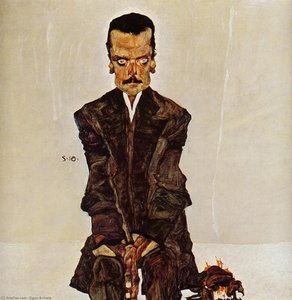
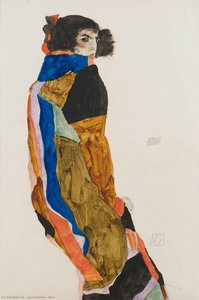
A Study in Despair: Unpacking Egon Schiele’s “Untitled (4375)”
Egon Schiele's "Untitled (4375)," a haunting and intensely personal work, plunges the viewer into a world of profound sorrow and unspoken tragedy. Painted during a tumultuous period in his life – just before his untimely death in 1918 – this large-scale canvas isn’t merely a depiction of a scene; it's an embodiment of existential anxiety and the inescapable shadow of mortality, rendered with Schiele’s signature raw emotion and unsettlingly direct gaze. The painting centers on a man cradling a woman who appears to be in the throes of death or collapse, enveloped within a muted palette dominated by rich browns and ochres – colors often associated with decay, earth, and the passage of time. The composition is deliberately claustrophobic, drawing the eye inward towards the central figures while simultaneously hinting at a larger, unseen drama unfolding around them.Expressionist Anatomy and the Language of Line
Schiele’s artistic style is immediately recognizable through his masterful manipulation of line. Here, it's not used to create idealized beauty but rather to convey a sense of fractured reality and psychological distress. The figures are rendered with elongated limbs, distorted proportions, and sharp angles – a deliberate departure from academic realism. This distortion isn’t arbitrary; it reflects the artist’s own internal turmoil and his fascination with the grotesque and the vulnerable. Notice particularly the man's hands, thick and powerful as they hold the woman, yet conveying a palpable sense of helplessness and grief. The use of *contour drawing*, emphasizing the outlines of the body, creates an almost skeletal effect, reinforcing the theme of fragility and impending demise. Schiele’s technique is characterized by rapid, gestural brushstrokes – visible in the layering of paint and the loose application across the canvas – contributing to the painting's sense of urgency and immediacy.Symbolism of Loss and Eros
The imagery within “Untitled (4375)” is laden with symbolic weight. The woman’s pose, limp and vulnerable, evokes traditional depictions of the Pietà—the Virgin Mary cradling the body of Christ – a potent symbol of sacrifice and mourning. However, Schiele subverts this familiar iconography by imbuing it with his own unique perspective. The man's intense gaze, fixed upon the woman’s face, suggests both profound love and an almost obsessive preoccupation with her suffering. This duality—the simultaneous presence of affection and despair—is a recurring motif in Schiele’s work. The inclusion of other figures – some lying prone, others standing passively – adds to the sense of a communal tragedy, suggesting a shared experience of loss and vulnerability within this enclosed space. The painting's brown color scheme further reinforces these themes, evoking images of earth, blood, and the inevitability of decay.A Window into Schiele’s World: Context and Legacy
Egon Schiele’s life was tragically short and marked by personal hardship, including the early deaths of his mother and sister. His father's struggle with syphilis profoundly impacted his artistic vision, fueling a lifelong preoccupation with themes of illness, death, and sexuality – often explored through unflinching self-portraits. “Untitled (4375)” can be viewed as a culmination of these anxieties, reflecting the artist’s own awareness of his mortality and his exploration of the darker aspects of human experience. Painted during World War I, a period of immense upheaval and loss for Europe, the painting resonates with the broader sense of disillusionment and despair that characterized the era. Schiele's work, though initially met with criticism, is now recognized as a pivotal contribution to Expressionism, influencing generations of artists with its raw emotional honesty and innovative use of line and form. A reproduction of “Untitled (4375)” offers a powerful opportunity to engage with this complex and deeply moving artwork, allowing viewers to contemplate the universal themes of love, loss, and the human condition.Bringing Schiele’s Vision Home: High-Quality Reproductions
OriginalUniqueArt is proud to offer meticulously crafted reproductions of Egon Schiele's "Untitled (4375)." Utilizing state-of-the-art digital printing techniques on premium archival canvas, our reproductions capture the nuances of Schiele’s brushwork and color palette with exceptional fidelity. Whether you are a seasoned art collector or simply seeking to add a touch of emotional depth to your interior space, a OriginalUniqueArt reproduction provides an authentic and accessible way to experience the power and beauty of this iconic work. Explore our range of sizes and framing options to find the perfect representation for your home or office – a lasting tribute to one of the 20th century’s most compelling artists.问答 (or more naturally for a website heading): Klausimai ir atsakymai
Kas parduoda rankų darbo kopijas kūrinio „untitled (4375)“, autorius – Egon Šylė?
Rankumų reprodukciją kūrinio „untitled (4375)“, autorius – Egon Šylė galite užsakyti tiesiogiai jo Rankų darbo reprodukcija puslapyje: rankomis dažyta aliejų reprodukcija ant lininio drobos, gaminama pagal užsakymą.
Ar „untitled (4375)“ spalvos atrodo ryškios ar švelnios?
„untitled (4375)“ spalvų intensyvumas yra Vivid. Intensyvumas apibūdina, koks spalvų ryškumas yra suvokiamas.
Kokia yra autorinės teisės situacijos priežastis kūriniam darbui „untitled (4375)“, autorius – Egon Šylė?
„untitled (4375)“, kurį sukūrė Egon Šylė, yra pripa принадле belongs to the public domain – jo autorinė teisė pasibaigusi. Autorinės teisės apsaugos terminai skaičiuojami nuo autoriaus mirties, o Egon Šylė mirė 1918 m.
Autoriaus biografija
Egon Schiele
Austrijos pozicija dviejų pasaulinio karo horizonte buvo labai abejojanti: vienu metu ji buvo šiek tiek iš Šiaurės į rytus, lengvai įsitikinusi veiksmų vyrai. Mažėjęs šalis po 1918 m., beveik visiškai neišplitusi tarptautiniu pasauliu buvo lengvai įvykdinta Hitlerio Reichui 1938 m.; meno srityje tai reiškė kad modernizmo istorija buvo išvykstanti nuo Šiaurės iki pietų, su pagrindiniu dėmesiu į formą. Vokelių šiek tiek pripažino ekspresionizmą kaip svarbų meno srovę; jis buvo vienas iš žymiausius austrių artistas XX amžiaus pradžioje – kartu su Gustavu Klimtu ir Oskar Kokoschka išvykę į Vieną buvo laikomas vienu iš Žyduvo šimtmečio svarbiausių vizualinių menininkų.
Gyvenimas
Egonas Šylė gimė 1890 m. vasario 3 d. Tulne, Austrijoje. Jo tėvas Adolfas Šylė buvo Tulno geležinkelio stoties direktorius ir gimė 1851 m. Vienoje Adolfo Šyly tevai turėjo tris jaunesnes seseris: Elvirą, Melaniją ir Gertrūdą. Elvira mirė vaikyste dėl gimtinių sifiliso. Jo tėvas buvo užsikrėtęs sifiliu įsimėlynėje savo jaunystės metais po vienos jo naujosios žmonos išėjimo iš kambario.
Meno vystymasis
Šylė mokytojo Christian Griepenkerl įtaką išgyveno Vienoje 1907 m. ir G. Klimtas tapo jo svarbiu rėmėju. Šylė paliko akademiją 1906 m., nes jos mokymo metodai buvo labai konservatyvus, ir įkūrė Naują austrių dailės grupę 1909 m. Grupėje vyravo ekspresionistinė estetika, kuri iššūkiant šiuolaikinėms kultūros normas.
Žymūs kūriniai
Šylė buvo vienas iš žymiausius austrių artistas XX amžiaus pradžioje – kartu su Gustavu Klimtu ir Oskar Kokoschka išvykę į Vieną buvo laikomas vienu iš Žyduvo šimtmečio svarbiausių vizualinių menininkų. Šylė buvo ekspresionizmo meno srovės atstovas.
Žymūs veiksniai
Šylė buvo žinomas dėl savo iššūkiantį įžiūrą į pasaulio problemas ir šiuolaikinę estetika, kuri iššūkiant šiuolaikinėms kultūros normas. Šylė buvo ekspresionizmo meno srovės atstovas.

Egon Šylė
1890 - 1918 , Austrija
Trumpa informacija apie kūrėją
- Artistic Movement Or Style: Ekspresionizmas
- Artists Who Influenced This Artist: ['Gustavas Klimtas']
- Date Of Birth: 1890 m.
- Date Of Death: 1918 m.
- Full Name: Egon Schiele
- Nationality: Austras
- Notable Artworks:
- Savęs portretas su fizižalis
- Porą įemčianti
- Žemės apėjimų kraštovaizdis
- Place Of Birth: Tulnas, Austrija
Susiję straipsniai
Ekspresionizmo Deimantai: 10 Šedevrai Jūsų Namų Dekorui
Atraskite ekspresionizmo šedevrus! 10 įtakingiausių meno kūrinių, atskleisiančių Muncho, Kirchnerio ir kitų meistrų emocijas. Išmokite apie tapybos stilius bei spalvų paletę. Aukščiausios kokybės dailės reprodukcijos jūsų namams – OriginalUniqueArt.com.
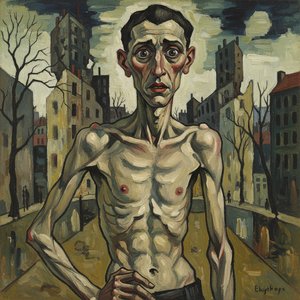
Egon Schiele: Expressionism, Anxiety & the Modern Condition – A Comprehensive Exploration
Explore the emotionally charged world of Egon Schiele (1890-1918). Discover his Expressionist masterpieces, psychological themes, and lasting impact on modern art. A comprehensive guide for collectors & enthusiasts.
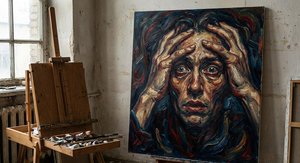
Figurative Expressionism: Emotional Intensity & Subjective Reality in 20th-Century Art
Explore the powerful world of Figurative Expressionism with OriginalUniqueArt. Discover key artists like Kirchner & Beckmann, understand its emotional depth, and learn how to collect this influential 20th-century art movement.
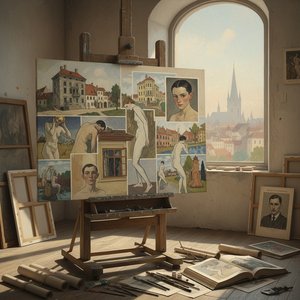
Egon Schiele: 25 Šedevrai, Atspindintys Menininko Sielą | OriginalUniqueArt.lt
Atraskite 25 įspūdingiausius Egon Schiele šedevrus! Gilinkitės į ekspresionizmo pasaulį, portretų istorijas ir unikalią menininko spalvų paletę. Aukštos kokybės reprodukcijos interjerui – OriginalUniqueArt.lt
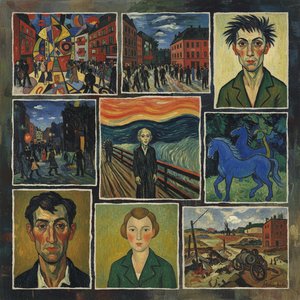
Expressionist Painting: 10 Masterpieces That Defined a Movement | OriginalUniqueArt
Explore 10 Expressionist paintings that revolutionized art! Discover Munch, Kirchner & Kandinsky's iconic works. Find museum-quality reproductions and vibrant canvas prints to elevate your home decor on OriginalUniqueArt.com.