Peržiūrėti realaus dydžio版
 Pasidalinti
 Dalintis
 Išsamiau
 Vadovas

 Atsisiųsti
 Panašūs eksponatai
 Rentgeno spindulių nuotrauka
 Automatinė diorama
 问答
问答 Statistika
untitled (2576)

 Skaityti daugiau
Giclée / Meno spausdinimas
Muziejų lygio „giclée“ arba drobos spausdinimas: greita gamyba ir lankstios apdailos parinktys. ( Pirkti rankų darbo tapybą Perejti prie skaitmeninių vaizdų)




P118B €10

P118H €10

P118W €10

P438Z €10

P508JH €12

P508YH €12

P805H €10

P805Z €10

P919BZ €10

P919G €10

P919XJ €10

P959ZH €10

P968JZ €12

W106C €8

W218G €10

W218JH €8

W218Y €10

W307PJ €10

W316G €10

W316PJ €8

W316Y €10

W398PJ €8

W4111J €10

W500HY €15

W500JH €15

W692G €12

W849H €8

W940BG €15

W953PJ €8




Pasirinkite iš mūsų nustatytų dydžių, atitinkančių originalaus meno kūrinio proporcijas.

Įveskite jums reikiamą plotį ir aukštį, kad atvaizdas derėtų prie jūsų rėmo ar sienos. Spausdiną galima tik sumažinti, bet nepadidinti virš originalaus paveikslėlio dydžio, todėl keičiant proporcijas, dalis vaizdo prarandama. Prieš spausdinimą atsiųsime jums skaitmeninį maketą patvirtinimui. Šioje puslapio nuotraukoje matomas pjūvis nėra tikslus – jį rodo tik maketas.
Pristatymas visame pasaulyje () per 2 weeks, o ne įprastas 4/5 savaičių laikotarpis. (4 lapkritis)

Nemokamas greitasis pristatymas visame pasaulyje

Aukštos kokybės lininis drobė

Pilnas siuntimo draudimas

Muitinės mokesčių grąžinimo garantija

Tikro spalvų atitikimo garantija

100 dienų grąžinimo politika (tik esant įtaigoms)

100% pinigų grąžinimo garantija

Nuolaida dideliems užsakymams
 Stiklo variantas prieinamas tik pasirinkus dydį iki 110 cm

untitled (2576)
Giclée / Meno spausdinimas
Reprodukcijos matmenys
-


Bendroji kaina
€ 72
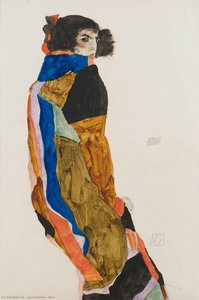
A Dance of Shadows: Unveiling Egon Schiele’s ‘Untitled (2576)’
Egon Schiele's “Untitled (2576)” is not merely an image; it’s a visceral encounter. Rendered in stark contrasts of black, muted browns, and fleeting yellows, the artwork immediately commands attention with its unsettling intimacy. The two figures, locked in a passionate embrace, are presented as almost skeletal forms – elongated and devoid of detailed facial features beyond suggestion. This deliberate simplification isn't an absence of humanity, but rather a focused amplification of their emotional core, drawing us into a realm where physical form becomes secondary to the intensity of connection. The composition itself is deliberately claustrophobic, pushing the viewer uncomfortably close to this private moment, mirroring perhaps the artist’s own explorations of vulnerability and the weight of existence.
Echoes of Expressionism and Art Nouveau
Schiele's work resides within a complex lineage, simultaneously rooted in the anxieties of Expressionism and subtly influenced by the decorative sensibilities of Art Nouveau. The elongated figures, reminiscent of stylized dancers or mythical beings, possess an inherent grace despite their almost skeletal appearance. This echoes the flowing drapery that envelops them, creating a sense of movement and fluidity—a characteristic often found in Art Nouveau designs. However, Schiele departs significantly from the ornamentalism of his predecessors, injecting a raw, unsettling energy into these forms. The bold lines, sharp angles, and deliberate lack of traditional perspective betray a rejection of academic conventions, prioritizing emotional impact over realistic representation. The influence of trains, a recurring motif in Schiele’s work, hints at themes of movement, speed, and perhaps even the fleeting nature of life – concepts deeply intertwined with his personal struggles.
Technique and Texture: Ink Wash and the Language of Gesture
The artwork's distinctive quality stems largely from Schiele’s masterful use of ink wash and watercolor on paper. The technique is evident in the visible brushstrokes, the subtle blending of colors, and the textured surface that speaks to a deliberate layering of washes. This approach lends a remarkable immediacy to the image, as if captured in a fleeting moment. The dramatic lighting – deep shadows emphasizing the forms – isn’t merely aesthetic; it actively contributes to the artwork's emotional weight. These shadows suggest both concealment and vulnerability, amplifying the sense of mystery surrounding the embrace. The dense, stylized representation of the crowd below further emphasizes the scale of their connection, hinting at a profound impact radiating outwards from this intimate scene.
Symbolism of Loss and Connection
Considering Schiele’s biography – particularly his early experiences with illness, loss, and the untimely deaths of his sister and father – “Untitled (2576)” can be interpreted through a lens of profound grief and longing. The skeletal figures may represent mortality itself, while their embrace symbolizes an attempt to transcend it—a desperate yearning for connection in the face of inevitable decay. The crowd beneath them could signify the overwhelming weight of existence, the constant flow of life continuing regardless of individual suffering. It’s a potent meditation on love, loss, and the human condition, rendered with a brutal honesty that is characteristic of Schiele's oeuvre. This piece isn’t simply about romance; it’s about confronting the fundamental anxieties of being alive.
OriginalUniqueArt offers meticulously crafted hand-painted reproductions of “Untitled (2576),” allowing you to experience the raw emotion and captivating artistry of Egon Schiele in stunning detail. Each reproduction is created by skilled artists, ensuring an authentic representation of this iconic work while preserving its unique textural qualities. Whether for a private collection or interior design project, a OriginalUniqueArt reproduction provides a beautiful and meaningful connection to one of the 20th century’s most compelling artistic voices.
Klausimai ir atsakymai
Kokio atspalvio link tendencija yra „untitled (2576)“?
Dominuojanti „untitled (2576)“ – Egon Šylė spalva yra Ochre to Sepia. Šis tonas yra pagrindinė paletės spalva.
Kokia „untitled (2576)“ – Egon Šylė emocinė nuotaika?
Emocinis tonas, nurodytas kūriniui „untitled (2576)“ – Egon Šylė, yra Melancholic. Jis apibūdina jausmą, kurį išreiškia šis darbas.
Kokiam meno stiliui priklauso „untitled (2576)“ – Egon Šylė?
„untitled (2576)“ – Egon Šylė priklauso Expressionism stiliui. Ši dailės kryptis suteikia kūriniui stilistinį kontekstą.
Autoriaus biografija
Egon Schiele
Austrijos pozicija dviejų pasaulinio karo horizonte buvo labai abejojanti: vienu metu ji buvo šiek tiek iš Šiaurės į rytus, lengvai įsitikinusi veiksmų vyrai. Mažėjęs šalis po 1918 m., beveik visiškai neišplitusi tarptautiniu pasauliu buvo lengvai įvykdinta Hitlerio Reichui 1938 m.; meno srityje tai reiškė kad modernizmo istorija buvo išvykstanti nuo Šiaurės iki pietų, su pagrindiniu dėmesiu į formą. Vokelių šiek tiek pripažino ekspresionizmą kaip svarbų meno srovę; jis buvo vienas iš žymiausius austrių artistas XX amžiaus pradžioje – kartu su Gustavu Klimtu ir Oskar Kokoschka išvykę į Vieną buvo laikomas vienu iš Žyduvo šimtmečio svarbiausių vizualinių menininkų.
Gyvenimas
Egonas Šylė gimė 1890 m. vasario 3 d. Tulne, Austrijoje. Jo tėvas Adolfas Šylė buvo Tulno geležinkelio stoties direktorius ir gimė 1851 m. Vienoje Adolfo Šyly tevai turėjo tris jaunesnes seseris: Elvirą, Melaniją ir Gertrūdą. Elvira mirė vaikyste dėl gimtinių sifiliso. Jo tėvas buvo užsikrėtęs sifiliu įsimėlynėje savo jaunystės metais po vienos jo naujosios žmonos išėjimo iš kambario.
Meno vystymasis
Šylė mokytojo Christian Griepenkerl įtaką išgyveno Vienoje 1907 m. ir G. Klimtas tapo jo svarbiu rėmėju. Šylė paliko akademiją 1906 m., nes jos mokymo metodai buvo labai konservatyvus, ir įkūrė Naują austrių dailės grupę 1909 m. Grupėje vyravo ekspresionistinė estetika, kuri iššūkiant šiuolaikinėms kultūros normas.
Žymūs kūriniai
Šylė buvo vienas iš žymiausius austrių artistas XX amžiaus pradžioje – kartu su Gustavu Klimtu ir Oskar Kokoschka išvykę į Vieną buvo laikomas vienu iš Žyduvo šimtmečio svarbiausių vizualinių menininkų. Šylė buvo ekspresionizmo meno srovės atstovas.
Žymūs veiksniai
Šylė buvo žinomas dėl savo iššūkiantį įžiūrą į pasaulio problemas ir šiuolaikinę estetika, kuri iššūkiant šiuolaikinėms kultūros normas. Šylė buvo ekspresionizmo meno srovės atstovas.

Egon Šylė
1890 - 1918 , Austrija
Trumpa informacija
- Artistic Movement Or Style: Ekspresionizmas
- Artists Who Influenced This Artist: ['Gustavas Klimtas']
- Date Of Birth: 1890 m.
- Date Of Death: 1918 m.
- Full Name: Egon Schiele
- Nationality: Austras
- Notable Artworks:
- Savęs portretas su fizižalis
- Porą įemčianti
- Žemės apėjimų kraštovaizdis
- Place Of Birth: Tulnas, Austrija
Susiję straipsniai

Ephemeral Expressions: Exploring the Nuances of Ink on Paper Through History & Contemporary Art
Explore the captivating world of ink wash painting – from its ancient origins to contemporary masters. Discover techniques, symbolism & conservation insights with OriginalUniqueArt.com.
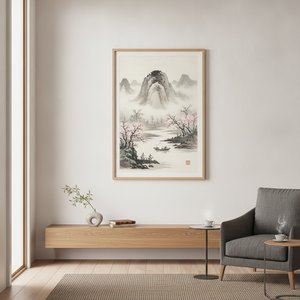
The Beauty of Ink Wash: Discover Serene & Soulful Art for Your Home
Discover the tranquil beauty of ink wash painting. Explore how Sumi-e and monochrome landscapes bring Zen-inspired serenity and soulful elegance to your home decor through expert curation and timeless East Asian aesthetics.
The Alchemy of Ink: Mastering the Timeless Beauty and Art History of Paper and Brush
Embark on a sophisticated exploration of ink wash painting and Sumi-e. Uncover the profound historical lineages, Zen philosophies, and technical mastery behind this timeless medium in our authoritative guide for fine art enthusiasts.
Egon Schiele: 25 Šedevrai, Atspindintys Menininko Sielą | OriginalUniqueArt.lt
Atraskite 25 įspūdingiausius Egon Schiele šedevrus! Gilinkitės į ekspresionizmo pasaulį, portretų istorijas ir unikalią menininko spalvų paletę. Aukštos kokybės reprodukcijos interjerui – OriginalUniqueArt.lt

Dark Masterpieces: 10 Iconic Paintings Dominated by Black Tones |
Explore 10 iconic paintings dominated by black tones, from Rembrandt’s chiaroscuro to Goya's dark expressions. Discover the stories behind these masterpieces & find museum-quality art reproductions for your home at .