 Peržiūrėti realaus dydžio版
 Siųsti
 Dalintis
 Išsamiau
 Vadovas

 Atsisiųsti
 Panašūs eksponatai
 Rentgeno spindulių nuotrauka
 Diaporama
 Statistika
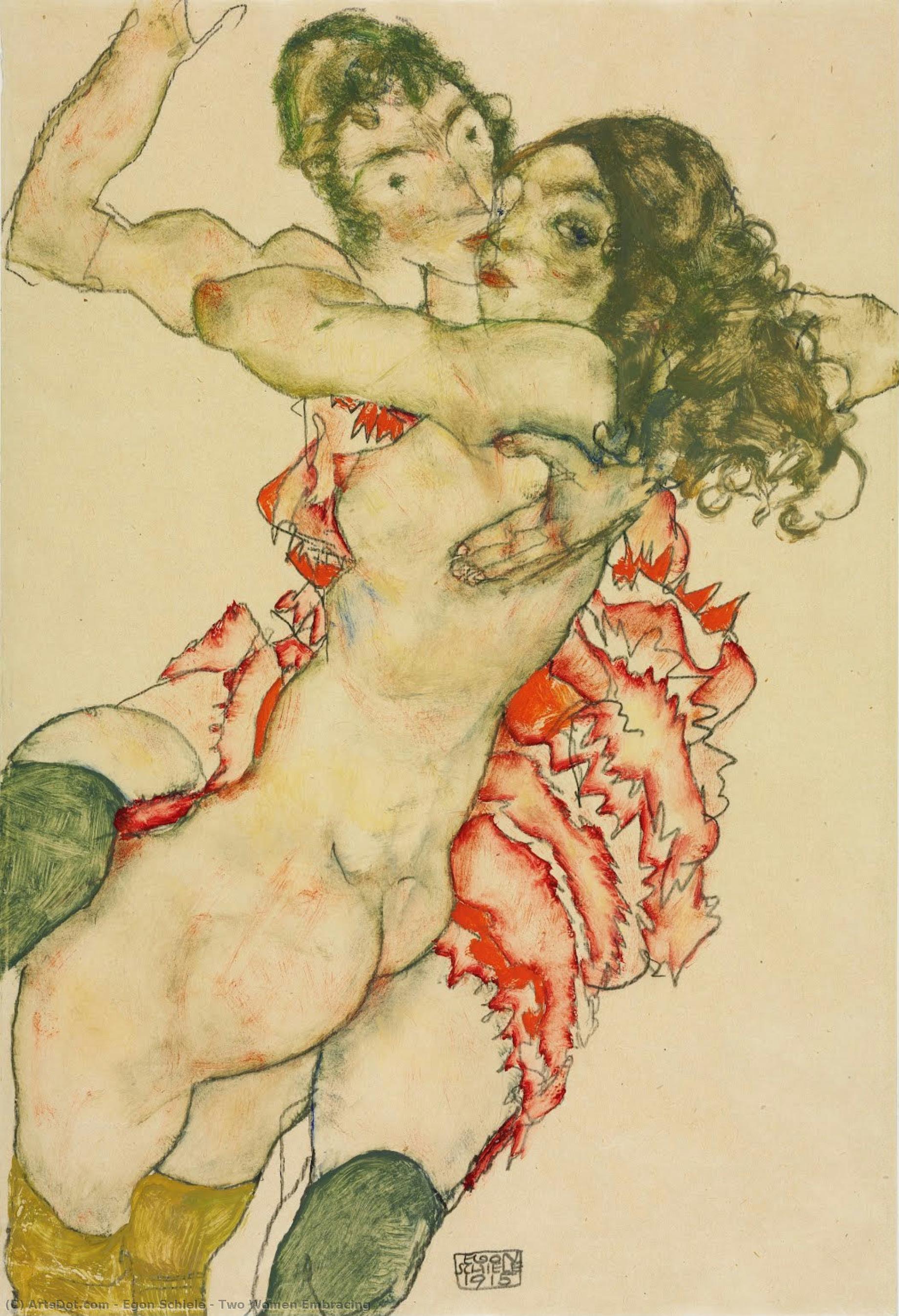
Two Women Embracing
 Gouache
- WallArt
- Austrian Expressionism
 1915
1915- Modern
 48.0 x 32.0 cm
 Szépművészeti Múzeum
 Rodyti daugiau
Giclée / Meno spausdinimas
Muziejų lygio „giclée“ arba drobos spausdinimas: greita gamyba ir lankstios apdailos parinktys. ( Pirkti rankomis tapytą reprodukciją Perejti prie skaitmeninių vaizdų)




P118B €10

P118H €10

P118W €10

P438Z €10

P508JH €12

P508YH €12

P805H €10

P805Z €10

P919BZ €10

P919G €10

P919XJ €10

P959ZH €10

P968JZ €12

W106C €8

W218G €10

W218JH €8

W218Y €10

W307PJ €10

W316G €10

W316PJ €8

W316Y €10

W398PJ €8

W4111J €10

W500HY €15

W500JH €15

W692G €12

W849H €8

W940BG €15

W953PJ €8




Pasirinkite iš mūsų nustatytų dydžių, atitinkančių originalaus meno kūrinio proporcijas.

Įveskite jums reikiamą plotį ir aukštį, kad atvaizdas derėtų prie jūsų rėmo ar sienos. Spausdiną galima tik sumažinti, bet nepadidinti virš originalaus paveikslėlio dydžio, todėl keičiant proporcijas, dalis vaizdo prarandama. Prieš spausdinimą atsiųsime jums skaitmeninį maketą patvirtinimui. Šioje puslapio nuotraukoje matomas pjūvis nėra tikslus – jį rodo tik maketas.
Pristatymas visame pasaulyje () per 2 weeks, o ne įprastas 4/5 savaičių laikotarpis. (24 spalis)

Nemokamas greitasis pristatymas visame pasaulyje

Aukštos kokybės lininis drobė

Pilnas siuntimo draudimas

Muitinės mokesčių grąžinimo garantija

Tikro spalvų atitikimo garantija

100 dienų grąžinimo politika (tik esant įtaigoms)

100% pinigų grąžinimo garantija

Nuolaida dideliems užsakymams
 Stiklo variantas prieinamas tik pasirinkus dydį iki 110 cm

Two Women Embracing
Giclée / Meno spausdinimas
Reprodukcijos dydis
-


Visų pasirinktų variantų kaina
€ 70
A Symphony of Crimson and Connection
In the hauntingly beautiful realm of Austrian Expressionism, few works capture the raw, pulsating essence of human intimacy quite like Egon Schiele’s Two Women Embracing. This masterpiece serves as a profound window into the artist's psyche, presenting a moment that feels simultaneously eternal and fleeting. The painting depicts two figures locked in a tender, desperate embrace, their bodies draped in vibrant shades of crimson and rose that seem to glow against the more muted surroundings. There is an undeniable weight to their connection; it is not merely a physical closeness but a spiritual intertwining. Schiele masterfully uses the interplay of light and shadow to highlight the vulnerability of the subjects, inviting the viewer to witness a silent dialogue of gesture and emotion that transcends the boundaries of the canvas.
To gaze upon this work is to encounter the very heart of Schiele’s revolutionary style. Moving away from the decorative opulence of his mentor, Gustav Klimt, Schiele embraced a more visceral, unvarnished approach to the human form. In Two Women Embracing, we see the hallmarks of his unique technique: the use of distorted perspectives and jagged, expressive lines that prioritize psychological truth over mere visual accuracy. The medium—a delicate blend of gouache, watercolor, and graphite—allows for a texture that is both fluid and sharp, capturing the softness of skin and the heavy drape of fabric with equal precision. This tension between delicacy and raw power creates a captivating visual rhythm that continues to mesmerive collectors and art enthusiasts alike.
The Echoes of Mortality and Eros
The historical context of this piece adds a layer of poignant depth to its visual beauty. Created during a period of immense personal and global upheaval, the work reflects the anxieties of early 20th-century Vienna. Schiele’s life was often defined by themes of mortality—a preoccupation born from the loss of his father and the fragility of existence that permeated his entire oeuvre. In this embrace, there is a palpable sense of eros struggling against the encroaching shadow of thanatos. The intimacy of the two women feels like a sanctuary, a defiant act of love in an uncertain world. For the discerning decorator or collector, this piece offers more than just aesthetic pleasure; it provides a profound emotional anchor, a conversation starter that speaks to the resilience of the human spirit.
Integrating such a powerful work into a curated space requires an appreciation for its dramatic impact. Whether placed in a minimalist modern gallery or a richly textured classical study, Two Women Embracing commands attention through its evocative color palette and intense emotional resonance. It is a piece that breathes life into a room, offering a sense of historical gravity and artistic sophistication. For those seeking to surround themselves with art that moves the soul, this reproduction stands as a testament to Schiele’s enduring legacy—a timeless celebration of connection, vulnerability, and the beautiful, turbulent complexity of being alive.
问答 (or more naturally for a website heading): Klausimai ir atsakymai
Kokią vietą meno istorijoje užima „Two Women Embracing“, autorius – Egon Šylė?
Istoriškai „Two Women Embracing“ yra šio platesnio Modern laikotarpio Austrian Expressionism stiliaus kūrinys.
Kokią Egon Šylė kūrybos etapą atitinka „Two Women Embracing“ data, nurodyta kaip 1915?
„Two Women Embracing“, sukurta 1915 m., priklauso Egon Šylė kūrybinio karjeros laikotarpio Mature Period.
Kur turėtų būti pakabinta „Two Women Embracing“, autorius – Egon Šylė reprodukcija?
Savo Portrait forma „Two Women Embracing“ reprodukcija siūloma Living Room kambariui.
Autoriaus biografija
Egon Schiele
Austrijos pozicija dviejų pasaulinio karo horizonte buvo labai abejojanti: vienu metu ji buvo šiek tiek iš Šiaurės į rytus, lengvai įsitikinusi veiksmų vyrai. Mažėjęs šalis po 1918 m., beveik visiškai neišplitusi tarptautiniu pasauliu buvo lengvai įvykdinta Hitlerio Reichui 1938 m.; meno srityje tai reiškė kad modernizmo istorija buvo išvykstanti nuo Šiaurės iki pietų, su pagrindiniu dėmesiu į formą. Vokelių šiek tiek pripažino ekspresionizmą kaip svarbų meno srovę; jis buvo vienas iš žymiausius austrių artistas XX amžiaus pradžioje – kartu su Gustavu Klimtu ir Oskar Kokoschka išvykę į Vieną buvo laikomas vienu iš Žyduvo šimtmečio svarbiausių vizualinių menininkų.
Gyvenimas
Egonas Šylė gimė 1890 m. vasario 3 d. Tulne, Austrijoje. Jo tėvas Adolfas Šylė buvo Tulno geležinkelio stoties direktorius ir gimė 1851 m. Vienoje Adolfo Šyly tevai turėjo tris jaunesnes seseris: Elvirą, Melaniją ir Gertrūdą. Elvira mirė vaikyste dėl gimtinių sifiliso. Jo tėvas buvo užsikrėtęs sifiliu įsimėlynėje savo jaunystės metais po vienos jo naujosios žmonos išėjimo iš kambario.
Meno vystymasis
Šylė mokytojo Christian Griepenkerl įtaką išgyveno Vienoje 1907 m. ir G. Klimtas tapo jo svarbiu rėmėju. Šylė paliko akademiją 1906 m., nes jos mokymo metodai buvo labai konservatyvus, ir įkūrė Naują austrių dailės grupę 1909 m. Grupėje vyravo ekspresionistinė estetika, kuri iššūkiant šiuolaikinėms kultūros normas.
Žymūs kūriniai
Šylė buvo vienas iš žymiausius austrių artistas XX amžiaus pradžioje – kartu su Gustavu Klimtu ir Oskar Kokoschka išvykę į Vieną buvo laikomas vienu iš Žyduvo šimtmečio svarbiausių vizualinių menininkų. Šylė buvo ekspresionizmo meno srovės atstovas.
Žymūs veiksniai
Šylė buvo žinomas dėl savo iššūkiantį įžiūrą į pasaulio problemas ir šiuolaikinę estetika, kuri iššūkiant šiuolaikinėms kultūros normas. Šylė buvo ekspresionizmo meno srovės atstovas.

Egon Šylė
1890 - 1918 , Austrija
Trumpa informacija apie kūrėją
- Artistic Movement Or Style: Ekspresionizmas
- Artists Who Influenced This Artist: ['Gustavas Klimtas']
- Date Of Birth: 1890 m.
- Date Of Death: 1918 m.
- Full Name: Egon Schiele
- Nationality: Austras
- Notable Artworks:
- Savęs portretas su fizižalis
- Porą įemčianti
- Žemės apėjimų kraštovaizdis
- Place Of Birth: Tulnas, Austrija
Susiję straipsniai
Art Nouveau: 10 Šedevrai, Apibrėžę Dekoratyvinio meno Era | OriginalUniqueArt
Atraskite 10 legendinių Art Nouveau šedevrų! Gustav Klimt, Alphonse Mucha ir daugiau – meniniai pasiekimai, apibrėžę dekoratyvinio meno epochą. Pasinerkite į istorijas, spalvas ir grožį. Kokybiškos dailės reprodukcijos ir interjero idėjos OriginalUniqueArt.com.
Egon Schiele: Expressionism, Anxiety & the Modern Condition – A Comprehensive Exploration
Explore the emotionally charged world of Egon Schiele (1890-1918). Discover his Expressionist masterpieces, psychological themes, and lasting impact on modern art. A comprehensive guide for collectors & enthusiasts.
Gustav Klimt: A Golden Legacy of Sensuality & Symbolism in Viennese Art
Explore the captivating world of Gustav Klimt with OriginalUniqueArt. Discover his iconic paintings, the Vienna Secession movement, & enduring legacy. High-quality reproductions available.

Gustavo Klimto Šedevrai: 25 Išskirtiniai Darbai Jūsų Interjerui | OriginalUniqueArt
Atraskite 25 įspūdingiausius Gustavo Klimto kūrinius! Išsami analizė, istorijos ir simbolizmas. Įkvėpkite interjerui aukso spalvos paveikslus iš Vienos secesijos laikų. Kokybiškos reprodukcijos – OriginalUniqueArt.com
Egon Schiele: 25 Šedevrai, Atspindintys Menininko Sielą | OriginalUniqueArt.lt
Atraskite 25 įspūdingiausius Egon Schiele šedevrus! Gilinkitės į ekspresionizmo pasaulį, portretų istorijas ir unikalią menininko spalvų paletę. Aukštos kokybės reprodukcijos interjerui – OriginalUniqueArt.lt