Peržiūrėti realaus dydžio版
 Siųsti
 Dalintis
 Išsamiau
 Vadovas

 Atsisiųsti
 Panašūs eksponatai
 Rentgeno spindulių nuotrauka
 Diaporama
 Statistika
Two women


 Rodyti daugiau
Rankų darbo aliejinės reprodukcijos
Rankiniu būdu tapytas aliejus ant droblio jūsų pageidaujamame dydį ir rėmuose – mūsų menininkų darbas pagal užsakymą. ( Perjungti į spausdinimą Perejti prie skaitmeninių vaizdų)




P118B €10

P118H €10

P118W €10

P438Z €10

P508JH €12

P508YH €12

P805H €10

P805Z €10

P919BZ €10

P919G €10

P919XJ €10

P959ZH €10

P968JZ €12

W106C €8

W218G €10

W218JH €8

W218Y €10

W307PJ €10

W316G €10

W316PJ €8

W316Y €10

W398PJ €8

W4111J €10

W500HY €15

W500JH €15

W692G €12

W849H €8

W940BG €15

W953PJ €8




Pasirinkite iš mūsų nustatytų dydžių, atitinkančių originalaus meno kūrinio proporcijas.

Įveskite jums reikiamą plotį ir aukštį, kad paveikslas atitiktų jūsų rėmą ar sieną. Kadangi šis darbas yra rankinio darbo, siekiant išgauti kitokio formos dydį, paveikslas gali būti šiek tiek didesnis (nuo kraštų bus palikta daugiau erdvės) arba mažesnis – pasirinkite jums patogiausią variantą. Prieš pradedant tapyti, atsiųsime jums skaitmeninį maketą patvirtinimui. Šioje puslapio nuotraukoje matomas vaizdas nėra galutinis rezultatas – jį parodys tik sukurtas maketas.
Gavus užsakymą, OriginalUniqueArt.com komanda susisieks su klientu el. paštu dėl instrukcijų ir pateiks maketo pavyzdį
Pristatymas visame pasaulyje () per 3–4 savaites, o ne įprastai – per 5 savaites. (21 spalis). Kokybė lieka nepakeičiama.

Nemokamas greitasis pristatymas visame pasaulyje

Aukštos kokybės lininis drobė

Pilnas siuntimo draudimas

Muitinės mokesčių grąžinimo garantija

Tikro spalvų atitikimo garantija

100 dienų grąžinimo politika (tik esant įtaigoms)

100% pinigų grąžinimo garantija

Nuolaida dideliems užsakymams
 Stiklo variantas prieinamas tik pasirinkus dydį iki 110 cm

Two women
Reprodukcijos technika
Reprodukcijos dydis
-


Visų pasirinktų variantų kaina
€ 262
The Haunting Beauty of Vulnerability
Egon Schiele’s “Two Women” (1915) isn't merely a depiction of two figures; it’s an excavation of the human psyche, a raw and unsettling portrait of intimacy, vulnerability, and the encroaching anxieties of early 20th-century Europe. Created during a period of immense social upheaval and personal turmoil for Schiele himself – marked by illness, loss, and a profound exploration of mortality – this painting transcends simple representation to become a deeply emotive experience for the viewer. The work immediately commands attention with its bold, almost violent application of color and line; a deliberate departure from the polished surfaces favored by many contemporary artists. Schiele’s signature style is powerfully evident here: elongated figures, distorted perspectives, and an unsettling sense of immediacy that pulls us directly into the scene.

Expressionist Roots and the Language of Emotion
“Two Women” is a quintessential example of Expressionism, a movement that sought to convey subjective emotional experience rather than objective reality. Schiele’s approach aligns perfectly with this philosophy; he doesn't aim for photographic accuracy but instead utilizes distortion, exaggeration, and intense color to communicate the underlying feelings of the subjects – a potent blend of vulnerability, desire, and perhaps even a touch of unease. The painting’s composition is deliberately unbalanced, mirroring the emotional instability that characterized Schiele’s life and work. The figures are intertwined in an intimate pose, yet there's a palpable tension beneath the surface, a sense of impending disruption or unresolved conflict. Notice how the lines themselves seem to vibrate with energy – they aren’t smooth or graceful; they’re jagged and forceful, mirroring the raw emotions being portrayed.
Nudity as Revelation: Context and Symbolism
The representation of nudity in “Two Women” is not presented gratuitously. Schiele's use of the nude body was deeply intertwined with his exploration of sexuality, mortality, and the fragility of human existence. Historically, depictions of the nude have varied dramatically across cultures and time periods, often reflecting societal values and beliefs about the body. In the context of early 20th-century Vienna – a city grappling with rapid social change and artistic experimentation – Schiele’s work challenged conventional notions of beauty and morality. The partially exposed figures invite contemplation on themes of intimacy, vulnerability, and the inherent tension between desire and restraint. The positioning of the women, one fully nude and the other partially clothed, adds another layer of complexity to the scene, suggesting a dynamic interplay of power and submission.
A Window into Schiele’s World
“Two Women” offers a poignant glimpse into Egon Schiele's intensely personal world. His work is often characterized by a preoccupation with death, illness, and the human condition – themes that undoubtedly stemmed from his own difficult life experiences. The painting resonates with echoes of other works in Schiele’s oeuvre, particularly “Female Lovers,” which shares a similar focus on intimacy and psychological depth. Reproductions of this powerful artwork, available through OriginalUniqueArt.com, provide an exceptional opportunity to experience the raw emotion and artistic brilliance of one of Expressionism's most compelling figures. Consider how the painting’s stark colors and unsettling composition would complement various interior design styles – from minimalist spaces seeking a touch of drama to more eclectic settings where Schiele’s intensity can serve as a focal point.
问答 (or more naturally for a website heading): Klausimai ir atsakymai
Kiek žmonių žiūri į „Two women“?
„Two women“, autorius – Egon Šylė puslapio Statistika statistika rodo viešųjų apsilankymų duomenis: šio kūrinio mėnesinius apsilankymus, palyginimą su daugiausia peržiūrėtomis šio autoriaus dalimis bei tai, iš kur ateina lankytojai.
Kas yra „Two women“ kūrybos autorius?
„Two women“ priskiriamas Egon Šylė.
Kaip „Two women“ tema susiję su įprastomis Egon Šylė tematikos temos?
Tarp užfiksuotų Egon Šylė temų – expressionist angst, psychological depth, post-war trauma, societal critique, mortality, fragility, obsession themes, intimacy – kūrinys „Two women“ akcentuoja nudity, intimacy, vulnerability, expressionism, psychological, tension, women, sexuality.
Autoriaus biografija
Egon Schiele
Austrijos pozicija dviejų pasaulinio karo horizonte buvo labai abejojanti: vienu metu ji buvo šiek tiek iš Šiaurės į rytus, lengvai įsitikinusi veiksmų vyrai. Mažėjęs šalis po 1918 m., beveik visiškai neišplitusi tarptautiniu pasauliu buvo lengvai įvykdinta Hitlerio Reichui 1938 m.; meno srityje tai reiškė kad modernizmo istorija buvo išvykstanti nuo Šiaurės iki pietų, su pagrindiniu dėmesiu į formą. Vokelių šiek tiek pripažino ekspresionizmą kaip svarbų meno srovę; jis buvo vienas iš žymiausius austrių artistas XX amžiaus pradžioje – kartu su Gustavu Klimtu ir Oskar Kokoschka išvykę į Vieną buvo laikomas vienu iš Žyduvo šimtmečio svarbiausių vizualinių menininkų.
Gyvenimas
Egonas Šylė gimė 1890 m. vasario 3 d. Tulne, Austrijoje. Jo tėvas Adolfas Šylė buvo Tulno geležinkelio stoties direktorius ir gimė 1851 m. Vienoje Adolfo Šyly tevai turėjo tris jaunesnes seseris: Elvirą, Melaniją ir Gertrūdą. Elvira mirė vaikyste dėl gimtinių sifiliso. Jo tėvas buvo užsikrėtęs sifiliu įsimėlynėje savo jaunystės metais po vienos jo naujosios žmonos išėjimo iš kambario.
Meno vystymasis
Šylė mokytojo Christian Griepenkerl įtaką išgyveno Vienoje 1907 m. ir G. Klimtas tapo jo svarbiu rėmėju. Šylė paliko akademiją 1906 m., nes jos mokymo metodai buvo labai konservatyvus, ir įkūrė Naują austrių dailės grupę 1909 m. Grupėje vyravo ekspresionistinė estetika, kuri iššūkiant šiuolaikinėms kultūros normas.
Žymūs kūriniai
Šylė buvo vienas iš žymiausius austrių artistas XX amžiaus pradžioje – kartu su Gustavu Klimtu ir Oskar Kokoschka išvykę į Vieną buvo laikomas vienu iš Žyduvo šimtmečio svarbiausių vizualinių menininkų. Šylė buvo ekspresionizmo meno srovės atstovas.
Žymūs veiksniai
Šylė buvo žinomas dėl savo iššūkiantį įžiūrą į pasaulio problemas ir šiuolaikinę estetika, kuri iššūkiant šiuolaikinėms kultūros normas. Šylė buvo ekspresionizmo meno srovės atstovas.

Egon Šylė
1890 - 1918 , Austrija
Trumpa informacija apie kūrėją
- Artistic Movement Or Style: Ekspresionizmas
- Artists Who Influenced This Artist: ['Gustavas Klimtas']
- Date Of Birth: 1890 m.
- Date Of Death: 1918 m.
- Full Name: Egon Schiele
- Nationality: Austras
- Notable Artworks:
- Savęs portretas su fizižalis
- Porą įemčianti
- Žemės apėjimų kraštovaizdis
- Place Of Birth: Tulnas, Austrija
Susiję straipsniai
Egon Schiele: 25 Šedevrai, Atspindintys Menininko Sielą | OriginalUniqueArt.lt
Atraskite 25 įspūdingiausius Egon Schiele šedevrus! Gilinkitės į ekspresionizmo pasaulį, portretų istorijas ir unikalią menininko spalvų paletę. Aukštos kokybės reprodukcijos interjerui – OriginalUniqueArt.lt

The Enduring Muse: Women as Subject & Symbol in Art History
Explore the rich history of women in art – from iconic muses to groundbreaking artists. Discover feminist movements, global perspectives & reclaim female narratives with OriginalUniqueArt.
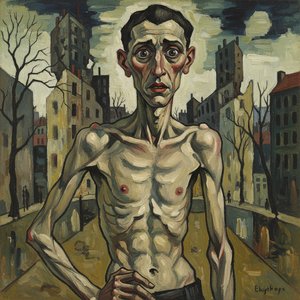
Egon Schiele: Expressionism, Anxiety & the Modern Condition – A Comprehensive Exploration
Explore the emotionally charged world of Egon Schiele (1890-1918). Discover his Expressionist masterpieces, psychological themes, and lasting impact on modern art. A comprehensive guide for collectors & enthusiasts.
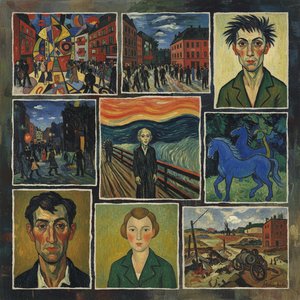
Expressionist Painting: 10 Masterpieces That Defined a Movement | OriginalUniqueArt
Explore 10 Expressionist paintings that revolutionized art! Discover Munch, Kirchner & Kandinsky's iconic works. Find museum-quality reproductions and vibrant canvas prints to elevate your home decor on OriginalUniqueArt.com.
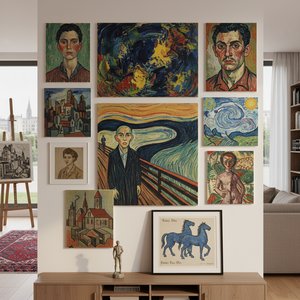
Ekspresionizmo Deimantai: 10 Šedevrai Jūsų Namų Dekorui
Atraskite ekspresionizmo šedevrus! 10 įtakingiausių meno kūrinių, atskleisiančių Muncho, Kirchnerio ir kitų meistrų emocijas. Išmokite apie tapybos stilius bei spalvų paletę. Aukščiausios kokybės dailės reprodukcijos jūsų namams – OriginalUniqueArt.com.