Peržiūrėti realybėje
 Pasidalinti
 Dalintis
 Išsamiau

 Atsisiųsti
 Panašūs eksponatai
 Rentgeno nuotrauka
 Automatinė diorama
The Kiss

 Skaityti daugiau
Giclée / Meno spausdinimas
Muziejų lygio „giclée“ arba drobos spausdinimas: greita gamyba ir lankstios apdailos parinktys. ( Pirkti rankomis tapytą paveikslą Pirkti vaizdą)




P118B $10

P118H $10

P118W $10

P438Z $10

P508JH $12

P508YH $12

P805H $10

P805Z $10

P919BZ $10

P919G $10

P919XJ $10

P959ZH $10

P968JZ $12

W106C $8

W218G $10

W218JH $8

W218Y $10

W307PJ $10

W316G $10

W316PJ $8

W316Y $10

W398PJ $8

W4111J $10

W500HY $15

W500JH $15

W692G $12

W849H $8

W940BG $15

W953PJ $8




Pasirinkite iš mūsų nustatytų dydžių, atitinkančių originalaus meno kūrinio proporcijas.

Galite nurodyti savo matmenis, kad vaizdas atitiktų konkretų rėmą ar erdvę. Jei pasirinktas dydis nesutaps su originalaus paveikslėlio proporcijomis, mes arba apkirpsime kūrinį, arba išplėsime vaizdą naudojant veideliu atspindėtą arba vientisą šoną. Skaitmeninis maketas bus išsiųstas jums patvirtinti prieš pradedant gamybą.
Atkreipkite dėmesį, kad ekrane matomas vaizdinys neatspindi tikrojo apkirpimo ar išplėtimo. Tik maketas tiksliai parodytų galutinę kompoziciją.
Nors galima rinktis ir individualius dydžius, rekomenduojame pasirinkti vieną iš išanksti nustatytų matmenų, kad būtų išlaikytos originalios proporcijos.
Pristatymas visame pasaulyje () per 2 weeks, o ne įprastas 4/5 savaičių laikotarpis. (4 rugsėjis)

Nemokamas greitasis pristatymas visame pasaulyje

Aukštos kokybės lininis drobė

Pilnas siuntimo draudimas

Muitinės mokesčių grąžinimo garantija

Tikro spalvų atitikimo garantija

60 dienų grąžinimo politika (tik esant gamyklinėms defektams)

100% pinigų grąžinimo garantija

Nuolaida už kelias reprodukcijas
 Stiklo variantas prieinamas tik pasirinkus dydį iki 110 cm

The Kiss
Giclée / Meno spausdinimas
Reprodukcijos matmenys
-


Galutinė kaina
$ 80
A Moment Frozen in Time: The Raw Intensity of Schiele’s “The Kiss”
Egon Schiele's "The Kiss," a deceptively simple depiction of two figures entwined in an intimate embrace, is far more than just a romantic tableau. It’s a profoundly unsettling and intensely personal exploration of love, desire, vulnerability, and the ever-present shadow of mortality – hallmarks of Schiele’s distinctive Expressionist style. Unlike the idealized depictions of courtship found in Klimt's opulent “The Kiss,” Schiele offers a brutally honest portrayal, stripped bare of artifice and saturated with an almost palpable sense of unease. The drawing, rendered in charcoal on paper (though often reproduced in various media), captures a fleeting moment, a raw exchange that feels both urgent and deeply vulnerable.
The composition itself is deliberately unbalanced. The woman, positioned slightly off-center and leaning into the man, dominates the frame with her closed eyes and relaxed posture – an invitation to intimacy, yet simultaneously suggesting a surrender to something potentially overwhelming. Her body curves gently around him, while his stance is more rigid, almost protective, hinting at a struggle beneath the surface of their connection. The three figures in the background—a solitary figure on the right and two indistinct forms above—add layers of ambiguity, creating a sense of isolation and suggesting that this intensely personal moment exists within a larger, perhaps unsettling, context. The lack of clear spatial definition further contributes to the feeling of claustrophobia and heightened emotion.
Schiele’s Expressionist Vision: Distortion and Psychological Depth
Born in Vienna in 1890, Egon Schiele's life was tragically short, cut short by illness and war at just 28. This brevity profoundly shaped his artistic vision. He rejected the decorative elegance of the Viennese Secession movement, championed by Klimt, instead forging a path toward raw emotional honesty. Schiele’s technique is characterized by elongated figures, distorted perspectives, and a deliberate use of jagged lines – elements that convey not just physical form but also psychological turmoil. The drawing's surface is alive with restless energy; the charcoal strokes are thick and uneven, creating a sense of immediacy and urgency. Notice how Schiele uses hatching to build up volume and texture, particularly in the man’s body, emphasizing its physicality while simultaneously hinting at vulnerability.
Unlike Klimt's smooth, polished surfaces, Schiele embraces imperfection, mirroring the messy realities of human experience. This deliberate roughness is crucial to understanding his work; it reflects a deep engagement with themes of death, disease, and the fragility of life – subjects that haunted him throughout his career. The drawing’s stark contrasts between light and shadow further amplify this sense of drama and psychological intensity.
Symbolism and Mortality: Echoes of Schiele's Personal Tragedy
Schiele’s preoccupation with death is perhaps most evident in the context of his own life. His father succumbed to syphilis when Egon was just fourteen, a devastating event that profoundly impacted the young artist. This trauma permeated his work, manifesting as recurring motifs of illness, decay, and the grotesque. In “The Kiss,” this shadow of mortality isn’t overtly stated but subtly implied through the figures' posture, their proximity, and the overall atmosphere of vulnerability. The closed eyes of the woman suggest a surrender to oblivion, while the man’s protective stance can be interpreted as an attempt to shield her from the inevitable.
Furthermore, Schiele’s fascination with the human body – particularly its imperfections and vulnerabilities – is central to his artistic vision. He frequently depicted nude figures in unflinching detail, challenging conventional notions of beauty and exposing the raw physicality of existence. The drawing's focus on the intimate connection between two bodies speaks to a desire for closeness and connection amidst the anxieties of life and death. It’s a poignant reminder that even within moments of intense passion, the specter of mortality always lingers in the background.
Bringing Schiele’s Intensity Home: Reproductions with OriginalUniqueArt
OriginalUniqueArt offers meticulously crafted hand-painted reproductions of Egon Schiele's “The Kiss,” capturing the artist’s unique style and emotional depth. Our skilled artists painstakingly recreate Schiele’s distinctive charcoal strokes, textures, and dramatic lighting, ensuring that your reproduction faithfully reflects the original drawing’s power and intensity. Whether you are a seasoned art collector or simply seeking to add a touch of raw emotion to your interior space, our reproductions provide an authentic and captivating representation of this iconic work. Explore our selection today and experience the enduring legacy of Egon Schiele.
Autoriaus biografija
Egon Schiele
Austrijos pozicija dviejų pasaulinio karo horizonte buvo labai abejojanti: vienu metu ji buvo šiek tiek iš Šiaurės į rytus, lengvai įsitikinusi veiksmų vyrai. Mažėjęs šalis po 1918 m., beveik visiškai neišplitusi tarptautiniu pasauliu buvo lengvai įvykdinta Hitlerio Reichui 1938 m.; meno srityje tai reiškė kad modernizmo istorija buvo išvykstanti nuo Šiaurės iki pietų, su pagrindiniu dėmesiu į formą. Vokelių šiek tiek pripažino ekspresionizmą kaip svarbų meno srovę; jis buvo vienas iš žymiausius austrių artistas XX amžiaus pradžioje – kartu su Gustavu Klimtu ir Oskar Kokoschka išvykę į Vieną buvo laikomas vienu iš Žyduvo šimtmečio svarbiausių vizualinių menininkų.
Gyvenimas
Egonas Šylė gimė 1890 m. vasario 3 d. Tulne, Austrijoje. Jo tėvas Adolfas Šylė buvo Tulno geležinkelio stoties direktorius ir gimė 1851 m. Vienoje Adolfo Šyly tevai turėjo tris jaunesnes seseris: Elvirą, Melaniją ir Gertrūdą. Elvira mirė vaikyste dėl gimtinių sifiliso. Jo tėvas buvo užsikrėtęs sifiliu įsimėlynėje savo jaunystės metais po vienos jo naujosios žmonos išėjimo iš kambario.
Meno vystymasis
Šylė mokytojo Christian Griepenkerl įtaką išgyveno Vienoje 1907 m. ir G. Klimtas tapo jo svarbiu rėmėju. Šylė paliko akademiją 1906 m., nes jos mokymo metodai buvo labai konservatyvus, ir įkūrė Naują austrių dailės grupę 1909 m. Grupėje vyravo ekspresionistinė estetika, kuri iššūkiant šiuolaikinėms kultūros normas.
Žymūs kūriniai
Šylė buvo vienas iš žymiausius austrių artistas XX amžiaus pradžioje – kartu su Gustavu Klimtu ir Oskar Kokoschka išvykę į Vieną buvo laikomas vienu iš Žyduvo šimtmečio svarbiausių vizualinių menininkų. Šylė buvo ekspresionizmo meno srovės atstovas.
Žymūs veiksniai
Šylė buvo žinomas dėl savo iššūkiantį įžiūrą į pasaulio problemas ir šiuolaikinę estetika, kuri iššūkiant šiuolaikinėms kultūros normas. Šylė buvo ekspresionizmo meno srovės atstovas.

Egon Šylė
1890 - 1918 , Austrija
Trumpa informacija
- Artistic Movement Or Style: Ekspresionizmas
- Artists Who Influenced This Artist: ['Gustavas Klimtas']
- Date Of Birth: 1890 m.
- Date Of Death: 1918 m.
- Full Name: Egon Schiele
- Nationality: Austras
- Notable Artworks:
- Savęs portretas su fizižalis
- Porą įemčianti
- Žemės apėjimų kraštovaizdis
- Place Of Birth: Tulnas, Austrija
Susiję straipsniai
Egon Schiele: 25 Šedevrai, Atspindintys Menininko Sielą | OriginalUniqueArt.lt
Atraskite 25 įspūdingiausius Egon Schiele šedevrus! Gilinkitės į ekspresionizmo pasaulį, portretų istorijas ir unikalią menininko spalvų paletę. Aukštos kokybės reprodukcijos interjerui – OriginalUniqueArt.lt
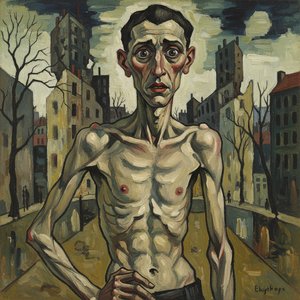
Egon Schiele: Expressionism, Anxiety & the Modern Condition – A Comprehensive Exploration
Explore the emotionally charged world of Egon Schiele (1890-1918). Discover his Expressionist masterpieces, psychological themes, and lasting impact on modern art. A comprehensive guide for collectors & enthusiasts.
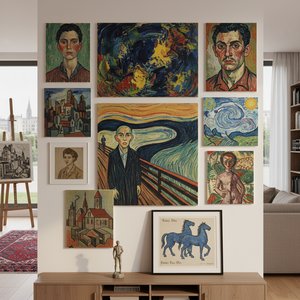
Ekspresionizmo Deimantai: 10 Šedevrai Jūsų Namų Dekorui
Atraskite ekspresionizmo šedevrus! 10 įtakingiausių meno kūrinių, atskleisiančių Muncho, Kirchnerio ir kitų meistrų emocijas. Išmokite apie tapybos stilius bei spalvų paletę. Aukščiausios kokybės dailės reprodukcijos jūsų namams – OriginalUniqueArt.com.
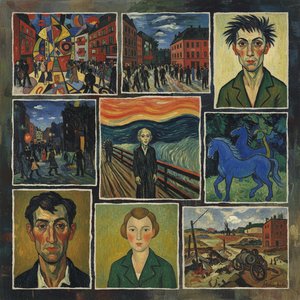
Expressionist Painting: 10 Masterpieces That Defined a Movement | OriginalUniqueArt
Explore 10 Expressionist paintings that revolutionized art! Discover Munch, Kirchner & Kandinsky's iconic works. Find museum-quality reproductions and vibrant canvas prints to elevate your home decor on OriginalUniqueArt.com.

Unlocking Emotion: A Beginner's Guide to the Raw Power of Symbolic Expressionism Art
Discover the raw emotion of Symbolic Expressionism. Our expert guide explores how masters like Munch use color and form to convey inner feelings, offering inspiration for collectors looking to bring powerful, soulful art into their modern homes.