Peržiūrėti realaus dydžio版
 Siųsti
 Dalintis
 Išsamiau
 Vadovas

 Atsisiųsti
 Panašūs eksponatai
 Rentgeno spindulių nuotrauka
 Diaporama
 Statistika
Sunflower I


 Rodyti daugiau
Giclée / Meno spausdinimas
Muziejų lygio „giclée“ arba drobos spausdinimas: greita gamyba ir lankstios apdailos parinktys. ( Pirkti rankomis tapytą reprodukciją Perejti prie skaitmeninių vaizdų)




P118B €10

P118H €10

P118W €10

P438Z €10

P508JH €12

P508YH €12

P805H €10

P805Z €10

P919BZ €10

P919G €10

P919XJ €10

P959ZH €10

P968JZ €12

W106C €8

W218G €10

W218JH €8

W218Y €10

W307PJ €10

W316G €10

W316PJ €8

W316Y €10

W398PJ €8

W4111J €10

W500HY €15

W500JH €15

W692G €12

W849H €8

W940BG €15

W953PJ €8




Pasirinkite iš mūsų nustatytų dydžių, atitinkančių originalaus meno kūrinio proporcijas.

Įveskite jums reikiamą plotį ir aukštį, kad atvaizdas derėtų prie jūsų rėmo ar sienos. Spausdiną galima tik sumažinti, bet nepadidinti virš originalaus paveikslėlio dydžio, todėl keičiant proporcijas, dalis vaizdo prarandama. Prieš spausdinimą atsiųsime jums skaitmeninį maketą patvirtinimui. Šioje puslapio nuotraukoje matomas pjūvis nėra tikslus – jį rodo tik maketas.
Pristatymas visame pasaulyje () per 2 weeks, o ne įprastas 4/5 savaičių laikotarpis. (27 spalis)

Nemokamas greitasis pristatymas visame pasaulyje

Aukštos kokybės lininis drobė

Pilnas siuntimo draudimas

Muitinės mokesčių grąžinimo garantija

Tikro spalvų atitikimo garantija

100 dienų grąžinimo politika (tik esant įtaigoms)

100% pinigų grąžinimo garantija

Nuolaida dideliems užsakymams
 Stiklo variantas prieinamas tik pasirinkus dydį iki 110 cm

Sunflower I
Giclée / Meno spausdinimas
Reprodukcijos dydis
-


Visų pasirinktų variantų kaina
€ 70
Egon Schiele’s “Sunflower I”: A Study in Fragility and Vibrant Intensity
Egon Schiele's "Sunflower I," painted in 1908, isn’t merely a still life; it’s a raw, intensely personal exploration of life and death rendered with the unsettling beauty characteristic of Expressionism. This intimate portrayal of a sunflower, housed within the Niedersächsisches Landesmuseum Hannover, offers a glimpse into the artist's troubled psyche and his profound engagement with the natural world—a world he perceived not as idyllic, but as simultaneously alluring and fraught with peril. The painting’s immediate impact is one of startling vibrancy; the yellows of the petals practically vibrate against the cool blues of the sky, creating a visual tension that mirrors the emotional complexities at play.
The Shadow of Loss and Artistic Obsession
Schiele's life was tragically shaped by loss from an early age. Born in 1890 in Tulln an der Donau, Austria—a town steeped in history and a breeding ground for artistic talent—his father’s death due to syphilis at the tender age of fourteen cast a long and devastating shadow. This event, coupled with the premature passing of his sister Elvira, fueled within Schiele a preoccupation with mortality, illness, and the ephemeral nature of existence – themes that permeate much of his oeuvre. “Sunflower I” can be interpreted as a poignant meditation on these anxieties; the sunflower’s inherent symbolism—representing longevity, adoration, and warmth—is juxtaposed against the artist's own awareness of life’s fleeting beauty. The painting feels almost like a desperate attempt to capture and hold onto something precious before it vanishes.
A Fauvist Echo: Bold Color and Expressive Brushwork
Technically, “Sunflower I” demonstrates Schiele's masterful command of oil on panel. The thick, impasto brushstrokes are not simply decorative; they actively contribute to the painting’s emotional intensity. The artist deliberately avoids smooth transitions, favoring instead a textured surface that conveys movement and energy. This style owes a clear debt to the Fauvist movement, which championed bold colors and an energetic approach to paint application – a rebellion against academic tradition. Notice how Schiele uses color not to represent reality faithfully, but to evoke feeling; the intense yellows are heightened, almost luminous, while the blues of the sky possess a cool, melancholic quality. The layering of pigment creates a palpable sense of depth and volume, drawing the viewer into the intimate space of the composition.
Symbolism in Bloom: Nature as Mirror
Beyond its technical merits, “Sunflower I” is rich with symbolic meaning. The sunflower itself, as previously mentioned, represents adoration and longevity, but within Schiele’s context, it takes on a more nuanced significance. The surrounding green leaves, rendered with a delicate precision, suggest the vitality of nature, yet they are subtly overshadowed by the dominant presence of the flower. Scattered smaller flowers add to this sense of natural abundance, creating a harmonious composition that belies the underlying currents of anxiety. The blue sky serves as a backdrop—a vast expanse that emphasizes the vulnerability and isolation of the sunflower within its frame. Schiele’s ability to imbue an everyday subject with such profound psychological weight is what elevates “Sunflower I” beyond a simple botanical study; it becomes a powerful statement about the human condition.
A hand-painted reproduction of "Sunflower I" offers a remarkable opportunity to experience Schiele's vision firsthand. The meticulous detail and vibrant colors faithfully capture the intensity of the original, bringing this poignant work into any space with an undeniable emotional resonance. Consider it not just as decoration, but as a window into the soul of one of Expressionism’s most compelling figures.
问答 (or more naturally for a website heading): Klausimai ir atsakymai
Koks kontrastas yra darbe „Sunflower I“, autorius – Egon Šylė?
Šviesos ir tamsos kontrastas kūriniame „Sunflower I“ yra nurodytas kaip Balanced. Kontrastas aprašo, kaip stipriai skiriasi šviesios ir tamsios sritys.
Kam rekomenduojamas „Sunflower I“, autorius – Egon Šylė reprodukcija?
Rekomenduojamas „Sunflower I“ spausdinio naudojimas yra Statement.
Kaip galima panaudoti „Sunflower I“, autorius – Egon Šylė namų interjere?
Naudojimas (Statement) ir erdvė (Living Room) yra du rekomendacijos, nurodyti šiam kūriniui „Sunflower I“, autorius – Egon Šylė.
Autoriaus biografija
Egon Schiele
Austrijos pozicija dviejų pasaulinio karo horizonte buvo labai abejojanti: vienu metu ji buvo šiek tiek iš Šiaurės į rytus, lengvai įsitikinusi veiksmų vyrai. Mažėjęs šalis po 1918 m., beveik visiškai neišplitusi tarptautiniu pasauliu buvo lengvai įvykdinta Hitlerio Reichui 1938 m.; meno srityje tai reiškė kad modernizmo istorija buvo išvykstanti nuo Šiaurės iki pietų, su pagrindiniu dėmesiu į formą. Vokelių šiek tiek pripažino ekspresionizmą kaip svarbų meno srovę; jis buvo vienas iš žymiausius austrių artistas XX amžiaus pradžioje – kartu su Gustavu Klimtu ir Oskar Kokoschka išvykę į Vieną buvo laikomas vienu iš Žyduvo šimtmečio svarbiausių vizualinių menininkų.
Gyvenimas
Egonas Šylė gimė 1890 m. vasario 3 d. Tulne, Austrijoje. Jo tėvas Adolfas Šylė buvo Tulno geležinkelio stoties direktorius ir gimė 1851 m. Vienoje Adolfo Šyly tevai turėjo tris jaunesnes seseris: Elvirą, Melaniją ir Gertrūdą. Elvira mirė vaikyste dėl gimtinių sifiliso. Jo tėvas buvo užsikrėtęs sifiliu įsimėlynėje savo jaunystės metais po vienos jo naujosios žmonos išėjimo iš kambario.
Meno vystymasis
Šylė mokytojo Christian Griepenkerl įtaką išgyveno Vienoje 1907 m. ir G. Klimtas tapo jo svarbiu rėmėju. Šylė paliko akademiją 1906 m., nes jos mokymo metodai buvo labai konservatyvus, ir įkūrė Naują austrių dailės grupę 1909 m. Grupėje vyravo ekspresionistinė estetika, kuri iššūkiant šiuolaikinėms kultūros normas.
Žymūs kūriniai
Šylė buvo vienas iš žymiausius austrių artistas XX amžiaus pradžioje – kartu su Gustavu Klimtu ir Oskar Kokoschka išvykę į Vieną buvo laikomas vienu iš Žyduvo šimtmečio svarbiausių vizualinių menininkų. Šylė buvo ekspresionizmo meno srovės atstovas.
Žymūs veiksniai
Šylė buvo žinomas dėl savo iššūkiantį įžiūrą į pasaulio problemas ir šiuolaikinę estetika, kuri iššūkiant šiuolaikinėms kultūros normas. Šylė buvo ekspresionizmo meno srovės atstovas.

Egon Šylė
1890 - 1918 , Austrija
Trumpa informacija apie kūrėją
- Artistic Movement Or Style: Ekspresionizmas
- Artists Who Influenced This Artist: ['Gustavas Klimtas']
- Date Of Birth: 1890 m.
- Date Of Death: 1918 m.
- Full Name: Egon Schiele
- Nationality: Austras
- Notable Artworks:
- Savęs portretas su fizižalis
- Porą įemčianti
- Žemės apėjimų kraštovaizdis
- Place Of Birth: Tulnas, Austrija
Susiję straipsniai
Egon Schiele: 25 Šedevrai, Atspindintys Menininko Sielą | OriginalUniqueArt.lt
Atraskite 25 įspūdingiausius Egon Schiele šedevrus! Gilinkitės į ekspresionizmo pasaulį, portretų istorijas ir unikalią menininko spalvų paletę. Aukštos kokybės reprodukcijos interjerui – OriginalUniqueArt.lt
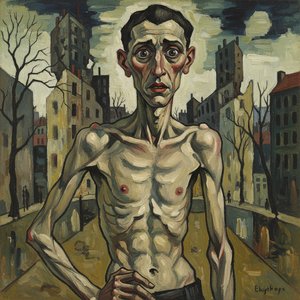
Egon Schiele: Expressionism, Anxiety & the Modern Condition – A Comprehensive Exploration
Explore the emotionally charged world of Egon Schiele (1890-1918). Discover his Expressionist masterpieces, psychological themes, and lasting impact on modern art. A comprehensive guide for collectors & enthusiasts.

Golden Hues: 10 Masterpieces Dominated by Chrome Yellow | OriginalUniqueArt
Immerse yourself in golden light! Explore 10 famous paintings dominated by 'Chrome Yellow', from Van Gogh’s Sunflowers to Monet's Haystacks. Discover the stories behind these iconic Impressionist & Post-Impressionist masterpieces and find museum-quality art reproductions at OriginalUniqueArt.com.
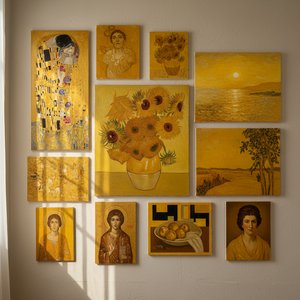
Golden Hues: Top 10 Paintings Dominated by Yellow Ochre |
Explore 10 iconic paintings bathed in golden yellow ochre! From Van Gogh's sunflowers to Monet’s haystacks, discover the stories behind these masterpieces. Find museum-quality art reproductions & elevate your home decor on .
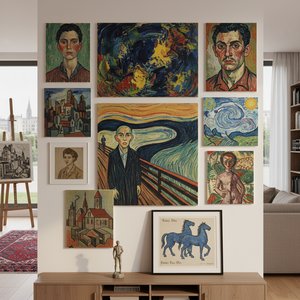
Ekspresionizmo Deimantai: 10 Šedevrai Jūsų Namų Dekorui
Atraskite ekspresionizmo šedevrus! 10 įtakingiausių meno kūrinių, atskleisiančių Muncho, Kirchnerio ir kitų meistrų emocijas. Išmokite apie tapybos stilius bei spalvų paletę. Aukščiausios kokybės dailės reprodukcijos jūsų namams – OriginalUniqueArt.com.