Peržiūrėti realaus dydžio版
 Siųsti
 Dalintis
 Išsamiau
 Vadovas

 Atsisiųsti
 Panašūs eksponatai
 Rentgeno spindulių nuotrauka
 Diaporama
 Statistika
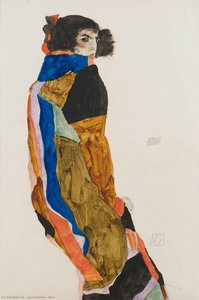
Sitting Woman
 Acrylic On Canvas
- WallArt
- Expressionist Style
 1918
1918- Early Medieval
 44.0 x 29.0 cm
 Rodyti daugiau
Giclée / Meno spausdinimas
Muziejų lygio „giclée“ arba drobos spausdinimas: greita gamyba ir lankstios apdailos parinktys. ( Pirkti rankomis tapytą reprodukciją Perejti prie skaitmeninių vaizdų)




P118B €10

P118H €10

P118W €10

P438Z €10

P508JH €12

P508YH €12

P805H €10

P805Z €10

P919BZ €10

P919G €10

P919XJ €10

P959ZH €10

P968JZ €12

W106C €8

W218G €10

W218JH €8

W218Y €10

W307PJ €10

W316G €10

W316PJ €8

W316Y €10

W398PJ €8

W4111J €10

W500HY €15

W500JH €15

W692G €12

W849H €8

W940BG €15

W953PJ €8




Pasirinkite iš mūsų nustatytų dydžių, atitinkančių originalaus meno kūrinio proporcijas.

Įveskite jums reikiamą plotį ir aukštį, kad atvaizdas derėtų prie jūsų rėmo ar sienos. Spausdiną galima tik sumažinti, bet nepadidinti virš originalaus paveikslėlio dydžio, todėl keičiant proporcijas, dalis vaizdo prarandama. Prieš spausdinimą atsiųsime jums skaitmeninį maketą patvirtinimui. Šioje puslapio nuotraukoje matomas pjūvis nėra tikslus – jį rodo tik maketas.
Pristatymas visame pasaulyje () per 2 weeks, o ne įprastas 4/5 savaičių laikotarpis. (22 spalis)

Nemokamas greitasis pristatymas visame pasaulyje

Aukštos kokybės lininis drobė

Pilnas siuntimo draudimas

Muitinės mokesčių grąžinimo garantija

Tikro spalvų atitikimo garantija

100 dienų grąžinimo politika (tik esant įtaigoms)

100% pinigų grąžinimo garantija

Nuolaida dideliems užsakymams
 Stiklo variantas prieinamas tik pasirinkus dydį iki 110 cm

Sitting Woman
Giclée / Meno spausdinimas
Reprodukcijos dydis
-


Visų pasirinktų variantų kaina
€ 70
A Portrait of Vulnerability: Egon Schiele’s “Sitting Woman”
Egon Schiele's "Sitting Woman," created in 1918, isn’t merely a depiction of a seated figure; it’s a raw and intensely personal exploration of the human condition. Rendered in delicate pencil on paper, this intimate drawing captures a moment suspended between quiet contemplation and unspoken sorrow – a hallmark of Schiele's signature Expressionist style. The year 1918 was a pivotal one for the artist, a time of immense personal loss and creative upheaval, mirroring the painting’s palpable sense of melancholy. Schiele’s life, tragically cut short at just nineteen, was marked by illness, familial tragedy, and a profound awareness of mortality; these themes consistently permeate his work, offering viewers an unsettling yet compelling glimpse into the artist's psyche.
The Anatomy of Emotion: Style and Technique
Schiele’s technique in “Sitting Woman” is deceptively simple, yet profoundly effective. He eschews bold colors for the muted tones of graphite, allowing the texture of the paper to contribute significantly to the image's mood. The elongated figure, characteristic of Schiele’s style, possesses a haunting fragility. Notice how he renders the limbs – subtly distorted and almost skeletal – conveying a sense of vulnerability and perhaps even impending collapse. The use of cross-hatching creates an incredible depth and shadow play, drawing the viewer into the woman's space, inviting us to share in her quiet solitude. The artist’s signature, placed discreetly at the bottom, feels like a final, intimate gesture – a testament to his presence within this intensely personal work.
Symbolism of the Heart: A Layered Narrative
The most arresting element of “Sitting Woman” is undoubtedly the heart-shaped tattoo adorning her chest. This isn’t simply a decorative detail; it's a potent symbol, laden with layers of meaning. In Schiele’s oeuvre, hearts frequently represent both love and loss – a poignant reminder of his own father’s death from syphilis. The placement on the body suggests an intimate connection to the self, perhaps hinting at suppressed emotions or a yearning for connection. It could also be interpreted as a symbol of vulnerability, exposing the heart—both literally and figuratively—to the world. The woman's posture itself – legs crossed, head slightly bowed – further reinforces this sense of introspection and quiet suffering.
Echoes of Vienna: Context and Influence
“Sitting Woman” is firmly rooted in the artistic landscape of early 20th-century Vienna. Schiele was deeply influenced by artists like Gustav Klimt, but he forged his own distinct path, rejecting decorative excess in favor of raw emotion and psychological depth. The painting reflects the anxieties and uncertainties of a period marked by social upheaval and burgeoning modernist thought. It’s important to consider this historical context when viewing the work; Schiele was grappling with questions of identity, mortality, and the changing role of the individual within society. His exploration of these themes resonates powerfully even today. For those interested in exploring more works by Schiele, The National Gallery Prague holds a significant collection, offering a comprehensive overview of his artistic journey.
OriginalUniqueArt offers meticulously crafted hand-painted reproductions of “Sitting Woman,” allowing you to bring this extraordinary piece into your home or office. Each reproduction is created with the same care and attention to detail as the original, capturing the painting’s haunting beauty and emotional intensity. Explore our collection today and experience the power of Schiele's vision firsthand.
问答 (or more naturally for a website heading): Klausimai ir atsakymai
Kaip „Sitting Woman“ tema susiję su įprastomis Egon Šylė tematikos temos?
Dažniausios Egon Šylė temas apima expressionist angst, mortality obsession, vienna’s psychological undercurrents”, “personal loss, vulnerability themes”, “autobiographical exploration, self-portraiture”, “fragmented form; kūrinys „Sitting Woman“ susitelkia į woman, tattoo, pencil, vulnerability, intimacy, mortality, expressionism.
Kokia „Sitting Woman“, autorius – Egon Šylė emocinė nuotaika?
„Sitting Woman“, autorius – Egon Šylė perteikia Melancholic emocinę nuotaiką.
Kokią nasytintį ir intensyvumą demonstruoja „Sitting Woman“, autorius – Egon Šylė?
Kūrinys „Sitting Woman“, autorius – Egon Šylė užfiksuotas su Balanced Soft nasyginimu ir Vivid intensyvumu.
Autoriaus biografija
Egon Schiele
Austrijos pozicija dviejų pasaulinio karo horizonte buvo labai abejojanti: vienu metu ji buvo šiek tiek iš Šiaurės į rytus, lengvai įsitikinusi veiksmų vyrai. Mažėjęs šalis po 1918 m., beveik visiškai neišplitusi tarptautiniu pasauliu buvo lengvai įvykdinta Hitlerio Reichui 1938 m.; meno srityje tai reiškė kad modernizmo istorija buvo išvykstanti nuo Šiaurės iki pietų, su pagrindiniu dėmesiu į formą. Vokelių šiek tiek pripažino ekspresionizmą kaip svarbų meno srovę; jis buvo vienas iš žymiausius austrių artistas XX amžiaus pradžioje – kartu su Gustavu Klimtu ir Oskar Kokoschka išvykę į Vieną buvo laikomas vienu iš Žyduvo šimtmečio svarbiausių vizualinių menininkų.
Gyvenimas
Egonas Šylė gimė 1890 m. vasario 3 d. Tulne, Austrijoje. Jo tėvas Adolfas Šylė buvo Tulno geležinkelio stoties direktorius ir gimė 1851 m. Vienoje Adolfo Šyly tevai turėjo tris jaunesnes seseris: Elvirą, Melaniją ir Gertrūdą. Elvira mirė vaikyste dėl gimtinių sifiliso. Jo tėvas buvo užsikrėtęs sifiliu įsimėlynėje savo jaunystės metais po vienos jo naujosios žmonos išėjimo iš kambario.
Meno vystymasis
Šylė mokytojo Christian Griepenkerl įtaką išgyveno Vienoje 1907 m. ir G. Klimtas tapo jo svarbiu rėmėju. Šylė paliko akademiją 1906 m., nes jos mokymo metodai buvo labai konservatyvus, ir įkūrė Naują austrių dailės grupę 1909 m. Grupėje vyravo ekspresionistinė estetika, kuri iššūkiant šiuolaikinėms kultūros normas.
Žymūs kūriniai
Šylė buvo vienas iš žymiausius austrių artistas XX amžiaus pradžioje – kartu su Gustavu Klimtu ir Oskar Kokoschka išvykę į Vieną buvo laikomas vienu iš Žyduvo šimtmečio svarbiausių vizualinių menininkų. Šylė buvo ekspresionizmo meno srovės atstovas.
Žymūs veiksniai
Šylė buvo žinomas dėl savo iššūkiantį įžiūrą į pasaulio problemas ir šiuolaikinę estetika, kuri iššūkiant šiuolaikinėms kultūros normas. Šylė buvo ekspresionizmo meno srovės atstovas.

Egon Šylė
1890 - 1918 , Austrija
Trumpa informacija apie kūrėją
- Artistic Movement Or Style: Ekspresionizmas
- Artists Who Influenced This Artist: ['Gustavas Klimtas']
- Date Of Birth: 1890 m.
- Date Of Death: 1918 m.
- Full Name: Egon Schiele
- Nationality: Austras
- Notable Artworks:
- Savęs portretas su fizižalis
- Porą įemčianti
- Žemės apėjimų kraštovaizdis
- Place Of Birth: Tulnas, Austrija
Susiję straipsniai
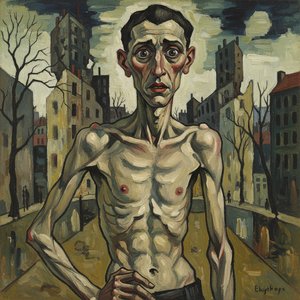
Egon Schiele: Expressionism, Anxiety & the Modern Condition – A Comprehensive Exploration
Explore the emotionally charged world of Egon Schiele (1890-1918). Discover his Expressionist masterpieces, psychological themes, and lasting impact on modern art. A comprehensive guide for collectors & enthusiasts.
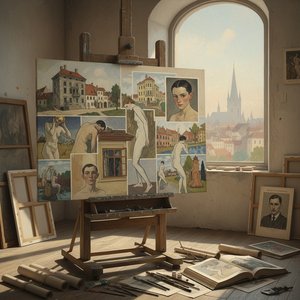
Egon Schiele: 25 Šedevrai, Atspindintys Menininko Sielą | OriginalUniqueArt.lt
Atraskite 25 įspūdingiausius Egon Schiele šedevrus! Gilinkitės į ekspresionizmo pasaulį, portretų istorijas ir unikalią menininko spalvų paletę. Aukštos kokybės reprodukcijos interjerui – OriginalUniqueArt.lt
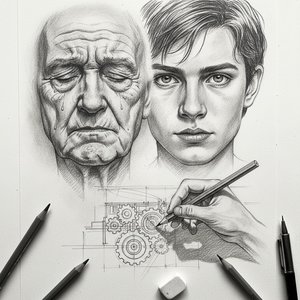
The Nuances of Graphite: Exploring Emotional Depth & Technical Mastery in Pencil Drawing
Explore the captivating world of graphite drawing! Discover its rich history, master essential techniques like chiaroscuro, and learn how artists evoke emotion through this timeless medium. Expert insights for art enthusiasts.
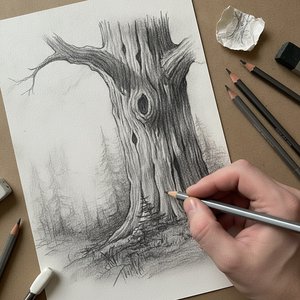
The Power of Graphite: Mastering Depth, Texture, and Detail in the Art of Pencil Drawing
Explore the profound artistry of graphite drawing. Discover professional techniques for mastering depth, texture, and detail through a lens of art history, from classical sketches to modern masterpieces. Elevate your understanding of the pencil medium with our expert guide.
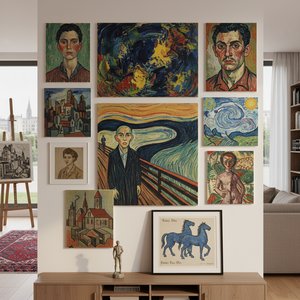
Ekspresionizmo Deimantai: 10 Šedevrai Jūsų Namų Dekorui
Atraskite ekspresionizmo šedevrus! 10 įtakingiausių meno kūrinių, atskleisiančių Muncho, Kirchnerio ir kitų meistrų emocijas. Išmokite apie tapybos stilius bei spalvų paletę. Aukščiausios kokybės dailės reprodukcijos jūsų namams – OriginalUniqueArt.com.