 Peržiūrėti realybėje
 Pasidalinti
 Dalintis
 Išsamiau

 Atsisiųsti
 Panašūs eksponatai
 Rentgeno nuotrauka
 Automatinė diorama
 Statistika
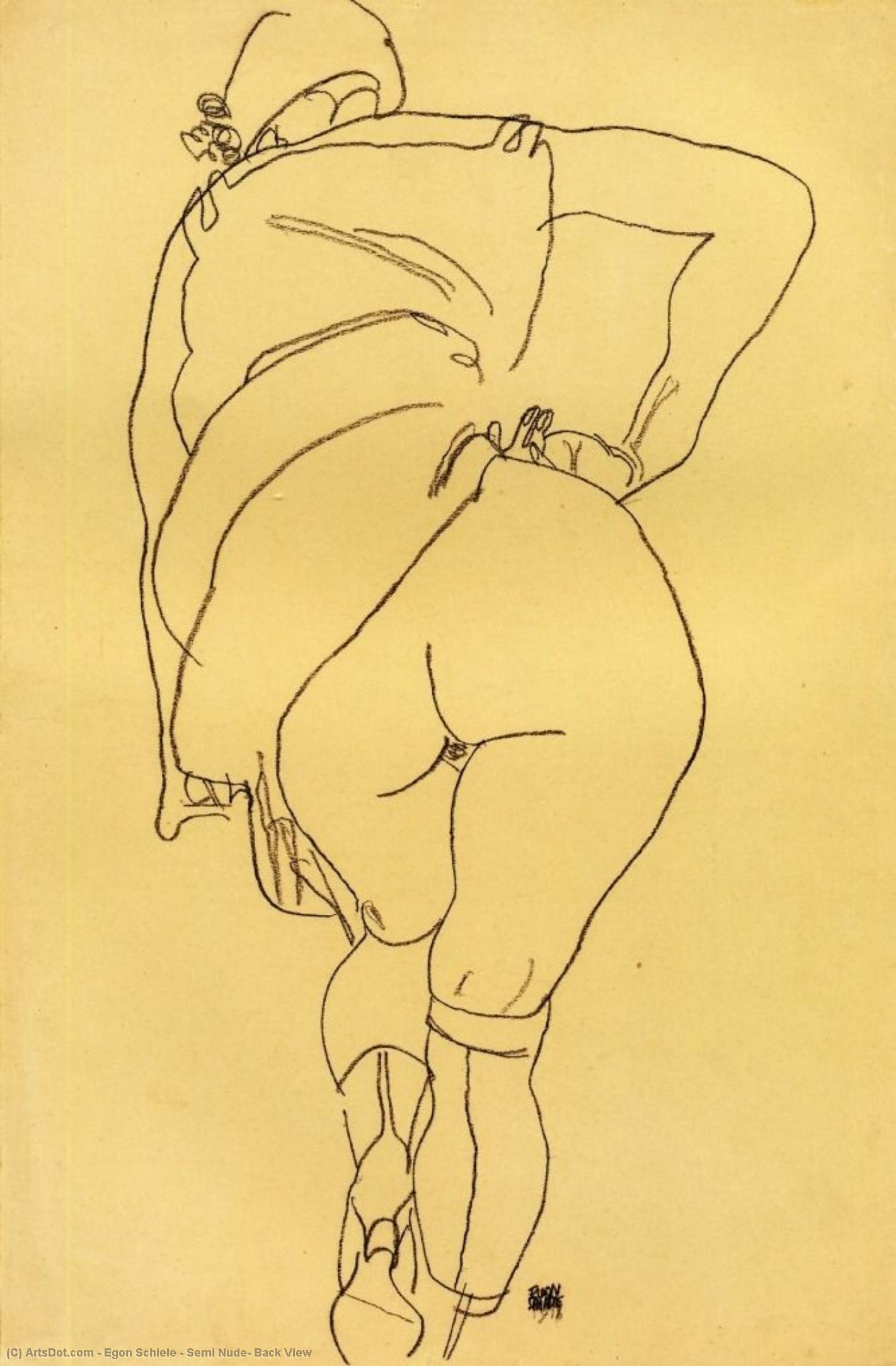
Semi Nude, Back View
 Drawing
- WallArt
- Expressionism
 1918
1918- Early Medieval
 49.0 x 31.0 cm
 Skaityti daugiau
Giclée / Meno spausdinimas
Muziejų lygio „giclée“ arba drobos spausdinimas: greita gamyba ir lankstios apdailos parinktys. ( Pirkti rankomis tapytą paveikslą Perejti prie skaitmeninio vaizdo)




P118B $10

P118H $10

P118W $10

P438Z $10

P508JH $12

P508YH $12

P805H $10

P805Z $10

P919BZ $10

P919G $10

P919XJ $10

P959ZH $10

P968JZ $12

W106C $8

W218G $10

W218JH $8

W218Y $10

W307PJ $10

W316G $10

W316PJ $8

W316Y $10

W398PJ $8

W4111J $10

W500HY $15

W500JH $15

W692G $12

W849H $8

W940BG $15

W953PJ $8




Pasirinkite iš mūsų nustatytų dydžių, atitinkančių originalaus meno kūrinio proporcijas.

Galite nurodyti savo matmenis, kad vaizdas atitiktų konkretų rėmą ar erdvę. Jei pasirinktas dydis nesutaps su originalaus paveikslėlio proporcijomis, mes arba apkirpsime kūrinį, arba išplėsime vaizdą naudojant veideliu atspindėtą arba vientisą šoną. Skaitmeninis maketas bus išsiųstas jums patvirtinti prieš pradedant gamybą.
Atkreipkite dėmesį, kad ekrane matomas vaizdinys neatspindi tikrojo apkirpimo ar išplėtimo. Tik maketas tiksliai parodytų galutinę kompoziciją.
Nors galima rinktis ir individualius dydžius, rekomenduojame pasirinkti vieną iš išanksti nustatytų matmenų, kad būtų išlaikytos originalios proporcijos.
Pristatymas visame pasaulyje () per 2 weeks, o ne įprastas 4/5 savaičių laikotarpis. (12 rugsėjis)

Nemokamas greitasis pristatymas visame pasaulyje

Aukštos kokybės lininis drobė

Pilnas siuntimo draudimas

Muitinės mokesčių grąžinimo garantija

Tikro spalvų atitikimo garantija

100 dienų grąžinimo politika (tik esant įtaigoms)

100% pinigų grąžinimo garantija

Nuolaida už kelias reprodukcijas
 Stiklo variantas prieinamas tik pasirinkus dydį iki 110 cm

Semi Nude, Back View
Giclée / Meno spausdinimas
Reprodukcijos matmenys
-


Galutinė kaina
$ 80
A Moment Frozen in Line: Egon Schiele’s “Semi Nude, Back View”
Egon Schiele's "Semi Nude, Back View," created in 1918, isn’t merely a depiction of the human form; it’s a raw, intensely personal exploration of vulnerability and mortality. Born into a world grappling with profound change – the dawn of Expressionism was reshaping artistic sensibilities – Schiele channeled his own turbulent experiences into a style characterized by unsettling honesty and an almost unbearable emotional weight. This particular drawing, rendered in delicate pencil strokes, offers a poignant glimpse into the artist’s psyche, capturing a fleeting moment that speaks volumes about the anxieties and uncertainties of the era.
The work immediately draws the eye with its stark simplicity. The subject, viewed from behind, is presented with an arresting directness. A substantial figure, rendered with bold, decisive lines, occupies most of the composition. Her posture, subtly turned towards the viewer, hints at a quiet contemplation, perhaps even a hint of apprehension. The suggestion of a hand resting lightly on her hip adds to this sense of contained energy – a gesture both vulnerable and defiant. It’s crucial to note that Schiele deliberately avoids idealization; there's no attempt to smooth or soften the contours of the body. Instead, he embraces the irregularities, the slight imperfections, amplifying the feeling of genuine presence.
The Language of Expressionism
Schiele’s choice of pencil as his medium is integral to the work’s impact. The grainy texture and visible marks of the drawing process imbue the image with a remarkable intimacy. It feels less like a finished product and more like a captured impression, a fleeting moment rendered in charcoal. This technique aligns perfectly with the tenets of Expressionism – an artistic movement that sought to convey subjective emotions rather than objective reality. Schiele wasn’t interested in replicating the external world; he was striving to translate his inner experience onto the page. The loose, almost frantic quality of the lines mirrors the emotional intensity he aimed to evoke.
The minimalist background further emphasizes the subject's isolation and vulnerability. It serves as a blank canvas, allowing the viewer’s attention to remain entirely focused on the figure. This deliberate absence of distraction reinforces the sense that we are witnessing a private, deeply personal moment. The stark contrast between the dark silhouette of the woman and the pale expanse behind her creates a dramatic effect, heightening the emotional impact.
Symbolism and Context
Considering the historical context in which “Semi Nude, Back View” was created – 1918, a year marked by the end of World War I and widespread social upheaval – it’s not surprising that themes of mortality and fragility permeate the work. Schiele's own life was tragically cut short at the age of 28, succumbing to illness just months after completing this drawing. The prevalence of trains in his art, a recurring motif, can be interpreted as a symbol of movement, transition, and perhaps even a yearning for escape – themes that resonate deeply within the context of a world undergoing rapid transformation.
The work’s influence extends beyond Schiele himself. His exploration of the human form, particularly its emotional resonance, paved the way for subsequent generations of artists. Pieces like “Edge of Town” and “femme au corsage vert 1913” demonstrate his continued fascination with capturing psychological states through simplified forms and expressive lines. Collectors interested in exploring Schiele’s broader oeuvre might find the National Gallery of Slovenia's collection, featuring works by Expressionist masters, a valuable resource.
Bringing “Semi Nude, Back View” Home
A hand-painted reproduction of "Semi Nude, Back View" offers a unique opportunity to experience Schiele’s profound artistry in your own space. OriginalUniqueArt meticulously recreates the drawing's delicate lines and evocative atmosphere, capturing the essence of this emotionally charged masterpiece. The 49 x 31 cm size makes it ideal for adding a touch of introspective beauty to any room – whether as a statement piece in a study or a subtle accent in a living area. More than just an image, this reproduction is a window into the soul of one of art history’s most compelling figures.
Autoriaus biografija
Egon Schiele
Austrijos pozicija dviejų pasaulinio karo horizonte buvo labai abejojanti: vienu metu ji buvo šiek tiek iš Šiaurės į rytus, lengvai įsitikinusi veiksmų vyrai. Mažėjęs šalis po 1918 m., beveik visiškai neišplitusi tarptautiniu pasauliu buvo lengvai įvykdinta Hitlerio Reichui 1938 m.; meno srityje tai reiškė kad modernizmo istorija buvo išvykstanti nuo Šiaurės iki pietų, su pagrindiniu dėmesiu į formą. Vokelių šiek tiek pripažino ekspresionizmą kaip svarbų meno srovę; jis buvo vienas iš žymiausius austrių artistas XX amžiaus pradžioje – kartu su Gustavu Klimtu ir Oskar Kokoschka išvykę į Vieną buvo laikomas vienu iš Žyduvo šimtmečio svarbiausių vizualinių menininkų.
Gyvenimas
Egonas Šylė gimė 1890 m. vasario 3 d. Tulne, Austrijoje. Jo tėvas Adolfas Šylė buvo Tulno geležinkelio stoties direktorius ir gimė 1851 m. Vienoje Adolfo Šyly tevai turėjo tris jaunesnes seseris: Elvirą, Melaniją ir Gertrūdą. Elvira mirė vaikyste dėl gimtinių sifiliso. Jo tėvas buvo užsikrėtęs sifiliu įsimėlynėje savo jaunystės metais po vienos jo naujosios žmonos išėjimo iš kambario.
Meno vystymasis
Šylė mokytojo Christian Griepenkerl įtaką išgyveno Vienoje 1907 m. ir G. Klimtas tapo jo svarbiu rėmėju. Šylė paliko akademiją 1906 m., nes jos mokymo metodai buvo labai konservatyvus, ir įkūrė Naują austrių dailės grupę 1909 m. Grupėje vyravo ekspresionistinė estetika, kuri iššūkiant šiuolaikinėms kultūros normas.
Žymūs kūriniai
Šylė buvo vienas iš žymiausius austrių artistas XX amžiaus pradžioje – kartu su Gustavu Klimtu ir Oskar Kokoschka išvykę į Vieną buvo laikomas vienu iš Žyduvo šimtmečio svarbiausių vizualinių menininkų. Šylė buvo ekspresionizmo meno srovės atstovas.
Žymūs veiksniai
Šylė buvo žinomas dėl savo iššūkiantį įžiūrą į pasaulio problemas ir šiuolaikinę estetika, kuri iššūkiant šiuolaikinėms kultūros normas. Šylė buvo ekspresionizmo meno srovės atstovas.

Egon Šylė
1890 - 1918 , Austrija
Trumpa informacija
- Artistic Movement Or Style: Ekspresionizmas
- Artists Who Influenced This Artist: ['Gustavas Klimtas']
- Date Of Birth: 1890 m.
- Date Of Death: 1918 m.
- Full Name: Egon Schiele
- Nationality: Austras
- Notable Artworks:
- Savęs portretas su fizižalis
- Porą įemčianti
- Žemės apėjimų kraštovaizdis
- Place Of Birth: Tulnas, Austrija
Susiję straipsniai
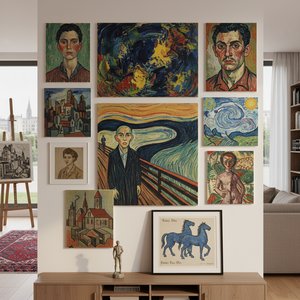
Ekspresionizmo Deimantai: 10 Šedevrai Jūsų Namų Dekorui
Atraskite ekspresionizmo šedevrus! 10 įtakingiausių meno kūrinių, atskleisiančių Muncho, Kirchnerio ir kitų meistrų emocijas. Išmokite apie tapybos stilius bei spalvų paletę. Aukščiausios kokybės dailės reprodukcijos jūsų namams – OriginalUniqueArt.com.
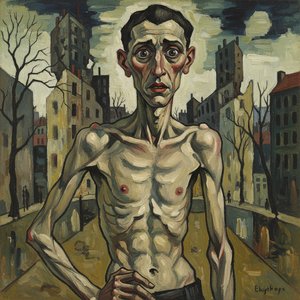
Egon Schiele: Expressionism, Anxiety & the Modern Condition – A Comprehensive Exploration
Explore the emotionally charged world of Egon Schiele (1890-1918). Discover his Expressionist masterpieces, psychological themes, and lasting impact on modern art. A comprehensive guide for collectors & enthusiasts.
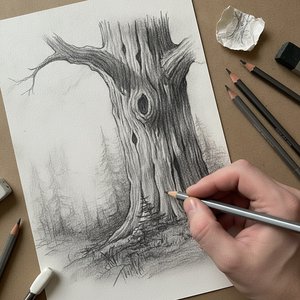
The Power of Graphite: Mastering Depth, Texture, and Detail in the Art of Pencil Drawing
Explore the profound artistry of graphite drawing. Discover professional techniques for mastering depth, texture, and detail through a lens of art history, from classical sketches to modern masterpieces. Elevate your understanding of the pencil medium with our expert guide.
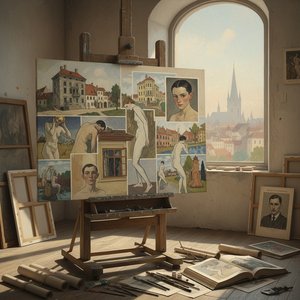
Egon Schiele: 25 Šedevrai, Atspindintys Menininko Sielą | OriginalUniqueArt.lt
Atraskite 25 įspūdingiausius Egon Schiele šedevrus! Gilinkitės į ekspresionizmo pasaulį, portretų istorijas ir unikalią menininko spalvų paletę. Aukštos kokybės reprodukcijos interjerui – OriginalUniqueArt.lt
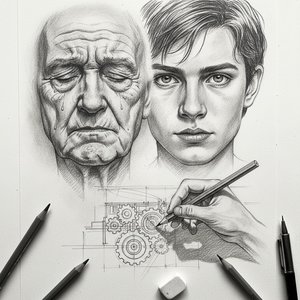
The Nuances of Graphite: Exploring Emotional Depth & Technical Mastery in Pencil Drawing
Explore the captivating world of graphite drawing! Discover its rich history, master essential techniques like chiaroscuro, and learn how artists evoke emotion through this timeless medium. Expert insights for art enthusiasts.