Peržiūrėti realybėje
 Pasidalinti
 Dalintis
 Išsamiau

 Atsisiųsti
 Panašūs eksponatai
 Rentgeno nuotrauka
 Automatinė diorama
 Statistika
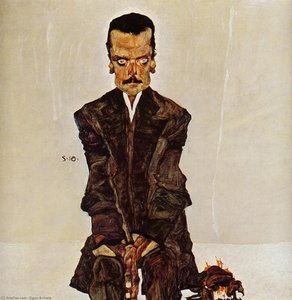
Self-Portrait with Eyelid Pulled Down, 1910


 Skaityti daugiau
Rankų darbo aliejinės reprodukcijos
Rankiniu būdu tapytas aliejus ant droblio jūsų pageidaujamame dydį ir rėmuose – mūsų menininkų darbas pagal užsakymą. ( Perejti prie spausdinimo Perejti prie skaitmeninio vaizdo)




P118B $10

P118H $10

P118W $10

P438Z $10

P508JH $12

P508YH $12

P805H $10

P805Z $10

P919BZ $10

P919G $10

P919XJ $10

P959ZH $10

P968JZ $12

W106C $8

W218G $10

W218JH $8

W218Y $10

W307PJ $10

W316G $10

W316PJ $8

W316Y $10

W398PJ $8

W4111J $10

W500HY $15

W500JH $15

W692G $12

W849H $8

W940BG $15

W953PJ $8




Pasirinkite iš mūsų nustatytų dydžių, atitinkančių originalaus meno kūrinio proporcijas.

Galite įvesti savo matmenis, kad jie atitiktų konkretų rėmą ar erdvę. Jei pasirinktas dydis neatitinka originalaus paveikslėlio proporcijų, mes arba apkropsime meno kūrinį, arba papildysime tapybą rankomis dažytい elementais. Prieš pradėdami gamybą, jūsų patvirtinimui atsiųsime skaitmeninį maketą.
Atkreipkite dėmesį, kad ekrane rodomas vaizdas neatspindi tikrojo apkarpymo ar papildymo. Tik maketas tiksliai parodys galutinę kompoziciją.
Nors galima rinktis ir individualius dydžius, rekomenduojame pasirinkti matmenis iš nustatytos sąrašo, kad būtų išlaikytos originalios proporcijos.
Gavus užsakymą, OriginalUniqueArt.com komanda susisieks su klientu el. paštu dėl instrukcijų ir pateiks maketo pavyzdį.
Pristatymas visame pasaulyje () per 3–4 savaites, o ne įprastai – per 5 savaites. (12 rugsėjis). Kokybė lieka nepakeičiama.

Nemokamas greitasis pristatymas visame pasaulyje

Aukštos kokybės lininis drobė

Pilnas siuntimo draudimas

Muitinės mokesčių grąžinimo garantija

Tikro spalvų atitikimo garantija

100 dienų grąžinimo politika (tik esant įtaigoms)

100% pinigų grąžinimo garantija

Nuolaida už kelias reprodukcijas
 Stiklo variantas prieinamas tik pasirinkus dydį iki 110 cm

Self-Portrait with Eyelid Pulled Down, 1910
Reprodukcijos technika
Reprodukcijos matmenys
-


Galutinė kaina
$ 300
A Portrait of Anguish: Unpacking Egon Schiele’s ‘Self-Portrait with Eyelid Pulled Down’
Egon Schiele's 1910 self-portrait, “Self-Portrait with Eyelid Pulled Down,” is not merely a depiction of an individual; it’s a raw and unsettling excavation of the human psyche. Painted during a period of intense personal turmoil for the artist – a time marked by illness, loss, and a growing awareness of mortality – this watercolor captures a profound sense of vulnerability and introspection rarely found in portraiture of the era. The image immediately confronts us with an arresting visual: a man, his hand instinctively shielding his face, his eyelid deliberately lowered as if to shut out the world. This isn’t a pose of shame or concealment, but rather one of guarded sorrow, a deliberate act of self-protection against an overwhelming emotional burden.
The Shadow of Loss and Artistic Expression
Born in 1890 in Tulln an der Donau, Austria – a region steeped in both artistic tradition and personal tragedy – Schiele’s early life was profoundly shaped by loss. The untimely death of his father from syphilis at the age of fourteen cast a long shadow over his existence, fueling within him a preoccupation with themes of decay, illness, and the ephemeral nature of life. This experience is palpably present in “Self-Portrait,” manifesting not just as an intellectual concept but as a visceral emotional state. The lowered eyelid can be interpreted as a physical manifestation of this grief, a deliberate attempt to block out the pain and suffering that permeated his world. His sister Elvira’s early death further compounded these anxieties, contributing to the artist's increasingly dark and introspective artistic output.
Technique and the Language of Watercolor
Schiele’s mastery lies in his unconventional use of watercolor. He eschewed the smooth, polished surfaces favored by many of his contemporaries, opting instead for a technique characterized by loose washes, visible brushstrokes, and an almost frantic energy. The colors are muted – predominantly browns, grays, and ochres – reflecting the somber mood of the subject. Notice how he builds up layers of pigment, creating a sense of depth and texture that is both unsettling and captivating. The lack of precise detail forces the viewer to focus on the emotional intensity conveyed through the artist’s expressive lines and the subtle shifts in color. The watercolor medium itself lends an immediacy and fragility to the image, mirroring the vulnerability he seems to embody.
Symbolism: A Mask of Pain
Beyond the immediate depiction of a man shielding his face, “Self-Portrait” is rich with symbolic meaning. The hand covering the mouth or nose suggests a suppression of words, an inability to articulate the depths of his suffering. It’s a gesture of isolation and withdrawal from the world. The downward-turned eyelid itself is particularly potent – it can be seen as representing a shutting down of perception, a refusal to confront reality. The overall composition feels claustrophobic, drawing the viewer into Schiele's internal landscape. Interestingly, recurring motifs of trains appear in his work, perhaps symbolizing journeys—both literal and metaphorical—through life’s uncertainties and dangers. This self-portrait stands as a testament to Schiele’s willingness to expose the darkest corners of the human experience, offering a glimpse into an artist grappling with profound personal demons.
OriginalUniqueArt offers meticulously crafted hand-painted reproductions of “Self-Portrait with Eyelid Pulled Down,” allowing you to bring this powerful and emotionally resonant artwork into your home or office. Each reproduction captures the nuances of Schiele’s technique and the haunting beauty of his vision, providing a tangible connection to one of the most significant figures in early 20th-century Expressionism.
Autoriaus biografija
Egon Schiele
Austrijos pozicija dviejų pasaulinio karo horizonte buvo labai abejojanti: vienu metu ji buvo šiek tiek iš Šiaurės į rytus, lengvai įsitikinusi veiksmų vyrai. Mažėjęs šalis po 1918 m., beveik visiškai neišplitusi tarptautiniu pasauliu buvo lengvai įvykdinta Hitlerio Reichui 1938 m.; meno srityje tai reiškė kad modernizmo istorija buvo išvykstanti nuo Šiaurės iki pietų, su pagrindiniu dėmesiu į formą. Vokelių šiek tiek pripažino ekspresionizmą kaip svarbų meno srovę; jis buvo vienas iš žymiausius austrių artistas XX amžiaus pradžioje – kartu su Gustavu Klimtu ir Oskar Kokoschka išvykę į Vieną buvo laikomas vienu iš Žyduvo šimtmečio svarbiausių vizualinių menininkų.
Gyvenimas
Egonas Šylė gimė 1890 m. vasario 3 d. Tulne, Austrijoje. Jo tėvas Adolfas Šylė buvo Tulno geležinkelio stoties direktorius ir gimė 1851 m. Vienoje Adolfo Šyly tevai turėjo tris jaunesnes seseris: Elvirą, Melaniją ir Gertrūdą. Elvira mirė vaikyste dėl gimtinių sifiliso. Jo tėvas buvo užsikrėtęs sifiliu įsimėlynėje savo jaunystės metais po vienos jo naujosios žmonos išėjimo iš kambario.
Meno vystymasis
Šylė mokytojo Christian Griepenkerl įtaką išgyveno Vienoje 1907 m. ir G. Klimtas tapo jo svarbiu rėmėju. Šylė paliko akademiją 1906 m., nes jos mokymo metodai buvo labai konservatyvus, ir įkūrė Naują austrių dailės grupę 1909 m. Grupėje vyravo ekspresionistinė estetika, kuri iššūkiant šiuolaikinėms kultūros normas.
Žymūs kūriniai
Šylė buvo vienas iš žymiausius austrių artistas XX amžiaus pradžioje – kartu su Gustavu Klimtu ir Oskar Kokoschka išvykę į Vieną buvo laikomas vienu iš Žyduvo šimtmečio svarbiausių vizualinių menininkų. Šylė buvo ekspresionizmo meno srovės atstovas.
Žymūs veiksniai
Šylė buvo žinomas dėl savo iššūkiantį įžiūrą į pasaulio problemas ir šiuolaikinę estetika, kuri iššūkiant šiuolaikinėms kultūros normas. Šylė buvo ekspresionizmo meno srovės atstovas.

Egon Šylė
1890 - 1918 , Austrija
Trumpa informacija
- Artistic Movement Or Style: Ekspresionizmas
- Artists Who Influenced This Artist: ['Gustavas Klimtas']
- Date Of Birth: 1890 m.
- Date Of Death: 1918 m.
- Full Name: Egon Schiele
- Nationality: Austras
- Notable Artworks:
- Savęs portretas su fizižalis
- Porą įemčianti
- Žemės apėjimų kraštovaizdis
- Place Of Birth: Tulnas, Austrija
Susiję straipsniai
Egon Schiele: 25 Šedevrai, Atspindintys Menininko Sielą | OriginalUniqueArt.lt
Atraskite 25 įspūdingiausius Egon Schiele šedevrus! Gilinkitės į ekspresionizmo pasaulį, portretų istorijas ir unikalią menininko spalvų paletę. Aukštos kokybės reprodukcijos interjerui – OriginalUniqueArt.lt

Ephemeral Visions: Exploring the History & Emotional Resonance of Watercolor Painting
Explore the captivating history of watercolor painting, from ancient techniques to modern masters like Kandinsky & Blake. Discover essential artists, collecting tips & the emotional power of this luminous medium. Expert insights for art enthusiasts.

Watercolor Wonders: 10 Masterpieces That Redefined Art History | OriginalUniqueArt
Journey through 10 legendary watercolor masterpieces by Sargent, Turner & Homer! Explore iconic landscapes, portraits & floral art that redefined history. Find museum-quality reproductions and curated decor ideas at OriginalUniqueArt.com.

Ephemeral Visions: Exploring the Artistic Legacy & Contemporary Practice of Watercolor Painting
Explore the captivating world of watercolor painting! Discover its rich history, essential techniques, influential artists & collecting tips. A comprehensive guide for art enthusiasts from OriginalUniqueArt.
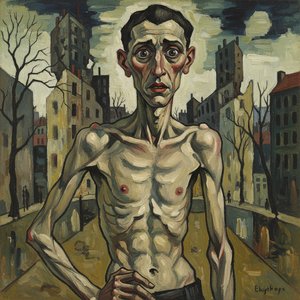
Egon Schiele: Expressionism, Anxiety & the Modern Condition – A Comprehensive Exploration
Explore the emotionally charged world of Egon Schiele (1890-1918). Discover his Expressionist masterpieces, psychological themes, and lasting impact on modern art. A comprehensive guide for collectors & enthusiasts.