Peržiūrėti realaus dydžio版
 Pasidalinti
 Dalintis
 Išsamiau
 Vadovas

 Atsisiųsti
 Panašūs eksponatai
 Rentgeno spindulių nuotrauka
 Automatinė diorama
 Q&A
Q&A Statistika
Secession 49. Exhibition

- 48.0 x 63.0 cm


 Skaityti daugiau
Giclée / Meno spausdinimas
Muziejų lygio „giclée“ arba drobos spausdinimas: greita gamyba ir lankstios apdailos parinktys. ( Pirkti rankų darbo tapybą Perejti prie skaitmeninių vaizdų)




P118B €10

P118H €10

P118W €10

P438Z €10

P508JH €12

P508YH €12

P805H €10

P805Z €10

P919BZ €10

P919G €10

P919XJ €10

P959ZH €10

P968JZ €12

W106C €8

W218G €10

W218JH €8

W218Y €10

W307PJ €10

W316G €10

W316PJ €8

W316Y €10

W398PJ €8

W4111J €10

W500HY €15

W500JH €15

W692G €12

W849H €8

W940BG €15

W953PJ €8




Pasirinkite iš mūsų nustatytų dydžių, atitinkančių originalaus meno kūrinio proporcijas.

Įveskite jums reikiamą plotį ir aukštį, kad atvaizdas derėtų prie jūsų rėmo ar sienos. Spausdiną galima tik sumažinti, bet nepadidinti virš originalaus paveikslėlio dydžio, todėl keičiant proporcijas, dalis vaizdo prarandama. Prieš spausdinimą atsiųsime jums skaitmeninį maketą patvirtinimui. Šioje puslapio nuotraukoje matomas pjūvis nėra tikslus – jį rodo tik maketas.
Pristatymas visame pasaulyje () per 2 weeks, o ne įprastas 4/5 savaičių laikotarpis. (31 spalis)

Nemokamas greitasis pristatymas visame pasaulyje

Aukštos kokybės lininis drobė

Pilnas siuntimo draudimas

Muitinės mokesčių grąžinimo garantija

Tikro spalvų atitikimo garantija

100 dienų grąžinimo politika (tik esant įtaigoms)

100% pinigų grąžinimo garantija

Nuolaida dideliems užsakymams
 Stiklo variantas prieinamas tik pasirinkus dydį iki 110 cm

Secession 49. Exhibition
Giclée / Meno spausdinimas
Reprodukcijos matmenys
-


Bendroji kaina
€ 71
A Window into Viennese Modernity
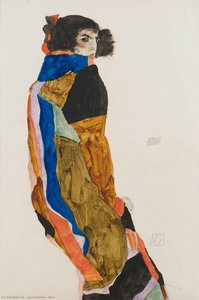
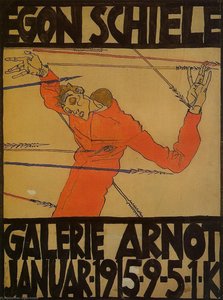
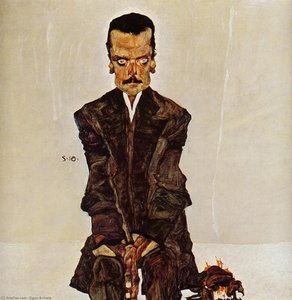
In the hauntingly beautiful Secession 49. Exhibition, Egon Schiele invites us into a moment of profound stillness amidst the social currents of 1918 Vienna. This evocative work serves as much more than a mere depiction of a café scene; it is a psychological landscape captured in monochrome. As we gaze upon the figures gathered around the dining table, we are not met with the polished elegance of traditional portraiture, but rather with an unsettling realism that defines the very essence of Expressionism. The composition breathes with a quiet tension, where every seated guest and every empty chair seems to hold a secret, contributing to a visual distillation of the anxiety and introspection that gripped the European psyche during the twilight of the Great War.
The technical mastery of Schiele is on full display through his signature linear draughtsmanship. The painting is characterized by bold, angular lines that slice through the space, creating a sense of dynamic energy that paradoxically heightens the stillness of the room. By utilizing a monochromatic palette—primarily deep, somber shades of grey—Schiele strips away the distractions of color to expose the raw, emotional marrow of the scene. This deliberate reduction of tone forces the viewer to focus on the interplay of light and shadow, the sharp contours of the figures, and the heavy atmosphere that hangs over the table like a shroud.
Symbolism and the Fragility of Existence
Beyond its formal brilliance, the painting is rich with symbolic resonance. Schiele frequently utilized scattered objects to mirror the internal state of his subjects, and here, the placement of various vases throughout the scene serves as a poignant metaphor for vulnerability. Much like the fragile porcelain they hold, the individuals in this café appear caught in a moment of precarious existence, surrounded by a world that is rapidly fracturing under the weight of political and social upheaval. The presence of everyday items—cups, bowls, and books—contrasts sharply with the underlying sense of unease, suggesting that even within the most mundane social interactions, the specter of mortality and change is ever-present.
For the discerning collector or interior designer, this piece offers a sophisticated emotional depth that transcends mere decoration. It is an artwork that demands contemplation, making it a powerful centerpiece for spaces designed for reflection and intellectual engagement. A high-quality reproduction of this masterpiece allows one to bring the brooding elegance of the Vienna Secession into a modern setting, providing a focal point that is both historically significant and aesthetically arresting. To possess such a work is to hold a fragment of history—a window into a period where art dared to confront the darkest corners of the human soul with unflinching honesty.
Klausimai ir atsakymai
Ką vaizduoja „Secession 49. Exhibition“ – Egon Šylė ir kokią nuota sukelia?
„Secession 49. Exhibition“ – Egon Šylė sujungia dining table, vienna secession, portraiture, conversation, floral arrangement, black white painting, human figure ir Dramatic atmosferą.
Kuriame namų kambaryje gerai tiktų „Secession 49. Exhibition“ reprodukcija?
Rekomenduojama erdvė kūriniui „Secession 49. Exhibition“ – Egon Šylė yra Restaurant. Šią rekomendaciją, žinoma, galima pritaikyti prie jūsų interjero.
Kokia buvo „Secession 49. Exhibition“ kūrimo metai ir kokiam stiliui jis priklauso?
„Secession 49. Exhibition“ – Egon Šylė sukurta 1918 m. ir priklauso Expressionist Painting stiliui.
Autoriaus biografija
Egon Schiele
Austrijos pozicija dviejų pasaulinio karo horizonte buvo labai abejojanti: vienu metu ji buvo šiek tiek iš Šiaurės į rytus, lengvai įsitikinusi veiksmų vyrai. Mažėjęs šalis po 1918 m., beveik visiškai neišplitusi tarptautiniu pasauliu buvo lengvai įvykdinta Hitlerio Reichui 1938 m.; meno srityje tai reiškė kad modernizmo istorija buvo išvykstanti nuo Šiaurės iki pietų, su pagrindiniu dėmesiu į formą. Vokelių šiek tiek pripažino ekspresionizmą kaip svarbų meno srovę; jis buvo vienas iš žymiausius austrių artistas XX amžiaus pradžioje – kartu su Gustavu Klimtu ir Oskar Kokoschka išvykę į Vieną buvo laikomas vienu iš Žyduvo šimtmečio svarbiausių vizualinių menininkų.
Gyvenimas
Egonas Šylė gimė 1890 m. vasario 3 d. Tulne, Austrijoje. Jo tėvas Adolfas Šylė buvo Tulno geležinkelio stoties direktorius ir gimė 1851 m. Vienoje Adolfo Šyly tevai turėjo tris jaunesnes seseris: Elvirą, Melaniją ir Gertrūdą. Elvira mirė vaikyste dėl gimtinių sifiliso. Jo tėvas buvo užsikrėtęs sifiliu įsimėlynėje savo jaunystės metais po vienos jo naujosios žmonos išėjimo iš kambario.
Meno vystymasis
Šylė mokytojo Christian Griepenkerl įtaką išgyveno Vienoje 1907 m. ir G. Klimtas tapo jo svarbiu rėmėju. Šylė paliko akademiją 1906 m., nes jos mokymo metodai buvo labai konservatyvus, ir įkūrė Naują austrių dailės grupę 1909 m. Grupėje vyravo ekspresionistinė estetika, kuri iššūkiant šiuolaikinėms kultūros normas.
Žymūs kūriniai
Šylė buvo vienas iš žymiausius austrių artistas XX amžiaus pradžioje – kartu su Gustavu Klimtu ir Oskar Kokoschka išvykę į Vieną buvo laikomas vienu iš Žyduvo šimtmečio svarbiausių vizualinių menininkų. Šylė buvo ekspresionizmo meno srovės atstovas.
Žymūs veiksniai
Šylė buvo žinomas dėl savo iššūkiantį įžiūrą į pasaulio problemas ir šiuolaikinę estetika, kuri iššūkiant šiuolaikinėms kultūros normas. Šylė buvo ekspresionizmo meno srovės atstovas.

Egon Šylė
1890 - 1918 , Austrija
Trumpa informacija
- Artistic Movement Or Style: Ekspresionizmas
- Artists Who Influenced This Artist: ['Gustavas Klimtas']
- Date Of Birth: 1890 m.
- Date Of Death: 1918 m.
- Full Name: Egon Schiele
- Nationality: Austras
- Notable Artworks:
- Savęs portretas su fizižalis
- Porą įemčianti
- Žemės apėjimų kraštovaizdis
- Place Of Birth: Tulnas, Austrija
Susiję straipsniai
Expressionist Painting: 10 Masterpieces That Defined a Movement | OriginalUniqueArt
Explore 10 Expressionist paintings that revolutionized art! Discover Munch, Kirchner & Kandinsky's iconic works. Find museum-quality reproductions and vibrant canvas prints to elevate your home decor on OriginalUniqueArt.com.
Egon Schiele: 25 Šedevrai, Atspindintys Menininko Sielą | OriginalUniqueArt.lt
Atraskite 25 įspūdingiausius Egon Schiele šedevrus! Gilinkitės į ekspresionizmo pasaulį, portretų istorijas ir unikalią menininko spalvų paletę. Aukštos kokybės reprodukcijos interjerui – OriginalUniqueArt.lt
Mastering Minimalist Elegance: An Expert Decorator’s Guide to Transforming Spaces with Modern Line Art
Elevate your interior design projects with the effortless sophistication of modern line art. Our expert guide explores how minimalist contours and custom-made masterpieces can transform any space into a curated sanctuary. Discover professional tips for creating impactful, elegant walls.

The Power of the Line: An Art-Historical Exploration of Minimalist Elegance and Graphic Impact
Embark on a sophisticated journey through the history of line drawing. From classical mastery to modern minimalism, explore how the power of the line shapes emotion and space in fine art. Discover expert insights for collectors and enthusiasts of graphic elegance.

The Power of One Hue: Mastering Monochrome Art for Sophisticated and Timeless Interiors
Elevate your interiors with the profound elegance of monochrome art. Explore OriginalUniqueArt.com’s curated collection of hand-painted oil reproductions and bespoke commissions, designed to bring sophisticated simplicity and timeless texture to every professional design project.