Peržiūrėti realaus dydžio版
 Siųsti
 Dalintis
 Išsamiau
 Vadovas

 Atsisiųsti
 Panašūs eksponatai
 Rentgeno spindulių nuotrauka
 Diaporama
 Statistika
schiele sebastian


 Rodyti daugiau
Giclée / Meno spausdinimas
Muziejų lygio „giclée“ arba drobos spausdinimas: greita gamyba ir lankstios apdailos parinktys. ( Pirkti rankomis tapytą reprodukciją Perejti prie skaitmeninių vaizdų)




P118B €10

P118H €10

P118W €10

P438Z €10

P508JH €12

P508YH €12

P805H €10

P805Z €10

P919BZ €10

P919G €10

P919XJ €10

P959ZH €10

P968JZ €12

W106C €8

W218G €10

W218JH €8

W218Y €10

W307PJ €10

W316G €10

W316PJ €8

W316Y €10

W398PJ €8

W4111J €10

W500HY €15

W500JH €15

W692G €12

W849H €8

W940BG €15

W953PJ €8




Pasirinkite iš mūsų nustatytų dydžių, atitinkančių originalaus meno kūrinio proporcijas.

Įveskite jums reikiamą plotį ir aukštį, kad atvaizdas derėtų prie jūsų rėmo ar sienos. Spausdiną galima tik sumažinti, bet nepadidinti virš originalaus paveikslėlio dydžio, todėl keičiant proporcijas, dalis vaizdo prarandama. Prieš spausdinimą atsiųsime jums skaitmeninį maketą patvirtinimui. Šioje puslapio nuotraukoje matomas pjūvis nėra tikslus – jį rodo tik maketas.
Pristatymas visame pasaulyje () per 2 weeks, o ne įprastas 4/5 savaičių laikotarpis. (24 spalis)

Nemokamas greitasis pristatymas visame pasaulyje

Aukštos kokybės lininis drobė

Pilnas siuntimo draudimas

Muitinės mokesčių grąžinimo garantija

Tikro spalvų atitikimo garantija

100 dienų grąžinimo politika (tik esant įtaigoms)

100% pinigų grąžinimo garantija

Nuolaida dideliems užsakymams
 Stiklo variantas prieinamas tik pasirinkus dydį iki 110 cm

schiele sebastian
Giclée / Meno spausdinimas
Reprodukcijos dydis
-


Visų pasirinktų variantų kaina
€ 70
Egon Schiele’s “Schiele Sebastian”: A Portrait of Anguish and Artistic Identity
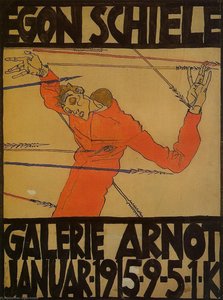
Egon Schiele's "Schiele Sebastian," a pivotal work within his extensive body of nude portraits, stands as a haunting testament to the artist’s unique vision and the turbulent emotional landscape of early 20th-century Expressionism. Painted in 1914, this arresting image transcends mere representation; it delves into the depths of psychological complexity, embodying Schiele's fascination with mortality, vulnerability, and the very act of artistic creation itself. The painting’s power resides not just in its subject matter – a man seemingly restrained by unseen forces – but in the intensely expressive lines, vibrant colors, and palpable sense of unease that permeate every inch of the canvas.
Born in Tulln an der Donau in 1890, Schiele’s life was tragically cut short at just 28 years old during World War I. His early experiences – marked by illness, loss (particularly the death of his father from syphilis), and a somewhat controlling upbringing – profoundly shaped his artistic sensibility. These formative hardships fueled an exploration of themes like suffering, sexuality, and the ephemeral nature of existence, all rendered with unflinching honesty and raw emotion. “Schiele Sebastian” can be interpreted as a deeply personal reflection on these anxieties, a visual embodiment of Schiele’s own struggles and his perception of the artist's condition.
A Study in Twisted Form and Expressive Line
Technically, "Schiele Sebastian" is a masterclass in Expressionist technique. The figure is rendered with deliberately distorted proportions – limbs elongated, torso compressed – creating an immediate sense of unease and instability. Schiele’s signature use of bold, gestural brushstrokes dominates the composition, injecting a dynamic energy that contrasts sharply with the man's apparent vulnerability. Notice how the lines seem to writhe and twist around the body, mirroring the internal turmoil he conveys. The color palette is equally arresting: vibrant reds and yellows dominate, punctuated by darker tones that heighten the sense of drama and foreboding. The use of impasto – thick application of paint – adds a tactile quality, emphasizing the physicality of the artist’s hand and his engagement with the medium.
Schiele's approach to portraiture was revolutionary for its time. He moved away from traditional notions of idealized beauty, instead focusing on capturing the essence of his subjects—often himself—with an uncompromising gaze. He wasn’t interested in flattering appearances; he sought to expose the raw nerves and hidden anxieties beneath the surface. The ropes and restraints surrounding Sebastian aren't merely decorative elements; they symbolize the constraints imposed by societal expectations, personal demons, and perhaps even the very act of artistic creation itself – a struggle to break free from limitations.
Symbolism and the Artist’s Self-Portrait
The painting resonates deeply with Schiele’s broader body of work, particularly his self-portraits. “Schiele Sebastian” can be viewed as an extension of this recurring motif, exploring themes of vulnerability, mortality, and the artist's relationship to his own image. The figure’s outstretched arms suggest a desperate plea for release, a yearning to transcend the confines of his physical form. The presence of the ropes evokes biblical imagery – specifically, the story of Saint Sebastian, martyred by arrows. This allusion adds layers of meaning, connecting Schiele's work to a tradition of suffering and sacrifice.
Interestingly, this painting is part of a series of nude portraits that Schiele created during this period, often depicting himself or members of his circle. These works were frequently met with controversy due to their frank depiction of sexuality and unconventional approach to artistic conventions. However, they remain among the most iconic examples of Expressionist art, offering a powerful glimpse into the artist’s psyche and the anxieties of the era. The Albertina museum in Vienna houses many of Schiele's works, including related pieces that further illuminate his artistic trajectory.
OriginalUniqueArt’s Authentic Reproduction
At OriginalUniqueArt, we are dedicated to preserving the integrity and impact of masterworks like “Schiele Sebastian.” Our skilled artists meticulously recreate each brushstroke and color palette using archival-quality materials, ensuring an authentic representation of Schiele's original vision. We understand that owning a reproduction is more than just acquiring a print; it’s about connecting with a piece of art history and experiencing its emotional resonance firsthand. Explore our collection of Egon Schiele reproductions to bring this powerful image into your home or office – a testament to the enduring legacy of an extraordinary artist.
- High-Quality Materials: Archival canvas, pigments, and framing options for lasting beauty.
- Detailed Recreation: Our artists painstakingly replicate Schiele’s unique brushwork and color palette.
- Authentic Size Options: Available in a range of sizes to suit your space and budget.
Discover Egon Schiele’s ‘Self Portrait as St. Sebastian,’ a powerful Expressionist poster…
问答 (or more naturally for a website heading): Klausimai ir atsakymai
Kokią nuotaiką „schiele sebastian“, autorius – Egon Šylė išreiškia Expressionism kontekste?
„schiele sebastian“ pasižymi Melancholic emociniu tonu, priklausančiu Expressionism stiliui.
Kokią vietą Egon Šylė pasikartojančių temų tarėje užima „schiele sebastian“?
Tarp užfiksuotų Egon Šylė temų – vienna secession, expressionist style, mortality, suffering, psychological depth, early 20th-century sexuality themes, self-portraiture, personal exploration – kūrinys „schiele sebastian“ akcentuoja nudity, sexuality, suffering, restraint, arrows, martyrdom, expressionism, austria.
Kokia spalva labiausiai išsiskiria kūryniame „schiele sebastian“?
Dominuojanti „schiele sebastian“, autorius – Egon Šylė spalva yra Mahogany (#a9551d).
Autoriaus biografija
Egon Schiele
Austrijos pozicija dviejų pasaulinio karo horizonte buvo labai abejojanti: vienu metu ji buvo šiek tiek iš Šiaurės į rytus, lengvai įsitikinusi veiksmų vyrai. Mažėjęs šalis po 1918 m., beveik visiškai neišplitusi tarptautiniu pasauliu buvo lengvai įvykdinta Hitlerio Reichui 1938 m.; meno srityje tai reiškė kad modernizmo istorija buvo išvykstanti nuo Šiaurės iki pietų, su pagrindiniu dėmesiu į formą. Vokelių šiek tiek pripažino ekspresionizmą kaip svarbų meno srovę; jis buvo vienas iš žymiausius austrių artistas XX amžiaus pradžioje – kartu su Gustavu Klimtu ir Oskar Kokoschka išvykę į Vieną buvo laikomas vienu iš Žyduvo šimtmečio svarbiausių vizualinių menininkų.
Gyvenimas
Egonas Šylė gimė 1890 m. vasario 3 d. Tulne, Austrijoje. Jo tėvas Adolfas Šylė buvo Tulno geležinkelio stoties direktorius ir gimė 1851 m. Vienoje Adolfo Šyly tevai turėjo tris jaunesnes seseris: Elvirą, Melaniją ir Gertrūdą. Elvira mirė vaikyste dėl gimtinių sifiliso. Jo tėvas buvo užsikrėtęs sifiliu įsimėlynėje savo jaunystės metais po vienos jo naujosios žmonos išėjimo iš kambario.
Meno vystymasis
Šylė mokytojo Christian Griepenkerl įtaką išgyveno Vienoje 1907 m. ir G. Klimtas tapo jo svarbiu rėmėju. Šylė paliko akademiją 1906 m., nes jos mokymo metodai buvo labai konservatyvus, ir įkūrė Naują austrių dailės grupę 1909 m. Grupėje vyravo ekspresionistinė estetika, kuri iššūkiant šiuolaikinėms kultūros normas.
Žymūs kūriniai
Šylė buvo vienas iš žymiausius austrių artistas XX amžiaus pradžioje – kartu su Gustavu Klimtu ir Oskar Kokoschka išvykę į Vieną buvo laikomas vienu iš Žyduvo šimtmečio svarbiausių vizualinių menininkų. Šylė buvo ekspresionizmo meno srovės atstovas.
Žymūs veiksniai
Šylė buvo žinomas dėl savo iššūkiantį įžiūrą į pasaulio problemas ir šiuolaikinę estetika, kuri iššūkiant šiuolaikinėms kultūros normas. Šylė buvo ekspresionizmo meno srovės atstovas.

Egon Šylė
1890 - 1918 , Austrija
Trumpa informacija apie kūrėją
- Artistic Movement Or Style: Ekspresionizmas
- Artists Who Influenced This Artist: ['Gustavas Klimtas']
- Date Of Birth: 1890 m.
- Date Of Death: 1918 m.
- Full Name: Egon Schiele
- Nationality: Austras
- Notable Artworks:
- Savęs portretas su fizižalis
- Porą įemčianti
- Žemės apėjimų kraštovaizdis
- Place Of Birth: Tulnas, Austrija
Susiję straipsniai
Expressionist Painting: 10 Masterpieces That Defined a Movement | OriginalUniqueArt
Explore 10 Expressionist paintings that revolutionized art! Discover Munch, Kirchner & Kandinsky's iconic works. Find museum-quality reproductions and vibrant canvas prints to elevate your home decor on OriginalUniqueArt.com.
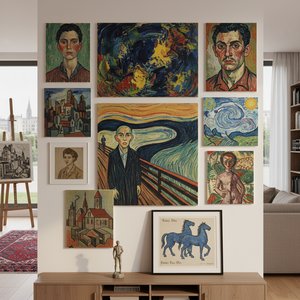
Ekspresionizmo Deimantai: 10 Šedevrai Jūsų Namų Dekorui
Atraskite ekspresionizmo šedevrus! 10 įtakingiausių meno kūrinių, atskleisiančių Muncho, Kirchnerio ir kitų meistrų emocijas. Išmokite apie tapybos stilius bei spalvų paletę. Aukščiausios kokybės dailės reprodukcijos jūsų namams – OriginalUniqueArt.com.
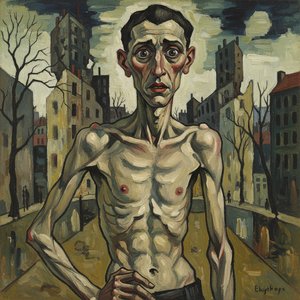
Egon Schiele: Expressionism, Anxiety & the Modern Condition – A Comprehensive Exploration
Explore the emotionally charged world of Egon Schiele (1890-1918). Discover his Expressionist masterpieces, psychological themes, and lasting impact on modern art. A comprehensive guide for collectors & enthusiasts.

Crimson Threads of Narrative: Exploring Symbolism & Representation in Artworks Featuring the Red Dress
Explore the rich symbolism of the red dress in art history! From ancient power displays to iconic portraits like Cézanne’s 'Madame Cezanne', discover the cultural and artistic significance behind this captivating color. Expert analysis & insights.
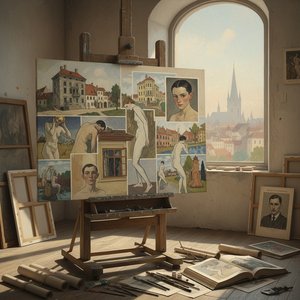
Egon Schiele: 25 Šedevrai, Atspindintys Menininko Sielą | OriginalUniqueArt.lt
Atraskite 25 įspūdingiausius Egon Schiele šedevrus! Gilinkitės į ekspresionizmo pasaulį, portretų istorijas ir unikalią menininko spalvų paletę. Aukštos kokybės reprodukcijos interjerui – OriginalUniqueArt.lt