Teksto dydis

() ·

Jūsų paties, rankumių darbas

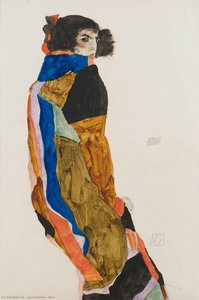
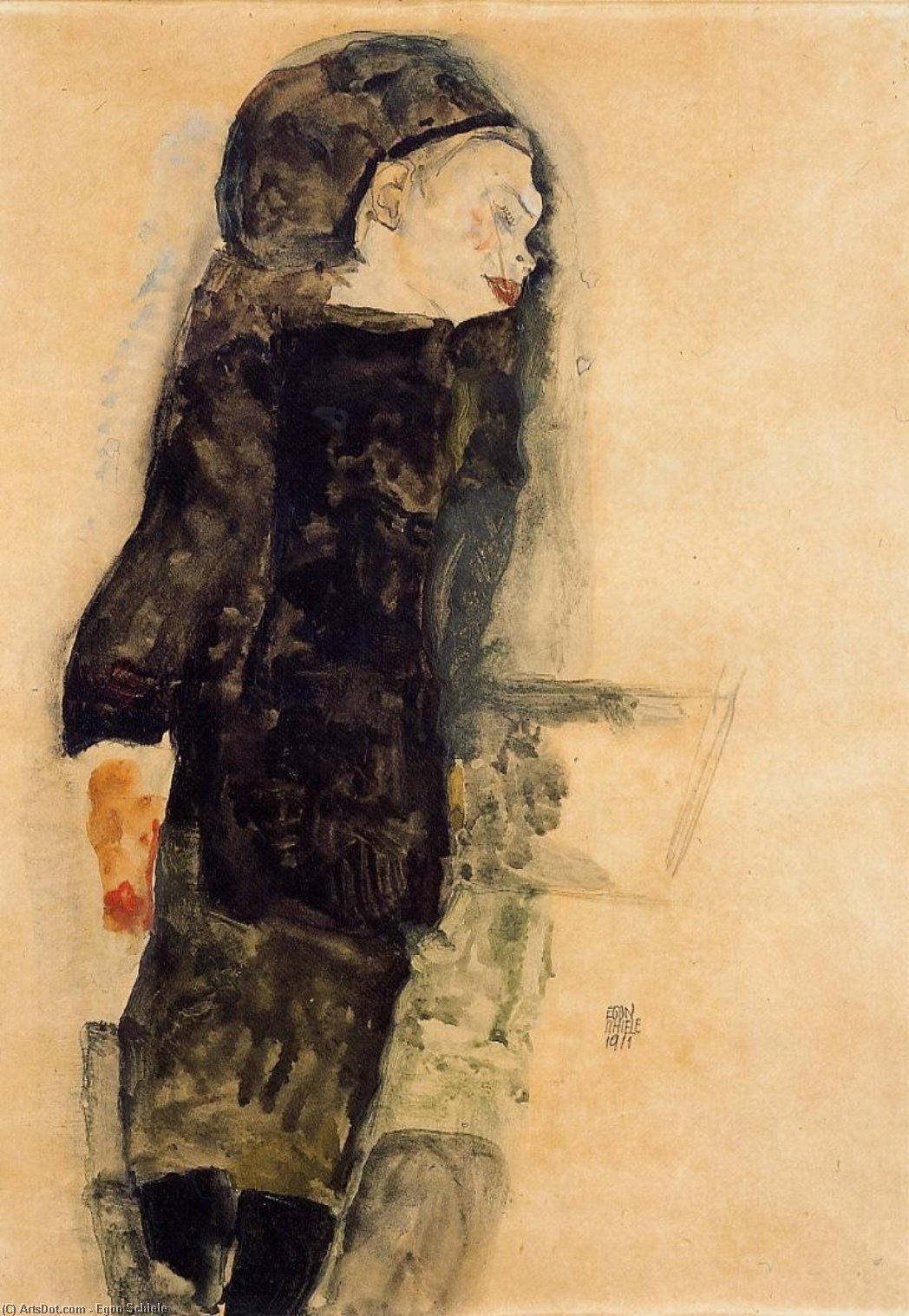
Child in Black

Rankų darbo aliejinės reprodukcijos

Rankiniu būdu tapytas aliejus ant droblio jūsų pageidaujamame dydį ir rėmuose – tai mūsų menininkų pagal užsakymą sukurtas darbas. ( Perjungti į spausdinamus版作品 Perejti prie skaitmeninių vaizdų)

Kolekcinio objekto aprašas

Witness Egon Schiele's haunting 'Child in Black.' This watercolor captures a young figure amidst a somber setting, reflecting the artist’s Expressionist style and exploration of mortality. A poignant portrait from 1911.

Autoriaus biografija

Egon Šylė – Austrių ekspresionizmo dailininkas. Žiūrėkite į jo reikšmę Vienoje ir pasaulyje! Ekspresionistinio meno srovės atstovas, žinomas dėl savo psichologinės gilumo ir išraiškos.

nuo ·

1 skyrius

Kokio dydžio turėtų būti?

Slinkite, kad pakeistumėte dydį; kairėje pusėje esančiame paveikslėlyje rodomas tikrasis rėmo plotis. Originalios proporcijų išlaikomos.

Standartinis dydis
pagal užsakymą
CM
INCH

Pasirinkite iš mūsų nustatytų dydžių, atitinkančių originalaus meno kūrinio proporcijas.

plotis
aukštis

Įveskite jums reikiamą plotį ir aukštį, kad paveikslas atitiktų jūsų rėmą ar sieną. Kadangi šis darbas yra rankinio darbo, siekiant išgauti kitokios formos dydį, paveikslas gali būti šiek tiek didesnis (nuo kraštų bus palikta daugiau erdvės) arba mažesnis – pasirinkite jums patogiausią variantą. Prieš pradedant tapyti, atsiųsime jums skaitmeninį maketą patvirtinimui. Šioje puslapio nuotraukoje matomas vaizdas nėra galutinis rezultatas – jį parodys tik sukurtas maketas.

2 skyrius

Kokia būda yra siunčiamas?

Pasirinkite ištempto drobės kraštus

Pasirinkite rėmelį

Corner sample of the WhiteWrap canvas edge finish, stretched on solidus medžio

**Improved version:**
solidus medis bars
Baltas apasutojimas €1
Corner sample of the BlurSideWrap canvas edge finish, stretched on solidus medžio

**Improved version:**
solidus medis bars
Išblėstantis šonas €1
Corner sample of the ExtendedWrap canvas edge finish, stretched on solidus medžio

**Improved version:**
solidus medis bars
Išplėstinis €1
Corner sample of the P118B picture frame: lieto polistirolo detalės, 5 cm wide and 3 cm thick
P118B €10
Corner sample of the P118H picture frame: lieto polistirolo detalės, 5 cm wide and 3 cm thick
P118H €10
Corner sample of the P118W picture frame: lieto polistirolo detalės, 5 cm wide and 3 cm thick
P118W €10
Corner sample of the P438Z picture frame: lieto polistirolo detalės, 5.5 cm wide and 3.5 cm thick
P438Z €10
Corner sample of the P508JH picture frame: lieto polistirolo detalės, 7 cm wide and 3.5 cm thick
P508JH €12
Corner sample of the P508YH picture frame: lieto polistirolo detalės, 7 cm wide and 3.5 cm thick
P508YH €12
Corner sample of the P805H picture frame: lieto polistirolo detalės, 5 cm wide and 3.5 cm thick
P805H €10
Corner sample of the P805Z picture frame: lieto polistirolo detalės, 5 cm wide and 3.5 cm thick
P805Z €10
Corner sample of the P919BZ picture frame: lieto polistirolo detalės, 7 cm wide and 3.5 cm thick
P919BZ €10
Corner sample of the P919G picture frame: lieto polistirolo detalės, 7 cm wide and 3.5 cm thick
P919G €10
Corner sample of the P919XJ picture frame: lieto polistirolo detalės, 7 cm wide and 3.5 cm thick
P919XJ €10
Corner sample of the P959ZH picture frame: lieto polistirolo detalės, 5 cm wide and 3 cm thick
P959ZH €10
Corner sample of the P968JZ picture frame: lieto polistirolo detalės, 6 cm wide and 4 cm thick
P968JZ €12
Corner sample of the W106C picture frame: solidus medžio

**Improved version:**
solidus medis, 5 cm wide and 3 cm thick
W106C €8
Corner sample of the W218G picture frame: solidus medžio

**Improved version:**
solidus medis, 5 cm wide and 3 cm thick
W218G €10
Corner sample of the W218JH picture frame: solidus medžio

**Improved version:**
solidus medis, 5 cm wide and 3 cm thick
W218JH €8
Corner sample of the W218Y picture frame: solidus medžio

**Improved version:**
solidus medis, 5 cm wide and 3 cm thick
W218Y €10
Corner sample of the W307PJ picture frame: solidus medžio

**Improved version:**
solidus medis, 6 cm wide and 3 cm thick
W307PJ €10
Corner sample of the W316G picture frame: solidus medžio

**Improved version:**
solidus medis, 6 cm wide and 3 cm thick
W316G €10
Corner sample of the W316PJ picture frame: solidus medžio

**Improved version:**
solidus medis, 6 cm wide and 3 cm thick
W316PJ €8
Corner sample of the W316Y picture frame: solidus medžio

**Improved version:**
solidus medis, 6 cm wide and 3 cm thick
W316Y €10
Corner sample of the W398PJ picture frame: solidus medžio

**Improved version:**
solidus medis, 5 cm wide and 3 cm thick
W398PJ €8
Corner sample of the W4111J picture frame: solidus medžio

**Improved version:**
solidus medis, 6.5 cm wide and 3.5 cm thick
W4111J €10
Corner sample of the W500HY picture frame: solidus medžio

**Improved version:**
solidus medis, 7 cm wide and 5 cm thick
W500HY €15
Corner sample of the W500JH picture frame: solidus medžio

**Improved version:**
solidus medis, 7 cm wide and 5 cm thick
W500JH €15
Corner sample of the W692G picture frame: solidus medžio

**Improved version:**
solidus medis, 8 cm wide and 4 cm thick
W692G €12
Corner sample of the W849H picture frame: solidus medžio

**Improved version:**
solidus medis, 5 cm wide and 3 cm thick
W849H €8
Corner sample of the W940BG picture frame: solidus medžio

**Improved version:**
solidus medis, 7.5 cm wide and 4.5 cm thick
W940BG €15
Corner sample of the W953PJ picture frame: solidus medžio

**Improved version:**
solidus medis, 6 cm wide and 3.5 cm thick
W953PJ €8
Corner sample of the H24-GOLD picture frame: medžio skulptūra su gipso sluosniu, 10 cm wide and 6 cm thick
H24-GOLD €30
Corner sample of the H24-SILVER picture frame: medžio skulptūra su gipso sluosniu, 10 cm wide and 6 cm thick
H24-SILVER €30
Corner sample of the H36-GOLD picture frame: medžio skulptūra su gipso sluosniu, 15 cm wide and 6.5 cm thick
H36-GOLD €45
Corner sample of the H36-SILVER picture frame: medžio skulptūra su gipso sluosniu, 15 cm wide and 6.5 cm thick
H36-SILVER €45
Rėmo peržiūra
Įrėmintas

Rėmo apvadas: . Bendras dydis su rėmu: .

3 skyrius

Kas jį vaizduoja ir ar turėtų kažkas pasikeisti?

Pavyzdžiai, ką galima pakeisti: pakeisti veidą nuotrauka su klientu; pridėti augintinį (pvz., pakeisti kucingą šuniu); įtraukti paslaptingą žinutę fone; pakeisti fono kraštotvę ar elementus.
Gavus užsakymą, OriginalUniqueArt.com komanda susisieks su klientu el. paštu dėl nurodymų ir pateiks preliminarią maketą.

Pristatymas visame pasaulyje () per 3–4 savaites, o ne įprastai – per 5 savaites. (4 lapkritis). Kokybė lieka nepakeičiama.

4 skyrius

Paskutinės detalės

Pavadinimo plokštelė, kaip muziejuje?

Išgraviruotos bronzinės plokštelės detalės

This elegant plaque features the artist's name and the title of the artwork, finely engraved for a timeless presentation.

It is made from bronze with a refined, elegant finish. The text is precisely laser-engraved for a sharp and permanent result. Measuring 9x2 cm, the plaque is compact yet easy to read. It's built to be durable and scratch-resistant, offering a professional, museum-quality look. Mounting is simple thanks to the included adhesive backing.

Skaidrios akrilo plokštelės informacija

The plaque includes essential engraved details such as the artist's name, the title of the artwork, the date it was created, the type of media used-like oil on canvas or watercolor-a brief description of the piece, and a QR code that links to the complete artwork information.

It is crafted from clear acrylic, offering a sleek, modern appearance. The text is UV-engraved in black to ensure strong visual contrast. With a size of 10x15 cm, it ensures optimal readability. It comes equipped with two metal hooks for secure wall mounting. The plaque is designed to be weather-resistant, making it suitable for various environments, and it includes interactive features that work seamlessly with smartphone scanning.

Juodos akrilo plokštelės informacija

This elegant plaque includes engraved information such as the artist's name, the title of the artwork, the date it was created, the type of media used (like oil on canvas or watercolor), a short description of the artwork, and a QR code for quick access to more information.

The plaque itself is made from refined black acrylic with a premium finish. The text is laser-engraved in white for high contrast and readability. Its size is 10x15 cm, designed to be easy to read. It comes with two metal hooks for professional mounting. The design is sleek and fits any interior style. It is also weather-resistant and durable, with built-in digital integration for mobile compatibility.

Apsauginis lakas?

Kada jums reikia?

5 skyrius

Jūsų paveikslas, tiksliai taip, kaip užsakėte

Child in Black

Reprodukcijos technika

Reprodukcijos matmenys

-

Aukščiausios klasės meistras

Daugiau detalių, meistriškumo ir papildomo gamybos laiko

-

Reprodukcijos rėmėjimo parinktys

-

-

Dėl meno kūrinių ar reprodukcijų, kurių bet kuri pusė yra didesnė nei 105 cm (apie 41 inch), rėmas bus siunčiamas kaip išskaidytas surinkimo rinkinys. Šis metodas užtikrina saugų pristatymą ir apsaugo nuo transportavimo metu galimos žalos.

Reikalingas profesionalus surinkimas – tai nėra „pasidaryk pats“ (DIY) produktas.
Rinkinys turi būti surinktas, o drobė išplėsta naudojant patyrį profesionalų rėmininką, medžio klijus (nėra įtraukti į rinkinį), drobės plėšimo kleslę bei presas, kad rėmo rėžiai išliktų tiesūs, kol klijai išdžiūvus. Netinkamas surinkimas arba netolydus drobės įtampa gali negrįžtamai sugadinti meno kūrinį, todėl šie atvejai nėra užtraukiami mūsų garantijos.

  • Į komplektą įeina visi vientisos medienos elementai, tiksliai išpjauti pagal dydį.

  • Surmontinama naudojant pridėtus varžtus bei papildomai reikalingą medžio kliją kampų jungtims, kuris nėra pridėtas ir turi būti parinktas rėmininkui.

  • Reikalingi profesionalūs įrankiai, kurie nėra įtraukti į rinkinį: drobės kėlimo plytelės (stiprintuvai) ir klemiai, laikantys rėmo strygius tiesiu kampu, kol džiūsta lipas.

Svarbu:
Kampų jungtims reikalingi medžio klijai, barams reikia laikyti naudojant presas, kol klijai visiškai išdžiūvės, o surinktam rėmui įtempiamai privilgti būtinos drobės įtempimo plytযুক্ত. Šios priemonės į rinkinį neįtrauktos. Prieš užsakydami šio dydžio rinkinį, rekomenduojame pasimalkoti patyrusiu rėmų meistru.

Pavadinimo lentelė

-

-

Apsauginis lakas

Blizgus lakas (ryškina spalvas, saugo nuo šviesos ir drėgmės)

-

Personalizuoti kūrinį

Ką galima pakeisti (pavyzdžiui): pakeisti veidą klientui skirta nuotrauka; pridėti augintinį (pvz., katę pakeisti šuniu); įtraukti paslėptą žinutę fone; pakeisti fono kraštovaizdį ar elementus.

-

Skubiai

Pristatymas visame pasaulyje () per 3–4 savaites, o ne įprastai – per 5 savaites. (4 lapkritis). Kokybė lieka nepakeičiama.

-

Skubus pristatymas

Pristatymas visame pasaulyje () per 5 weeks. (11 lapkritis).

Įskaičiuota

Bendroji kaina

€ 268

Visos kainos suma € 268

Stiklo variantas prieinamas tik pasirinkus dydį iki 110 cm

Pridedama prie kiekvieno užsakymo

  • Nemokamas greitasis pristatymas visame pasaulyje
  • Aukštos kokybės lininis drobė
  • Pilnas siuntimo draudimas
  • Muitinės mokesčių grąžinimo garantija
  • Tikro spalvų atitikimo garantija
  • 100 dienų grąžinimo politika (tik esant įtaigoms)
  • 100% pinigų grąžinimo garantija
  • Nuolaida dideliems užsakymams

A Fragmented Soul: Egon Schiele’s ‘Child in Black’

Egon Schiele's “Child in Black,” painted in 1911, isn’t merely a portrait; it’s a distilled essence of anxiety and nascent sexuality, a haunting glimpse into the artist’s intensely personal world. Created during a period of profound upheaval – both personally and within European art – this watercolor captures a young figure, likely a girl, rendered with an unsettling directness that speaks volumes about Schiele's fascination with vulnerability and the darker aspects of human experience. The painting immediately draws the viewer in with its muted palette—a symphony of grays, blacks, and subtle blues—creating an atmosphere of quiet contemplation tinged with unease. It’s a visual embodiment of Expressionism’s core tenets: prioritizing emotional impact over realistic representation.

The Artist's Crucible: Schiele’s Biography and the Shadow of Loss

To truly appreciate “Child in Black,” one must understand the turbulent backdrop against which it was created. Born in 1890 in Tulln an der Donau, Austria, Egon Schiele’s life was tragically shaped by illness and loss from a young age. The death of his father, a railway station master, due to syphilis at just fourteen profoundly impacted him, fueling a lifelong preoccupation with mortality and the fragility of existence. This early trauma, coupled with the subsequent loss of his sister Elvira, instilled in Schiele a deep-seated sense of melancholy and an unflinching gaze upon the human condition. His uncle’s guardianship, marked by control and disapproval of his artistic pursuits, further contributed to his independent spirit and rebellious nature – qualities that would become hallmarks of his work. The painting can be seen as a direct reflection of this internal struggle, a visual manifestation of grief and uncertainty.

Expressionist Techniques: Line, Color, and the Unveiling of Emotion

Schiele’s mastery lies in his distinctive technique—a raw, almost violent application of watercolor. Notice the loose, gestural lines that define the child's form; they aren’t precise or idealized but rather convey a sense of immediacy and emotional intensity. The figure is rendered with an unsettling lack of detail, emphasizing its vulnerability and drawing attention to the subtle shifts in expression—a slight tilt of the head, a downward gaze – that hint at inner turmoil. The use of color is equally deliberate: the dominant blacks and grays create a somber mood, while small touches of blue suggest a melancholic longing. The background, with its indistinct wall and cryptic writing (likely a title or description), further isolates the child, intensifying the sense of loneliness and introspection. It’s a technique that prioritizes feeling over form, echoing the core principles of Expressionism.

Symbolic Resonance: Mortality, Innocence, and the Unspoken

“Child in Black” is rich with symbolic potential. The child herself represents innocence—a fleeting, vulnerable state threatened by the encroaching realities of life and death. The black clothing could symbolize mourning or a sense of impending doom, while the hat adds an element of defiance, suggesting a quiet resistance to the forces that seek to diminish her spirit. The painting’s overall atmosphere evokes a sense of unease, prompting viewers to contemplate themes of mortality, loss, and the complexities of human emotion. It's not a cheerful portrait; it’s a poignant meditation on the darker aspects of existence—a subject Schiele explored relentlessly throughout his tragically short career. The ambiguity surrounding the child’s identity further enhances the painting’s power, inviting viewers to project their own anxieties and interpretations onto the scene.

OriginalUniqueArt offers meticulously crafted hand-painted reproductions of “Child in Black,” allowing you to bring this powerful work of art into your home or office. Each reproduction is created by skilled artists using archival-quality materials, ensuring that it captures the essence and emotional depth of Schiele’s original masterpiece. Explore our collection today and experience the haunting beauty of “Child in Black” firsthand.

Klausimai ir atsakymai

Kokiam istoriniam laikotarpiui priklauso „Child in Black“ – Egon Šylė?

„Child in Black“ priklauso Modern laikotarpiui.

Kokio erdvės spalvos derėtų prie „Child in Black“ – Egon Šylė spalvų?

Dėl savo Neutrals paletės, „„Child in Black“ – Egon Šylė“ rekomenduojamas Living Room. Spalvų derinys yra viena iš šios rekomendacijos priežasčių.

Ar galiu užsisakyti „Child in Black“ aliejinę reprodukciją?

„Child in Black“ galima įsigyti kaip rankomis dažyta aliejaus reprodukcija ant lininio drobos. Užsakymą galite padaryti specialioje Rankų darbo aliejinis reprodukcija puslapio, pasirinkę tinkamą dydį.

Daugiau informacijos apie šį paveikslą

Peržiūrėti realaus dydžio版 Peržiūrėti AR realybėje Perjungti į spausdinamus版作品 Perejti prie skaitmeninių vaizdų Pasidalinti
Išsamiau Vadovas Pridėti į mėgstamiausius Atsisiųsti Panašūs eksponatai Rentgeno spindulių nuotrauka Automatinė diorama 问答 Statistika

Skaičiais

  • 1911metai, kai buvo nupiežta
  • 29pasirinkimo rėmai
  • standartinės dydžio, savo proporcijomis
  • 5savaitės sugryžti ir pristatyti
Egon Šylė

Egon Šylė

1890 - 1918, Austrija

Trumpa informacija apie Egon Šylė

  • Artistic Movement Or Style: Ekspresionizmas
  • Artists Who Influenced This Artist: ['Gustavas Klimtas']
  • Date Of Birth: 1890 m.
  • Date Of Death: 1918 m.
  • Full Name: Egon Schiele
  • Nationality: Austras
  • Notable Artworks:
    • Savęs portretas su fizižalis
    • Porą įemčianti
    • Žemės apėjimų kraštovaizdis
  • Place Of Birth: Tulnas, Austrija

Autoriaus biografija

Egon Schiele

Austrijos pozicija dviejų pasaulinio karo horizonte buvo labai abejojanti: vienu metu ji buvo šiek tiek iš Šiaurės į rytus, lengvai įsitikinusi veiksmų vyrai. Mažėjęs šalis po 1918 m., beveik visiškai neišplitusi tarptautiniu pasauliu buvo lengvai įvykdinta Hitlerio Reichui 1938 m.; meno srityje tai reiškė kad modernizmo istorija buvo išvykstanti nuo Šiaurės iki pietų, su pagrindiniu dėmesiu į formą. Vokelių šiek tiek pripažino ekspresionizmą kaip svarbų meno srovę; jis buvo vienas iš žymiausius austrių artistas XX amžiaus pradžioje – kartu su Gustavu Klimtu ir Oskar Kokoschka išvykę į Vieną buvo laikomas vienu iš Žyduvo šimtmečio svarbiausių vizualinių menininkų.

Gyvenimas

Egonas Šylė gimė 1890 m. vasario 3 d. Tulne, Austrijoje. Jo tėvas Adolfas Šylė buvo Tulno geležinkelio stoties direktorius ir gimė 1851 m. Vienoje Adolfo Šyly tevai turėjo tris jaunesnes seseris: Elvirą, Melaniją ir Gertrūdą. Elvira mirė vaikyste dėl gimtinių sifiliso. Jo tėvas buvo užsikrėtęs sifiliu įsimėlynėje savo jaunystės metais po vienos jo naujosios žmonos išėjimo iš kambario.

Meno vystymasis

Šylė mokytojo Christian Griepenkerl įtaką išgyveno Vienoje 1907 m. ir G. Klimtas tapo jo svarbiu rėmėju. Šylė paliko akademiją 1906 m., nes jos mokymo metodai buvo labai konservatyvus, ir įkūrė Naują austrių dailės grupę 1909 m. Grupėje vyravo ekspresionistinė estetika, kuri iššūkiant šiuolaikinėms kultūros normas.

Žymūs kūriniai

Šylė buvo vienas iš žymiausius austrių artistas XX amžiaus pradžioje – kartu su Gustavu Klimtu ir Oskar Kokoschka išvykę į Vieną buvo laikomas vienu iš Žyduvo šimtmečio svarbiausių vizualinių menininkų. Šylė buvo ekspresionizmo meno srovės atstovas.

Žymūs veiksniai

Šylė buvo žinomas dėl savo iššūkiantį įžiūrą į pasaulio problemas ir šiuolaikinę estetika, kuri iššūkiant šiuolaikinėms kultūros normas. Šylė buvo ekspresionizmo meno srovės atstovas.

Trumpa informacija

  • Artistic style: Portraiture
  • Influences: Klimt
  • Location: Private Collection
  • Title: Child in Black
  • Artist: Egon Schiele

Karo viktorina

Kiekviename klausime yra tik vienas teisingas atsakymas.

Klausimas 1:
What artistic movement is Egon Schiele most associated with?
Klausimas 2:
The painting ‘Child in Black’ likely depicts a scene from which period of Schiele's life?
Klausimas 3:
What medium is predominantly used in ‘Child in Black’?
Klausimas 4:
The background of the painting features a wall with writing. What is the most likely purpose of this detail?
Klausimas 5:
Considering Egon Schiele's biography, what recurring theme is most evident in his work?