Mid Century Modern · 1965
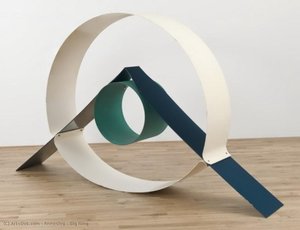
Jump (David Annesley, 1965)
David Annesley (1936) sukūrė Jump. Šis kūrinys datuojamas 1965 m. Šis kūrinys priklaulo Mid Century Modern kieruliui. Pagaminta naudojant Acrylic On Canvas. Eksponatas saugomas Tate Modern Londras, Jungtinė Karalienija.
- 1965
- Acrylic On Canvas
- Tate Modern, Londras

 Peržiūrėti realaus dydžio版

 Rankinio darbo aliejinės imitacijos paveikslas
 Pasidalinti
 Dalintis
 Informacinė l lapelė


 Atsisiųsti
 Panašūs eksponatai
 Rentgeno spindulių nuotrauka
 Automatinė diorama
 问答

 Statistika
Jump, trumpai
- Pavadinimas
- Jump
- Autorius
- David Annesley (1936)
- Dizainere/is gimęs
- London, United Kingdom
- Data
- 1965
- Mediumas
- Acrylic On Canvas
- Kur galima pamatyti
- Tate Modern, Londras, Jungtinė Karalienija
- Judėjimas
- Mid Century Modern
- Tema
- sculpture, abstraction, metal form, dynamic composition, geometric shapes, brick wall backdrop
Ką vaizduoja Jump?
David Annesley’s “Jump”: A Sculpture of Motion and Timeless Elegance
The sculpture "Jump" by David Annesley, created in 1965, stands as a testament to the bold geometric forms that defined British sculpture during the mid-century modern movement. Produced during a period characterized by experimentation with materials and conceptual approaches to art, this piece embodies Annesley’s signature style—a masterful blend of simplicity and dynamism—capturing an enduring fascination with human movement and overcoming obstacles.Form and Composition: Embracing Fluidity Through Geometric Precision
At first glance, “Jump” presents a striking visual paradox. The sculpture comprises three interconnected metal forms – X-Act Swing, Low Loquat, Godroon, Big Ring, Big Yellow Circle, Narrow Blue Circle, Untitled, 3/4/5, and The Window Lock – which appear to defy gravity as they leap over one another. However, these curves aren’t haphazard; rather, they are meticulously crafted using geometric principles that lend the sculpture a surprising sense of stability and balance. Sir Anthony Caro, Annesley's mentor at St Martin’s School of Art, instilled in him the conviction that art should embrace spontaneity while rejecting representational conventions—a philosophy that profoundly shaped Annesley’s artistic vision. The central form dominates the composition, anchoring the other two shapes and creating a visual rhythm that conveys movement without sacrificing structural integrity.Materiality and Technique: Exploring Texture and Light
Annesley skillfully employs polished metal – primarily stainless steel – to achieve remarkable tonal contrast and detail. The surface of each form is treated to accentuate its texture, highlighting the subtle variations in sheen created by directional lighting. This technique—a deliberate departure from traditional sculptural methods—emphasizes materiality as a core element of artistic expression. Furthermore, Annesley’s meticulous attention to scale contributes to the sculpture's impact; it commands attention and invites contemplation on its monumental presence against the backdrop of a textured brick wall.Historical Context: The Legacy of Caro and Mid-Century Modern Aesthetics
“Jump” emerged from a broader artistic landscape influenced by Sir Anthony Caro, whose groundbreaking sculptures championed abstraction and challenged conventional notions of form and space. Caro’s belief that art should prioritize materiality and conceptual exploration resonated deeply with Annesley, propelling him to forge his own distinctive path within the movement. The sculpture reflects the aesthetic sensibilities of mid-century modernism—characterized by clean lines, geometric shapes, and a restrained color palette—representing an optimistic embrace of innovation and a desire to communicate profound ideas through visual language.Symbolic Resonance: Movement Beyond Representation
The title "Jump," coupled with the sculpture’s dynamic forms, speaks to themes of liberation, perseverance, and overcoming adversity. The leaping shapes symbolize aspiration and transcendence, mirroring the human impulse to push boundaries and embrace new possibilities. Simultaneously, the monochromatic palette—primarily shades of gray—contributes to a sense of timelessness, elevating the artwork beyond mere visual spectacle and inviting viewers to engage in introspection on its enduring significance.Emotional Impact: A Sculpture That Inspires Reflection
Ultimately, “Jump” transcends its formal qualities to evoke an emotional response rooted in contemplation and wonder. Its striking simplicity compels us to confront fundamental questions about movement, balance, and the pursuit of excellence—leaving a lasting impression on those who experience its sculptural presence. It serves as a powerful reminder that art can communicate profound ideas through visual language, fostering dialogue and enriching our understanding of human experience.Kuriame muziejuje eksponuojamas karya Jump?
Tate Modern
Londras, Jungtinė Karalienija
Tate Modern istorija ir kilmė Tate Modern buvimas Jungtinėje Karalienijoje, Londone, yra glaudžiai susijęs su pramoninės Southwark skylės istorija. Ši vieta anksčiau buvo užimama Bankside elektrine stotis – konstrukcija, kuri veikė tris dešimtmečius, kol galiausiai nebeveikė. Ekonominiai pokyiai, ypač drastiškas naftos kainų augimas, privertė elektrinę stotį uždaryti 1981 m.


Jump dididraudžios kokybės vaizdai
Protected by copyright: these files are for personal reference, not a licence to republish.
David Annesley, Jump (1965), Tate Modern.
Atsakimai į klausimus apie Jump
Kur šiandien galima pamatyti kūrinį „Jump“ – David Annesley?
Originalus „Jump“ – David Annesley saugomas Tate Modern, Londras, Jungtinė Karalienija. Kopija leidžia šį kūrinį eksponuoti namuose.
Kokia yra „Jump“ – David Annesley kūrybos data?
„Jump“ – David Annesley kūrybos metai – 1965.
Kokia technika panaudota kūriniui „Jump"]?
„Jump“ technika – Acrylic On Canvas.
Ką vaizduoja „Jump“ – David Annesley?
„Jump“ – David Annesley vaizdeletas: sculpture, abstraction, metal form, dynamic composition, geometric shapes, brick wall backdrop, minimalist aesthetic.
Ar „Jump“ yra viešosios teisės kūrinys?
„Jump“ – David Annesley yra vis dar saugoma autorineje teisėje. Šis statusas nustato, kaip galima reprodukcijaus šio kūrinio vaizdą.
Kas sukūrė „Jump“?
„Jump“ priskiriamas David Annesley.
Kokiam stiliui priklauso „Jump“?
„Jump“ yra Mid Century Modern stiliaus kūrinys. Šis dailos kryptis nurodo meninę tradiciją, kurios šis darbas yra dalis.
Kokio David Annesley kūrybos laikotarpio priklauso „Jump“?
„Jump“ atspindi David Annesley kūrybinį laikotarpį Mid Century Modern.
Kiek metų buvo David Annesley, kai sukūrė „Jump“ 1965 m.?
David Annesley buvo 29 metų, kai 1965 m. sukūrė kūrinį „Jump“. Amžius apskaičiuotas remiantis gimimo metais 1936.
Apie šį menininką, David Annesley

1936, United Kingdom
David Annesley
The Sculptural Vision of David Annesley David Annesley stands as a luminous figure within the pantheon of British sculpture, a master of form whose work captures the rhythmic pulse of the mid-century modern era. Born in London in 1936, Annesley’s artistic identity was forged through a global odyssey that saw him traverse the landscapes of Zimbabwe and Australia before returning to the heart of the English art scene. This diverse exposure to different environments and textures provided a rich, foundational layer to his aesthetic sensibility, allowing him to approach the concept of space with a unique, international perspective. His journey is not merely one of geographical movement, but an evolutionary process of refining how metal, color, and gravity interact to create a sense of living motion.
Taip pat David Annesley darbai
 Untitled1969
 Big Ring1965
 Orinoco1965
 Narrow Blue Circle1966
Esdai apie Jump
 Dadaism Unfiltered: The Chaos, Rebellion, and Anti-Art Movement That Changed EverythingDive into the raw chaos of Dadaism. Explore how rebels like Marcel Duchamp used anti-art, readymades, and pure provocation to crash the sys…
 The Geometry of Elegance: Elevating Modern Villa Interiors with Cubist-Inspired ArtDiscover how Cubist-inspired art elevates modern villa interiors. Explore the intersection of geometric precision and luxury design through…
 The Geometry of Form: A Curated Evolution of Abstract SculptureExplore the evolution of modern sculpture from Rodin to biomorphism with expert analysis. Trace the history of form and discover more.