Rococo Style · 1735
Perseus and Andromeda (Charles-André Van Loo, 1735)
Charles-André Van Loo (1705–1765) sukūrė Perseus and Andromeda. Šis kūrinys datuojamas 1735 m. Šis kūrinys priklaulo Rococo Style kieruliui. Pagaminta naudojant Oil On Canvas. Eksponatas saugomas Ermitažas Šv. Peterburgas, Rusija. Dimensijos – 73 × 92 cm.
- 1735
- Oil On Canvas
- 73 × 92 cm
- Ermitažas, Šv. Peterburgas

 Peržiūrėti realaus dydžio版

 Rankinio darbo aliejinės imitacijos paveikslas
 Pasidalinti
 Dalintis
 Informacinė l lapelė


 Atsisiųsti
 Panašūs eksponatai
 Rentgeno spindulių nuotrauka
 Automatinė diorama
 问答

 Statistika
Perseus and Andromeda, trumpai
- Pavadinimas
- Perseus and Andromeda
- Autorius
- Charles-André Van Loo (1705–1765)
- Dizainere/is gimęs
- Nica, Prancūzija
- Data
- 1735
- Mediumas
- Oil On Canvas
- Matmenys
- 73 × 92 cm
- Kur galima pamatyti
- Ermitažas, Šv. Peterburgas, Rusija
- Judėjimas
- Rococo Style
- Laikotarpis
- Early Modern
- Tema
- mythology, heroism, mythology narrative, sea monster, perseus, andromeda
Ką vaizduoja Perseus and Andromeda?
A Struggle Amidst the Waves
The air feels heavy with the salt of the sea and the tension of a life hanging in the balance. Perseus moves with a sudden, decisive energy, his sword poised to strike as he confronts the terror of the Gorgon's legacy. Below him, the massive, lifeless form of the sea monster lies slumped, its struggle ended, while Andromeda remains a vision of vulnerability. She rests near the creature, her hands pressed to her head in a gesture of profound distress, her jewelry catching the light amidst the chaos of the rescue. The scene pulses with the immediate drama of a hero's arrival, capturing the exact moment where salvation meets certain peril.
The Language of Rococo Elegance
The composition flows with a grace that defies the violence of the subject matter. Rather than focusing on raw, gritty realism, the brushwork emphasizes a certain decorative fluidity. The palette relies on soft, luminous tones that transform a scene of death and rescue into something ethereal.- The use of delicate blue and gold hues to create an atmosphere of aristocratic refinement.
- Meticulous layering of glazes that lends a textural richness to the drapery and skin.
- A focus on rhythmic movement through the subtle folds of fabric and the curves of the bodies.
- The interplay of light and shadow to heighten the sense of divine intervention.
Symbolism and the Royal Court
This work emerges from the opulent atmosphere of Louis XV’s reign, reflecting a period fascinated by the ideals of classical mythology. Perseus represents more than a mere warrior; he embodies the triumph of intellect and courage over overwhelming obstacles. Andromeda, in her innocence, reflects the virtues of grace and the necessity of divine protection. During this era, such mythological narratives functioned as visual celebrations of authority and the heroic spirit. The painting carries the weight of the French court's aesthetic, where beauty and moral allegory are woven into every brushstroke, turning a myth into a statement of cultural sophistication.
Kuriame muziejuje eksponuojamas karya Perseus and Andromeda?
Ermitažas
Šv. Peterburgas, Rusija
Ermitažo kilmė ir istorija Ermitažo kelionė prasidėjo 1764 metais, kai pagrindas šiam neįtikėtinam kolekcijai padėjo Berlyno kupiečiaus Johanno Ernsto Gotzkowsky parduota 225 paveikslų kolekcija. Didžioji Katalina, pradėjusi šį meno kelionį, įkūrė meno pavyzdį, kuris vėliau tapo neįklausomiena kultūros kolonuose Šv. Peterburge, Rusijoje.


Perseus and Andromeda dididraudžios kokybės vaizdai

Viešoji domenė: suregalis mirė 1765 m.
Kiti dydžiai, iškarai ir citavimo informacija →Charles-André Van Loo, Perseus and Andromeda (1735), Ermitažas. Viešoji domenė.
Atsakimai į klausimus apie Perseus and Andromeda
Kuriam muziejui priklauso originalus „Perseus and Andromeda“?
Kūrinys „Perseus and Andromeda“ – Charles-André Van Loo rodomas Ermitažas, Šv. Peterburgas, Rusija. Muziejaus informacija nuoroda į originalą, o ne į reprodukciją.
Kokia yra „Perseus and Andromeda“ – Charles-André Van Loo kūrybos data?
„Perseus and Andromeda“ – Charles-André Van Loo kūrybos metai – 1735.
Kokia technika buvo panaudota kūriniam darbui „Perseus and Andromeda“ – Charles-André Van Loo?
„Perseus and Andromeda“ – Charles-André Van Loo technika – Oil On Canvas. Kopijos siekia atkartoti šios technikos vaizdą.
Kokie yra originalaus „Perseus and Andromeda“ – Charles-André Van Loo matmenys?
Originalaus kūrinio „Perseus and Andromeda“ – Charles-André Van Loo matmenys yra 73 x 92 cm.
Kas yra „Perseus and Andromeda“?
„Perseus and Andromeda“ – Charles-André Van Loo temos apima mythology, heroism, mythology narrative, sea monster, perseus, andromeda, classical art. Kartu jie apibendrina šio kūrinio tematiką.
Ar „Perseus and Andromeda“ – Charles-André Van Loo vaizdą galima laisvai reprodukcijaoti?
Kalbant apie autorišką teisę, „Perseus and Andromeda“ yra yra viešosios erdvės dalis – jo autorinė teisė pasibaigusi.
Kuriam menininkui priskiriamas kūrinys „Perseus and Andromeda“?
„Perseus and Andromeda“ priskiriamas Charles-André Van Loo.
Kokio meno kryžmės dalis yra „Perseus and Andromeda“ – Charles-André Van Loo?
„Perseus and Andromeda“ yra Rococo Style stiliaus kūrinys. Šis dailos kryptis nurodo meninę tradiciją, kurios šis darbas yra dalis.
Kokio Charles-André Van Loo kūrybos etapo dalis yra „Perseus and Andromeda“?
Charles-André Van Loo kūrybos enceklopedijoje kūrinys „Perseus and Andromeda“ priskiriamas Mature Period laikotarpiui. Šis etapas leidžia palyginti jį su kitais šio autoriaus kūriniais.
Apie šį menininką, Charles-André Van Loo
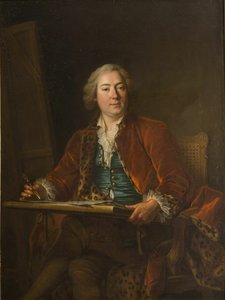
1705–1765, Prancūzija
Charles-André Van Loo
Rauninis gyvenimas ir mokymas Gimimas: Februarija 15, 1705 m., Nice, Fransiya Šeimos apriboti: Buvo Louis-Abraham van Loo sūnus ir jaunesnis brolis Jean-Baptiste van Loo. Jis buvo sėkmingos netolingoje holandijos dailininkų dinastijos narys. Pirmasis mokymas: Pradinis mokymasis Turine, toliau – studijos Rome (1712 m.) pas Benedetto Luti ir Pierre Legros. Parisių studijos: Studijavo „Académie royale“, kur 1723 m.
Apie Charles-André Van Loo Žinomiausi Charles-André Van Loo darbai
Taip pat Charles-André Van Loo darbai
 Spanish Concert (Spanish Сonversation)1754
 Aeneas Carrying Anchises1729
 The sultana1747
 Jerusalem Delivered Tancredi Fighting Clorinda1733

Esdai apie Perseus and Andromeda
 Captured Courage: A Study of Dramatic Artworks Depicting Heroic Rescues and Human ResilienceExplore the powerful history of heroic rescue art from Cellini to Géricault. Discover tales of human resilience through masterworks.
 Charles-André van Loo: A Study in Rococo Portraiture & the French Court's Artistic DynamicsExplore the elegant world of Charles-André van Loo, a master of Rococo portraiture at the French court. Discover his life, techniques, and …
 25 Masterpieces by Jean-Antoine Watteau: The Essence of Rococo EleganceExplore 25 iconic Rococo masterpieces by Jean-Antoine Watteau. Discover the full collection online at OriginalUniqueArt.com.