Rococo · 1736
Bear Hunt (Charles-André Van Loo, 1736)
Charles-André Van Loo (1705–1765) sukūrė Bear Hunt. Šis kūrinys datuojamas 1736 m. Šis kūrinys priklaulo Rococo kieruliui. Pagaminta naudojant Oil On Canvas. Eksponatas saugomas Musée de Picardie Amienas, Prancūzija. Dimensijos – 184 × 129 cm.
- 1736
- Oil On Canvas
- 184 × 129 cm
- Musée de Picardie, Amienas

 Peržiūrėti realaus dydžio版

 Rankinio darbo aliejinės imitacijos paveikslas
 Pasidalinti
 Dalintis
 Informacinė l lapelė


 Atsisiųsti
 Panašūs eksponatai
 Rentgeno spindulių nuotrauka
 Automatinė diorama
 问答

 Statistika
Bear Hunt, trumpai
- Pavadinimas
- Bear Hunt
- Autorius
- Charles-André Van Loo (1705–1765)
- Dizainere/is gimęs
- Nica, Prancūzija
- Data
- 1736
- Mediumas
- Oil On Canvas
- Matmenys
- 184 × 129 cm
- Kur galima pamatyti
- Musée de Picardie, Amienas, Prancūzija
- Judėjimas
- Rococo
- Laikotarpis
- Early Modern
- Tema
- people, bears, dogs, horses, guns, rocks
Ką vaizduoja Bear Hunt?
Identification of the Artwork and Artist
The oil on canvas titled Bear Hunt was painted by Charles-André van Loo in 1736. This work emerged from the hand of an artist born in Nice, France, in 1705. He belonged to a successful dynasty of Dutch painters, a lineage of creators who shaped the visual language of their era. His life spanned the decades between his birth and his death in 1765.
Charles-André van Loo brought a specific precision to this scene. The canvas captures a moment of movement within the wilderness. It is a piece from a period of significant activity for the artist. His brushwork defines the tension of the chase. The light falls upon the figures and the animals in the landscape.
The work remains a specific record of a hunt. It carries the weight of the artist's early career. A quiet stillness exists beneath the action of the hunt. The shadows of the trees stretch across the ground.
Visual Composition and Subject Matter
This large oil on canvas captures a moment of sudden movement in the wild. Near a cluster of jagged rocks, the landscape opens into a rugged wilderness. Several men grip guns, their bodies poised for the chase. Dogs weave through the brush, their instincts driving them toward the scent of the prey. Horses stand nearby, silent witnesses to the exertion, ready to carry the hunters across the uneven ground.
The bears are scattered throughout the scene, some looming in the foreground and others fading into the distant greenery. The composition relies on this distribution of weight to create a sense of scale. There is a palpable tension in the air, a rush of adrenaline that defines the hunt. The great outdoors provides a chaotic, unscripted stage for this encounter. The hunt moves with a sudden, sharp energy.
Related Works by the Same Artist
The artist’s hand moved through many realms, from the quietude of a Self Portrait to the grand scale of mythological drama. In Venus and Amor, held at the Kunsthalle Bremen, the brush captures a different kind of grace. He explored the tension of legend in Jupiter and Antiope and rendered the myth of Perseus and Andromeda in multiple versions. These figures exist alongside the courtly presence of the Portrait of Marie Leszczynska, Queen of France. A smaller, focused study of Mademoiselle Clairon as Medea appeared in 1760.
The hunt remains a recurring pulse in his oeuvre. He captured aristocratic leisure in Halt of the Hunt, a work now held at The Metropolitan Museum of Art. This interest in the chase extends to the overdoor paintings created for the petits appartements of Louis XV at Versailles. Such works reflect a life spent navigating the precise requirements of royal patronage and the fluid movement of the Rococo style. The paint dries on the canvas, leaving only the shadow of the chase.
Kuriame muziejuje eksponuojamas karya Bear Hunt?
Musée de Picardie
Amienas, Prancūzija
Laiko šventovė: Musée de Picardie siela Įsikūręs istoriniame Prancūzijos Amieno širdyje, Musée de Picardie stovi kaip gilus įkvėpimo ir neprataikomos žmogaus kūrybiškumo dialogo įrodymas. Įžengti pro jo duris reiškia pasurimti į realmą, kuriame laiko ribos tirpsta, tarsi šviesa, šokanti per dideles, erdžias salių. Patys muziejaus konstrukcijos meistriškumas – Antrosios imperijos eros šedevras, sukurtas architektų Henri Pareno ir Arthur-Stanislas Diet, – tarnauja tyliu Prancūzijos kultūrinio pakilimo pasakotoju.


Bear Hunt dididraudžios kokybės vaizdai
Viešoji domenė: suregalis mirė 1765 m.
Charles-André Van Loo, Bear Hunt (1736), Musée de Picardie. Viešoji domenė.
Atsakimai į klausimus apie Bear Hunt
Kuriam muziejui priklauso originalus „Bear Hunt“?
Originalų kūrinį „Bear Hunt“ galite pamatyti Musée de Picardie, Amienas, Prancūzija.
Kuriem metais buvo sukurta „Bear Hunt“ – Charles-André Van Loo?
„Bear Hunt“ – Charles-André Van Loo kūrybos metai – 1736.
Kokia technika buvo panaudota kūriniam darbui „Bear Hunt“ – Charles-André Van Loo?
„Bear Hunt“ technika – Oil On Canvas.
Kokie yra „Bear Hunt“ – Charles-André Van Loo realūs matmenys?
Originalaus kūrinio „Bear Hunt“ – Charles-André Van Loo matmenys yra 184 x 129 cm.
Ką vaizduoja „Bear Hunt“ – Charles-André Van Loo?
Darbos „Bear Hunt“ temos yra people, bears, dogs, horses, guns, rocks, wilderness.
Ar „Bear Hunt“ – Charles-André Van Loo priklauso viešosios teisės domenui?
Autorių teisių statusas kūriniui „Bear Hunt“ – Charles-André Van Loo: kūrinys priklauso yra viešosios erdvės dalis – jo autorinė teisė pasibaigusi. Tai nulemia, ar galima laisvai reprodukciuoti šį vaizdą.
Kas sukūrė „Bear Hunt“?
„Bear Hunt“ priskiriamas Charles-André Van Loo.
Kokiam meno stiliui priklauso „Bear Hunt“ – Charles-André Van Loo?
Kūrinio „Bear Hunt“ – Charles-André Van Loo stilius – Rococo. Ši klasifikacija leidžia šį darbą įtraukti į bendrą susijusių menininkų ir kūrinių kontekstą.
Kokio Charles-André Van Loo kūrybos etapo dalis yra „Bear Hunt“?
„Bear Hunt“ priklauso Charles-André Van Loo kūrybos karjeros Mature Period etapui. Ši klasifikacija atspindi kūrinio ryšį su menininko evoliucija.
Apie šį menininką, Charles-André Van Loo
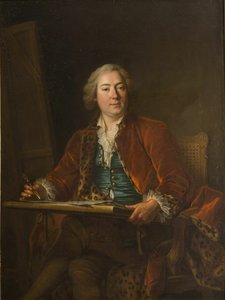
1705–1765, Prancūzija
Charles-André Van Loo
Rauninis gyvenimas ir mokymas Gimimas: Februarija 15, 1705 m., Nice, Fransiya Šeimos apriboti: Buvo Louis-Abraham van Loo sūnus ir jaunesnis brolis Jean-Baptiste van Loo. Jis buvo sėkmingos netolingoje holandijos dailininkų dinastijos narys. Pirmasis mokymas: Pradinis mokymasis Turine, toliau – studijos Rome (1712 m.) pas Benedetto Luti ir Pierre Legros. Parisių studijos: Studijavo „Académie royale“, kur 1723 m.
Apie Charles-André Van Loo Žinomiausi Charles-André Van Loo darbai
Taip pat Charles-André Van Loo darbai
 Spanish Concert (Spanish Сonversation)1754
 Aeneas Carrying Anchises1729
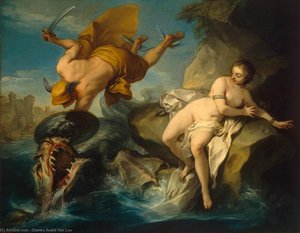 Perseus and Andromeda1735
 The sultana1747
Esdai apie Bear Hunt
 Charles-André van Loo: A Study in Rococo Portraiture & the French Court's Artistic DynamicsExplore the elegant world of Charles-André van Loo, a master of Rococo portraiture at the French court. Discover his life, techniques, and …
 16th century Flemish paintersMasterpieces by Bruegel and Jan Brueghel define 16th century Flemish art. Explore the full collection online at OriginalUniqueArt.com.
 17th century Flemish paintersMasterpieces by Van Dyck and Teniers define Flemish Baroque. Explore museum-quality reproductions on OriginalUniqueArt.com.