

 Peržiūrėti realaus dydžio版
 Siųsti
 Dalintis
 Išsamiau
 Vadovas

 Atsisiųsti
 Panašūs eksponatai
 Rentgeno spindulių nuotrauka
 Diaporama
 Statistika
Aeneas Carrying Anchises
 Oil On Canvas
- WallArt
- Rococo
 1729
1729 110.0 x 105.0 cm
 Liuvro muziejus
 Rodyti daugiau
Giclée / Meno spausdinimas
Muziejų lygio „giclée“ arba drobos spausdinimas: greita gamyba ir lankstios apdailos parinktys. ( Pirkti rankomis tapytą reprodukciją Perejti prie skaitmeninių vaizdų)




P118B €10

P118H €10

P118W €10

P438Z €10

P508JH €12

P508YH €12

P805H €10

P805Z €10

P919BZ €10

P919G €10

P919XJ €10

P959ZH €10

P968JZ €12

W106C €8

W218G €10

W218JH €8

W218Y €10

W307PJ €10

W316G €10

W316PJ €8

W316Y €10

W398PJ €8

W4111J €10

W500HY €15

W500JH €15

W692G €12

W849H €8

W940BG €15

W953PJ €8




Pasirinkite iš mūsų nustatytų dydžių, atitinkančių originalaus meno kūrinio proporcijas.

Įveskite jums reikiamą plotį ir aukštį, kad atvaizdas derėtų prie jūsų rėmo ar sienos. Spausdiną galima tik sumažinti, bet nepadidinti virš originalaus paveikslėlio dydžio, todėl keičiant proporcijas, dalis vaizdo prarandama. Prieš spausdinimą atsiųsime jums skaitmeninį maketą patvirtinimui. Šioje puslapio nuotraukoje matomas pjūvis nėra tikslus – jį rodo tik maketas.
Pristatymas visame pasaulyje () per 2 weeks, o ne įprastas 4/5 savaičių laikotarpis. (21 spalis)

Nemokamas greitasis pristatymas visame pasaulyje

Aukštos kokybės lininis drobė

Pilnas siuntimo draudimas

Muitinės mokesčių grąžinimo garantija

Tikro spalvų atitikimo garantija

100 dienų grąžinimo politika (tik esant įtaigoms)

100% pinigų grąžinimo garantija

Nuolaida dideliems užsakymams
 Stiklo variantas prieinamas tik pasirinkus dydį iki 110 cm

Aeneas Carrying Anchises
Giclée / Meno spausdinimas
Reprodukcijos dydis
-


Visų pasirinktų variantų kaina
€ 70
Aeneas Carrying Anchises: A Testament to Roman Heroism and Rococo Elegance
Charles-André van Loo’s “Aeneas Carrying Anchises,” painted in 1729, is more than just a depiction of a pivotal moment from Virgil's *Aeneid*; it’s a masterful distillation of the Rococo style, imbued with a profound sense of drama and classical gravitas. This artwork, now meticulously reproduced on hand-painted canvas by OriginalUniqueArt, offers a captivating glimpse into 18th-century French artistic sensibilities – a world where mythological narratives intertwined seamlessly with aristocratic life and an exquisite attention to detail reigned supreme.
The scene unfolds within a classically inspired architectural setting, reminiscent of the Temple of Venus or perhaps even the Parthenon, lending an air of timeless grandeur. Van Loo skillfully employs atmospheric perspective – the subtle blurring of details in the background – to draw the viewer’s eye towards the central figures: Aeneas, the Trojan hero, and his aged father, Anchises. The composition is carefully balanced, utilizing a pyramidal structure that reinforces the importance of these two patriarchs. Note the deliberate use of light; it illuminates Aeneas's determined face and the weight of responsibility he carries, while casting a softer glow upon Anchises, suggesting both vulnerability and profound wisdom.
The Rococo Palette: Color, Texture, and Ornamentation
As a leading figure in the Rococo movement, Van Loo’s signature style is immediately recognizable. The painting bursts with rich, layered colors – deep reds, blues, and golds dominate the palette, creating an opulent and luxurious atmosphere. The artist's meticulous brushwork reveals a remarkable attention to texture; from the folds of Aeneas’s cloak to the weathered skin of Anchises, every surface is rendered with incredible realism. Observe how he uses shimmering highlights to capture the light reflecting off polished marble columns and the fabric of their garments – a hallmark of Rococo technique.
The decorative elements are equally noteworthy. The architectural details, while rooted in classical forms, are embellished with intricate moldings, garlands, and subtle flourishes characteristic of the era. Van Loo’s mastery extends to portraying the human form; Aeneas and Anchises are depicted with a graceful elegance that reflects the ideals of beauty prevalent during the Rococo period. The inclusion of other figures in the background – soldiers, attendants, and perhaps even a veiled woman – adds depth and narrative complexity to the scene, hinting at the broader context of the Trojan War and its aftermath.
Symbolism and Narrative Resonance
Beyond its aesthetic beauty, “Aeneas Carrying Anchises” is rich in symbolic meaning. The act of Aeneas carrying his father represents not only filial devotion but also the burden of leadership and the transmission of legacy. Anchises, a descendant of Aeneas and the rightful heir to Troy, embodies the continuity of Roman civilization. The setting itself – a temple or monumental structure – elevates the scene to a realm of mythic importance, suggesting that Aeneas’s journey is not merely a personal quest but a destiny ordained by the gods.
Furthermore, the presence of the woman in the background has been interpreted as representing Fides (Faith) or perhaps even Venus herself, subtly reinforcing the themes of duty, honor, and divine guidance. The painting's overall mood is one of solemn determination tempered with a poignant sense of loss – a reminder of the sacrifices required to fulfill a noble purpose. OriginalUniqueArt’s faithful reproduction captures this nuanced emotional depth, allowing viewers to fully appreciate the artistry and storytelling embedded within Van Loo’s masterpiece.
Bringing “Aeneas Carrying Anchises” Home
Whether you're an art enthusiast, a collector seeking to enrich your collection, or simply someone looking for a stunning addition to your interior décor, OriginalUniqueArt’s hand-painted reproduction of “Aeneas Carrying Anchises” offers the perfect opportunity to own a piece of 18th-century artistic history. The meticulous detail and vibrant colors faithfully recreate Van Loo's original vision, while the canvas medium provides a timeless quality that will endure for generations to come. Explore our selection of sizes and framing options to find the ideal representation for your space – and experience the enduring power of this iconic artwork.
问答 (or more naturally for a website heading): Klausimai ir atsakymai
Kur galiu rasti panašių kūrinių kaip „Aeneas Carrying Anchises“, autorius – Charles-André Van Loo?
Puslapio Panašūs kūriniai skiltyje, skirtoje kūriniam darbui „Aeneas Carrying Anchises“, autorius – Charles-André Van Loo, pateikiami panašūs meno kūriniai.
Kaip kūrinys „Aeneas Carrying Anchises“ dera su Charles-André Van Loo temomis ir stiliumi?
„Aeneas Carrying Anchises“ priklauso Charles-André Van Loo Rococo kūrybai, kurios įrašytoms temoms priskiriamas italian baroque influence, mythological, roman themes, courtly patronage, luxury, dynasty’s artistic legacy, classical narrative depiction.
Kokia emocinė nuotaika lydi „Aeneas Carrying Anchises“ kūrinį, priskiriamą Rococo stiliui?
„Aeneas Carrying Anchises“ pasižymi Melancholic emociniu tonu, priklausančiu Rococo stiliui.
Autoriaus biografija
Rauninis gyvenimas ir mokymas
- Gimimas: Februarija 15, 1705 m., Nice, Fransiya
- Šeimos apriboti: Buvo Louis-Abraham van Loo sūnus ir jaunesnis brolis Jean-Baptiste van Loo. Jis buvo sėkmingos netolingoje holandijos dailininkų dinastijos narys.
- Pirmasis mokymas: Pradinis mokymasis Turine, toliau – studijos Rome (1712 m.) pas Benedetto Luti ir Pierre Legros.
- Parisių studijos: Studijavo „Académie royale“, kur 1723 m. gavo pirmąją apdailos prieką, o 1727 m. – istorinės dailės prieką.
Dailininkų karjera ir išpopuliarėję vardai
- Stilius: Pagrindiniu būdu garsėjo kaip Rokoko dailininkas, pažymėtas elegancija, gražu ir ornamentaliu detaliumi.
- Tema: Įvairi temų apjungimas, įskaitant portretus, mitologines scenas, istorines pildomus, alegorijas ir gyvenimo momentus.
- Išpopuliarėję vardai:
- Venus ir Amor (Kunsthalle Bremen) - Rodė Rokoko stiliaus meistriškumą.
- Medžioklės sustojimas (The Metropolitan Museum of Art) – Įgaudina aristokratinį gyvenimą.
- Marie Leszczynska portretas, Fransiya karalienė – Pastarosios rajinės portreto įrėžta.
- Jupiteris ir Antiope - Apveda mitologinius motyvus.
- Savivaldykite – Pateikia įžvalgas apie dailininko savęs suvokimą.
- Perseusas ir Andromeda (다viena versijos) – Iliustruoja gebėjimą atvaizduoti klasikinius mitus.
- Mademoiselle Clairon kaip Medea (mažas variantas) - Įsikaptinęs Rokoko portretas iš 1760 m.
Patronatas ir karališkas pripažinimas
- Karališkas patronatas: Gaido Madame de Pompadour ir prancūzių dvorkio meile.
- Įstatymas į dvorkį: 1762 m. tapo Karaliui Louis XV pirmasis dailininkas, prestižinis pavadinimas.
- Šv. Mikolas ordonas: Apkurė Šv. Mikolo ordonu, signalizuojant karališką mėgštimą.
Įkvėpsnaziai ir paliktava
- Šeimos įtakos: Stipriai buvo įkvėptas savo tėviu ir broliu, abiejų buvo išsaugę dailininkai.
- Tūris: Konkuruoja su François Boucheriu, kitais išpopuliarėjais Rokoko dailininkais.
- Modernus prancūzų stilius: Jo „stiliaus paprastumas ir dizaino tikslumas“ žymiai įtakojė modernų prancūzių dailės mokyklą.
- Kritinė reputacija: Nors jo kritinis statusas pasikeitė laikotarpiu, jo gebėjimas ir darbo platumas kelia pagarbą.
Muziejų kolekcijos ir toliau tyrimai
- Muziejų buvimas: Jo kūriniai yra išpildyti žymiuose muziejuose, įskaitant Louvre (Merginos gedimas), Kunsthalle Bremen ir The Metropolitan Museum of Art.
- Papildomos resursai:
- OriginalUniqueArt puslapis Charles-André van Loo: https://www.OriginalUniqueArt.com/artists/charles-andre-van-loo/
- OriginalUniqueArt „Didžiausi dailininkai visų laikų“ puslapis: https://www.OriginalUniqueArt.com/greatest-artists
- OriginalUniqueArt Virtualus muziejus: https://www.OriginalUniqueArt.com/
- Wikipedia straipsnis: https://en.wikipedia.org/wiki/Charles-Andr%C3%A9_van_Loo
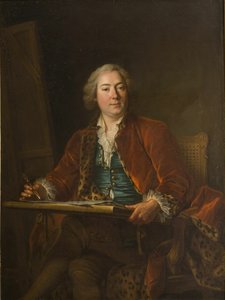
Charles-André Van Loo
1705 - 1765 , Prancūzija
Trumpa informacija apie kūrėją
- Artistic Movement Or Style: Rokoko dailė
- Artists Or Movements Influenced By This Artist: ['Modernių prancūzijos mokyklos']
- Artists Who Influenced This Artist:
- Benedetto Luti
- Pierre Le Gros
- Date Of Birth: 1705年2月15日
- Date Of Death: 1765年7月15日
- Full Name: Charles-André van Loo
- Nationality: Prancūzija
- Notable Artworks:
- Venė ir Amor
- Medžioklės sustojimas
- Marija Leszczynska portretas
- Jupiteris ir Antiope
- Savaitinis portretas
- Perseusas ir Andromeda
- Place Of Birth: Nice, Prancūzija
Susiję straipsniai

Rožinio Amžius: 10 Šedevrų Apibrėžiančių Rokoko Stilių
Atraskite 10 rokokoko šedevrų, apibrėžiančių prabangą ir grožį! Sužinokite apie žymius dailininkus, spalvotus motyvus bei istorijas. Puikios meno reprodukcijos jūsų namams – OriginalUniqueArt.com.

Early Netherlandish Masters: 10 Paintings That Revolutionized Art & Decor
Journey into the Early Netherlandish Renaissance! Explore 10 iconic paintings by Jan van Eyck, Rogier van der Weyden & more. Discover stunning detail, symbolism, and oil painting techniques. Find museum-quality art reproductions for your home at OriginalUniqueArt.com.

Charles-André van Loo: A Study in Rococo Portraiture & the French Court's Artistic Dynamics
Explore the elegant world of Charles-André van Loo, a master of Rococo portraiture at the French court. Discover his life, techniques, and enduring influence on 18th-century art. Hand-painted reproductions available.

Early Netherlandish Masters: 10 Paintings That Revolutionized Art & Decor
Journey into the world of Early Netherlandish painting! Explore 10 masterpieces by Jan van Eyck, Rogier van der Weyden & more. Discover stunning detail, symbolism & Renaissance art for your home decor. Find museum-quality reproductions on OriginalUniqueArt.com

Rembrandto van Rijn šedevrai: 25 paveikslai, įkvėpę amžius | OriginalUniqueArt
Atraskite 25 įspūdingiausius Rembrandto paveikslus! Išsami istorija, meno technikos ir simbolika. Olandų baroko šedevrai jūsų interjerui – aukštos kokybės reprodukcijos OriginalUniqueArt.com. Explore the full collection online!