Neoclassical · 1760
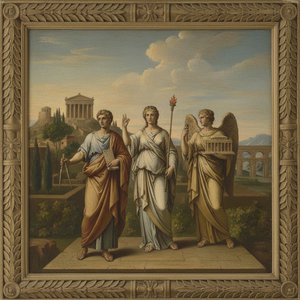
Parnassus (study) (Anton Raphael Mengs, 1760)
Anton Raphael Mengs (1728–1779) sukūrė Parnassus (study). Šis kūrinys datuojamas 1760 m. Šis kūrinys priklauso Neoclassical kieruliui. Pagaminta naudojant Acrylic On Canvas. Eksponatas saugomas Ermitažas Šv. Peterburgas, Rusija.
- 1760
- Acrylic On Canvas
- Ermitažas, Šv. Peterburgas

 Peržiūrėti

 Rankinio darbo aliejinės imitacijos paveikslas
 Pasidalinti
 Dalintis
 Informacinė lLapelė


 Atsisiųsti
 Panašūs eksponatai
 Rentgeno spindulių nuotrauka
 Automatinė diorama
 Klausimai ir atsakymai

 Statistika
Parnassus (study), trumpai
- Pavadinimas
- Parnassus (study)
- Autorius
- Anton Raphael Mengs (1728–1779)
- Autorius gimęs
- Ūstis prie Labės, Čekija
- Data
- 1760
- Technika
- Acrylic On Canvas
- Kur galima pamatyti
- Ermitažas, Šv. Peterburgas, Rusija
- Judėjimas
- Neoclassical
- Tema
- mythology, apollo, muses, parnassus, study, figures
Ką vaizduoja Parnassus (study)?
A Glimpse of Enlightenment: Anton Raphael Mengs’ “Parnassus (Study)”
Anton Raphael Mengs' "Parnassus (Study)," painted in 1760, isn’t merely a depiction of a classical scene; it’s a carefully constructed meditation on knowledge, aspiration, and the burgeoning spirit of Neoclassicism. This intimate study, far removed from the grand scale of his later frescoes, offers an unparalleled intimacy with Mengs' artistic process – a rare opportunity to witness the genesis of a masterpiece. The painting captures a gathering around a statue of Apollo, the mythical patron of the arts and sciences, surrounded by figures engaged in various intellectual pursuits. It’s a tableau vivant, brimming with quiet contemplation and subtle gestures that speak volumes about the era’s fascination with reviving classical ideals.
The Neoclassical Composition: Harmony and Restraint
Mengs' style here is distinctly Neoclassical, reflecting the artistic currents of 18th-century Europe. He meticulously adheres to the principles established by artists like Raphael and Michelangelo – a commitment to clarity, balance, and idealized forms. The composition is remarkably ordered; figures are arranged with deliberate precision, creating a sense of harmonious equilibrium. Note the careful use of light and shadow, which sculpts the forms and directs the viewer’s eye across the scene. The muted palette—dominated by earthy tones of ochre, brown, and grey—further enhances the painting's sense of restraint and intellectual seriousness. The background is deliberately vague, emphasizing the figures themselves and drawing attention to their interactions.
- Apollo’s Centrality: The statue of Apollo serves as the undeniable focal point, radiating an aura of authority and wisdom.
- The Muses' Presence: Flanking Apollo are the nine Muses, each embodying a different artistic discipline – poetry, music, dance, etc. Their graceful poses and attentive gazes suggest their role as guides and inspiration for the assembled scholars.
- Diverse Figures: The gathering includes philosophers, poets, musicians, and artists, representing the breadth of intellectual pursuits valued during this period.
Symbolism Woven into Detail: Bananas and Beyond
Beyond the obvious references to classical mythology and philosophy, “Parnassus (Study)” is rich in subtle symbolism. The inclusion of two bananas – a rather unexpected detail – has sparked considerable debate among art historians. Some interpret them as representing the fruits of knowledge, while others see them as a playful nod to contemporary trends or even a commentary on the fleeting nature of beauty and pleasure. The bowl on the table, filled with fruit, reinforces this theme of abundance and nourishment for the mind. The careful placement of each object contributes to the painting’s layered meaning, inviting viewers to engage in a deeper interpretation.
A Window into Mengs' Process: Intimacy and Reflection
What truly distinguishes “Parnassus (Study)” is its intimate scale and evident preparatory nature. It’s not a finished masterpiece but rather a study, a glimpse into Mengs’ creative process. The brushstrokes are visible, revealing the artist's hand at work – a testament to his dedication and meticulous attention to detail. The painting exudes a sense of quiet reflection, suggesting that Mengs was not simply documenting a scene but grappling with fundamental questions about art, knowledge, and the role of the individual within society. It’s a poignant reminder that even in grand artistic endeavors, the most profound insights often emerge from moments of focused contemplation.
Reproductions of “Parnassus (Study)” offer a remarkable opportunity to bring this captivating artwork into your home or office. Each carefully crafted reproduction captures the painting's nuanced details and evocative atmosphere, allowing you to appreciate Mengs’ genius for generations to come.
Kuriame muziejuje eksponuojama karya Parnassus (study)?
Ermitažas
Šv. Peterburgas, Rusija
Ermitažo kilmė ir istorija Ermitažo kelionė prasidėjo 1764 metais, kai pagrindas šiam neįtikėtinam kolekcijai padėjo Berlyno kupiečiaus Johanno Ernsto Gotzkowsky parduota 225 paveikslų kolekcija. Didžioji Katalina, pradėjusi šį meno kelionį, įkūrė meno pavyzdį, kuris vėliau tapo neįklausomiena kultūros kolonuose Šv. Peterburge, Rusijoje.


Parnassus (study) dididraudžios kokybės vaizdai

Viešoji domenė: suregalis mirė 1779 m.
Kiti dydžiai, iškarai ir citavimo informacija →Anton Raphael Mengs, Parnassus (study) (1760), Ermitažas. Viešoji domenė
Atsakimai į klausimus apie Parnassus (study)
Kur galima pamatyti „Parnassus (study)“ – Anton Raphael Mengs originalą?
Kūrinys „Parnassus (study)“ – Anton Raphael Mengs rodomas Ermitažas, Šv. Peterburgas, Rusija. Muziejaus informacija nuoroda į originalą, o ne į reprodukciją.
Kada buvo sukurta „Parnassus (study)“?
„Parnassus (study)“ sukurta 1760 m. Ši data leidžia įvardyti kūrinį Anton Raphael Mengs kūrybinėje karjeroje bei jo epochoje.
Kokia technika sukurta „Parnassus (study)“ – Anton Raphael Mengs?
„Parnassus (study)“ – Anton Raphael Mengs technika – Acrylic On Canvas. Kopijos siekia atkartoti šios technikos vaizdą.
Kas yra „Parnassus (study)“?
Darbos „Parnassus (study)“ temos yra mythology, apollo, muses, parnassus, study, figures, composition.
Ar „Parnassus (study)“ – Anton Raphael Mengs priklauso viešosios teisės domenui?
„Parnassus (study)“ – Anton Raphael Mengs yra yra viešosios erdvės dalis – jo autorinė teisė pasibaigusi. Šis statusas nustato, kaip galima reprodukcijaus šio kūrinio vaizdą.
Kas yra „Parnassus (study)“ kūrybos autorius?
Kūrinį „Parnassus (study)“ sukūrė Anton Raphael Mengs. Darbas katalogizuojamas Anton Raphael Mengs vardu.
Kokiam stiliui priklauso „Parnassus (study)“?
„Parnassus (study)“ yra Neoclassical stiliaus kūrinys. Šis dailos kryptis nurodo meninę tradiciją, kurios šis darbas yra dalis.
Kokį Anton Raphael Mengs kūrybos etapą atspindi „Parnassus (study)“?
„Parnassus (study)“ atspindi Anton Raphael Mengs kūrybinį laikotarpį Mature Period.
Kokia buvo Anton Raphael Mengs amžius sukuriant „Parnassus (study)"]?
Kai 1760 m. buvo sukurta „Parnassus (study)“, Anton Raphael Mengs – gimęs 1728 m. – buvo 32 metų amžiaus.
Apie menininką Anton Raphael Mengs

1728–1779, Čekija
Anton Raphael Mengs
Antonijus Rapolas Mengsas: Tiltas Tarp Pasaulių Antonijus Rapolas Mengsas (1728–1779) – iškili figūra Europos meno istorijoje, laikoma svarbiu perėjimo laikotarpiu nuo baroko į neoklasicizmą. Gimęs Bohemijoje, dabartinės Čekijos Respublikos teritorijoje, Ústí nad Labem mieste, Mengso meninis kelias buvo giliai paveiktas jo šeimos tradicijų ir Apšvietos epochos intelektualinių srovių. Jo tėvas, Izmaelis Mengsas, danų tapytojas, radęs globą Drezdeno dvare, anksti pastebėjo jaunojo Antonio išskirtinį talentą. Šis pripažinimas 1741 metais lėmė persikėlimą į Romą, kur jaunas artistas buvo pasinertas į senovės meno šedevrų ir Renesanso meistrų, ypač Rafaelio, kūrybą.
Apie Anton Raphael Mengs Žinomiausi Anton Raphael Mengs darbai
Taip pat Anton Raphael Mengs darbai
 Johann Joachim Winckelmann (1717–1768)1777
 Perseus and Andromeda1774
 Maria Luisa of Parma1765
 Self Portrait1774

Esdai apie Parnassus (study)
 Mastering Antiquity: The Top 25 Greatest Artworks by Andrea MantegnaJourney through the Renaissance with our curated guide to the top 25 Andrea Mantegna masterpieces. Explore his mastery of perspective, clas…
 The Elegance of Neoclassicism: Rediscovering Order, Balance, and Timeless Beauty in Fine ArtExplore the timeless elegance of Neoclassicism. Discover how order, balance, and classical ideals shaped art history through masterful scul…
 Nicolas Poussin: Classicism, Allegory & Order in 17th-Century French PaintingExplore the life & work of Nicolas Poussin, a master of French Classicism. Discover his allegorical paintings, Roman influences, and enduri…