Fauvism
Cassis (André Derain)
André Derain (1880–1954) sukūrė Cassis. Šis kūrinys priklaulo Fauvism kieruliui. Pagaminta naudojant Oil On Canvas.
- Oil On Canvas

 Peržiūrėti realaus dydžio版

 Rankinio darbo aliejinės imitacijos paveikslas
 Pasidalinti
 Dalintis
 Vadovas


 Atsisiųsti
 Panašūs eksponatai
 Rentgeno spindulių nuotrauka
 Automatinė diorama
 问答

 Statistika
Cassis: pagrindinė informacija
- Pavadinimas
- Cassis
- Autorius
- André Derain (1880–1954)
- Dizainere/is gimęs
- Chatou, Prancūzija
- Mediumas
- Oil On Canvas
- Judėjimas
- Fauvism
- Laikotarpis
- Modern
- Tema
- village, trees, church, house, people, buildings
Ką vaizduoja Cassis?
Identification of the Landscape at Cassis
The artwork titled Cassis, also known as Landscape at Cassis, is an oil on canvas painting. This work was executed by the French artist André Derain in 1907. The subject matter focuses on a landscape setting located in Cassis, France.
The painting depicts a village scene characterized by various structures and natural elements. A church occupies a central position within the town. Surrounding this central building are numerous trees. The composition includes a house with a red roof and a building resembling a barn. Several people are positioned throughout the scene, appearing to move through or observe the village environment.
Visual Composition and Subject Matter
The composition centers on a hillside landscape where a house with a red roof sits among various trees. This structure is positioned on an incline, surrounded by dense vegetation. Several people are scattered throughout the scene, appearing as small figures engaged in activities or observing the view. The arrangement of the terrain and the placement of the buildings create a sense of a settled village environment.
The natural elements are rendered as a dense web of stylized forms. These shapes are distributed across a smooth surface, creating a patterned effect within the landscape. The trees and the surrounding greenery form a complex network of lines and colors that define the topography of the hillside. The presence of the church and the barn adds structural variety to the village setting, contrasting with the organic shapes of the foliage.
Artistic Style and Technique
The work exemplifies the essence of Fauvism through its use of vivid colors and energetic brushstrokes. The application of paint involves thick black outlines that define the various structures and natural elements within the scene. These heavy contours create a sharp separation between the buildings, the trees, and the sky. The color palette relies on stark contrasts to establish form and depth. This approach moves away from naturalistic shading in favor of direct, unmixed hues.
The composition occupies a position halfway between Fauvism and Cubism. While the color application remains bold and non-representational, there is an emerging interest in structure and form. The artist uses a dense web of stylized natural elements across the surface. These elements are rendered with a controlled, almost geometric quality that suggests a transition toward more structured compositions. The brushwork remains visible and rhythmic, contributing to the overall sense of movement within the landscape.
Related Works by André Derain
The artist's exploration of the French coastline includes The Cypresses at Cassis and Landscape near Cassis (Paysage aux environs de Cassis). These works focus on the specific light and topography of the region. In the latter, the composition features a house with a red roof situated on a hillside, surrounded by trees and figures. The palette in these studies often utilizes the intense colors associated with the Fauvist movement, employing bold and non-naturalistic hues to define the landscape.
During a period of travel to the United Kingdom, Derain produced a series of thirty paintings focused on the urban environment of London. These works move away from the quietude of the French countryside to capture the structural weight of the city and the movement of the Thames. His later output also includes Harlequin and Pierrot, a work from 1924 that reflects a shift in his stylistic direction following his earlier experimental years.
- The Cypresses at Cassis
- Landscape near Cassis (Paysage aux environs de Cassis)
- Harlequin and Pierrot
Where to See This Artwork Today
The oil on canvas painting is currently held within the collection of the New Orleans Museum of Art. This institution maintains the work as part of its permanent holdings. Visitors seeking to observe the piece in person can find it within this specific museum setting.
The provenance and ownership of the work involve the Hermann und Margrit Rupf-Stiftung, Kunstmuseum Bern. This association links the painting to the collection at the Kunstmuseum Bern. Additionally, the artist's broader body of work is represented in the Musee d'art moderne Andre Malraux, which houses other pieces by the same hand.
Cassis dididžioja:resoliucija

Viešoji domenė: suregalis mirė 1954 m.
Daugiau variantų, iškaržymų ir citavimo →André Derain, Cassis. Viešoji domenė.
Skaitmeninis ekspertas lygina spalvas su originaliu paveikslu ir retušuoja failą, tiksliai atkartojantys autoriaus brushwork stilių.
Pirkti didelės raiškos vaizdąDalykas Cassis: klausimai
Kokia yra „Cassis“ paletės ryškumas?
„Cassis“ spalvų nasyginimas yra Clear Color Presence.
Kokia „Cassis“ – André Derain emocinė nuotaika?
„Cassis“ siejama su Tranquil jausmu. Emocinis tonas aprašo įspūdį, kurį sukelia kūrinys.
Ar galėčiau pamatyti „Cassis“ – André Derain ant savo sienos prieš pirkdama/pirkdamas?
„Cassis“ – André Derain galite išbandyti ant savo sienos naudodami papildytoji realybės funkciją suderinamame įrenginyje per šio kūrinio Peržiūra papildintajai realybei puslapį.
Ar „Cassis“ yra viešosios teisės kūrinys?
Autorių teisių statusas kūriniui „Cassis“ – André Derain: kūrinys priklauso yra viešosios erdvės dalis – jo autorinė teisė pasibaigusi. Tai nulemia, ar galima laisvai reprodukciuoti šį vaizdą.
Atsižvelgiant į spalvas, oje rekomenduojamas „Cassis“ – André Derain?
„Cassis“ – André Derain Dark spalvos dera su rekomenduojama erdvė: tai Living Room.
Ar galiu pamatyti „Cassis“ – André Derain skirtingame apšvietime?
„Cassis“ galima tyrinėti sluoksniu sluoksnį naudojant kūrinio Rentgeninis vaizdas puslapį – interaktyvą vaizdo peržiūrą, įkvėptą restauratoriaus šviesos stalo, kuriame pateikiamos vien ambivalentiškos vaizdo interpretacijos iš vienylies optinių sluoksnių.
Kokio André Derain kūrybos laikotarpio priklauso „Cassis“?
„Cassis“ atspindi André Derain kūrybinį laikotarpį Fauvist Period.
Kokios nacionalinės kilmės šaknys slypi „Cassis“ Fauvism?
„Cassis“ kūrybinę vadovavo André Derain, gimęs/usi Prancūzija, remiantis Fauvism stiliaus tendencijomis. Kūrėjo kilmė sujungia šį kūrinį su Fauvism kryptimi, kurios atstovai iš Prancūzija taip pat laikosi.
Į kokį laikotarpį buvo sukurta „Cassis“ – André Derain?
„Cassis“ – André Derain sukurta Modern laikotarpiu. Šis laikotarpis suteikia kūriniui istorines aplinkybes.
Apie šį menininką, André Derain
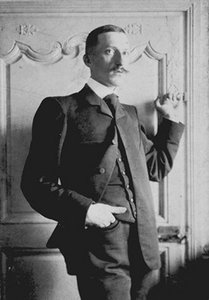
1880–1954, Prancūzija
André Derain
Ankstyvas gyvenimas ir Fauvizmo sėklos André Derainas, gimęs 1880 metais žavingame Šatuo kaime netoli Paryžiaus, iš pradžių nebuvo lemta gyventi tapybai ir drobėms. Priešingai nei kartais pasakojama apie staigų artistinį pabudimą susitikimų su tokiais dailininkais kaip Vlaminck ar Matisse dėka, Derainas ėmėsi meno kelio savarankiškai maždaug 1895 metais. Šios pirmosios patirtys dažnai vykdavo kartu su tėvu Jacominu ir jo sūnumis kaimo ekskursijų metu – formacinis įvykis, suteikęs gilų natūralaus pasaulio supratimą. Trumpai studijavęs inžineriją Camillo akademijoje 1898 metais, jis lemtingai susitiko su Henri Matisse, pradėdamas svarbiausią artistinę partnerystę.
Taip pat André Derain darbai
 bathers1907
 London Bridge1906
 Charing Cross from sw1906
 Landscape at L'Estaque1906
Esdai apie Cassis
 French artworks of the 1870sFrench Impressionist masterpieces by Claude Monet, Pierre-Auguste Renoir, and Édouard Manet define the 1870s. View the full collection on O…
 Early Netherlandish Painting vs. Italian Renaissance: A Comparative StudyMaster the differences between Netherlandish detail and Renaissance perspective. Explore this expert comparative study now.
 Fauvism and Cubism: Distinguishing Color Revolution from Spatial AnalysisMaster the core differences between Fauvism and Cubism through expert analysis. Discover how color and space redefined modern art today.