

 Peržiūrėti realaus dydžio版
 Siųsti
 Dalintis
 Išsamiau
 Vadovas

 Atsisiųsti
 Panašūs eksponatai
 Rentgeno spindulių nuotrauka
 Diaporama
 Statistika
Autumn Flowers


 Rodyti daugiau
Giclée / Meno spausdinimas
Muziejų lygio „giclée“ arba drobos spausdinimas: greita gamyba ir lankstios apdailos parinktys. ( Pirkti rankomis tapytą reprodukciją Perejti prie skaitmeninių vaizdų)




P118B €10

P118H €10

P118W €10

P438Z €10

P508JH €12

P508YH €12

P805H €10

P805Z €10

P919BZ €10

P919G €10

P919XJ €10

P959ZH €10

P968JZ €12

W106C €8

W218G €10

W218JH €8

W218Y €10

W307PJ €10

W316G €10

W316PJ €8

W316Y €10

W398PJ €8

W4111J €10

W500HY €15

W500JH €15

W692G €12

W849H €8

W940BG €15

W953PJ €8




Pasirinkite iš mūsų nustatytų dydžių, atitinkančių originalaus meno kūrinio proporcijas.

Galite nurodyti savo matmenis, kad vaizdas atitiktų konkretų rėmą ar erdvę. Jei pasirinktas dydis nesutaps su originalaus paveikslėlio proporcijomis, mes arba apkirpsime kūrinį, arba išplėsime vaizdą naudojant veideliu atspindėtą arba vientisą šoną. Skaitmeninis maketas bus išsiųstas jums patvirtinti prieš pradedant gamybą.
Atkreipkite dėmesį, kad ekrane matomas vaizdinys neatspindi tikrojo apkirpimo ar išplėtimo. Tik maketas tiksliai parodytų galutinę kompoziciją.
Nors galima rinktis ir individualius dydžius, rekomenduojame pasirinkti vieną iš išanksti nustatytų matmenų, kad būtų išlaikytos originalios proporcijos.
Pristatymas visame pasaulyje () per 2 weeks, o ne įprastas 4/5 savaičių laikotarpis. (5 spalis)

Nemokamas greitasis pristatymas visame pasaulyje

Aukštos kokybės lininis drobė

Pilnas siuntimo draudimas

Muitinės mokesčių grąžinimo garantija

Tikro spalvų atitikimo garantija

100 dienų grąžinimo politika (tik esant įtaigoms)

100% pinigų grąžinimo garantija

Nuolaida dideliems užsakymams
 Stiklo variantas prieinamas tik pasirinkus dydį iki 110 cm

Autumn Flowers
Giclée / Meno spausdinimas
Reprodukcijos dydis
-


Visų pasirinktų variantų kaina
€ 69
A Portrait of a Moment: The Enigmatic Beauty of *Autumn Flowers*
Alfred Stevens’s *Autumn Flowers*, painted in 1867, isn't merely a depiction of a woman amidst flowers; it’s an exquisitely crafted meditation on stillness, light, and the subtle poetry of everyday life. At first glance, the painting presents a seemingly simple arrangement: a seated lady, her posture suggesting quiet contemplation, surrounded by a still-life tableau of fabrics, blossoms, and a delicately rendered table. Yet, beneath this surface lies a profound exploration of form, color, and the very essence of observation – a hallmark of Stevens’s unique artistic vision.
Stevens, a pivotal figure in 19th-century Belgian art, deliberately eschewed the prevailing trends of his time. Rejecting the fleeting effects of Impressionism's vibrant light and atmosphere, he instead focused on capturing an immutable quality – the frozen gesture, the fixed expression, the enduring presence of the subject. This deliberate choice is powerfully evident in *Autumn Flowers*. The woman’s hand, poised as if about to touch a flower, isn’t caught in motion; it's suspended, imbued with a sense of timelessness. Her gaze, directed slightly off-canvas, invites us into her private world, suggesting an inner life beyond the immediate scene.
The Language of Color and Texture: Stevens’s Masterful Technique
What immediately draws the eye is Stevens's extraordinary command of color and texture. He employs a remarkably restrained palette – primarily shades of grey, black, and muted browns – punctuated by flashes of pastel pink, chestnut brown, and the glossy sheen of the table cover. This deliberate limitation isn’t a sign of restraint but rather a strategic choice to emphasize form and light. The artist masterfully utilizes chiaroscuro, creating dramatic contrasts between light and shadow that sculpt the figures and objects with remarkable precision. Notice how the highlights on the woman's chignon and the delicate folds of her dress draw our attention while simultaneously deepening the shadows around her face, lending a sense of mystery and depth.
Stevens’s technique is equally noteworthy for its meticulous detail. He employs a smooth, almost polished surface – reminiscent of 17th-century Dutch masters like Rembrandt and Vermeer – achieved through careful layering of paint and the use of a knife to blend colors seamlessly. This creates an illusion of tactile reality, inviting us to reach out and touch the fabrics, feel the texture of the flowers, and appreciate the subtle variations in color and tone. The artist’s attention to detail extends beyond mere representation; it's a deliberate attempt to capture the *essence* of each element within the composition.
Symbolism and the Portrait of Modernity
Beyond its technical brilliance, *Autumn Flowers* is rich in symbolic meaning. The woman herself represents a type of modern femininity – poised, elegant, and seemingly detached from the bustle of Parisian life. Her attire, with its jet frills and flounces, speaks to the fashionable trends of the era while simultaneously conveying a sense of quiet dignity. The surrounding still-life elements—the fabrics, flowers, and table—are not merely decorative; they function as a carefully constructed visual language, hinting at themes of luxury, domesticity, and the fleeting beauty of life.
Stevens’s comparison to Gustave Vanzype – that the painting is a still life composed of the fabrics in which she is dressed and the things around her – reveals a deeper intention. He wasn't simply depicting a woman; he was creating a miniature world, a carefully orchestrated tableau that captures a specific moment in time and reflects the values and aesthetics of his era. The reference to Whistler’s ambition to “use colours to compete with the musician who uses sounds” underscores Stevens’s own desire to elevate color from mere decoration to an expressive element within the painting.
A Legacy of Stillness: Stevens's Enduring Appeal
*Autumn Flowers* stands as a testament to Alfred Stevens’s singular artistic vision. It is a painting that rewards careful observation, inviting us to linger and contemplate its subtle nuances. Its enduring appeal lies not in dramatic gestures or fleeting effects but in its quiet beauty, its masterful technique, and its profound exploration of the human condition. Reproductions of this captivating work offer a window into a bygone era, capturing the elegance and sophistication of 19th-century Parisian life while simultaneously reminding us of the timeless power of stillness and observation.
问答 (or more naturally for a website heading): Klausimai ir atsakymai
Ar galėčiau pamatyti „Autumn Flowers“, autorius – Alfredas Stevensas ant savo sienos prieš pirkdama/pirkdamas?
„Autumn Flowers“ turi papildytoji realybės peržiūros funkciją: kūrinio AR peržiūra puslapyje jį galite pamatyti savo erdvėje naudodami suderinamą įrenginį.
Kiek metų buvo Alfredas Stevensas, kai sukūrė „Autumn Flowers“ 1867 m.?
Alfredas Stevensas buvo 44 metų, kai 1867 m. sukūrė kūrinį „Autumn Flowers“. Amžius apskaičiuotas remiantis gimimo metais 1823.
Kaip „Autumn Flowers“ subalansuoja šviesą ir tamsą?
„Autumn Flowers“, autorius – Alfredas Stevensas įrašytas kaip deep_shadow, turintis Dark apšvietimo.
Kas yra „Autumn Flowers“ kūrybos autorius?
Kūrinį „Autumn Flowers“ sukūrė Alfredas Stevensas. Darbas katalogizuojamas Alfredas Stevensas vardu.
Kuriem metais buvo sukurta „Autumn Flowers“, autorius – Alfredas Stevensas?
„Autumn Flowers“, autorius – Alfredas Stevensas sukurtas 1867 m.
Ar „Autumn Flowers“, autorius – Alfredas Stevensas yra portretinė, peisžinio tipo ar kvadratinė kompozicija?
„Autumn Flowers“, autorius – Alfredas Stevensas yra Portrait kompozicija. Prieš renkantis spausdinimo dydį, verta patikrinti proporcijas.
Ar yra panašių darbų kaip „Autumn Flowers“?
Darbai, panašūs į „Autumn Flowers“, yra pateikti kūrinio Panašūs kūriniai puslapyje.
Autoriaus biografija
ankstyvoji gyvenimo ir mokymosi dalis
Alfredas Émile Léopoldas Stevensas, žinomų belgų paveikslastojas, gimė 1823 m. gegužės 11 d. Briusele. Jo šeima buvo glaudžiai įsišaknijusi reginioje menėje: jo vyresnysis brolis Josephas (1816–1892) ir sūnus Léopoldas (1866–1935) buvo tapybos meistrai, o kitas brolis Arthuras (1825–99) dirbo kaip meno prekybininkas ir kritikus.meninė karjera
Stevensas savo meninę kelionę pradėjo Briuselio Karališkojo gražiųjų menų akademijoje, kur mokėsi neoklasicinio stiliaus paveikslastojo François Navez vadovavimu. 1843 m. jis persikėlė į Paryžium, prisijungė prie savo brolio Josepho, ir buvo priimtas į École des Beaux-Arts. Nors iki šiol vediojamos diskusijos, ar jis tapo Jean Auguste Dominique Ingreso mokinio, Stevenso ankstyvieji darbai, tokie kaip 1849 m. pasirašytą ir datuotą „Atpūtimas arba absolucija“ (Ermitažas, Sankt Peterburgas), demonstruoja jo meistriškumą tradiciniame naturalistiniame stiliuje, įkvėptame XVII amario nederlandų žanrinės tapybos.kilimas į šlovę
Stevenso kūriniai pirmą kartą viešai buvo eksponuoti 1851 m. Briuslesio salone, o vėliau jis pelnė trečiojo laipsnio medalią 1853 m. Paryžiaus salone ir antrojo laipsnio medalį 185_5 m. Paryžiaus visos pasaulio parodoje. Jo paveikslas „Ce qu'on appelle le vagabondage“ (Orsės muziejus, Paryžius) sudomino Napoleoną III, o tai paskatino reikšmingą pokyčius skurtais žmonėmis rūpin듯si saugant.pastebimieji darbai ir palikimas
- 1866 m. parašytas „La Dame en Rose“, arba „Moteris rožinėje suknelėje“ (Belgijos Karališkosios gražiųjų menų muziejus, Briuselis) yra šio laikotarpio Stevenso kūrybos pavyzdys, kuriame madingai aprasinta moteris derinama su itin detalizuota japoniškų daiktų apžiūra.
- 1863 m. Stevensas gavo Lenkės ordino (chevalier) apdovanojimą iš Prancūzijos valdžios, o 1867 m. buvo pakeltas į Lenkės ordino pareigūnus.

Alfredas Stevensas
1823 - 1906 , Belgija
Trumpa informacija apie kūrėją
- Artistic Movement Or Style: Akademinis realizmas
- Artists Who Influenced This Artist:
- Jean Auguste Dominique Ingres
- Olandų meistrai
- Date Of Birth: 1823 m. gegužės 11 d.
- Date Of Death: 1906 m.
- Full Name: Alfred Émile Léopold Stevens
- Nationality: Belgas
- Notable Artworks:
- La Dame en Rose
- Vizitas į studiją
- Parengiamas piešinys kūriniui 'Amžiaus panorama', 'Imperatorienė Josephine ir jos dvaras'
- Place Of Birth: Brėsėlis, Belgija
Susiję straipsniai

Sir Alfred Munnings' Masterpieces: 25 Paintings That Define Equine Art | OriginalUniqueArt
Explore 25 iconic Sir Alfred Munnings paintings! Discover the beauty of British Impressionism, equine art & rural England. Find museum-quality reproductions and elevate your home decor with OriginalUniqueArt. Explore the full collection online.

Alfred Stevens: Capturing Parisian Life with Intimate Realism & Symbolist Flair
Explore the captivating world of Alfred Stevens, a pioneer of intimate realism & Symbolist painting. Discover his elegant portraits of Parisian women and learn about his Dutch influences & lasting legacy. Art history insights at OriginalUniqueArt.
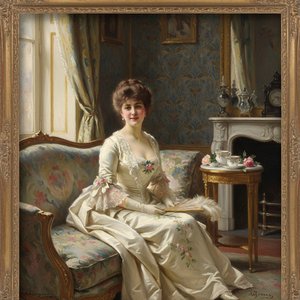
Alfred Stevens: Capturing Parisian Elegance & Fin-de-Siècle Intimacy
Discover the captivating world of Alfred Stevens, master of Parisian elegance & intimate portraiture. Explore his techniques, influences, and legacy – a prized collection for discerning art enthusiasts.

Romantic Realism's Finest: 10 Masterpieces for Your Home | OriginalUniqueArt
Explore 10 defining masterpieces of Romantic Realism! Discover Courbet, Millet & Daumier's powerful paintings—capturing emotion and social realities. Find museum-quality reproductions for your home at OriginalUniqueArt.com.
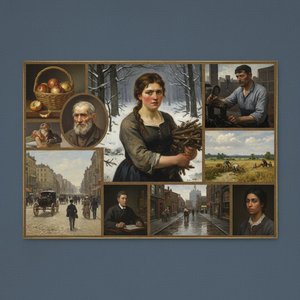
Realism's Masters: 10 Artworks That Capture Life's Essence | OriginalUniqueArt
Explore 10 iconic realism artworks by Courbet, Millet & more! Discover the stories behind these masterpieces of 19th-century painting. Find museum-quality art reproductions and elevate your home decor with OriginalUniqueArt.com.