

 Peržiūrėti realaus dydžio版
 Siųsti
 Dalintis
 Išsamiau
 Vadovas

 Atsisiųsti
 Panašūs eksponatai
 Rentgeno spindulių nuotrauka
 Diaporama
 Statistika
Self-Portrait
 Oil On Canvas
- WallArt
- Baroque Painting
 1699
1699- Contemporary
 81.0 x 66.0 cm
 Rijksmuseum
 Rodyti daugiau
Giclée / Meno spausdinimas
Muziejų lygio „giclée“ arba drobos spausdinimas: greita gamyba ir lankstios apdailos parinktys. ( Pirkti rankomis tapytą reprodukciją Perejti prie skaitmeninių vaizdų)




P118B €10

P118H €10

P118W €10

P438Z €10

P508JH €12

P508YH €12

P805H €10

P805Z €10

P919BZ €10

P919G €10

P919XJ €10

P959ZH €10

P968JZ €12

W106C €8

W218G €10

W218JH €8

W218Y €10

W307PJ €10

W316G €10

W316PJ €8

W316Y €10

W398PJ €8

W4111J €10

W500HY €15

W500JH €15

W692G €12

W849H €8

W940BG €15

W953PJ €8




Pasirinkite iš mūsų nustatytų dydžių, atitinkančių originalaus meno kūrinio proporcijas.

Įveskite jums reikiamą plotį ir aukštį, kad atvaizdas derėtų prie jūsų rėmo ar sienos. Spausdiną galima tik sumažinti, bet nepadidinti virš originalaus paveikslėlio dydžio, todėl keičiant proporcijas, dalis vaizdo prarandama. Prieš spausdinimą atsiųsime jums skaitmeninį maketą patvirtinimui. Šioje puslapio nuotraukoje matomas pjūvis nėra tikslus – jį rodo tik maketas.
Pristatymas visame pasaulyje () per 2 weeks, o ne įprastas 4/5 savaičių laikotarpis. (23 spalis)

Nemokamas greitasis pristatymas visame pasaulyje

Aukštos kokybės lininis drobė

Pilnas siuntimo draudimas

Muitinės mokesčių grąžinimo garantija

Tikro spalvų atitikimo garantija

100 dienų grąžinimo politika (tik esant įtaigoms)

100% pinigų grąžinimo garantija

Nuolaida dideliems užsakymams
 Stiklo variantas prieinamas tik pasirinkus dydį iki 110 cm

Self-Portrait
Giclée / Meno spausdinimas
Reprodukcijos dydis
-


Visų pasirinktų variantų kaina
€ 70
A Window into the Baroque Soul: Adriaen van der Werff’s Self-Portrait
Adriaen van der Werff's 1699 Self-Portrait is more than just a likeness; it’s a meticulously crafted window into the mind of a prominent Dutch artist during a pivotal era. Housed within the hallowed halls of the Rijksmuseum in Amsterdam, this oil on canvas painting transcends mere portraiture, offering a profound glimpse into the values, ambitions, and artistic sensibilities of 17th-century Europe. The work immediately commands attention with its dramatic use of chiaroscuro – the masterful interplay of light and shadow – which sculpts Van der Werff’s features and imbues the scene with an almost theatrical intensity. The artist doesn't simply present himself; he actively engages the viewer, inviting us into his world of artistic creation.
Van der Werff’s skill isn’t merely technical; it’s deeply rooted in a Baroque aesthetic that prized drama, emotion, and a heightened sense of realism. The composition itself is carefully orchestrated: the artist stands before a table laden with his tools – brushes, palettes, and a partially completed portrait of his wife and daughter – each element contributing to a narrative of dedication and artistic pride. The inclusion of this family portrait isn’t merely decorative; it speaks volumes about Van der Werff's life and priorities, suggesting a desire for domestic harmony alongside his professional pursuits. The gilt-framed miniature further emphasizes this familial connection, elevating the importance of his loved ones within his artistic world.
Decoding Baroque Techniques: Light, Shadow, and Detail
A closer examination reveals the intricate techniques that define Van der Werff’s style. The strong contrasts between light and dark – a hallmark of Baroque painting – aren't simply employed for visual effect; they serve to draw our attention to key focal points, particularly the artist himself. His face is rendered with an almost photographic precision, capturing every nuance of expression—a subtle hint of self-awareness mingled with quiet confidence. The meticulous detail extends beyond his features to encompass the textures of his clothing, the sheen of the gold trim, and even the delicate brushstrokes that define the miniature portrait.
Van der Werff’s mastery of color is equally noteworthy. He utilizes a rich palette of reds, browns, and golds, creating a sense of warmth and opulence. The dark background serves as a dramatic foil to these vibrant hues, further enhancing the impact of the figure in the foreground. The artist's use of sfumato – a subtle blurring technique – softens the edges of forms, lending an air of mystery and sophistication to the overall composition. This careful attention to detail and masterful manipulation of light and color are hallmarks of his distinctive style, setting him apart from many of his contemporaries.
A Reflection of its Time: Context and Symbolism
To fully appreciate Van der Werff’s Self-Portrait, it's essential to understand the historical context in which it was created. The Baroque period (roughly 1600-1750) witnessed a dramatic shift in artistic sensibilities, moving away from the restrained elegance of the Renaissance and embracing a more dynamic, emotional, and often theatrical style. The Catholic Church remained a significant patron of the arts during this time, commissioning works that celebrated religious themes and reinforced spiritual values. However, secular commissions also flourished, reflecting the growing wealth and influence of merchants and nobility.
Within the portrait itself, several symbolic elements contribute to its layered meaning. The artist’s pose—standing before his work—suggests a deliberate act of self-promotion and an assertion of artistic authority. The inclusion of his family underscores the importance of domesticity and legacy in 17th-century Dutch society. And the miniature portrait, depicting his wife and daughter, serves as a poignant reminder of the personal relationships that shaped his life and work. The overall impression is one of a man deeply connected to both his craft and his family—a testament to the values of his time.
Bringing Van der Werff’s Vision Home: A Reproduction for Today
OriginalUniqueArt offers meticulously crafted, hand-painted reproductions of Adriaen van der Werff's Self-Portrait, allowing you to experience this masterpiece in stunning detail. Our skilled artisans replicate the artist’s techniques with unparalleled accuracy, capturing the chiaroscuro, color palette, and nuanced expressions that define this iconic work. Whether displayed in a grand salon or a cozy study, our reproduction will serve as a beautiful reminder of the artistic brilliance of the Baroque era—a timeless piece of art that continues to inspire and captivate audiences today.
To explore more works by Adriaen van der Werff and delve deeper into his life and legacy, we invite you to visit our online gallery. For further insights into the Rijksmuseum’s collection, please see this resource.
问答 (or more naturally for a website heading): Klausimai ir atsakymai
Ar kūrinys „Self-Portrait“, autorius – Adriaen Van Der Werff saugomas originalaus paveikslautojo valstybėje?
Ne – kūrinys saugomas užsienyje. kūrinys „Self-Portrait“ saugomas Netherlands, o Adriaen Van Der Werff gimė Nyderlandai.
Kur ir kokiam tikslui rekomenduojamas kūrinys „Self-Portrait"]?
„Self-Portrait“, autorius – Adriaen Van Der Werff rekomenduojamas Statement, idealiai – Living Room. Naudojimo būdas ir erdvė kartu padeda suprasti, kur geriausiai tiktų reprodukcija.
Kokia yra originalaus kūrinio „Self-Portrait“, autorius – Adriaen Van Der Werff technika ir dydis?
„Self-Portrait“ sukurta naudojant Oil On Canvas, o jos originalus matmuvas yra 81 x 66 cm.
Autoriaus biografija
Dėmingos elegancijos meistras: Adriaen van der Werff gyvenimas
Didžiojo olandų aukso amžiaus gausioje audinyje nedaug siūlių švyti tokia poliuotu blizgesiu kaip Adriaen van der Werft kūryba. 1659 m. Hagoj gimęs Van der Werff iškrato iš meninės talento linijos – būdamas paveislininko sūnus, jis anksti ir artimai susipažino su šviesos bei formos niuansais. Jo formavimo metus lemė griežta Eglon van der Neer mokymas – kostiumų ir audinių meistro, kurio įtarmas iki šiaud yra matomas nuostabiuje, šilkiškame tekstūrose, apibrėžiančiuose vėlesnius Van der Werff kompozicijas. Šis ankstyvas mokymasis įsidieginো jame atsidavimą tikslumui, paversdamas jo ščetelį įrankiu, gebančiu įamžinti patį jautriausią odos ir audinio perėjimą.
Karjerai vystantis, Van der Werff peržengė gryną techninį meistriškumą ir pasiekė psichologinio gylio lygį, kuris užburė Europos aristokratiją. Kartu su savo broliu ir mokinio, Pieter van der Werff, jis Rotterdame įkūrė galingą studiją. Jo kilimas meninės bendruomenės aukštuose sluoksniuose buvo pažymėtas vadovavimu Šv. Logo gilėjai – itin prestižinga pozicija, leidžianti patraukti svarbiausių to laikmečio rėmėjų dėmesį. Jo kūryba tapo tiltu tarp ankstyvųjų olandų meistrų kietojo realizmo ir pradinio Rokoko judėjimo rafinuoto, elegantiško jautrumo.
Šviesos ir mitų simfonija
Tikroji Van der Werff opusų magija slypi jo gebėjime įkvėpti gyvybės mitologinėms ir biblijoms naratyvams iš senovės. Jis ne tiesiog iliustravo istorijas; jis jas scenizavo su dramatišku intensyvumu, naudojdamas chiaroscuro, kad sukeltų gilias emocijas. Tokiuose darbuose kaip „Lotas ir jo dukterys“, galima stebėti meistrišką šešėlio ir šviesos žaidimą, kur kiekvienas žvakės šviesos mirksėjimas padidina įtampos ir simbolinės scenos svorio pajautimą. Jo drobės dažnai tarnauja kaip langai į klasikinio elegancijos pasaulą, kuriame žmogaus kūnas yra atvaizduotas su porcelaniniu tolybumu, primenančiu tiek eteriškumą, tiek jautrią buvimą.
Jo techninis repertuaras buvo neįtikėtinai įvairiapusis, leidžiantis jam naviguoti tarp skirtingų portretavimo ir naratyvinio tapybos būdų:
- Mitologinis didybė: jo dievų ir herojų vaizdiniai dažnai naudoja monumentalias kompozicijas, kad perteiktų jėgą ir eleganciją.
- Intymi portretūra: darbuose, tokiuose kaip jo „Savitraktis“, jis parodė nepalaukiantį nuoširdumą, įamžindamas subjekto pasitikėjimą ir charakterį per kruopščiausias detales.
- Žanrinė tapyba ir grupės: kūriniai, tokie kaip „Vaikai žaidžiantys prieš Herkulo grupę“, parodo jo gebėjimą suderinti buitinį švelnumą su įtvirtinančiu klasikinės skulptūros buvimu, kurdamas sluoksniuotą naratyvą apie nekaltumą susitiekiančią su senove.
Palikimas ir istorinė reikšmė
Adriaen van der Werff įtarmė išsiplėtė daug už Niderlandų sienų. Renomė kaip „aukštosios tapybos meistro“ jam atvėrė duris aukščiausiesiems Europos karališkosios šeimos sluoksniams, įskaitant Palatinės kunigaikščius Johann Wilhelmą ir garsiąją Anna Maria Luisa de' Medici. Monumentalių kūrinių užsakymas Florensos dvariui yra įrodymas jo statuso kaip tarptautinės baroko eros figūros. Gebėjimas patenkinti išradingus Medicų šeimos skonius užtvirtino jo palikimą kaip meno meistro, suėjusio Šiaurės tikslumą su Pietų elegancija.
Galiausiai, Van der Werff reikšmė slypi jo vaidmenyje kaip perėjimo figūroje. Jis paimė pagrindinius olandų realizmo elementus – obsesiją tekstūra, šviesa ir tiesa – ir pakėlė juos į rafinuotą, dvarišką kalbą, kuri paveikė 18 amžiaus meno kryptį. Nors didžiųjų olandų meistrų era galiausiai atitraukė naujiems judėjimams, šviesus, poliuotas Van der Werff pasaulis išlieka neįtikėtinu paminku baroko menaudaros aukštumams.

Adriaen Van Der Werff
1659 - 1722 , Nyderlandai
Trumpa informacija apie kūrėją
- Artistic Movement Or Style: Barokas
- Artists Or Movements Influenced By This Artist: ['Olandų meistrai']
- Artists Who Influenced This Artist: ['Eglon van der Neer']
- Date Of Birth: Haga, Nyderlandai (1659)
- Date Of Death: 1722
- Full Name: Adriaen van der Werff
- Nationality: Olandas
- Notable Artworks:
- ŠVENTOJI MADALENA MEDITUOJANTI VAIČYBĖJE
- ADAMAS IR EVA
- SARA PRISTATĖ AGARĄ ABRAMUI
- Place Of Birth: Haga
Susiję straipsniai
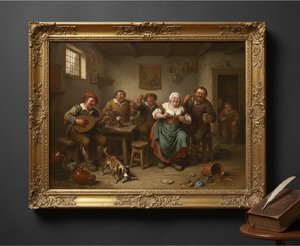
Adriaen van Ostade: A Master of Dutch Genre Painting & Social Commentary
Explore the life & work of Adriaen van Ostade, a leading Dutch Golden Age painter. Discover his realistic genre scenes, social commentary, and lasting influence on art history. Learn more at OriginalUniqueArt.
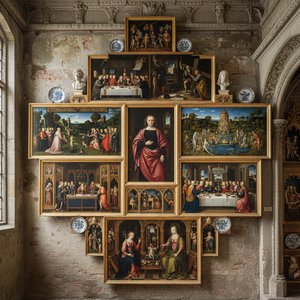
Early Netherlandish Masters: 10 Paintings That Revolutionized Art & Decor
Journey into the Early Netherlandish Renaissance! Explore 10 iconic paintings by Jan van Eyck, Rogier van der Weyden & more. Discover stunning detail, symbolism, and oil painting techniques. Find museum-quality art reproductions for your home at OriginalUniqueArt.com.

Hugo van der Goes: Devotion, Innovation & the Psychological Depth of Early Netherlandish Painting
Explore the revolutionary art of Hugo van der Goes – a master of Early Netherlandish painting renowned for his dramatic realism, psychological depth & profound influence on Renaissance artists. Discover his iconic works and lasting legacy.

Dutch Baroque Masters: 10 Paintings That Shaped an Era | OriginalUniqueArt
Journey through the Golden Age with our guide to the Top 10 Dutch Baroque masterpieces! Explore iconic paintings by Rembrandt, Vermeer & Frans Hals. Find museum-quality art reproductions and elevate your home decor at OriginalUniqueArt.com.

Rembrandto van Rijn šedevrai: 25 paveikslai, įkvėpę amžius | OriginalUniqueArt
Atraskite 25 įspūdingiausius Rembrandto paveikslus! Išsami istorija, meno technikos ir simbolika. Olandų baroko šedevrai jūsų interjerui – aukštos kokybės reprodukcijos OriginalUniqueArt.com. Explore the full collection online!


