

 Peržiūrėti realaus dydžio版
 Siųsti
 Dalintis
 Išsamiau
 Vadovas

 Atsisiųsti
 Panašūs eksponatai
 Rentgeno spindulių nuotrauka
 Diaporama
 Statistika
Moses Striking the Rock
 Acrylic
- WallArt
- Late Renaissance Mannerism
 1596
1596 80.0 x 108.0 cm
 Metropolitano muziejus
 Rodyti daugiau
Giclée / Meno spausdinimas
Muziejų lygio „giclée“ arba drobos spausdinimas: greita gamyba ir lankstios apdailos parinktys. ( Pirkti rankomis tapytą reprodukciją Perejti prie skaitmeninių vaizdų)




P118B €10

P118H €10

P118W €10

P438Z €10

P508JH €12

P508YH €12

P805H €10

P805Z €10

P919BZ €10

P919G €10

P919XJ €10

P959ZH €10

P968JZ €12

W106C €8

W218G €10

W218JH €8

W218Y €10

W307PJ €10

W316G €10

W316PJ €8

W316Y €10

W398PJ €8

W4111J €10

W500HY €15

W500JH €15

W692G €12

W849H €8

W940BG €15

W953PJ €8




Pasirinkite iš mūsų nustatytų dydžių, atitinkančių originalaus meno kūrinio proporcijas.

Įveskite jums reikiamą plotį ir aukštį, kad atvaizdas derėtų prie jūsų rėmo ar sienos. Spausdiną galima tik sumažinti, bet nepadidinti virš originalaus paveikslėlio dydžio, todėl keičiant proporcijas, dalis vaizdo prarandama. Prieš spausdinimą atsiųsime jums skaitmeninį maketą patvirtinimui. Šioje puslapio nuotraukoje matomas pjūvis nėra tikslus – jį rodo tik maketas.
Pristatymas visame pasaulyje () per 2 weeks, o ne įprastas 4/5 savaičių laikotarpis. (26 spalis)

Nemokamas greitasis pristatymas visame pasaulyje

Aukštos kokybės lininis drobė

Pilnas siuntimo draudimas

Muitinės mokesčių grąžinimo garantija

Tikro spalvų atitikimo garantija

100 dienų grąžinimo politika (tik esant įtaigoms)

100% pinigų grąžinimo garantija

Nuolaida dideliems užsakymams
 Stiklo variantas prieinamas tik pasirinkus dydį iki 110 cm

Moses Striking the Rock
Giclée / Meno spausdinimas
Reprodukcijos dydis
-


Visų pasirinktų variantų kaina
€ 70
A Dramatic Encounter with Divine Power: Abraham Bloemaert’s Moses Striking the Rock
Abraham Bloemaert's "Moses Striking the Rock" stands as a testament to the fervor of the Baroque period in Dutch art, capturing a pivotal biblical narrative with breathtaking dynamism and meticulous detail. Painted in 1596, this monumental canvas transcends mere depiction; it embodies an emotional intensity that speaks to themes of faith, leadership, and divine intervention—elements profoundly resonant within its time and continuing to captivate audiences today. The artwork resides prominently within the Metropolitan Museum of Art’s collection, a testament to its enduring artistic merit.- Subject Matter: The painting portrays Moses commanding God to part the Red Sea, an event recounted in Exodus 17:1–6—a cornerstone of Jewish and Christian scripture symbolizing deliverance from oppression and divine providence.
- Style & Influences: Bloemaert’s style firmly anchors itself within Mannerism, a stylistic movement characterized by elongated figures, stylized poses, and dramatic contrasts of light and shadow. However, he skillfully incorporates Baroque elements—particularly the theatrical use of space and gesture—reflecting the artistic sensibilities prevalent in Utrecht during his era. Notably, Bloemaert drew inspiration from contemporary Italian art, specifically the works of Michelangelo Buonarroti and Raphael Sanzio, whose mastery of anatomy and composition profoundly impacted Dutch painters.
Technical Brilliance: Composition and Color Palette
Bloemaert’s technical prowess is evident in every brushstroke. The artist meticulously rendered musculature with an unprecedented level of realism—a stylistic hallmark of Mannerism—emphasizing the heroic stature of Moses as he raises his arm to strike the rock, summoning forth water for the Israelites. The pyramidal composition directs the viewer's gaze upwards towards Moses, reinforcing the central figure’s importance and conveying a sense of upward movement and aspiration. Furthermore, Bloemaert employed a rich color palette dominated by earthy tones—ochres, browns, and reds—creating an atmosphere of solemn grandeur and highlighting the dramatic interplay between light and darkness. The subtle gradations of color contribute to the painting's emotional impact, mirroring the fervor of religious devotion.Symbolism & Narrative Depth
Beyond its visual splendor, “Moses Striking the Rock” is laden with symbolic significance. Moses represents leadership, faith, and obedience—qualities revered in Christian theology as essential for achieving salvation. The rock symbolizes God’s power and provision—a tangible manifestation of divine intervention amidst adversity. The surrounding figures—including the woman bearing a water pitcher—serve to amplify the narrative's drama and underscore the importance of communal effort in overcoming obstacles. Bloemaert’s depiction captures not merely an event but also its psychological dimension, conveying the palpable tension between Moses’ unwavering conviction and God’s willingness to demonstrate His benevolence.Legacy & Artistic Significance
Abraham Bloemaert's "Moses Striking the Rock" remains a seminal work of Baroque art—a cornerstone of Utrecht Caravaggisti style. It exemplifies the artistic ambition of its time, blending Mannerist formalism with Baroque theatricality to produce an image that continues to inspire awe and contemplation. Its influence can be traced throughout Dutch painting history, shaping subsequent generations of artists who sought to emulate Bloemaert’s masterful technique and expressive vision. Today, reproductions of this iconic artwork offer a window into the artistic spirit of the Renaissance—a celebration of faith, heroism, and the sublime beauty of God's power.问答 (or more naturally for a website heading): Klausimai ir atsakymai
Kokie yra „Moses Striking the Rock“, autorius – Abrahamas Bloemaertas realūs dimensijų matiniai?
Originalaus dydžio kūrinys „Moses Striking the Rock“ yra 80 x 108 cm. Originalūs matmenys yra naudingas orientiris renkantis reprodukcijos dydį.
Ar „Moses Striking the Rock“ yra būdingas tam, ką Abrahamas Bloemaertas paprastai kūrė?
Dažniausios Abrahamas Bloemaertas temas apima dramatic biblical narrative, italian mannerist aesthetics, religious fervor and power, bloemaert’s signature style, dutch baroque tradition; kūrinys „Moses Striking the Rock“ susitelkia į moses, rock, desert, biblical scene, religious art, dutch painting, abraham bloemaert.
Ar galiu pamatyti „Moses Striking the Rock“, autorius – Abrahamas Bloemaertas skirtingame apšvietime?
Darbino „Moses Striking the Rock“, autorius – Abrahamas Bloemaertas puslapio Rentgenas veją yra interaktyvus naršyklė, leidžiantis peržiūrėti vienu metu vienąn ਤੋਂ vienas dvylkant optinių vaizdo sluoksnių, įskaitant rentgeno tipo vaizdą.
Autoriaus biografija
Gyvenimas, pasanduotas menui: Abrahamo Bloemaerto pasaulis
Abrahamas Bloemaertas, gimęs Gorinkheme 1564 metais ir miręs Utreke 1651 m., yra viena iš svarbiausių figūrų, sujungusi manierizmo ir baroko laikotarapius olandų tapybroje. Jo ilga ir gausi kūrybinė karjera vyko religinių bei politinių çiavių fone, tačiau jis nuolat kūrė darbus, pasižyminčius tiek dramatišku intensyvumu, tiek subtiliu grožiu. Bloemaerto kelionė prasidėjo po savo tėvo, architekto Cornelis Bloemaert I, priežiūra, kuris jam įdiegė pagrindinį formos ir kompozicijos suvokimą. Ši ankstyvoji mokslė yra dar labiau tobulinama studijuojant Utreke su Gerrit Splinter ir Joos de Beer, taip parengiant pagrindus jo meninei paieškai. Po to sekė kritinė laikotarpis – trys metai Paryzuje, nuo 1581 iki 1583 m. Ten jis įsipėmė Jehan Bassot ir Maistre Herry įtakas, kartu susipažindamas su Hieronymus Francken darbu – kitu olandu dailininkas, kuris išplėtė jo stiliaus horizontus. Šis parysčio pasirodymas tapo formavtuoju, atversdamu jam duris į aukščiausios klasės prancūzų mokyklos eleganciją ir parengdamu舞台 jo būsimoms naujovėms.Nuo manierizmo iki baroko: Besikeičianti estetika
Grįžęs į Utreką, Bloemaertas greitai užsitikrino priekioje lyderio poziciją. Pradinėje stadijoje jo stilius atitiko vyravusį Haarlem manierizmą – būdingą išlygintoms figūroms, elegantiškoms pozoms ir dažnai sudėtingoms alegorinėms istoriją. Tačiau jis nebuvo pasiryžęs likti tik vienetoje šioje rėmuje. Pradėjus XVII ameniui, Bloemaertas pradėjo priimti pradinę baroko estetiką – pokytį, pažymimą didėjančiu dinamizmu, emociniu intensyvumu ir stipresniu realizmo pojūčiu. Šis perėjimas nebuvo staigus; priešpriešiai jį atrodė kaip palaipsniška evoliucija, sujungiant abi stilius į unikalią, asmenišką meninę kalbą. Jis meistriškai panaudojo dramatiškus apšvietimo efektus, turtingas spalvų paletes ir išraiškingus gestus, kad perteiktų galingas naratyvus ir sukel бы emocijų pasiekimą žiūrėtojams. Jo paveikslai pradėjo rezonuoti su nauja energija, atspindėdami besikeičiantį kultūrinį Respublikos kraštovo peizažą.Razdidžių ir technikų meistras
Bloemaerto kūrybinė veikla buvo neįtikėtinai įvairi. Jis išs distinguished istorinėje tapybroje, sugalvėdamas biblijines istorijas ir klasikinę mitologiją į gyvenimą, suteikdamas joms įtraukiantį detalį ir emocinį gylį. Peizažai taip pat užėmė ypatingą vietą jo repertuarėje – dažnai jie tarnavo kaip religinių ar mitologinių scenų fonas, tačiau vis dažniau tapdavo savarankiškais temų objektais: vaizdingomis erdvėmis, kurioje figūros užimtuos kasdienėmis veiklomis. Be tapybos, Bloemaertas buvo itin įgudęs grafikos meistras, meistriškai valdantis tiek etingą, tiek graviravimą. Šie grafiniai darbai padėjo plačiau išskleisti jo meninę viziją, prisidedant reikšmingai prie jo reputacijos ir įtakos. Jo techninis meistriškumas išsiplėtė į natūralų tapybą bei gyvūnų vaizdus, demonstruodamas išimtinį universalumą, kuris išskyrė jį iš daugelio samtvorių. Žymūs darbai, tokie kaip „Hagaros ir Ismaelio išmetimas“, „Venerė ir Adonis“ bei „Karasininkas ir jaunas vėliavų nešėjas“, iliustruoja šį platumą, parodant jo gebėjimą valdyti sudėtingas kompozicijas ir su pasiūlyti nuosaikius emocinius potvėkius.Gausi kūrybos ir ilgalaikė paliktis
Abrahamas Bloemaertas buvo ne tik talentingas dailininkas, bet ir įtakingas mokytojas. Jis Utrekoje įkūrė klestintį dirbtuvę, pritraigdąs daugybę mokinių, kurie vėliau patys tapo iškilmingais menininkais. Nuostabu, kad ir jo ketri sūnus – Hendrick, Frederick, Cornelis ir Adriaan – visi seko jo pėdsakiu, pasiekdami didelę sėkmę kaip tapininkai ir graveira. Be savo artimųjų, Bloemaertas mokė olandų dailininkų kartą, įskaitant Jan Aerntsz de Hel, Nicolaes van Bercheyck, Leonaert Bramer, Bartholomeus Breenbergh, Hendrick ter Brugghen ir Gerrit van Honthorst. Jo įtaka buvo ypač stipri Utreko Caravaggisti grupėje – dailininkų bendruomenėje, priėmusioje dramatišką realizmą ir tenebrizmą (šviesos ir tamsos stipraus kontrasto naudojimą), kurį pradininkavo Caravaggio. Bloemaerto mokymas padėjo suformuoti jų išskirtinį stilių, užtvirtindamas jo poziciją kaip pagrindinės figūros olandų baroko tapybos vystyme. Jo paliktis ir šiandien lieka gyva: jo darbai vertinami dėl jų techninio švytėjimo, emocinio galios ir istorinės reikšmės. Jie stovi kaip įkvėpėją kūrybinėms paiešoms bei naujovėms, palikdami neištrinčiam žymą menų pasaulyje.
Abrahamas Bloemaertas
1564 - 1651
Trumpa informacija apie kūrėją
- Artistic Movement Or Style: Barokas, manierizmas
- Artists Or Movements Influenced By This Artist: ['Utreto karavadžisti']
- Artists Who Influenced This Artist: ['Hieronymus Francken']
- Date Of Birth: 1564
- Date Of Death: 1651
- Full Name: Abraham Bloemaert
- Nationality: Olandas
- Notable Artworks:
- Hagarios iškovijimas
- Venerė ir Adonis
- Peisizčių landšaftas
- Place Of Birth: Gorinchem, Nyderlandai
Susiję straipsniai

Golden Age Reflections: Dutch Baroque Painting & Cultural Innovation
Explore the Dutch Golden Age of painting! Discover key artists like Vermeer & ter Borch, their innovative techniques, and the rich cultural context behind these Baroque masterpieces. Learn about collecting & appreciating this iconic art period.

Baroko Šedevrai: 10 Menų Simbolių, Apibūdinusių Epoką | OriginalUniqueArt
Atraskite 10 baroko šedevrų, kurie apibrėžė epoką! Karolis Rubenzas, Berninis ir kiti meistrai – jų kūriniai, istorijos bei spalvos. Aukščiausios kokybės dailės reprodukcijos ir interjero įkvėpimas OriginalUniqueArt.com. Išnagrinėkite visą kolekciją internete!
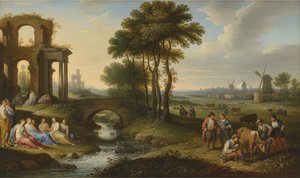
Cornelis van Poelenburch: Bridging Mannerism & the Dutch Baroque Landscape
Discover Cornelis van Poelenburch, a pivotal Dutch Baroque landscape painter bridging Mannerism & Italianate styles. Explore his life, key works, and lasting influence on 17th-century art with OriginalUniqueArt.

Dutch Baroque Masters: 10 Paintings That Shaped an Era | OriginalUniqueArt
Journey through the Golden Age with our guide to the Top 10 Dutch Baroque masterpieces! Explore iconic paintings by Rembrandt, Vermeer & Frans Hals. Find museum-quality art reproductions and elevate your home decor at OriginalUniqueArt.com.

Crimson Threads of Narrative: Exploring Symbolism & Representation in Artworks Featuring the Red Dress
Explore the rich symbolism of the red dress in art history! From ancient power displays to iconic portraits like Cézanne’s 'Madame Cezanne', discover the cultural and artistic significance behind this captivating color. Expert analysis & insights.
