실제 크기로 보기
 보내기
보내기 공유하기
공유하기
 상세 보기
상세 보기 가이드 보기

 이미지 다운로드
 유사 작품 더 보기
 X-레이
X-레이 슬라이드 쇼 보기
 통계 정보
통계 정보Genoese Noblewoman
 Oil On Canvas
- WallArt
- Baroque Portraiture
 1622
1622 102.0 x 86.0 cm
 프릭 미술관
 상세 보기
상세 보기
핸드메이드 유화 복제화
작가가 직접 캔버스에 손으로 그린 유화 작품으로, 원하는 크기와 액자로 맞춤 제작해 드립니다. ( 프린트 판매로 전환 디지털 이미지 판매 채널로 전환)




P118B $10

P118H $10

P118W $10

P438Z $10

P508JH $12

P508YH $12

P805H $10

P805Z $10

P919BZ $10

P919G $10

P919XJ $10

P959ZH $10

P968JZ $12

W106C $8

W218G $10

W218JH $8

W218Y $10

W307PJ $10

W316G $10

W316PJ $8

W316Y $10

W398PJ $8

W4111J $10

W500HY $15

W500JH $15

W692G $12

W849H $8

W940BG $15

W953PJ $8




작품의 원본 비율을 그대로 유지하는 프리셋 사이즈 중에서 선택해 보세요.

특정 프레임이나 공간에 맞춰 원하는 크기를 직접 입력하실 수 있습니다. 선택하신 크기가 원본 이미지의 비율과 일치하지 않을 경우, 작품을 자르거나 추가적인 수작업 요소를 더해 그림을 확장하여 제작합니다. 제작 시작 전, 최종 확인을 위해 디지털 목업을 보내드립니다.
화면상의 미리 보기는 실제 크롭(자르기)이나 확장된 상태를 완벽히 반영하지 않을 수 있습니다. 최종 구도는 오직 목업을 통해서만 정확하게 확인하실 수 있습니다.
맞춤 크기 제작도 가능하지만, 원본의 비율을 그대로 유지하기 위해서는 미리 정의된 목록에서 크기를 선택하시는 것을 권장합니다.
주문 완료 후 OriginalUniqueArt.com 팀에서 상세 안내를 위해 고객님께 이메일을 보내드리며, 미리보기 시안을 함께 제공해 드립니다.


 유리 옵션은 110cm 미만 크기에서만 선택 가능합니다.

Genoese Noblewoman
재현 매체
복제본 규격
-


총 결제 금액
$ 300
A Glimpse of Genoese Grandeur: Anthony van Dyck’s “Genoese Noblewoman”
Anthony van Dyck's "Genoese Noblewoman," painted circa 1625-1627, isn’t merely a portrait; it’s a meticulously crafted window into the opulent world of early 17th-century Genoa. This captivating work, now residing within The Frick Collection in New York City, offers a rare glimpse into the refined tastes and social dynamics of a wealthy Italian city-state – a vibrant hub of commerce, art, and cultural exchange during a period of immense artistic flourishing.
The painting immediately draws the eye with its masterful use of light and shadow. Van Dyck, deeply influenced by his time spent in Italy under Peter Paul Rubens, employs a technique known as chiaroscuro – dramatic contrasts between light and dark – to sculpt the figure’s form and imbue the scene with an almost theatrical quality. The soft illumination that washes over the woman's face highlights her delicate features and creates a sense of intimacy, while the darker background subtly emphasizes her status and wealth. Notice how he uses this technique to draw attention to the intricate details of her clothing – a testament to his skill in rendering luxurious fabrics.
A Symphony of Silk and Lace: Costume and Symbolism
The woman’s attire is a key element of the portrait, speaking volumes about her social standing and the prevailing fashion trends of the time. She wears a richly embroidered farthingale – a wide, conical skirt supported by whalebone hoops – indicative of the fashionable silhouette popular in Genoa during this period. The elaborate lace trim adorning her cuffs and neckline signifies wealth and refinement, while the deep V-shaped bodice reflects a shift away from the more restrictive styles of previous centuries. The choice of black lace, particularly, suggests a recent widowhood, adding a layer of poignant beauty to the image – a detail that has fueled scholarly debate regarding the woman’s identity.
Beyond the immediate visual details, the portrait is laden with symbolic meaning. The small object she holds in her hand—its precise nature remains somewhat enigmatic—could represent jewelry, an emblem of her family, or perhaps even a token of mourning. The overall composition evokes a sense of dignified composure, reflecting the expected demeanor of a noblewoman within Genoese society.
Van Dyck’s Italian Sojourn and Genoa's Artistic Legacy
It’s crucial to understand that Van Dyck’s time in Italy profoundly shaped his artistic development. His sojourn in Genoa, following his period with Rubens, provided him with invaluable experience working alongside other artists and encountering the sophisticated tastes of Genoese nobility. The city was a melting pot of Flemish, Italian, and Spanish influences, creating an environment ripe for artistic innovation. This portrait is a direct result of this exposure – a synthesis of Van Dyck’s Northern European sensibilities and the vibrant artistic traditions of Italy.
Interestingly, Genoa held a special significance for Van Dyck; it was there that he spent most of his time after his return from Italy. The city's thriving merchant community and its connection to the Flemish diaspora created a unique cultural landscape where Flemish artists could flourish. The portrait reflects this atmosphere – a blend of formality and relaxed elegance, mirroring the spirit of Genoa itself.
A Timeless Portrait: Emotional Resonance and Artistic Merit
“Genoese Noblewoman” transcends its historical context to offer a timeless portrayal of beauty, grace, and social status. Van Dyck’s ability to capture not only the physical likeness of his subject but also her inner dignity and composure is truly remarkable. The painting invites viewers to contemplate the complexities of Renaissance society – the interplay between wealth, power, and personal identity.
Today, reproductions of this masterpiece continue to captivate art lovers worldwide. Its exquisite detail, masterful technique, and evocative atmosphere make it a perennial favorite for interior designers seeking to infuse their spaces with a touch of historical elegance. It’s a testament to Van Dyck's genius that his work continues to resonate centuries after its creation – a poignant reminder of the enduring power of art to transport us across time and cultures.
작가 소개
Sir Anthony van Dyck (1599 - 1641): Master Flemish Baroque Painter
Sir Anthony van Dyck, born in Antwerp in 1599, ascended to the pinnacle of artistic achievement during the Baroque era—a period defined by grandeur, drama, and opulent ornamentation. His life unfolded as a remarkable journey through Europe’s artistic capitals, culminating in his untimely demise at just forty-two years old, yet he left an indelible mark on art history, primarily recognized for his unparalleled skill in crafting portraits of European aristocracy and establishing a new standard for royal representation in England. From humble beginnings as the seventh child of Frans van Dyck—a prosperous silk merchant—his innate talent swiftly propelled him toward mastery under the tutelage of Hendrick van Balen, absorbing the stylistic currents prevalent in Antwerp’s artistic milieu. However, it was his formative association with Peter Paul Rubens that truly cemented his foundational understanding of artistic expression; Rubens' dynamic compositions, rich color palettes, and masterful manipulation of light profoundly impacted Van Dyck’s technique and vision.Italian Sojourns: Shaping a Distinctive Style
Around 1621, Van Dyck embarked on an expedition to Italy—a pivotal moment in his artistic maturation. Primarily residing in Genoa, he garnered considerable acclaim among the city's aristocratic families, cultivating a style characterized by graceful poses, sumptuous fabrics, and an almost palpable aura of nobility. Unlike Rubens’s energetic canvases, Van Dyck’s Italian portraits radiated composure, capturing not merely physical likeness but also the inner character and social status of his subjects. This period witnessed him experimenting with innovative etching techniques—a medium he skillfully employed to produce *Iconography*, a series of meticulously rendered portrait prints featuring prominent figures of his time: artists, scholars, and rulers alike. These etchings transcended mere documentation; they functioned as carefully constructed images designed to convey prestige and intellect, demonstrating Van Dyck’s exceptional technical prowess and establishing him as a leading printmaker within the Baroque landscape.Rubensian Influence & Early Artistic Development
The influence of Peter Paul Rubens was undeniable—a partnership that fostered Van Dyck's artistic evolution. Rubens’s dramatic use of color and light served as an inspiration, shaping Van Dyck’s approach to composition and technique. Initially mirroring Rubens’s style—characterized by theatrical gestures and vibrant hues—Van Dyck soon differentiated himself through a refined elegance and subtlety that would become his signature aesthetic. His early works showcased a penchant for exaggerated expressions—capturing the fervor of religious ecstasy or the intensity of dramatic emotion—reflecting the Baroque preoccupation with conveying psychological depth alongside visual splendor. He skillfully rendered details of costume and décor, elevating portraiture to an art form that celebrated both beauty and social distinction.The Royal Patronage: Van Dyck in London
In 1632, Van Dyck received a momentous invitation—a summons from Charles I of England to assume the role of court painter. This appointment irrevocably altered his artistic trajectory, propelling him into the epicenter of English art and establishing him as the dominant force shaping royal portraiture for over fifteen decades. He arrived in London with considerable renown and swiftly gained favor among the king’s advisors, tasked with creating images that projected an image of regal authority and divine right—a mission he undertook with unwavering dedication. Van Dyck's portraits of Charles I stand apart from earlier depictions; he eschewed stiff formality, favoring dynamic poses and expressive gestures to convey charisma and leadership. His innovative use of lighting—particularly chiaroscuro—created dramatic contrasts that accentuated the sitter’s features and imbued the canvases with an emotional resonance unmatched by his predecessors.Legacy & Enduring Significance
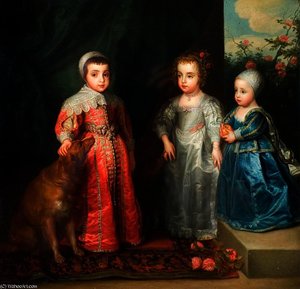
Van Dyck's untimely death in 1641 tragically curtailed his artistic career, yet his legacy persists as a cornerstone of Baroque art history. His influence on English portraiture remains profound—he established a standard of elegance and sophistication that subsequent artists diligently pursued. Beyond his technical brilliance—his mastery of oil painting and etching—Van Dyck possessed an unparalleled ability to capture the essence of his subjects—their inner lives, their social standing, and their aspirations. His works continue to captivate audiences with their beauty, psychological insight, and timeless artistic merit. From *The Balbi Children* to *Charles I in Three Positions*, Van Dyck’s masterpieces exemplify the pinnacle of Baroque artistry, securing his place as one of the most revered artists of his era—a testament to the enduring power of art to transcend time and inspire generations of observers.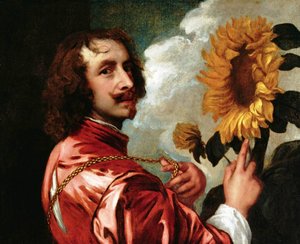
앤서니 반 디크
1599 - 1641 , 벨기에
작가 정보 요약
- Artistic Movement Or Style: 바로크 미술
- Artists Or Movements Influenced By This Artist: ['영국 초상화 스타일']
- Artists Who Influenced This Artist: ['페터 폴 루베네스']
- Date Of Birth: 1599년 3월 22일
- Date Of Death: 1641년 12월 9일
- Full Name: Sir Anthony van Dyck
- Nationality: 플란데스인
- Notable Artworks:
- 바르비 아이들 그림 세트
- 찰스 1세 왕의 초상화 세트
- 존 스튜어트 공작과 형제 초상화
- Place Of Birth: 안트베르펜, 벨기에
관련 기사

Charles-André van Loo: A Study in Rococo Portraiture & the French Court's Artistic Dynamics
Explore the elegant world of Charles-André van Loo, a master of Rococo portraiture at the French court. Discover his life, techniques, and enduring influence on 18th-century art. Hand-painted reproductions available.
The Grandeur of Baroque Portraiture: Power, Emotion & Artistic Innovation
Explore the grandeur of Baroque portraiture! Discover Rubens, Van Dyck & the masters of 17th-century art. Uncover symbolism, techniques & lasting influence. Expert insights for collectors and enthusiasts.

Dutch Baroque Masters: 10 Paintings That Shaped an Era | OriginalUniqueArt
Journey through the Golden Age with our guide to the Top 10 Dutch Baroque masterpieces! Explore iconic paintings by Rembrandt, Vermeer & Frans Hals. Find museum-quality art reproductions and elevate your home decor at OriginalUniqueArt.com.
Sir Anthony van Dyck: Courtly Portraiture & the Shaping of Baroque Identity
Explore the life & legacy of Sir Anthony van Dyck, the leading court painter of his era. Discover his innovative portraiture, Baroque masterpieces, and investment potential for discerning collectors. Learn more at OriginalUniqueArt.

렘브란트 반 레인 명작 25선: 빛과 그림자의 거장, 예술의 정수를 만나다
렘브란트 반 레인 명작 25선을 만나보세요. 빛과 그림자의 거장이 그린 역사화, 초상화 속 예술의 정수를 감상하고, 네덜란드 황금시대 바로크 미술의 깊이를 느껴보세요. OriginalUniqueArt.com에서 고품질 복제화를 컬렉션하세요.