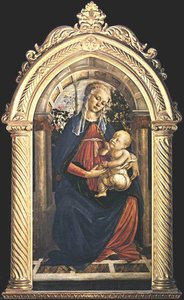
실제 크기로 보기
 보내기
보내기 공유하기
공유하기
 상세 보기
상세 보기 가이드 보기

 이미지 다운로드
 유사 작품 더 보기
 X-레이
X-레이 슬라이드 쇼 보기
 Q&A
Q&A 통계 정보
통계 정보Last Communion of St. Jerome


 상세 보기
상세 보기
지클레 / 아트 프린트
빠른 제작과 다양한 마감 옵션을 선택할 수 있는 박물관 수준의 지클레이 및 캔버스 프린트. ( 수작업 채색 복제본 주문하기 디지털 이미지 판매 채널로 전환)




P118B ₩10

P118H ₩10

P118W ₩10

P438Z ₩10

P508JH ₩12

P508YH ₩12

P805H ₩10

P805Z ₩10

P919BZ ₩10

P919G ₩10

P919XJ ₩10

P959ZH ₩10

P968JZ ₩12

W106C ₩8

W218G ₩10

W218JH ₩8

W218Y ₩10

W307PJ ₩10

W316G ₩10

W316PJ ₩8

W316Y ₩10

W398PJ ₩8

W4111J ₩10

W500HY ₩15

W500JH ₩15

W692G ₩12

W849H ₩8

W940BG ₩15

W953PJ ₩8




작품의 원본 비율을 그대로 유지하는 프리셋 사이즈 중에서 선택해 보세요.

액자나 벽면 크기에 맞춰 필요한 가로와 세로 길이를 입력해 주세요. 프린트는 원본 이미지보다 크게 제작할 수 없으며 오직 자르는 것만 가능하므로, 비율이 다른 사이즈를 선택할 경우 이미지의 일부가 잘려 나갈 수 있습니다. 인쇄 작업에 들어가기 전, 최종 확인을 위해 디지털 목업을 보내드립니다. 이 페이지에 표시된 이미지는 실제 잘리는 영역을 나타내지 않으며, 오직 목업을 통해서만 정확한 확인이 가능합니다.


 유리 옵션은 110cm 미만 크기에서만 선택 가능합니다.

Last Communion of St. Jerome
지클레 / 아트 프린트
복제본 규격
-


총 결제 금액
₩ 107587
A Moment of Grace: Botticelli’s *Last Communion of St. Jerome*
Sandro Botticelli's *Last Communion of St. Jerome*, painted between 1495 and 1500, isn’t merely a depiction of a religious scene; it’s a profound meditation on mortality, faith, and the quiet dignity of suffering. Housed within the Museo Civico in Padua, Italy, this oil-on-panel artwork offers a rare glimpse into the artist's evolving style during the heart of the Early Italian Renaissance – a period marked by an intense reawakening of interest in classical ideals yet firmly rooted in Christian iconography. The painting captures a poignant moment: St. Jerome, nearing his death, receives the Eucharist, a symbolic act representing spiritual nourishment and preparation for the afterlife. Botticelli masterfully uses light and shadow to create a sense of intimacy, drawing the viewer into this deeply personal scene.
The Language of Form and Color
Botticelli’s technical prowess is immediately evident in *Last Communion of St. Jerome*. He employed the oil-on-panel technique with remarkable precision, allowing for a richness of color and detail that was revolutionary at the time. Notice how he renders the textures – the folds of the drapery, the smoothness of the skin, even the delicate leaves of the potted plants flanking the scene. This commitment to naturalism is characteristic of the Renaissance, yet Botticelli imbues it with an ethereal quality, a sense of otherworldly beauty. The palette is restrained but effective: muted earth tones—ochres, browns, and greens—are punctuated by subtle highlights that draw attention to key figures and details. The composition itself is carefully balanced, guiding the eye through the scene from Jerome’s prone form towards the attentive faces surrounding him.
Historical Context and Humanistic Vision
To understand *Last Communion of St. Jerome*, it's crucial to consider the broader context of the Early Renaissance in Italy. The rediscovery of classical antiquity fueled a renewed interest in humanism – an emphasis on human potential, reason, and individual experience. Botticelli’s portrayal of St. Jerome reflects this shift. He isn’t depicted as a remote saint but as a vulnerable human being facing his own mortality. The presence of the attendants, their expressions of concern and devotion, underscores the communal nature of faith and the importance of support in times of suffering. This departure from purely symbolic representation marks a significant step towards a more psychologically nuanced approach to religious subjects – a hallmark of Botticelli’s later work.
Symbolism and Emotional Resonance
Beyond its immediate narrative, *Last Communion of St. Jerome* is rich in symbolism. The potted plants, particularly the one near the top left corner, are often interpreted as representing earthly life and beauty, juxtaposed against the spiritual reality of the scene. The act of receiving communion itself symbolizes a profound connection with God – a merging of the physical and spiritual realms. Botticelli’s skill lies in conveying not just *what* is happening but also *how* it feels. The painting evokes a sense of quiet contemplation, sorrow, and ultimately, hope. It's a testament to the enduring power of faith and the acceptance of life’s inevitable end.
At OriginalUniqueArt.com, we offer meticulously crafted hand-painted reproductions that capture the essence of Botticelli’s masterpiece. Experience the beauty and depth of *Last Communion of St. Jerome* in stunning detail – a timeless work of art for your home or office. Explore our collection of Sandro Botticelli reproductions today.
질의응답
산드로 보티첼리의 "Last Communion of St. Jerome"의 미술사적 위치는 무엇인가요?
역사적으로 "Last Communion of St. Jerome"은(는) 더 넓은 의미의 Early Medieval 시대에 속하는 Early Italian Renaissance 작품입니다.
산드로 보티첼리의 "Last Communion of St. Jerome"의 특징적인 기법과 화풍은 무엇인가요?
"Last Communion of St. Jerome"은(는) Oil On Panel 기법을 사용하여 Early Italian Renaissance 양식으로 제작되었습니다.
산드로 보티첼리의 "Last Communion of St. Jerome"은(는) 세로형, 가로형 또는 정사각형 구도인가요?
산드로 보티첼리의 "Last Communion of St. Jerome"은(는) Portrait 구도로 이루어져 있습니다. 프린트 크기를 결정하시기 전에 비율을 확인해 보시는 것이 좋습니다.
작가 소개
산드로 보티첼리: 르네상스의 우아한 선율
산드로 보티첼리는 15세기 플로렌스에서 빛나는 예술가였습니다. 그의 본명은 알레산드로 디 마리아노 필리페피였지만, 아버지의 직업과 관련하여 ‘보티첼리’라는 애칭으로 더 잘 알려졌습니다. 그는 초기 르네상스 시대에 활동하며, 종교적인 주제뿐만 아니라 고대 신화와 서사시를 아름다운 그림으로 표현했습니다. 보티첼리의 삶은 플로렌스의 예술적, 사회적 중심부에서 깊이 뿌리내리고 있었으며, 그의 작품들은 당시의 문화적 번영과 인간주의 사상의 영향을 짙게 반영하고 있습니다. 그는 단순한 화가가 아니라, 시대정신을 담아낸 시인이자 아름다움을 추구하는 철학자였습니다.예술가로서의 성장과 초기 작품
보티첼리는 어린 시절부터 그림에 재능을 보였으며, 금세공 기술을 배우는 것으로 시작하여 프라 필리포 리피에게 사사하며 본격적인 화가의 길을 걷게 되었습니다. 리피의 가르침은 그의 예술적 기반을 다지는 데 중요한 역할을 했지만, 그는 곧 안토니오 델 폴라이올로와 안드레아 델 베로키오의 작품들을 연구하며 자신만의 독특한 스타일을 발전시켜 나갔습니다. 초기에는 주로 종교적인 주제를 다루었으며, 특히 마돈나와 아기의 그림들은 그의 섬세하고 우아한 선과 부드러운 색채 감각을 잘 보여줍니다. ‘마리아 숭배’는 그의 초기 작품 중 중요한 위치를 차지하며, 당시 플로렌스 미술의 특징인 원근법과 인물 표현에 대한 깊이 있는 이해를 엿볼 수 있게 합니다. 이러한 작품들은 메디치 가문과 같은 귀족들의 후원을 받으며 제작되었고, 보티첼리의 명성을 높이는 데 기여했습니다.신화와 아름다움의 재해석: 걸작 탄생
보티첼리는 고대 그리스 로마 신화를 자신만의 방식으로 해석하며 르네상스 미술에 새로운 경지를 열었습니다. 그의 대표작인 ‘비너스의 탄생’은 단순한 신화 속 인물의 표현을 넘어, 이상적인 아름다움과 인간의 정신적 가치를 상징하는 걸작으로 평가받고 있습니다. 이 작품에서 보티첼리는 섬세한 선과 부드러운 색채를 사용하여 비너스를 묘사하며, 그녀의 우아함과 신비로움을 극대화했습니다. 또 다른 대표작인 ‘봄’은 다산과 풍요를 상징하는 아름다운 여성들의 모습을 담고 있으며, 고대 신화 속 인물들을 현대적인 감각으로 재해석하여 당시 미술계에 큰 반향을 일으켰습니다. 이러한 작품들은 보티첼리가 단순한 화가를 넘어, 철학적 사유와 예술적 영감을 결합한 거장임을 증명합니다.예술적 변화와 후기 작품
15세기 말, 프란체스코 카라라의 설교로 인해 플로렌스 사회는 종교적인 열정으로 들끓었고, 보티첼리의 작품에도 영향을 미쳤습니다. 그는 이전보다 더욱 엄격하고 영적인 주제를 다루기 시작했으며, 그의 그림들은 이전의 화려함과 우아함에서 벗어나 더욱 절제되고 심오한 분위기를 자아냅니다. ‘신성한 탄생’은 이러한 변화를 잘 보여주는 작품으로, 이전과는 다른 어두운 색채와 강렬한 감정 표현이 돋보입니다. 그러나 이러한 변화는 비판을 받기도 했으며, 그의 후기 작품들은 당시 미술계의 주류에서 벗어난 것으로 평가받았습니다.르네상스 유산과 현대적 의미
보티첼리는 생전에 큰 명성을 얻었지만, 이후 그의 작품은 잊혀졌다가 19세기 프리 라파엘리테 연맹을 통해 재평가되기 시작했습니다. 이들은 보티첼리의 우아한 선과 섬세한 표현에 매료되었으며, 그의 작품들을 다시 세상에 알리는 데 기여했습니다. 오늘날 보티첼리는 초기 르네상스 미술의 대표적인 거장으로 인정받고 있으며, 그의 작품들은 전 세계 주요 미술관에 전시되어 수많은 사람들에게 감동을 선사하고 있습니다. 그는 단순한 아름다움을 넘어, 인간의 정신과 영혼을 탐구하는 예술가였으며, 그의 유산은 오늘날까지도 우리에게 깊은 영감을 주고 있습니다.주요 작품
- 비너스의 탄생
- 봄
- 마리아 숭배
- 신성한 탄생
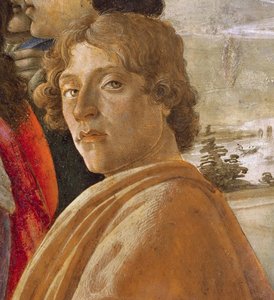
산드로 보티첼리
1445 - 1510 , 이탈리아
작가 정보 요약
- 국적: 이탈리아인
- 대표 작품:
- 비너스의 탄생
- 봄 (Primavera)
- 마술의 강림
- 현명한 처녀와 어리석은 처녀
- 사망일: 1510년 5월 17일
- 영향을 받은 예술 사조: ['프래 랩하이얼 운동']
- 영향을 준 예술가:
- 프라 필립포 리피
- 파올로 우첼로
- 프라 안젤리카
- 예술 사조: 초기 르네상스
- 전체 이름: 산드로 보티첼리 (Alessandro Filipepi)
- 출생일: 약 1445년 3월 1일
- 출생지: 피렌체, 이탈리아
관련 기사
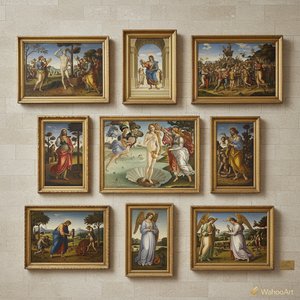
르네상스 걸작 TOP 10: 초기 예술의 지혜와 아름다움을 만나보세요
초기 르네상스 미술의 정수를 담은 명작 10! 보티첼리, 다비드 등 거장의 숨결을 느껴보세요. 예술 작품 탄생 비화와 아름다운 색채를 탐구하고, OriginalUniqueArt.com에서 고품질 아트 프린트 & 인테리어 영감을 얻으세요. 지금 바로 온라인 컬렉션을 만나보세요!

보티첼리 명작 25선: 르네상스 거장의 아름다움과 이야기 | OriginalUniqueArt
보티첼리 명작 25선을 만나보세요. 르네상스 시대의 아름다움과 신화가 담긴 작품들을 감상하고, 베누스의 탄생부터 봄까지 거장의 예술 세계를 탐험하세요. OriginalUniqueArt에서 고품질 미술 복제 및 인테리어 액자를 만나보실 수 있습니다. 지금 바로 컬렉션을 확인하세요!

The Enduring Legacy of Oil on Canvas: Technique, History & Aesthetic Impact
Explore the rich history & techniques of oil painting – from Renaissance masters to Impressionism. Discover pigments, layering methods, and why this timeless medium endures. Expert insights for artists & art enthusiasts.

Oil on Canvas: A Historical & Technical Exploration of a Timeless Artistic Medium
Explore the rich history & enduring techniques of oil painting on canvas. Discover the science behind its longevity, conservation practices, and contemporary relevance. Expert insights for art enthusiasts.

The Enduring Power of Painting: A Historical & Contemporary Exploration of Form and Emotion
Explore the rich history & enduring techniques of oil painting with OriginalUniqueArt. Discover masterpieces, learn about art collecting, and find authentic handmade reproductions crafted by skilled artists.