 상세 보기
상세 보기


 가로 또는 세로 중 어느 한 면이라도 105cm(약 41인치)를 초과하는 작품이나 복제화의 경우, 프레임은 분해된 키트 형태로 배송됩니다. 이는 안전한 배송을 보장하고 운송 중 발생할 수 있는 손상을 방지하기 위함입니다.


More about this painting
Text size

() ·
A painting made for you, by hand
핸드메이드 유화 복제화
작가가 직접 캔버스에 손으로 그린 유화 작품으로, 원하는 크기와 액자로 맞춤 제작해 드립니다. ( 프린트 판매로 전환 디지털 이미지 판매 채널로 전환)
작가 소개
Pauline Boty (1938-1966) was a pioneering British Pop Art painter, the movement's sole female member. Her vibrant collages explored femininity, sexuality & popular culture, challenging societal norms and foreshadowing 70s feminism. Rediscovered artis
from ·
Chapter 1
How large should it be?
Slide to change the size; the picture on the left shows the frame at its real width. The proportions of the original are kept.
표준 규격
맞춤 제작
CM
INCH
작품의 원본 비율을 그대로 유지하는 프리셋 사이즈 중에서 선택해 보세요.
Loading sizes...

가로 너비
높이
액자나 벽면 크기에 맞춰 필요한 가로와 세로 길이를 입력해 주세요. 본 작품은 수작업으로 제작되므로, 요청하신 비율에 따라 작가가 그림의 가장자리를 조금 더 넓게 그리거나 일부를 조정하여 작업할 수 있습니다. 작업 시작 전, 최종 확인을 위해 디지털 목업 이미지를 보내드립니다. 이 페이지에 표시된 이미지는 실제 결과물과 다를 수 있으며, 오직 목업 이미지만이 정확한 결과물을 보여줍니다.
Chapter 2
How should it arrive?
Choose the edges of the stretched canvas
Choose your frame

White ₩1

Blurside ₩1

Extended ₩1

P118B ₩10

P118H ₩10

P118W ₩10

P438Z ₩10

P508JH ₩12

P508YH ₩12

P805H ₩10

P805Z ₩10

P919BZ ₩10

P919G ₩10

P919XJ ₩10

P959ZH ₩10

P968JZ ₩12

W106C ₩8

W218G ₩10

W218JH ₩8

W218Y ₩10

W307PJ ₩10

W316G ₩10

W316PJ ₩8

W316Y ₩10

W398PJ ₩8

W4111J ₩10

W500HY ₩15

W500JH ₩15

W692G ₩12

W849H ₩8

W940BG ₩15

W953PJ ₩8

H24-GOLD ₩30

H24-SILVER ₩30

H36-GOLD ₩45

H36-SILVER ₩45
액자형
Moulding: . Overall size with the frame: .
Chapter 3
Who paints it, and should anything change?
Examples of what can be changed: Replace face with customer photo; Add pet (e.g., replace cat with dog); Include hidden message in background; Change background landscape or elements.
After order, OriginalUniqueArt.com team will email client for instructions and provide a mockup preview
After order, OriginalUniqueArt.com team will email client for instructions and provide a mockup preview
전 세계 배송()은 표준 5주 대신 3~4주 내에 완료됩니다. (30 10월). 품질에는 어떠한 타협도 하지 않습니다.
Chapter 4
The finishing touches
A nameplate, as in a museum?
동판 각인 상세 정보
This elegant plaque features the artist's name and the title of the artwork, finely engraved for a timeless presentation.
It is made from bronze with a refined, elegant finish. The text is precisely laser-engraved for a sharp and permanent result. Measuring 9x2 cm, the plaque is compact yet easy to read. It's built to be durable and scratch-resistant, offering a professional, museum-quality look. Mounting is simple thanks to the included adhesive backing.
투명 아크릴 명판 상세 정보
The plaque includes essential engraved details such as the artist's name, the title of the artwork, the date it was created, the type of media used-like oil on canvas or watercolor-a brief description of the piece, and a QR code that links to the complete artwork information.
It is crafted from clear acrylic, offering a sleek, modern appearance. The text is UV-engraved in black to ensure strong visual contrast. With a size of 10x15 cm, it ensures optimal readability. It comes equipped with two metal hooks for secure wall mounting. The plaque is designed to be weather-resistant, making it suitable for various environments, and it includes interactive features that work seamlessly with smartphone scanning.
블랙 아크릴 명판 상세 정보
This elegant plaque includes engraved information such as the artist's name, the title of the artwork, the date it was created, the type of media used (like oil on canvas or watercolor), a short description of the artwork, and a QR code for quick access to more information.
The plaque itself is made from refined black acrylic with a premium finish. The text is laser-engraved in white for high contrast and readability. Its size is 10x15 cm, designed to be easy to read. It comes with two metal hooks for professional mounting. The design is sleek and fits any interior style. It is also weather-resistant and durable, with built-in digital integration for mobile compatibility.
A protective varnish?
When do you need it?
Chapter 5
Your painting, as you ordered it
5 4 3 2 - (1)
재현 매체
복제본 규격
-
최정상급 시니어 아티스트
더욱 세밀한 묘사와 정교함, 그리고 충분한 제작 시간
-
복제화 액자 옵션
-
-
가로 또는 세로 중 어느 한 면이라도 105cm(약 41인치)를 초과하는 작품이나 복제화의 경우, 프레임은 분해된 키트 형태로 배송됩니다. 이는 안전한 배송을 보장하고 운송 중 발생할 수 있는 손상을 방지하기 위함입니다.
전문가 조립 권장 - 본 제품은 DIY용이 아닙니다.
해당 키트는 숙련된 전문 프레임 제작자가 목공용 풀(별도 구매), 캔버스 스트레칭 플라이어 및 풀이 마르는 동안 나무 틀의 수평을 유지할 클램프를 사용하여 캔버스를 팽팽하게 고정하고 조립해야 합니다. 잘못된 조립이나 불균형한 캔버스 장력은 작품에 영구적인 손상을 입힐 수 있으며, 이로 인한 손상은 보증 범위에 포함되지 않습니다.
모든 고형목재 부재가 포함되어 있으며, 정확한 크기로 정밀하게 재단되었습니다.
제공된 나사를 사용하여 조립하며, 모서리 접합부용 목공용 풀은 포함되어 있지 않으므로 제작자께서 별도로 준비해 주셔야 합니다.
전문가용 도구가 필요하며 키트에 포함되어 있지 않습니다: 캔버스 스트레칭 플라이어(텐셔너)와 접착제가 마르는 동안 나무 틀의 수평을 유지하기 위한 클램프가 필요합니다.
주의사항:
모서리 접합부에는 목공용 풀이 필요하며, 풀이 완전히 마를 때까지 클램프로 바(bar)를 고정해야 합니다. 또한 조립된 프레임에 캔버스를 팽팽하게 당기려면 캔버스 스트레칭 플라이어가 필요합니다. 이 제품들 중 어느 것도 키트에 포함되어 있지 않습니다. 이 사이즈를 주문하시기 전에 숙련된 전문 액자 제작업체를 미리 섭외하시기 바랍니다.
캡션
-
-
보호용 바니시
유광 바니시(색감을 선명하게 하며 빛과 습기로부터 보호함)
-
내 작품 맞춤 설정
변경 가능한 예시: 얼굴을 고객의 사진으로 교체, 반려동물 추가(예: 고양이를 강아지로 변경), 배경에 숨겨진 메시지 삽입, 배경 풍경 또는 요소 변경.
-
긴급 배송
전 세계 배송()은 기존 5주의 표준 기간 대신 3~4주 내에 완료됩니다. (30 10월). 품질에는 어떠한 타협도 하지 않습니다.
-
빠른 배송
지역 일반 배송: 약 5주 소요 (6 11월).
기본 배송비 포함
총 결제 금액
₩ 406673
유리 옵션은 110cm 미만 크기에서만 선택 가능합니다.
Included with every order
- 전 세계 무료 특급 배송
- 고품질 린넨 캔버스
- 배송 전 과정 보험 적용
- 관세 환급 보장 서비스
- 원본 색상 일치 보장
- 제조 결함 발견 시 100일 이내 반품 가능
- 100% 환불 보장
- 다량 구매 할인 혜택
 실제 크기로 보기
 보내기
보내기 공유하기
공유하기
 상세 보기
상세 보기 가이드 보기

 이미지 다운로드
 유사 작품 더 보기
 X-레이
X-레이 슬라이드 쇼 보기
 Q&A
Q&A 통계 정보
통계 정보In numbers
- 29frames to choose from
- standard sizes, in its own proportions
- 5weeks to paint and deliver it
About the original

본 작품은 저작권법의 보호를 받습니다.
이 페이지에 표시된 작품은 저작권법의 보호를 받으며, 이에 따라 동일한 복제품을 제작하거나 판매하는 것은 법으로 금지되어 있습니다. 이러한 권리 보호는 다음과 같은 국제 협약에 따라 시행됩니다. 베른 협약 또한 다음에서 명시하는 법률을 포함한 국내법에 의해 보호됩니다. 미국 저작권법 제17조.
저희는 존중을 담은 합법적인 대안으로서, 원작에서 영감을 받은 맞춤형 수제 유화 작품을 제공합니다. 저희의 숙련된 전문 화가들은 원작의 스타일, 분위기, 예술적 정수를 면밀히 연구하여, 그 자체로 독창적인 창작물이면서도 원작과 동일한 감동을 불러일으키는 새로운 작품을 만들어냅니다.
이 방식은 저작권 보호를 받는 예술 작품을 복제하거나 그대로 재현하는 것이 아니기에 저작권 규정을 완벽히 준수합니다. 대신, 이는 창의적인 재해석의 과정을 거칩니다. 즉, 원작에서 영감을 받되 원작과 동일하지 않은 새로운 회화 작품을 의미합니다.
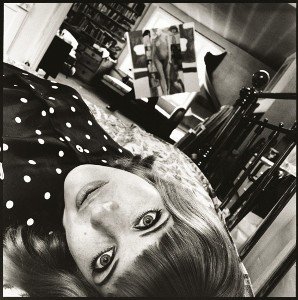
Pauline Boty
1938 - 1966
Quick facts about Pauline Boty
- Full Name: Pauline Boty
- Nationality: English
- Date Of Birth: 1938
- Date Of Death: 1966
- Place Of Birth: Carshalton, Surrey, England
- Notable Artworks:
- The Only Blonde in the World
- Big Jim Colosimo
- Celia birtwell and some of her heroes
- Artistic Movement Or Style: British Pop Art
- Artists Who Influenced This Artist: ['Charles Carey']
- Artists Or Movements Influenced By This Artist:
- David Hockney
- Peter Blake
작가 소개
The Radiant Rebellion of Pauline Boty
Pauline Boty stands as a singular, luminous figure in the history of British art, recognized as the only female member of the vibrant 1960s Pop Art movement. Her artistic vision—characterized by bold colors, geometric forms, and an unapologetic celebration of femininity—challenged the rigid societal expectations of her era and foreshadowed the burgeoning feminist discourse of the 1970s. More than just a painter, Boty embodied a rebellious spirit that captivated audiences and cemented her place as a herald of a transformative cultural epoch. Her work does not merely observe popular culture; it inhabits it, weaving together the glamour of cinema, the energy of mass media, and the profound complexities of female identity.
Born in 1938 in Carshalton, Surrey, into a middle-class Catholic family, Boty’s formative years were shaped by a poignant domestic tension. She was the youngest of four children, raised under the watchful eye of a stern, disciplinarian father who instilled in her a keen awareness of gendered limitations within a patriarchal structure. In stark contrast, her mother provided a silent, sympathetic inspiration; a frustrated artist herself, her mother had been denied parental permission to pursue studies at the prestigious Slade School of Fine Art. This familial dynamic undoubtedly fueled Boty’s determination to defy conventional boundaries and forge a path that her predecessors could not.
A Journey Through Color and Collage
Boty's academic trajectory was marked by both remarkable achievement and the navigation of institutionalized sexism. In 1954, she secured a scholarship to the Wimbledon School of Art, an accomplishment that signaled the arrival of a formidable talent. It was here that her tutor, Charles Carey, encouraged her to experiment with collage techniques, a decision that would become pivotal in shaping her signature style. Her studies were diverse, encompassing lithography and stained glass design, disciplines that equipped her with a sophisticated understanding of light, texture, and layered composition. During this period, her schoolmates affectionately dubbed her “the Wimbledon Bardot,” a nod to the French film star Brigitte Bardot, whose image of youthful glamour and sexual liberation would later resonate deeply within Boty’s own aesthetic language.
As she progressed to the Royal College of Art, studying stained glass from 1958 to 1961, Boty continued to push the boundaries of her medium. Although she had hoped to enter the School of Painting, she was dissuaded by the reality that admission rates for women were significantly lower in that department. Undeterred, she utilized her training to create works that felt both structural and fluid. Her development as an artist saw her moving toward a more experimental approach, where the boundaries between high art and popular imagery blurred. She began to integrate elements of mass media—celebrity portraits, advertisements, and cinematic icons—into her compositions, creating a visual language that was as much about the zeitgeist as it was about personal expression.
Legacy of a Pop Art Pioneer
The work of Pauline Boty is characterized by a profound joy in self-assured femininity and female sexuality, often paired with a sharp, implicit criticism of the "man's world" she inhabited. Her pieces, such as “Monica Vitti with Heart” or “The Only Blonde in the World,” utilize vibrant palettes and fragmented imagery to explore themes of identity and desire. Through her use of collage, she could layer disparate cultural symbols, creating a surreal landscape where the personal and the political intersect. Her art was a provocative statement, using the very tools of popular culture to critique the structures that sought to marginalize women.
Though her life was tragically cut short in 1966 at the age of only twenty-eight, Boty's impact remains indelible. She was a pioneer who navigated the intersection of art and activism long before the term "feminist art" had entered the mainstream lexicon. Today, she is celebrated not just as a participant in the Pop Art movement, but as a visionary who used the canvas to demand visibility for the female experience. Her rediscovered legacy continues to inspire, reminding us of the power of art to challenge norms and celebrate the enduring strength of the human spirit.