

 실제 크기로 보기
 보내기
보내기 공유하기
공유하기
 상세 보기
상세 보기 가이드 보기

 이미지 다운로드
 유사 작품 더 보기
 X-레이
X-레이 슬라이드 쇼 보기
 통계 정보
통계 정보Loplop Introduces Loplop
 Collage
- WallArt
- Surrealist Collage
 1930
1930 100.0 x 180.0 cm
 상세 보기
상세 보기
이 페이지에 표시된 작품은 저작권법의 보호를 받으며, 이에 따라 동일한 복제품을 제작하거나 판매하는 것은 법으로 금지되어 있습니다. 이러한 권리 보호는 다음과 같은 국제 협약에 따라 시행됩니다. 베른 협약 또한 다음에서 명시하는 법률을 포함한 국내법에 의해 보호됩니다. 미국 저작권법 제17조.
이 방식은 저작권 보호를 받는 예술 작품을 복제하거나 그대로 재현하는 것이 아니기에 저작권 규정을 완벽히 준수합니다. 대신, 이는 창의적인 재해석의 과정을 거칩니다. 즉, 원작에서 영감을 받되 원작과 동일하지 않은 새로운 회화 작품을 의미합니다.
지클레 / 아트 프린트
빠른 제작과 다양한 마감 옵션을 선택할 수 있는 박물관 수준의 지클레이 및 캔버스 프린트. ( 수작업 채색 복제본 주문하기 디지털 이미지 판매 채널로 전환)




P118B ₩10

P118H ₩10

P118W ₩10

P438Z ₩10

P508JH ₩12

P508YH ₩12

P805H ₩10

P805Z ₩10

P919BZ ₩10

P919G ₩10

P919XJ ₩10

P959ZH ₩10

P968JZ ₩12

W106C ₩8

W218G ₩10

W218JH ₩8

W218Y ₩10

W307PJ ₩10

W316G ₩10

W316PJ ₩8

W316Y ₩10

W398PJ ₩8

W4111J ₩10

W500HY ₩15

W500JH ₩15

W692G ₩12

W849H ₩8

W940BG ₩15

W953PJ ₩8




작품의 원본 비율을 그대로 유지하는 프리셋 사이즈 중에서 선택해 보세요.

액자나 벽면 크기에 맞춰 필요한 가로와 세로 길이를 입력해 주세요. 프린트는 원본 이미지보다 크게 제작할 수 없으며 오직 자르는 것만 가능하므로, 비율이 다른 사이즈를 선택할 경우 이미지의 일부가 잘려 나갈 수 있습니다. 인쇄 작업에 들어가기 전, 최종 확인을 위해 디지털 목업을 보내드립니다. 이 페이지에 표시된 이미지는 실제 잘리는 영역을 나타내지 않으며, 오직 목업을 통해서만 정확한 확인이 가능합니다.


 유리 옵션은 110cm 미만 크기에서만 선택 가능합니다.

Loplop Introduces Loplop
지클레 / 아트 프린트
복제본 규격
-


총 결제 금액
₩ 108744
A Surreal Encounter: Max Ernst’s “Loplop Introduces Loplop”
Max Ernst's "Loplop Introduces Loplop," painted in 1930, isn’t merely a visual composition; it’s an invitation into the wonderfully disorienting world of Dadaism and Surrealism. This large-scale collage—measuring a substantial 100 x 180 cm—captures a fleeting moment of interaction between two fantastical creatures: dragons or lizards, rendered with Ernst's signature blend of meticulous detail and dreamlike abstraction. The painting immediately draws the eye to the central element – a framed photograph depicting an older couple, seemingly unearthed from the past. This juxtaposition is key to understanding the work’s profound impact; it’s not simply about two mythical beasts, but about the collision between memory, fantasy, and reality.
Born in Brühl, Germany, in 1891, Max Ernst was a restless innovator who rejected conventional artistic paths. His early exposure to philosophy and psychology profoundly shaped his approach to art, leading him to explore themes of identity, subconsciousness, and the very nature of perception. He wasn’t interested in replicating reality; instead, he sought to unlock its hidden potential through techniques like collage, frottage (a rubbing technique), and assemblage – methods that allowed him to create images born from chance encounters and deliberate disruptions.
The Dadaist Genesis: Challenging Conventions
“Loplop Introduces Loplop” is deeply rooted in the spirit of the Dada movement, which erupted in the wake of World War I as a visceral reaction against the established order. Dada artists deliberately dismantled traditional notions of art and beauty, embracing absurdity, chance, and anti-rationality. They sought to expose the hypocrisy and irrationality they perceived within society, using humor, satire, and provocation as their weapons. Ernst’s work exemplifies this ethos; the seemingly random arrangement of elements—the dragons, the photograph, the framing device—challenges our assumptions about meaning and representation.
The collage technique itself is central to the painting's power. Ernst meticulously cut and pasted together various materials – fragments of printed paper, wood, and potentially even photographic prints – creating a textured surface that invites close examination. This layering of disparate elements mirrors the fragmented nature of memory and experience, reflecting the Surrealist fascination with the unconscious mind.
Symbolism and Narrative Layers
The inclusion of the photograph introduces a layer of narrative complexity. The elderly couple within the frame represents a connection to the past, perhaps suggesting themes of nostalgia, loss, or the passage of time. The dragons, rendered in muted tones and possessing an almost otherworldly quality, could be interpreted as guardians of memory, protectors of secrets, or even symbolic representations of primal instincts. Their interaction with the photograph suggests a dialogue between the present and the past—a questioning of how we remember and interpret our history.
The title itself, “Loplop Introduces Loplop,” is deliberately enigmatic. “Loplop” – often referred to as the "Bird Superior" – became an alter ego for Ernst, a recurring figure in his work who served as both narrator and observer. His inclusion of himself within the composition subtly reinforces this idea—he’s not simply presenting us with a scene; he's inviting us into his own surreal world.
A Reproduction Worth Admiring
"Loplop Introduces Loplop" is more than just a painting; it’s a portal to the subconscious. OriginalUniqueArt offers meticulously crafted hand-painted reproductions that faithfully capture the essence of this iconic work, allowing you to bring its captivating imagery into your home or office. Each reproduction is created by skilled artists using archival-quality materials, ensuring lasting beauty and vibrancy. Consider commissioning a reproduction – a tangible reminder of Ernst’s revolutionary vision and a conversation starter for years to come.
To learn more about Max Ernst and his artistic journey, visit our artist page or explore related works on our website: Loplop Introduces Loplop by Max Ernst.
질의응답
"Loplop Introduces Loplop"은(는) 어떤 감정과 관련이 있나요?
"Loplop Introduces Loplop"은(는) Mysterious 느낌을 전달합니다. 이 정서적 톤은 작품이 주는 인상을 설명합니다.
막스 에른스트의 "Loplop Introduces Loplop"의 재료와 크기는 어떻게 되나요?
막스 에른스트의 "Loplop Introduces Loplop"의 기법은 Collage이며, 기록된 크기는 100 x 180 cm입니다.
막스 에른스트의 "Loplop Introduces Loplop"은(는) Surrealist Collage 내에서 어떤 분위기를 자아내나요?
"Loplop Introduces Loplop"의 Mysterious한 감정은 그 Surrealist Collage 양식과 함께 어우러집니다.
작가 소개
막스 에른스트: 초현실의 탐험가
막스 에른스트(Maximilian Maria Ernst, 1891년 4월 2일 – 1976년 4월 1일)는 독일 브흘에서 태어나 프랑스를 대표하는 20세기 가장 중요한 예술가 중 한 명으로 자리매김했습니다. 그의 삶은 끊임없는 변화와 실험의 여정이었으며, 철학적 탐구, 심리적 매혹, 그리고 사회 규범에 대한 깊은 불만족을 연료로 삼아 초현실주의라는 독특한 예술 세계를 구축했습니다. 아버지 필립 에른스트는 청각 장애인을 가르치는 교사이자 아마추어 화가였으며, 막스에게 세상에 대한 민감성과 확고한 권위에 대한 반항심을 심어주었습니다. 이러한 이중성은 그의 예술적 비전을 정의하는 특징이 되었습니다.
막스는 본 대학교에서 철학, 미술사, 문학, 심리학, 정신의학 등 다양한 분야를 공부하며 지적인 깊이를 더했습니다. 그는 단순히 그림 그리는 방법을 배우는 데 만족하지 않고, 왜 그림을 그려야 하는지에 대한 근본적인 질문에 답하려 했습니다. 이러한 지적 호기심은 1912년 쾰른에서 열린 순데르분트 전시에 참여하면서 피카소, 고흐, 고갱의 혁신적인 작품들을 접하며 그의 예술적 방향을 완전히 바꾸는 계기가 되었습니다. 현대 미술의 씨앗이 뿌려진 순간이었습니다.
다다의 파괴와 초현실주의 비전의 탄생
제1차 세계 대전은 막스의 삶에 결정적인 전환점이 되었습니다. 동부 및 서부 전선에서 군인으로 복무하며 겪은 충격적인 경험은 기존 질서에 대한 깊은 회의감을 불러일으켰고, 새로운 표현 방식을 갈망하게 만들었습니다. 이러한 불만족은 1918년 독일로 돌아와 다다이즘 운동에 적극적으로 참여하면서 해소되었습니다. 막스는 한스 아르프와 함께 다다 그룹의 핵심 인물이 되어 전통적인 예술적 규범을 거부하고, 부조리함과 우연성, 비합리성을 포용했습니다.
그러나 다다이즘은 단지 발판에 불과했습니다. 1920년대 초반, 막스는 파리로 이주하여 안드레 브르통의 지도 아래 초현실주의 운동에 합류하며 새로운 장을 열었습니다. 이는 꿈의 영역, 무의식, 그리고 비합리적인 측면을 탐구하는 전환점이 되었습니다. 지그문트 프로이트의 정신분석학 이론에 영향을 받아 막스는 자신의 예술을 통해 인간 경험의 숨겨진 깊이를 밝혀내고자 했습니다. 그는 현실이 보이는 대로 묘사하기보다는 그것을 형성하는 근본적인 심리적 힘을 드러내는 데 관심을 가졌습니다.
혁신적인 기법: 프로타주, 그라따주, 콜라주
막스의 예술적 혁신은 주제뿐만 아니라 기법에도까지 확장되었습니다. 그는 기존의 방법을 단순히 채택하는 대신 새로운 기법을 끊임없이 실험했습니다. 아마도 그의 가장 유명한 공헌은 나무 결을 관찰하던 지루함에서 비롯된 프로타주(frottage)일 것입니다. 이 기술은 표면에 연필이나 목탄을 문질러 예상치 못한 표현력과 매력을 지닌 이미지를 만들어냈습니다. 막스는 이러한 과정을 통해 무의식에 접근하고 의식적인 통제 없이 형태를 생성할 수 있었습니다. 밀접하게 관련된 기법인 그라따주(grattage)는 캔버스 위에 페인트를 긁어내어 아래층을 드러내는 방식입니다.
또한 그는 잡지 이미지, 과학 일러스트레이션, 사진 등 다양한 요소를 초현실적인 구성으로 조립하는 콜라주(collage)를 능숙하게 활용했습니다. 이러한 기법은 단순한 스타일적 선택이 아니라 무의식을 탐구하고 전통적인 예술적 경계를 파괴하려는 그의 열망과 밀접하게 연결되어 있었습니다. 그의 그림에는 종종 새(특히 자신의 또 다른 모습인 로플롭), 황량한 풍경, 불안정한 대비, 그리고 짙은 신비감이 나타납니다.
혁신과 영향의 유산
제2차 세계 대전 발발로 인해 막스는 유럽을 떠나 미국에서 피난처를 찾아야 했습니다. 그는 망명 생활 동안에도 새로운 기법을 실험하며 그림 그리기를 멈추지 않았고, 전쟁 이후 프랑스로 돌아와 활동적인 삶을 이어갔습니다. 1976년 4월 1일 파리에서 세상을 떠날 때까지 그의 예술은 끊임없이 진화했습니다.
막스 에른스트의 다다이즘과 초현실주의에 대한 공헌은 혁명적이었으며, 예술적 규범에 도전하고 무의식의 깊이를 탐구하며 오늘날에도 예술가들에게 영감을 주는 혁신적인 기법을 창조했습니다. 그는 단순한 화가가 아니라 탐험가이자 선동가이며, 예술 자체의 경계를 확장시킨 선지자였습니다. 그의 작품은 상상력의 힘, 비이성적 매력, 그리고 인간 정신의 복잡성을 이해하려는 끊임없는 노력에 대한 증거입니다.
- 주요 작품: 전체 도시, 에우클리데스, 이 남자들은 이것을 알지 못한다, 숲과 비둘기
- 영향을 받은 예술가: 파블로 피카소, 빈센트 반 고흐, 폴 고갱, 지그문트 프로이트, 조르조 데 키리코
- 운동: 다다, 초현실주의
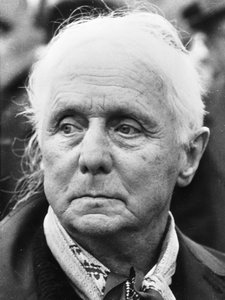
막스 에른스트
1891 - 1976 , 독일
작가 정보 요약
- 국적: 독일-미국, 프랑스
- 사망일: 1976년 4월 1일
- 영향을 받은 예술 사조:
- 초현실주의
- 다다
- 영향을 준 예술가:
- 파블로 피카소
- 빈센트 반 고흐
- 폴 고갱
- 조르주 드 키리코
- 예술 사조: 다다이즘, 초현실주의
- 전체 이름: 막스 에른스트
- 주요 작품:
- 전체 도시
- 유클리데스
- 이것에 대해 사람은 아무것도 모를 것이다
- 숲과 비둘기
- 출생일: 1891년 4월 2일
- 출생지: 브륄, 독일
관련 기사

Beyond Reality's Grasp: Exploring the Philosophical Foundations of Surrealism
Explore the philosophical roots & artistic innovations of Surrealism with OriginalUniqueArt. Discover Dalí, Ernst, Delvaux & Freud's influence on this revolutionary movement. High-quality art reproductions available.
Dreamscapes & Disrupted Realities: Exploring Surrealism's Enduring Influence
Explore the fascinating world of Surrealism! Discover its origins, key artists like Dalí & Magritte, and enduring influence on art & culture. Expert insights & high-quality reproductions at OriginalUniqueArt.
맥스 어른스트 최고 걸작 25선: 꿈과 무의식의 화가, 공간에 예술을 더하다
맥스 어른스트 최고 걸작 25선을 만나보세요. 초현실주의 화가 어른스트의 꿈, 무의식, 혁신적인 기법이 담긴 명화들을 감상하고, 공간에 예술적 영감을 불어넣으세요. OriginalUniqueArt.com에서 고품질 미술 작품을 컬렉션하세요.
Surrealism Unveiled: A Sophisticated Exploration of the Ethereal Boundary Between Dreams and Reality
Embark on a sophisticated journey through the surrealist movement. Discover how masters like Dalí and Ernst blurred the lines between dreams and reality through innovative techniques, exploring the profound impact of the subconscious on fine art history with expert authority.
초현실주의를 정의한 10대 걸작: 예술과 인테리어의 새로운 영감 (OriginalUniqueArt)
초현실주의 미술의 정수를 담은 10대 걸작을 만나보세요. 마그리트, 달리 등 거장의 작품 비하인드 스토리와 예술적 의미를 탐구하고, OriginalUniqueArt에서 고품질 아트 프린트로 공간에 영감을 불어넣으세요! 지금 바로 OriginalUniqueArt.com에서 컬렉션을 둘러보세요.


