

 실제 크기로 보기
 보내기
보내기 공유하기
공유하기
 상세 보기
상세 보기 가이드 보기

 이미지 다운로드
 유사 작품 더 보기
 X-레이
X-레이 슬라이드 쇼 보기
 통계 정보
통계 정보Young Flute Player


 상세 보기
상세 보기
핸드메이드 유화 복제화
작가가 직접 캔버스에 손으로 그린 유화 작품으로, 원하는 크기와 액자로 맞춤 제작해 드립니다. ( 프린트 판매로 전환 디지털 이미지 판매 채널로 전환)




P118B ₩10

P118H ₩10

P118W ₩10

P438Z ₩10

P508JH ₩12

P508YH ₩12

P805H ₩10

P805Z ₩10

P919BZ ₩10

P919G ₩10

P919XJ ₩10

P959ZH ₩10

P968JZ ₩12

W106C ₩8

W218G ₩10

W218JH ₩8

W218Y ₩10

W307PJ ₩10

W316G ₩10

W316PJ ₩8

W316Y ₩10

W398PJ ₩8

W4111J ₩10

W500HY ₩15

W500JH ₩15

W692G ₩12

W849H ₩8

W940BG ₩15

W953PJ ₩8




작품의 원본 비율을 그대로 유지하는 프리셋 사이즈 중에서 선택해 보세요.

액자나 벽면 크기에 맞춰 필요한 가로와 세로 길이를 입력해 주세요. 본 작품은 수작업으로 제작되므로, 요청하신 비율에 따라 작가가 그림의 가장자리를 조금 더 넓게 그리거나 일부를 조정하여 작업할 수 있습니다. 작업 시작 전, 최종 확인을 위해 디지털 목업 이미지를 보내드립니다. 이 페이지에 표시된 이미지는 실제 결과물과 다를 수 있으며, 오직 목업 이미지만이 정확한 결과물을 보여줍니다.
주문 완료 후 OriginalUniqueArt.com 팀에서 상세 안내를 위해 고객님께 이메일을 보내드리며, 미리보기 시안을 함께 제공해 드립니다.


 유리 옵션은 110cm 미만 크기에서만 선택 가능합니다.

Young Flute Player
재현 매체
복제본 규격
-


총 결제 금액
₩ 407789
A Moment of Youthful Grace: Judith Leyster’s “Young Flute Player”
Within the vibrant tapestry of the Dutch Golden Age, few paintings capture the delicate balance between observation and imagination quite like Judith Leyster's "Young Flute Player," completed around 1635. This captivating oil on canvas isn’t merely a portrait; it’s a fleeting glimpse into a world of youthful pleasure, artistic expression, and the subtle complexities of early modern life. The painting immediately draws the eye to its central figure – a young boy, bathed in a soft, diffused light that seems to emanate from an unseen source. He's not posed dramatically or formally; instead, he’s caught in a moment of quiet absorption, his attention wholly devoted to the simple act of playing a flute.
Leyster’s skill lies not just in her technical proficiency—though it is undeniably remarkable—but in her ability to imbue her subjects with a palpable sense of life. The boy's ruffled collar and slightly tilted head suggest a personality brimming with curiosity and perhaps even mischief. The details, from the delicate folds of his clothing to the subtle expression on his face, are rendered with meticulous precision, yet never feel overly labored or stiff. This masterful balance between realism and artistic license is characteristic of Leyster’s style, earning her recognition as one of the most innovative artists of her time.
The Baroque Palette and a World of Instruments
“Young Flute Player” firmly establishes itself within the broader context of Dutch Baroque painting. The use of *chiaroscuro* – the dramatic interplay of light and shadow – is particularly striking, emphasizing the boy’s youthful features and creating a sense of depth and atmosphere. The background, deliberately muted and slightly out of focus, serves to further highlight the subject, drawing our attention entirely to his captivating presence. Notice also the carefully chosen accessories: a violin hanging on the wall, a smaller flute resting nearby, and a simple bowl adding a touch of domesticity to the scene. These elements aren’t merely decorative; they speak to the boy's connection with music and perhaps even hint at a broader cultural context – the importance of instruments within Dutch society.
Interestingly, the inclusion of both a flute and a violin presents a subtle symbolic tension. While stringed instruments were traditionally associated with higher social standing and considered more refined, wind instruments were often linked to simpler folk traditions. Leyster’s juxtaposition suggests a blurring of these distinctions, reflecting the dynamic cultural landscape of 17th-century Holland.
A Pioneer in a Male-Dominated World
Judith Leyster's story is as compelling as her art. She was one of the first female artists to gain recognition within the male-dominated world of the Dutch Golden Age, and her journey is marked by both triumph and adversity. Despite facing significant challenges – including limited opportunities and a lack of formal training – she persevered, establishing herself as a respected painter known for her lively genre scenes, portraits, and still lifes. Her inclusion in the Haarlem Guild of St. Luke in 1633 was a landmark achievement, signifying her acceptance as a professional artist.
“Young Flute Player” is now housed at the Nationalmuseum in Stockholm, a testament to its enduring appeal and historical significance. It stands alongside other masterpieces from the Dutch Golden Age, offering a valuable window into a bygone era. The painting’s continued presence in museums around the world ensures that Leyster's remarkable talent and artistic vision will continue to inspire and captivate audiences for generations to come.
Further Exploration & Artistic Connections
For those seeking to delve deeper into Judith Leyster’s oeuvre, we recommend exploring her self-portrait from 1633, currently residing at the National Gallery of Art in Washington D.C., and her illustrations for a book on tulips from 1643. Her work shares stylistic similarities with that of Frans Hals, another prominent painter of the Dutch Golden Age, suggesting a possible influence or even collaboration. Additionally, consider examining works by Rembrandt van Rijn, such as “The Sacrifice of Isaac,” and those created by workshops associated with Peter Paul Rubens, like "The Feast of Herod," to gain further insight into the artistic trends and techniques of the period.
Useful Links:
- Artvee - Boy Playing a Flute
- Wikipedia - Judith Leyster
- Google Arts & Culture - Boy Playing the Flute
- Instagram - Judith Leyster
Additional Research: The painting’s history reveals a fascinating story of misattribution and eventual rediscovery, highlighting the challenges faced by female artists throughout art history.
질의응답
"Young Flute Player"의 작가는 누구인가요?
"Young Flute Player"의 작가는 유디트 헤르스 레이스터입니다.
유디트 헤르스 레이스터의 "Young Flute Player"의 복제화가 공간에 어떤 분위기를 선사할까요?
유디트 헤르스 레이스터의 "Young Flute Player"의 Calm한 분위기는 추천 공간인 Living Room과 완벽하게 어우러집니다.
"Young Flute Player"의 조회수는 얼마인가요?
유디트 헤르스 레이스터의 "Young Flute Player"의 통계 페이지에서는 해당 작품의 월간 방문 수, 작가의 가장 많이 조회된 작품과의 비교, 그리고 방문자 유입 경로 등 공개 방문 통계를 제공합니다.
작가 소개
초기 생애와 교육
유디트 얀스 레이스테르는 선구적인 여성 화가로서 1609년 7월 네덜란드 하를렘에서 태어났습니다. 그녀는 직물 제작자에서 이후 양조업자가 된 얀 빌렘스 레이스테르의 여덟 번째 자녀였습니다. 그녀의 구체적인 교육 과정이 상세히 기록되어 있지는 않지만, 하를렘에 작업실을 두었던 존경받는 예술가 프란스 피테르스 드 그레버로부터 회화를 배웠을 것으로 추정됩니다.예술적 경력
레이스테르의 첫 서명된 작품으로 알려진 '세레나데'와 '즐거운 술꾼'은 그녀가 불과 스무 살이었던 1629년으로 거슬러 올라갑니다. 1633년에 이르러 그녀는 하를렘의 성 루카 길드에 입회하였는데, 이는 그녀가 이 권위 있는 조직에 소속된 최초의 여성 예술가 중 한 명이 되었음을 의미합니다.주요 작품과 협업
레이스테르의 주목할 만한 작품들은 다음과 같습니다:- 현재 워싱턴 D.C. 국립 미술관에 소장된 '자화상'(약 1633년)으로, 이는 그녀가 길드에 제출한 입회 작품이었을 가능성이 높습니다.
- 1643년 튤립에 관한 책에 수록된 두 점의 삽화는 그녀의 다재다능함을 잘 보여줍니다.
- 21세기에 개인 소장품에서 발견된 1652년의 초상화와 1654년의 정물화는 그녀의 변치 않는 예술적 기량을 증명합니다.
유산과 재발견
동시대 사람들에게 높은 평가를 받았음에도 불구하고, 레이스테르의 작품은 1660년 그녀가 사망한 이후 대부분 잊혔습니다. 1893년에 이르러서야 그녀는 다시 세상에 알려졌으며, 학자들은 비로소 그녀의 작품들을 올바르게 찾아내어 귀속시키기 시작했습니다. 오늘날 그녀의 회화는 네덜란드 황금기의 중대한 기여로 인정받고 있습니다.- OriginalUniqueArt.com에서 레이스테르의 더 많은 작품을 탐험해 보세요.
- 위키백과에서 네덜란드 황금기와 그 시대의 저명한 예술가들에 대해 알아보세요.
- 네덜란드 황금기 미술 운동 페이지에서 이 시대의 다른 여성 예술가들을 만나보세요.
결론
17세기 네덜란드에서 여성 화가로서 개척해 나간 유디트 얀스 레이스테르의 경력은 미술사에 지울 수 없는 흔적을 남겼습니다. 그녀의 재발견과 인정은 그녀의 영원한 재능뿐만 아니라, 예술계 내에서 변화해 온 여성에 대한 인식을 보여주는 소중한 증거입니다. 소장 미술관: 워싱턴 D.C. 국립 미술관
유디트 헤르스 레이스터
1609 - 1660 , 네덜란드
작가 정보 요약
- Artistic Movement Or Style: 네덜란드 황금기
- Artists Or Movements Influenced By This Artist: ['얀 민세 몰레나르']
- Artists Who Influenced This Artist: ['프란스 피테르스 드 그레버']
- Date Of Birth: 1609년 7월 28일
- Date Of Death: 1660년 2월 10일
- Full Name: 유디트 얀스 레이스테르
- Nationality: 네덜란드
- Notable Artworks:
- 젊은 플루트 연주자
- 즐거운 무리
- 쾌활한 술꾼
- Place Of Birth: 네덜란드 하를럼
관련 기사
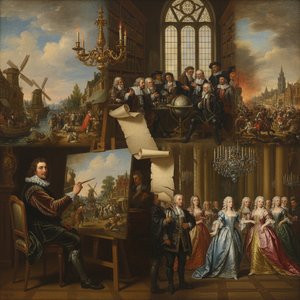
Illuminating a Century of Change: Artistic Expression & Societal Shifts in 17th-Century Europe
Explore the artistic brilliance of the 17th-century Dutch Golden Age & Baroque period. Discover Rembrandt, genre painting, and chiaroscuro techniques. Expert insights for art lovers & collectors.

Golden Age Reflections: Dutch Baroque Painting & Cultural Innovation
Explore the Dutch Golden Age of painting! Discover key artists like Vermeer & ter Borch, their innovative techniques, and the rich cultural context behind these Baroque masterpieces. Learn about collecting & appreciating this iconic art period.

네덜란드 황금 시대 예술의 정수를 담은 10대 걸작 탐구
렘브란트, 베르메르의 걸작부터 할스의 인물화까지! 네덜란드 황금시대 미술의 10대 명품을 만나보세요. 예술적 깊이와 아름다움을 담은 작품들을 OriginalUniqueArt에서 감상하고, 고품질 아트 프린트로 당신의 공간에 특별함을 더하세요. 지금 바로 OriginalUniqueArt.com에서 모든 걸작을 발견하세요!

Illuminating Innovation: Exploring the Dutch Golden Age of Painting
Explore the Dutch Golden Age of painting with OriginalUniqueArt. Discover Rembrandt, Vermeer & other Masters. Learn about key characteristics, iconic artworks, and lasting influence. Expert insights for collectors & enthusiasts.
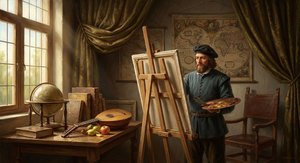
Illuminating Realism: Exploring the Dutch Golden Age of Painting (1600-1700)
Explore the Dutch Golden Age of painting (1600-1700) with OriginalUniqueArt. Discover Rembrandt, Vermeer & other masters. Learn about techniques, history & find museum-quality reproductions.