

 미리보기
미리보기
 공유하기
공유하기 공유하기
공유하기
 상세 정보
상세 정보

 다운로드
다운로드
 유사 작품
유사 작품 X-레이
X-레이 슬라이드 쇼
 통계 정보
통계 정보Scene in a Park
 Oil On Canvas
- WallArt
- Romanticism
 1853
1853- 19th Century
 56.0 x 79.0 cm
 에르미타주 박물관
 더 보기
더 보기
지클레 / 아트 프린트
빠른 제작과 다양한 마감 옵션을 제공하는 박물관 품질의 지클레이 또는 캔버스 프린트. ( 손으로 그린 그림 구매 디지털 이미지로 전환)




P118B $10

P118H $10

P118W $10

P438Z $10

P508JH $12

P508YH $12

P805H $10

P805Z $10

P919BZ $10

P919G $10

P919XJ $10

P959ZH $10

P968JZ $12

W106C $8

W218G $10

W218JH $8

W218Y $10

W307PJ $10

W316G $10

W316PJ $8

W316Y $10

W398PJ $8

W4111J $10

W500HY $15

W500JH $15

W692G $12

W849H $8

W940BG $15

W953PJ $8




작품의 원본 비율을 유지하는 미리 설정된 크기 중에서 선택하세요.

특정 프레임이나 공간에 맞춰 직접 치수를 입력하실 수 있습니다. 선택하신 사이즈가 원본 이미지의 비율과 일치하지 않을 경우, 작품을 크롭(자르기)하거나 이미지를 대칭 또는 단색 채우기로 확장하여 제작합니다. 제작 시작 전, 최종 확인을 위해 디지털 목업이 전송됩니다.
화면상의 미리보기는 실제 크롭이나 확장 상태를 반영하지 않으므로, 최종 구도는 오직 목업을 통해서만 정확하게 확인하실 수 있습니다.
맞춤 사이즈 제작도 가능하지만, 원본 비율을 유지하기 위해서는 사전 정의된 목록에서 치수를 선택하시는 것을 권장합니다.


 유리 옵션은 110cm 미만 크기에서만 선택 가능합니다.

Scene in a Park
지클레 / 아트 프린트
복제본 크기
-


최종 결제 금액
$ 80
A Tranquil Afternoon in an Idealized Landscape
This captivating scene transports the viewer directly into a moment of idyllic leisure—a bustling yet serene afternoon spent within a lush park setting. The composition is rich with life, drawing the eye across the gathering figures who seem suspended in time, engaged in quiet conversation beside the gently flowing water. It speaks to a universal yearning for respite from the clamor of modern existence. The arrangement of people, seated on benches and standing near the water's edge, suggests a community enjoying the simple pleasures of nature together. Adding depth and narrative intrigue is the presence of a horse, grounding the human activity within a broader, pastoral context.
The Brushwork of Transition: Romanticism Meets Realism
Painted in 1853 by Joseph Hubert Lies, this work stands as a beautiful testament to an artist navigating the currents between two monumental artistic movements. While the emotional resonance and dramatic grouping recall the fervor of Romanticism—a style that prized feeling over mere fact—the meticulous detail in the foliage, the rendering of the figures' clothing, and the believable depiction of the natural elements suggest a growing commitment to Realist observation. Lies masterfully bridges this gap; his technique allows the viewer to feel the warmth of the sun filtering through the abundant trees while simultaneously appreciating the academic structure underpinning the composition. The handling of light across the water and the varied textures of the park ground the emotional narrative in tangible reality.
Symbolism of Leisure and Community
The body of water itself often serves as a powerful symbol in art, representing reflection, emotion, and the passage of time. Here, it acts as a central gathering point, drawing the human drama toward its reflective surface. The abundance of life—the numerous figures, the stately trees, the floating boat—collectively symbolizes harmony and the idealization of social connection. It is an escape into a perfected moment; a visual poem about camaraderie found amidst nature's embrace. For collectors, this piece offers not just decoration, but a narrative anchor for any room, suggesting moments of pause and shared joy.
Bringing the Park Home: Decorating with Evocative Art
Reproducing such an evocative scene allows one to infuse a space with historical depth and timeless tranquility. Whether placed in a formal drawing-room or a sunlit conservatory, this artwork acts as a sophisticated focal point. The blend of natural elements—the greens of the park, the blues of the water—provides a calming counterpoint to richly decorated interiors. Owning a high-quality reproduction means acquiring more than just paint on canvas; it is acquiring an atmosphere—a curated memory of perfect repose that invites conversation and contemplation every time one gazes upon its masterful depiction.
작가 약력
The Soul of Antwerp: The Artistic Journey of Jozef Hubert Lies
In the heart of nineteenth-century Belgium, a period defined by the tension between romantic idealism and the burgeoning clarity of realism, the works of Jozef Hubert Lies (1821–1865) emerged as a profound testament to the changing landscape of European art. Born in Antwerp, a city steeped in the legacy of Flemish masters, Lies possessed an innate ability to capture the atmospheric nuances of his homeland. His life, though tragically short, was marked by a relentless pursuit of artistic truth, moving away from the theatricality of early Romanticism toward a more grounded, observant style that mirrored the shifting sensibilities of his era.
The foundations of Lies’s technique were laid under the watchful eye of Nicaise de Keyser, a titan of the Antwerp Academy. From De Keyser, Lies inherited a mastery of dramatic composition and an understanding of how light and shadow could be used to evoke deep emotional responses within a narrative. This early training instilled in him a sense of grandeur, visible in his ability to orchestrating complex scenes that felt both monumental and intimate. Yet, the young painter was never content with mere sentimentality; he possessed a restless intellect that sought more than the sweeping, often clichéd gestures of the Romantic-historical school.
A Transition Toward Realism and Flemish Heritage
As his career progressed through the 1850s, Lies began to pivot toward a style that embraced the meticulous detail and historical reverence found in the works of Henri Leys. This transition was pivotal, as it allowed him to bridge the gap between the emotional fervor of his youth and a new, more disciplined observation of reality. By integrating the archaizing elements of the Flemish tradition with a modern, realist eye, Lies created a unique visual language. He did not simply paint landscapes; he painted the very breath of the Belgian countryside, imbuing every leaf and shadow with a sense of historical weight and permanence.
His development is perhaps most beautifully illustrated in his genre scenes and park landscapes, such as his celebrated Scene in a Park. In these works, one can observe a masterful use of atmospheric perspective, where the distant trees and soft light create a sense of depth that invites the viewer to step directly into the canvas. His ability to capture leisure and nature with such precision allowed him to move beyond the purely decorative, turning everyday moments into timeless studies of light and life.
Legacy and Historical Significance
The zenith of Lies’s professional recognition arrived with significant commissions that placed him at the center of Antwerp's cultural identity. His monumental depiction of Baldwin VII, Count of Flanders, commissioned by the Antwerp City Council, stands as a testament to his ability to handle large-scale historical subjects with both compositional grandeur and technical precision. This work solidified his reputation not just as a painter of landscapes, but as a chronicler of Belgian heritage.
Though he passed away in 1865 at the age of forty-four, the impact of his short career remains etched in the annals of Belgian art history. Lies represents a vital link in the evolution of nineteenth-century painting, embodying the transition from the dreamlike narratives of Romanticism to the stark, honest beauty of Realism. His oeuvre continues to resonate with those who seek to understand the delicate balance between the imagined and the observed, leaving behind a legacy of landscapes that remain as evocative and luminous today as they were during his lifetime.
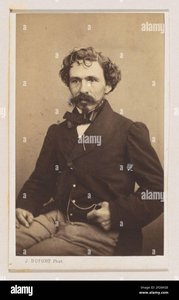
jozef hubert lies
1821 - 1865 , Belgium
주요 정보
- Artistic Movement Or Style: Romanticism
- Artists Or Movements Influenced By This Artist: ['Friedrich']
- Artists Who Influenced This Artist:
- Nicaise de Keyser
- Henri Leys
- Date Of Birth: June 14, 1821
- Date Of Death: January 5, 1865
- Full Name: Joseph Hubert Lies
- Nationality: Belgian
- Notable Artworks: ['Baldwin VII, Count of Flanders']
- Place Of Birth: Antwerp, Belgium
관련 기사 더 보기
Evoking Nature's Sublime: A Comprehensive Exploration of 19th-Century Landscape Painting
Explore the captivating world of 19th-century landscape painting! Discover renowned artists like Friedrich & Monet, key movements, and find the perfect artwork to bring nature's serenity into your home. Expert insights at OriginalUniqueArt.

낭만 풍경화의 황홀! 예술사에 빛난 10대 걸작 탐구 | 와후아트
낭만주의 시대, 예술혼을 불태운 10대 풍경화 걸작! 터너부터 프리드리히까지, 시대를 초월하는 아름다움을 와후아트에서 만나보세요. 고흐의 색채와 코로의 섬세함이 당신의 공간에 영감을 더합니다. 지금 바로 와후아트에서 명품 미술 작품을 감상하고 구매하세요!

The Sublime and the Picturesque: Exploring Emotion & Nature in Romantic Landscape Painting
Explore the emotional power of Romantic landscape painting! Discover the sublime & picturesque traditions, key artists like Friedrich & Cole, and find your perfect artwork at OriginalUniqueArt.
Evoking Emotion & Transcendence: Romantic Landscape Painting (18th-19th Century)
Explore the emotional depth of Romantic landscape painting (18th-19th century). Discover key artists like Friedrich & Cole, and the concepts of the sublime. Expert insights for art lovers & collectors.

Evocations of Place: A Historical Journey Through Landscape Art
Explore the rich history of landscape art with OriginalUniqueArt. Discover renowned artists, movements like Impressionism & Romanticism, and expert guidance for collecting timeless pieces. Find your perfect serene escape today!