프린트 판매로 전환
 더 보기
더 보기







































 가로 또는 세로 중 어느 한 면이라도 105cm(약 41인치)를 초과하는 작품이나 복제화의 경우, 프레임은 분해된 키트 형태로 배송됩니다. 이는 안전한 배송을 보장하고 운송 중 발생할 수 있는 손상을 방지하기 위함입니다.


A Snapshot of Everyday Life: Jan Steen’s Samson and Delilah
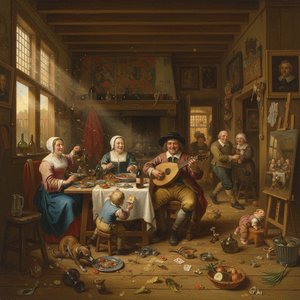
Jan Havickszoon Steen (1626–1679) occupies a singular position within the Dutch Golden Age—a painter who eschewed grand narratives for an unflinching gaze upon the commonplace. Unlike many artists preoccupied with mythological grandeur or regal portraits, Steen championed the depiction of domestic scenes brimming with psychological nuance and subtly moral commentary. This distinctive artistic vision secured his legacy as one of the most original voices of his time and profoundly influenced Baroque art’s preoccupation with realism and human emotion. Born in Leiden, Netherlands, Steen's formative artistic training wasn’t entirely conventional; he apprenticed under Hendrick Jacobsz. Stoffels, mastering portraiture and landscape painting alongside a stylistic tradition that would later shape his own unmistakable style—a style characterized by meticulous detail and an uncanny ability to convey the complexities of human behavior.- Subject Matter: Steen’s “Samson and Delilah” isn't concerned with biblical drama in its traditional form. Instead, it presents a tableau vivant – a snapshot of a tavern scene—where Samson and Delilah are present, though their roles remain ambiguous. The focus is less on the heroic tale itself and more on the reactions of those observing the unfolding events.
- Style: Steen’s Baroque style distinguishes itself through its masterful use of chiaroscuro – dramatic contrasts between light and shadow – which sculpts figures and imbues the scene with palpable tension. This technique isn't merely decorative; it serves to heighten emotional impact and guide the viewer’s eye across the composition.
Composition and Symbolism: Layers of Observation
The painting’s arrangement is deliberately cluttered, mirroring the bustling atmosphere of a tavern. Several individuals are clustered around a table laden with food and drink, their faces etched with expressions ranging from amusement to apprehension. A dog sits prominently near the right side of the canvas, adding an element of unpredictability and highlighting the pervasive sense of unease. The central figure—presumably Delilah—holds a knife poised above Samson’s hair, symbolizing both vulnerability and impending betrayal. However, Steen doesn't portray this moment as overtly dramatic; rather, he captures it through the eyes of spectators who are equally captivated by the unfolding drama.Technique: Detail and Emotional Resonance
Steen’s meticulous attention to detail—evident in the rendering of fabrics, facial expressions, and even individual hairs—is remarkable for its time. He employs oil paint on canvas with painstaking precision, layering pigments to achieve a rich texture and capturing subtle variations in color that convey mood and atmosphere. The muted palette contributes to the painting's overall sense of realism, grounding the narrative within the everyday realities of 17th-century life.Historical Context: Reflecting Moral Concerns
Painted around 1667, “Samson and Delilah” reflects the broader artistic currents of its era—the Baroque’s fascination with dramatic emotion and psychological realism. Yet, Steen transcends mere stylistic imitation; he imbues his work with moral considerations typical of Dutch Calvinist culture. The painting serves as a cautionary tale about temptation and the consequences of succumbing to desire, prompting viewers to contemplate ethical dilemmas.Emotional Impact: Capturing Human Complexity
Ultimately, Steen’s “Samson and Delilah” succeeds in conveying a profound understanding of human psychology. It captures not just the visual spectacle of a tavern scene but also the emotional turmoil experienced by those involved—fear, anticipation, judgment, and perhaps even regret. This enduring power stems from Steen's ability to portray characters as multifaceted individuals grappling with moral dilemmas, cementing his place as one of the most perceptive artists of his generation.For a stunning reproduction of Jan Steen’s “Samson and Delilah,” explore OriginalUniqueArt.com today!
질의응답
얀 스테인의 "Samson and Delilah"의 형태와 크기는 어떻게 되나요?
"Samson and Delilah"의 형식은 Landscape이며, 원작의 크기는 134 x 199 cm입니다. 두 정보 모두 복제본 제작을 계획할 때 유용합니다.
학생들을 위한 얀 스테인의 "Samson and Delilah" 관련 팩트시트가 있나요?
얀 스테인의 "Samson and Delilah"에 대한 학습 가이드 페이지를 이용하실 수 있습니다. 이 페이지는 학생들과 수업용으로 제작된, 인쇄 가능한 작품 정보 시트를 제공합니다.
"Samson and Delilah"의 Baroque에는 어떤 국가적 배경이 담겨 있나요?
"Samson and Delilah"은 작가의 탄생지를 통해 Baroque 사조와 네덜란드를 연결합니다.
이 작품에 대해 더 알아보기
 미리보기
미리보기
 공유하기
공유하기 공유하기
공유하기
 상세 정보
상세 정보 가이드 보기

 다운로드
다운로드
 유사 작품 더 보기
 X-레이
X-레이 슬라이드 쇼 보기
 질의응답
질의응답 통계 정보
통계 정보