

 미리보기
미리보기
 공유하기
공유하기 공유하기
공유하기
 상세 정보
상세 정보

 다운로드
다운로드
 유사 작품
유사 작품 X-레이
X-레이 슬라이드 쇼
not identified (8)

 더 보기
더 보기
온라인 미리보기보다 훨씬 뛰어난 품질의 고해상도 디지털 이미지를 구매해 보세요.
각 파일은 사내 전문가가 고급 도구와 숙련된 수동 리터칭 기술을 사용하여 세심하게 준비합니다. 우리는 모든 이미지가 탁월한 선명도, 정확한 색상 재현력, 그리고 미세한 디테일까지 완벽하게 갖추도록 보장합니다.
최종 파일은 전문적인 편집 및 인쇄 환경에서 즉시 사용할 수 있도록 최적화되어 72시간 이내에 이메일로 발송됩니다. 이는 세계적인 디자인 스튜디오, 출판사 및 갤러리가 신뢰하는 것과 동일한 품질입니다.
디지털 이미지
개인 소장 및 전시, 인쇄, 창작 프로젝트를 위한 고해상도 파일을 다운로드하세요. ( 프린트 구매 손으로 그린 그림 구매)
모든 디지털 이미지 주문에 포함된 혜택
전문적인 디지털 이미지 전송 보장
OriginalUniqueArt.com를 선택하시면 단순히 이미지를 받는 것을 넘어, 정밀한 보정 과정을 거친 전문적인 디지털 예술 작품을 만나보실 수 있습니다. 모든 작품에는 만족 보장 서비스가 함께 제공되며, 주문 시 다음과 같은 사항들이 자동으로 포함됩니다:

빠른 이메일 전송
주문 후 72시간 이내에 고해상도 디지털 이미지 파일이 이메일로 발송되며, 즉시 사용하실 수 있습니다.

AI 기술로 향상된 디지털 파일
귀하의 작품은 고급 AI 도구와 수동 편집 과정을 거쳐 전문적으로 최적화되며, 이를 통해 디테일과 선명도, 색상의 정확도를 극대화합니다.

평생 무료 재전송 서비스
파일을 실수로 삭제하거나 분실하셨나요? 걱정 마세요. 언제든 무료로 다시 보내드립니다.

추가 수입 비용 없음 - 언제나
관세나 부가세, 배송비 부담 없이 작품을 즉시 감상하세요 - 디지털 다운로드는 언제나 면세 혜택이 적용됩니다.

정확한 색상 보장
전문적인 도구와 색상 관리 시스템을 통해 디지털 이미지가 원본의 색상을 최대한 정확하게 구현하도록 보장합니다.

60일 만족 보장제
구매하신 디지털 이미지에 만족하지 못하실 경우, 60일 이내에 수정 또는 100% 환불을 진행해 드립니다 - 어떠한 문의도 필요 없습니다.

100% 환불 보장
만족하지 못하셨나요? 디지털 파일을 수령하신 후 60일 이내라면 별도의 이유를 밝힐 필요 없이 전액 환불해 드립니다.

대량 주문 할인
이미지 3매 구매 시 10% 할인 - 5매 구매 시 15% 할인 - 10매 이상 구매 시 20% 할인. 크리에이티브 프로젝트, 갤러리, 에이전시에 매우 유용합니다.
A Study in Restrained Radiance: Unpacking Henri Matisse’s Enigmatic Portrait
Henri Matisse, a name synonymous with color and joy, rarely offered direct portraits of his subjects. Instead, he favored capturing essence—a fleeting emotion, a vibrant atmosphere—often through simplified forms and an audacious palette. This particular work, tentatively titled “not identified (8),” presents a compelling example of this approach, offering a glimpse into the interior life of a woman seated in quiet contemplation. The painting immediately draws the eye to her posture: hands gently resting on her face, a subtle gesture that speaks volumes about vulnerability and perhaps even a touch of melancholy. The pink background, far from being merely decorative, acts as a luminous wash, softening the edges of the figure and creating an intimate, almost dreamlike space.
Matisse’s technique here is remarkably controlled, despite the inherent vibrancy he typically employs. He eschews detailed rendering in favor of broad strokes and carefully considered color relationships. Notice how the pink isn't a single hue but rather a layering of delicate shades—rose, blush, and peach—that imbue the scene with warmth and depth. The furniture – a chair, couch, and dining table – are rendered with an understated elegance, almost as if they’re secondary to the central figure. The inclusion of simple objects like vases and wine glasses hints at domesticity, suggesting a private moment within a familiar setting. These elements aren't meticulously depicted; rather, they serve to anchor the scene in reality while simultaneously contributing to its overall mood.
Fauvism’s Legacy: Color as Language
This painting firmly places Matisse within the context of Fauvism, a revolutionary artistic movement that emerged in France around 1905. Rejecting the traditional constraints of realism and academic color theory, Fauvist artists like Matisse used pure, unmodulated colors – often jarringly juxtaposed – to express emotion and create visual impact. They believed that color should be employed not to represent reality but to evoke feeling directly. In “not identified (8),” we see this principle in action: the pink isn’t meant to accurately depict a wall; it's intended to convey a sense of serenity, perhaps even a hint of sadness.
Matisse’s exploration of color was deeply influenced by his interest in Japanese prints and the works of Paul Gauguin. He studied how these artists used color to create atmosphere and mood, ultimately developing his own distinctive style characterized by bold hues, flattened forms, and an emphasis on decorative patterns. His approach moved beyond mere representation; he sought to capture the *feeling* of a subject, translating it into a visual language of pure color.
Symbolism and Emotional Resonance
While the identity of the woman remains unknown, her pose invites speculation about her inner state. The hands covering her face suggest introspection, perhaps even a moment of quiet sorrow or contemplation. The setting – a comfortable room with simple furnishings – speaks to a sense of domesticity and routine, yet the overall mood is one of gentle melancholy. It’s important to note that Matisse rarely offered explicit narratives in his paintings; instead, he presented evocative fragments designed to resonate emotionally with the viewer.
The inclusion of the wine glasses and dining table subtly suggests a past event or memory—a shared meal, perhaps a moment of connection. These details, rendered with minimal attention to detail, contribute to the painting’s overall sense of quiet intimacy. Ultimately, “not identified (8)” is not simply a portrait; it's a carefully constructed mood piece that invites us to contemplate the complexities of human emotion and the power of color to convey unspoken feelings.
Bringing Matisse’s Vision Home: A High-Quality Reproduction
OriginalUniqueArt.com offers meticulously crafted, hand-painted reproductions of Henri Matisse’s “not identified (8),” allowing you to experience the artist's genius in stunning detail. Our skilled artisans replicate Matisse’s distinctive brushwork and vibrant color palette with exceptional accuracy, ensuring that your reproduction captures the essence of this iconic work. Whether for a personal collection or as a striking addition to your interior design scheme, our reproductions provide an authentic and beautiful representation of Matisse’s enduring legacy. Explore the available sizes and canvas options on our website today – and bring a touch of Matisse's radiant world into your space.
작가 소개
색채의 거장, 앙리 마티스: 삶과 예술
앙리 에밀 베노와 마티스는 1869년 프랑스 북부 작은 마을 레 카토-캄브레시에서 태어났습니다. 법학을 공부하려던 그는 우연히 병으로 입원하며 그림에 눈뜨게 되었고, 어머니에게 받은 물감 세트가 그의 삶의 전환점이 되었습니다. 보앵-앙-베르망두아에서 성장하며 상인의 아들로 평범한 삶을 살았지만, 예술가의 길을 걷기로 결심한 순간부터 그는 색채와 형태로 표현되는 새로운 세계를 향해 나아갔습니다. 파리 학원과 에콜 데 보자르에서 전통적인 기법을 익혔지만, 그의 작품은 곧 자신만의 독특한 목소리를 찾아나갈 준비가 되어 있었습니다.야수파의 탄생과 대담한 실험
1896년 존 러셀과의 Belle Île 방문이 마티스의 예술 세계에 결정적인 영향을 미쳤습니다. 러셀을 통해 인상주의를 접하고, 더욱 중요한 것은 빈센트 반 고흐의 강렬한 색채와 감정을 담은 작품들을 보며 충격을 받았습니다. 이는 그의 팔레트를 변화시키고, 엄격한 재현 대신 감정과 어우러지는 색채를 탐구하도록 이끌었습니다. 이러한 탐색의 결과로 1905년 야수파가 등장했습니다. ‘야수’라는 이름은 비평가들이 그들의 강렬하고 비전통적인 작품에 붙인 조롱이었지만, 마티스와 앙드레 데랭, 모리스 드 블라멩크 등은 색채를 독립적인 표현 수단으로 활용하며 미술계에 새로운 바람을 일으켰습니다. 호박들(1905)과 같은 작품에서 볼 수 있듯이, 그는 전통적인 원근법을 무시하고 순수한 색면을 사용하여 강렬한 시각적 효과를 만들어냈습니다. 야수파는 짧은 기간 동안 존재했지만, 현대 미술의 흐름을 바꾸는 데 중요한 역할을 했습니다.장식과 조화: 예술의 진화
야수파 운동 이후 마티스는 더욱 세련된 스타일로 나아갔습니다. 색채에 대한 사랑을 포기하지 않으면서도, 그의 작품은 장식적인 아름다움을 강조하고 형태를 단순화하는 경향을 보였습니다. 프랑스 리비에라의 니스에서 정착하면서 지중해의 햇살과 여유로운 분위기가 그의 예술에 반영되었고, 평온함과 고전적인 균형미가 느껴지는 작품들을 탄생시켰습니다. 그는 회화뿐만 아니라 도자기, 직물 등 다양한 매체를 통해 자신의 예술적 비전을 확장했습니다. 단순한 장면 묘사를 넘어, 특정한 감정을 불러일으키는 환경을 구축하고자 했습니다.제한 속의 혁신: 종이 콜라주
건강 악화로 인해 전통적인 회화 기법을 사용하기 어려워지자, 마티스는 종이 콜라주라는 새로운 예술 영역을 개척했습니다. 1947년부터 시작된 이 작업은 필연에 의해 촉발되었지만, 곧 그의 예술적 탐구의 중요한 단계가 되었습니다. 그는 넓은 종이를 다채로운 색상으로 칠한 후, 가위로 잘라낸 형태들을 캔버스 위에 배열하여 역동적이면서도 간결한 작품을 창조했습니다. 이러한 콜라주들은 단순히 회화의 대체재가 아니라, 색과 형태에 대한 새로운 사고방식을 제시하며 그의 예술적 유산을 더욱 풍성하게 만들었습니다. 종이 콜라주는 그에게 순수한 형태와 색채를 얻는 데 유리했을 뿐만 아니라, 이전 작품들의 주제와 모티프를 새롭고 혁신적인 방식으로 재해석할 수 있는 기회를 제공했습니다.현대 미술에 미친 영향: 마티스의 유산
1954년 니스에서 세상을 떠난 앙리 마티스는 현대 미술사에 지대한 영향을 미쳤습니다. 그는 전통적인 표현 방식을 거부하고 색채의 힘을 옹호하며, 후대 예술가들에게 영감을 주었습니다. 파블로 피카소와 함께 20세기 미술을 정의한 주요 인물 중 한 명으로 평가받으며, 그의 작품은 전 세계 박물관과 개인 소장품에서 감상할 수 있습니다. 마티스는 단순한 그림쟁이가 아니라, 색채, 조화, 그리고 무한한 가능성으로 가득 찬 세상을 창조하고자 했던 예술가였습니다. 그는 우리가 세상을 보는 방식을 바꾸었고, 그의 유산은 오늘날까지도 현대 미술에 깊은 영향을 미치고 있습니다.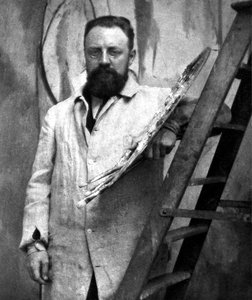
앙리 마티스
1869 - 1954 , 프랑스
주요 정보
- 국적: 프랑스
- 대표 작품:
- 호박들
- 흰 터번을 쓴 로레트
- 사망일: 1954년 11월 3일
- 영향을 받은 예술가:
- 모던 미술
- 표현주의
- 영향을 준 예술가:
- 반 고흐
- 샤르댕
- 러스
- 예술 사조: 포비즘 (Fauvism)
- 전체 이름: 앙리 에밀 베노와 마티스
- 출생일: 1869년 12월 31일
- 출생지: 르 카토-캄브레시, 프랑스

