프린트 판매로 전환
 더 보기
더 보기







































 가로 또는 세로 중 어느 한 면이라도 105cm(약 41인치)를 초과하는 작품이나 복제화의 경우, 프레임은 분해된 키트 형태로 배송됩니다. 이는 안전한 배송을 보장하고 운송 중 발생할 수 있는 손상을 방지하기 위함입니다.


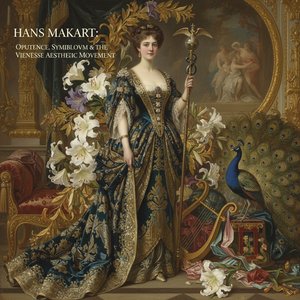
Hans Makart: A Visionary Painter Shaping Viennese Aesthetic
Hans Makart (1840-1884), born in Salzburg, Austria, stands as one of the most influential figures within Austrian art history. Though initially hampered by difficulties mastering draughtsmanship at the Vienna Academy – a setback that prompted his departure – Makart swiftly established himself as a champion of color and imagination, forging an artistic style dubbed “Makartstil” that would profoundly impact subsequent generations of artists.
His formative years were marked by exposure to Salzburg’s aristocratic milieu and instilled within him a deep appreciation for grandeur and theatricality. However, it was his relocation to Munich in 1861 where he truly blossomed under the tutelage of Karl Theodor von Piloty, honing his skills and refining his distinctive approach to painting. This mentorship cemented Makartstil – characterized by luminous palettes, dramatic compositions, and a masterful manipulation of light – as his signature aesthetic.
Makart’s artistic explorations extended beyond Munich's borders. Journeys to London, Paris, and Rome immersed him in the burgeoning European art movements of Impressionism and Symbolism, fostering an intellectual curiosity that fueled his creative endeavors. These experiences instilled a sensitivity to visual storytelling and contributed significantly to his ability to convey complex emotions through meticulously crafted imagery.
Die Falknerin: A Study in Power and Mysticism
"Die Falknerin" ("The Falconer"), completed in 1880, exemplifies Makartstil’s core principles. The painting depicts a woman holding aloft a wolf's head – a potent symbol of primal instinct and untamed wilderness – against a backdrop of richly textured drapery and an ethereal sky.
Makart employed oil paints on canvas with exceptional detail, utilizing glazing techniques to achieve unparalleled luminosity and depth. His meticulous brushwork captures the contours of the woman’s form and the wolf's head with remarkable precision, conveying both physicality and psychological intensity. The artist skillfully utilizes chiaroscuro – dramatic contrasts between light and shadow – to heighten the emotional impact of the scene.
Beyond its technical prowess, “Die Falknerin” resonates with symbolic significance. The falcon represents dominion and vigilance, mirroring the woman’s commanding gaze and unwavering resolve. Simultaneously, the wolf embodies untamed forces—challenges to be confronted—suggesting a narrative of courage and resilience. The inclusion of two apples – positioned strategically at the bottom left and top right – adds an element of enigmatic beauty and reinforces the painting's overarching theme of fertility and transformation.
Historical Context & Influence
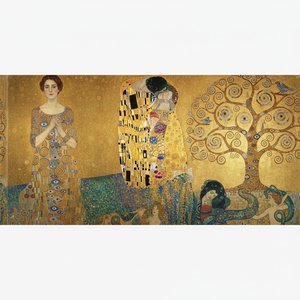
Makartstil emerged during Vienna’s “Golden Age,” a period characterized by artistic innovation, intellectual ferment, and aristocratic patronage. Influenced by Romanticism and Symbolism, Makart’s work anticipated the stylistic developments championed by Gustav Klimt and Emil Nolde, establishing him as a precursor to Viennese Secession.
His bold use of color and dramatic compositions challenged conventional artistic norms, paving the way for new expressive possibilities. Makart's legacy continues to inspire artists today who seek to convey profound emotions through visually arresting imagery—a testament to his enduring contribution to European art history.
질의응답
"Die Falknerin"은(는) 저작권으로부터 자유로운가요?
저작권과 관련하여, "Die Falknerin"은(는) 퍼블릭 도메인 - 저작권 보호 기간이 만료되었습니다 상태입니다.
"Die Falknerin"을(를) 더 자세히 살펴볼 수 있을까요?
한스 마카르트의 "Die Falknerin"의 X-Ray 뷰는 작품의 X선 분석 페이지에서 확인하실 수 있습니다. 이 페이지에서는 11개의 광학 레이어를 통해 이미지를 인터랙티브하게 살펴볼 수 있습니다.
한스 마카르트의 "Die Falknerin"의 기법은 무엇인가요?
한스 마카르트의 "Die Falknerin"의 재료는 Acrylic On Canvas입니다. 복제화는 이 기법 특유의 질감을 그대로 구현하는 것을 목표로 합니다.
이 작품에 대해 더 알아보기
 미리보기
미리보기
 공유하기
공유하기 공유하기
공유하기
 상세 정보
상세 정보 가이드 보기

 다운로드
다운로드
 유사 작품 더 보기
 X-레이
X-레이 슬라이드 쇼 보기
 질의응답
질의응답 통계 정보
통계 정보