Neue Pinakothek: A Window Into the Soul of 18th & 19th Century Europe
Nestled within Munich’s vibrant Kunstareal – a cultural district brimming with artistic treasures – stands the Neue Pinakothek, a museum that breathes with the spirit of 18th and 19th-century European art. More than just a repository of paintings, it's a journey through stylistic evolution, a testament to royal patronage, and a surprisingly poignant reflection of shifting cultural values. Established in 1853 by Ludwig I of Bavaria, the museum was conceived as a revolutionary space dedicated solely to showcasing contemporary works – a bold move at a time when galleries primarily focused on the revered masters of antiquity. This commitment to the “new” established a precedent that continues to resonate today, shaping our understanding of art history and its ongoing dialogue.
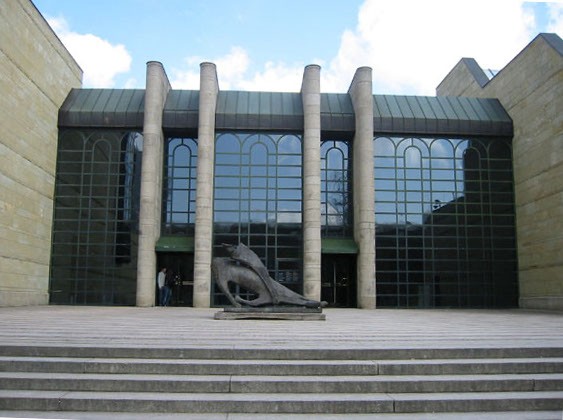
The building itself is an architectural marvel, a harmonious blend of neo-classical restraint and postmodernist flair; completed in 1859, it initially served as Europe’s first museum for contemporary painting, reflecting Ludwig I's progressive vision. However, the structure underwent a dramatic transformation in the late 20th century under the guidance of architect Alexander von Branca. He masterfully juxtaposed a robust concrete skeleton with a shimmering façade of meticulously crafted limestone, creating an arresting visual contrast that speaks to the museum’s dual identity – a timeless institution embracing both tradition and innovation.
The heart of the Neue Pinakothek lies in its extraordinary collection, painstakingly assembled over decades. It's not simply a chronological survey; rather, it’s a deliberate selection highlighting key movements and artists who shaped the course of Western art. The museum’s strength resides in its concentration on the Romantic period, with an impressive array of German Romantic paintings – works by Caspar David Friedrich, Philipp Otto Runge, and others – that capture the era's fascination with nature, emotion, and the sublime. Imagine standing before Friedrich’s “Monkshood,” a painting saturated with melancholy and the unsettling beauty of the natural world; or losing yourself in the dramatic landscapes of Runge, imbued with spiritual intensity.
Equally significant is the museum’s collection of English and Scottish art, featuring masterpieces from Thomas Gainsborough, Joshua Reynolds, and William Hogarth, offering a glimpse into the evolving artistic landscape across the Channel. Consider Gainsborough's portraits – not merely likenesses, but windows into the personalities and social standing of his subjects; or Hogarth’s satirical scenes, sharp commentaries on 18th-century London life.
Beyond these highlights, you’ll discover works by masters like Goya, Delacroix, Ingres, and Manet, each contributing to a rich tapestry of European artistic expression. These artists pushed boundaries, experimenting with new techniques and challenging conventions—a spirit that continues to inspire artists today. The museum's story began with Ludwig I's ambitious vision – to establish Munich as a center for artistic innovation and cultural prestige. However, the Neue Pinakothek faced considerable challenges during its early years, including funding difficulties and debates over artistic interpretation.
Furthermore, the “Tschudi Contribution” (1905-1914) represents a pivotal moment in the museum’s history. Driven by the dismissal of Hugo von Tschudi – a former director who had controversially exhibited Vincent van Gogh’s ‘The Birth of Christ’ in Berlin – a group of associates embarked on a remarkable fundraising campaign to acquire a stunning collection of Impressionist and Post-Impressionist works. This initiative resulted in the acquisition of 44 paintings, nine sculptures, and 22 drawings from artists like Henri Matisse, Paul Gauguin, and Édouard Manet. The tale of this extraordinary addition underscores artistic passion, political maneuvering, and the enduring legacy of a visionary collector.
Currently undergoing a major renovation project (scheduled to conclude in 2030), the Neue Pinakothek continues to engage with the public through online exhibitions and educational programs, demonstrating a commitment to accessibility and artistic engagement. Whether you’re an art historian, a seasoned collector, or simply someone seeking inspiration, the Neue Pinakothek offers a rare glimpse into the heart of Munich's artistic soul—a place where history, beauty, and passion converge.