실제 크기로 보기
 보내기
보내기 공유하기
공유하기
 상세 보기
상세 보기 가이드 보기

 이미지 다운로드
 유사 작품 더 보기
 X-레이
X-레이 슬라이드 쇼 보기
 통계 정보
통계 정보Store Front, Mobile, Alabama


 상세 보기
상세 보기
이 페이지에 표시된 작품은 저작권법의 보호를 받으며, 이에 따라 동일한 복제품을 제작하거나 판매하는 것은 법으로 금지되어 있습니다. 이러한 권리 보호는 다음과 같은 국제 협약에 따라 시행됩니다. 베른 협약 또한 다음에서 명시하는 법률을 포함한 국내법에 의해 보호됩니다. 미국 저작권법 제17조.
저희는 존중을 담은 합법적인 대안으로서, 원작에서 영감을 받은 맞춤형 수제 유화 작품을 제공합니다. 저희의 숙련된 전문 화가들은 원작의 스타일, 분위기, 예술적 정수를 면밀히 연구하여, 그 자체로 독창적인 창작물이면서도 원작과 동일한 감동을 불러일으키는 새로운 작품을 만들어냅니다.
이 방식은 저작권 보호를 받는 예술 작품을 복제하거나 그대로 재현하는 것이 아니기에 저작권 규정을 완벽히 준수합니다. 대신, 이는 창의적인 재해석의 과정을 거칩니다. 즉, 원작에서 영감을 받되 원작과 동일하지 않은 새로운 회화 작품을 의미합니다.
핸드메이드 유화 복제화
작가가 직접 캔버스에 손으로 그린 유화 작품으로, 원하는 크기와 액자로 맞춤 제작해 드립니다. ( 프린트 판매로 전환 디지털 이미지 판매 채널로 전환)




P118B ₩10

P118H ₩10

P118W ₩10

P438Z ₩10

P508JH ₩12

P508YH ₩12

P805H ₩10

P805Z ₩10

P919BZ ₩10

P919G ₩10

P919XJ ₩10

P959ZH ₩10

P968JZ ₩12

W106C ₩8

W218G ₩10

W218JH ₩8

W218Y ₩10

W307PJ ₩10

W316G ₩10

W316PJ ₩8

W316Y ₩10

W398PJ ₩8

W4111J ₩10

W500HY ₩15

W500JH ₩15

W692G ₩12

W849H ₩8

W940BG ₩15

W953PJ ₩8




작품의 원본 비율을 그대로 유지하는 프리셋 사이즈 중에서 선택해 보세요.

액자나 벽면 크기에 맞춰 필요한 가로와 세로 길이를 입력해 주세요. 본 작품은 수작업으로 제작되므로, 요청하신 비율에 따라 작가가 그림의 가장자리를 조금 더 넓게 그리거나 일부를 조정하여 작업할 수 있습니다. 작업 시작 전, 최종 확인을 위해 디지털 목업 이미지를 보내드립니다. 이 페이지에 표시된 이미지는 실제 결과물과 다를 수 있으며, 오직 목업 이미지만이 정확한 결과물을 보여줍니다.
주문 완료 후 OriginalUniqueArt.com 팀에서 상세 안내를 위해 고객님께 이메일을 보내드리며, 미리보기 시안을 함께 제공해 드립니다.


 유리 옵션은 110cm 미만 크기에서만 선택 가능합니다.

Store Front, Mobile, Alabama
재현 매체
복제본 규격
-


총 결제 금액
₩ 407114
A Frozen Moment in Southern Life
Gordon Parks’s “Store Front, Mobile, Alabama, 1956” isn't merely a photograph; it’s a meticulously crafted window into a vanished world—a poignant tableau of everyday life under the oppressive weight of Jim Crow segregation. Captured during his assignment for *Life* magazine, this image transcends its documentary origins to become a powerful meditation on empathy and the quiet dignity of ordinary people facing extraordinary circumstances. Parks, already a rising star in photography, eschewed the sensationalism often associated with civil rights imagery, instead choosing to focus on the seemingly mundane: a storefront in Mobile, Alabama, bathed in the warm, diffused light of a Southern afternoon. The scene is deceptively simple – a Coca-Cola sign proudly proclaiming its presence above the entrance, a weathered bench inviting weary customers, and several individuals gathered outside, engaged in conversation or simply observing the world around them. Yet, within this apparent stillness lies a profound narrative of resilience and quiet resistance.The Language of Color and Light
What immediately distinguishes “Store Front” is Parks’s masterful use of color—a bold departure from the predominantly black-and-white photography prevalent at the time. He deliberately employed saturated hues, particularly in the red of the Coca-Cola sign and the yellow of the building's facade, creating a vibrant contrast against the muted tones of the surrounding landscape. This deliberate infusion of color wasn’t simply aesthetic; it served to draw attention to the scene, inviting viewers to linger and contemplate its details. Parks expertly manipulated light, using natural illumination to sculpt the forms of the figures and create a sense of depth within the frame. The shadows cast by the building subtly emphasize the faces of those gathered outside, hinting at untold stories and experiences. This careful orchestration of color and light elevates the photograph beyond a simple snapshot, transforming it into a richly layered visual experience.A Window into Segregation’s Reality
The context surrounding this image is crucial to understanding its enduring power. Taken in 1956, during the height of the Civil Rights Movement, “Store Front” offers a rare glimpse into the daily realities of segregation in the American South. The Coca-Cola sign, a symbol of modernity and prosperity, stands in stark contrast to the racial inequalities that permeated every aspect of Southern life. The individuals depicted—a mix of Black men and women—represent the community’s resilience and their quiet determination to maintain dignity in the face of systemic oppression. Parks's choice to focus on this seemingly ordinary storefront highlights the fact that segregation wasn't confined to grand demonstrations or legal battles; it was woven into the fabric of everyday life, shaping people’s interactions, opportunities, and experiences. The photograph serves as a potent reminder of the pervasive nature of racial injustice and the importance of recognizing the humanity of those who have been marginalized.Symbolism and Emotional Resonance
Beyond its historical significance, “Store Front” is rich in symbolic meaning. The bench represents a brief respite from the hardships of daily life—a place for connection, conversation, and shared experience. The Coca-Cola sign, despite being a symbol of corporate America, also signifies a small measure of comfort and familiarity within a segregated environment. The figures themselves embody resilience, dignity, and community spirit. Parks’s deliberate framing invites viewers to project their own emotions onto the scene—to feel empathy for those depicted and to reflect on the enduring legacy of racial inequality. The photograph's emotional impact is profound, prompting us to confront uncomfortable truths about our past and to consider how we can build a more just and equitable future. It’s a testament to Parks’s skill that he could capture such complex emotions with such understated elegance.A Legacy of Photographic Storytelling
“Store Front, Mobile, Alabama, 1956” stands as a landmark achievement in photographic storytelling—a powerful example of how photography can be used to document social realities, challenge injustice, and foster empathy. Gordon Parks’s innovative use of color, his masterful manipulation of light, and his insightful portrayal of everyday life have cemented this image's place as an iconic representation of the Civil Rights Movement and a timeless meditation on human dignity. Reproductions of this photograph continue to resonate with audiences today, serving as a poignant reminder of the struggles faced by African Americans in the Jim Crow South and inspiring us to strive for a more inclusive and equitable society.질의응답
"Store Front, Mobile, Alabama"의 주제가 고든 파크스의 평소 작업 주제와 어떤 연관이 있나요?
"Store Front, Mobile, Alabama"은(는) segregation, alabama, 1956, african-americans, gordon parks, photography, civil rights, family life을(를) 묘사하고 있는 반면, 고든 파크스의 기존 주제들은 photography, civil rights, segregation, documentary, social commentary입니다. 이 두 가지를 비교해 보면 해당 작품이 작가의 통상적인 소재와 어떻게 연관되는지 알 수 있습니다.
"Store Front, Mobile, Alabama"의 규격은 어떻게 되나요?
"Store Front, Mobile, Alabama"의 형식은 Square입니다. 이는 작품 복제본을 배치할 공간을 계획할 때 유용합니다.
"Store Front, Mobile, Alabama"은(는) 저작권 보호 대상이 아닌가요?
저작권과 관련하여, "Store Front, Mobile, Alabama"은(는) 여전히 저작권의 보호를 받고 있습니다 상태입니다.
작가 소개
생애 초기와 경력
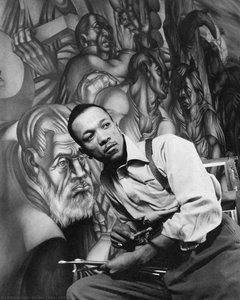
고든 로저 알렉산더 부캐넌 파크스는 미국의 사진작가이자 음악가, 작가, 그리고 영화감독으로, 1912년 11월 30일 캔자스주 포트 스콧에서 태어났습니다. 그는 사라(본 성 로스)와 잭슨 파크스 사이에서 태어난 15명의 자녀 중 막내였습니다. 파크스의 어린 시절은 인종 격리라는 시대적 아픔과 맞닿아 있었으며, 그는 고향에서 그 차별을 몸소 경험하며 성장했습니다.독학으로 예술의 길을 개척한 파크스는 사진작가로서 커리어를 시작하여, 마침내 라이프(Life)와 보그(Vogue) 잡지에서 활동한 최초의 아프리카계 미국인이 되었습니다. 1940년대 연방 정부 프로젝트를 위해 촬영한 가난한 미국인들의 상징적인 사진들은 그의 탁월한 기술과 예술적 헌신을 보여주는 위대한 증거로 남아 있습니다.
주요 작품 및 업적
- 샤프트 (Shaft, 1971): 파크스가 감독한 영화로, 하나의 문화적 현상이 되었습니다.
- 러닝 트리 (The Learning Tree, 1969): 파크스의 감독 데뷔작이자 그의 자전적 요소가 담긴 영화입니다.
- 무기의 선택 (A Choice of Weapons, 1985): 파크스의 뛰어난 문학적 역량을 보여주는 회고록입니다.
- 라이프 잡지의 사진 에세이들은 저널리스트로서 파크스의 위상을 확고히 다져주었습니다.
박물관 및 소장처
- 멜빈 홈즈 컬렉션 (The Melvin Holmes Collection): 파크스의 방대한 작품군을 보유하고 있습니다. [https://www.holmesartgallery.com/gordonparks](https://www.holmesartgallery.com/gordonparks)
- 뉴욕 현대 미술관 (MoMA): 파크스의 인상적인 사진 컬렉션을 소장하고 있습니다. [https://www.moma.org/artists/8083](https://www.moma.org/artists/8083)
수상 및 유산
- NAACP 이미지 어워드 (2003)
- PGA 오스카 미쇼 상 (1993)
- 국립 예술 훈장 (1988)
- 스핑가른 메달 (1972)
고든 파크스의 유산은 그가 남긴 경이로운 작품 세계를 넘어, 후대 아프리카계 미국인 예술가들이 나아갈 길을 닦았다는 점에서 더욱 깊은 의미를 지닙니다. 사진 저널리즘, 영화 제작, 그리고 음악에 기여한 그의 업적은 오늘날의 예술가들에게도 끊임없는 영감과 영향을 주고 있습니다.
OriginalUniqueArt.com 엄선 작품
- 이머징 맨 (Emerging Man, 젤라틴 실버 프린트): 파크스의 기술적 정수를 보여주는 강렬한 사진입니다. [https://OriginalUniqueArt.com/d3xgfc-gordon-parks-emerging-man](https://OriginalUniqueArt.com/d3xgfc-gordon-parks-emerging-man)
- 루시 존슨 부인의 초상 (Portrait of Mrs. Lucy Johnson, 젤라틴 실버 프린트): 파크스의 서사적 능력을 돋보이게 하는 가슴 뭉클한 초상화입니다. [https://OriginalUniqueArt.com/d4dblu-gordon-parks-portrait-of-mrs-lucy-johnson](https://OriginalUniqueArt.com/d4dblu-gordon-parks-portrait-of-mrs-lucy-johnson)

고든 파크스
1912 - 2006 , 미국
작가 정보 요약
- Artistic Movement Or Style: 포토저널리즘, 사회적 사실주의
- Artists Or Movements Influenced By This Artist: 미래의 아프리카계 미국인 예술가들
- Date Of Birth: 1912년 11월 30일
- Date Of Death: 2006년 3월 7일
- Full Name: 고든 로저 알렉산더 부캐넌 파크스
- Nationality: 미국인
- Notable Artworks:
- 샤프트 (Shaft)
- 학습의 나무 (The Learning Tree)
- 떠오르는 인간 (Emerging Man)
- 할렘 갱 전쟁 (Harlem Gang Wars)
- 나이트 럼블 (Night Rumble)
- Place Of Birth: 미국 포트 스콧
관련 기사

Witnessing History Through Lens & Light: Documentary Photography's Enduring Legacy
Explore the powerful history of documentary photography – from its origins to contemporary masters like Gordon Parks & W. Eugene Smith. Discover how this art form shapes our understanding of society and witness pivotal moments in time.

Witnessing History: Documentary Photography as an Art Movement
Explore the powerful history of documentary photography – from its origins to contemporary masters like Gordon Parks. Discover how this art form shapes our understanding of society and witness pivotal moments in time.
Gordon Parks: A Poetic Lens on American Life – Photography, Social Justice & Storytelling
Explore the profound work of Gordon Parks, a groundbreaking photographer who documented American life with unparalleled empathy and artistry. Discover his iconic images & lasting impact on social justice through Life magazine & beyond.

Monochrome Visions: Exploring the Aesthetic & Historical Significance of Black & White Photography
Explore the rich history & artistic power of black and white photography. From early techniques to iconic masters like Ansel Adams, discover why monochrome continues to captivate art lovers today. Expert insights for collectors.

Beyond the Lens: Photography's Enduring Influence on Modern & Contemporary Art
Explore photography's pivotal role in shaping modern & contemporary art. Discover key movements, influential artists like Stieglitz, and expert collecting advice from OriginalUniqueArt.