Cubist Fauvism
tenora (조르주 브라크)
조르주 브라크 (1882–1963) 작가의 tenora Cubist Fauvism 운동에 속합니다. Mixed Media(으)로 제작되었습니다.
- Mixed Media

 미리보기

 수작업 유화 작품
 공유하기
 공유하기
 학습용 요약본


 다운로드
 유사 작품 더 보기
 X-레이
 슬라이드 쇼 보기
 질의응답

 통계 정보
tenora 요약
tenora은(는) 무엇을 묘사하고 있나요?
A Symphony of Texture and Silence
In the quiet realm of Georges Braque’s "Tenora," we encounter a masterpiece that defies the immediate expectations of the eye. At first glance, the composition presents a deceptive simplicity, a monochrome meditation that seems to strip away the distractions of the physical world. Yet, beneath this austere surface lies a profound exploration of texture and presence. The work functions as a tactile landscape, where the absence of vibrant color allows the viewer to focus entirely on the rhythmic dance of light across heavy, sculptural brushstrokes. It is an invitation to slow down, to move past the superficial, and to engage with the very materiality of paint itself. For the discerning collector or interior designer, this piece offers a sophisticated anchor—a work of quiet intensity that commands attention through its subtle complexity rather than through loud, competing hues.
The technique employed in "Tenora" is nothing short of visceral. Braque utilizes a thick impasto, applying layers of pigment so substantial that they create palpable ridges and valleys upon the canvas. This method transforms the painting from a mere two-dimensional image into a three-dimensional object, where shadows are cast by the paint itself. This interplay of light and shadow is further heightened by the artist's mastery of grayscale, creating a range of tones that feel both weighty and ethereal. The surface becomes a topographical map of the artist's creative struggle, capturing the energy of every stroke and the deliberate placement of every layer. Such textural depth makes a high-quality reproduction particularly rewarding, as it allows the play of ambient light in a room to interact with the simulated relief of the brushwork.
The Echoes of Fauvism and the Birth of Modernity
To understand "Tenora," one must look back to the radical shifts occurring in the French avant-garde at the turn of the 20th century. While Braque would later become a titan of Cubism, this work resonates with the lingering spirit of Fauvism. During this era, artists sought to liberate color from its descriptive duties, using it instead as a direct conduit for emotion. In "Tenora," even within a restricted palette, we feel that same expressive rebellion. The painting does not seek to mirror a recognizable object with photographic accuracy; rather, it seeks to capture the essence of a moment. There is a historical weight to this piece, as it sits at the crossroads of tradition and revolution, embodying the transition from the atmospheric preoccupations of Impressionism to the structural, intellectual rigor of the modern age.
The title itself, referencing the tenora—a traditional Catalan woodwind instrument—adds a layer of haunting symbolism. Though the instrument may not be explicitly rendered in a naturalistic fashion, its presence is felt through the rhythmic, melodic quality of the composition. The painting becomes a visual music, where the thick strokes act as notes and the tonal shifts serve as crescendos and decrescendos. This connection to folk tradition and auditory sensation imbues the work with a soulful, human element that balances its intellectual complexity. For those looking to infuse a space with culture and depth, "Tenora" provides more than just decoration; it offers a window into a pivotal moment of human expression, making it an enduring choice for any curated collection.
tenora의 고해상도 이미지

Protected by copyright: these files are for personal reference, not a licence to republish.
조르주 브라크, tenora.
tenora에 관한 질문과 답변
조르주 브라크의 "tenora"의 기법은 무엇인가요?
조르주 브라크의 "tenora"에는 어떤 소재가 등장하나요?
조르주 브라크의 "tenora"은(는) 퍼블릭 도메인인가요?
조르주 브라크의 "tenora"은(는) 어떤 미술 사조에 속하나요?
"tenora"의 저작권 상태가 왜 이렇게 지정되어 있나요?
"tenora"의 저작권 상태(저작권 보호 대상입니다)는 작가의 1963년 사망 시점을 기준으로 결정됩니다.
"tenora"은(는) 조르주 브라크의 작품 세계와 화풍을 어떻게 반영하고 있나요?
아티스트 조르주 브라크 소개
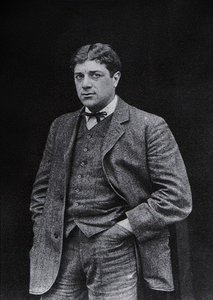
1882–1963, 프랑스
조르주 브라크
유년 시절과 가족, 그리고 예술적 훈련 조르주 브라크는 1882년 프랑스 아르젠트빌에서 태어났습니다. 그의 어린 시절은 프랑스 르아브르에서 보냈는데, 그가 자라온 가정환경은 장식과 색채라는 실용적인 예술의 세계로 정의될 수 있었습니다. 집수리 화가와 장식가들로 이루어진 가족의 일원으로 성장하며, 그는 아주 어린 나이부터 직업적 기술이 지닌 촉각적 실재감에 깊이 몰입되었습니다. 이러한 성장 배경은 훗날 그가 캔버스에 접근하는 방식에 있어 기술적 숙련도라는 단단한 토대를 마련해 주었습니다.
조르주 브라크의 다른 작품들
 만돌라 (1910)1910
 기타를 든 남자1914
 레스타크의 집들
 노르망디 항구1909
tenora 관련 에세이
 Quietude on Canvas: Examining Serenity in Classical LandscapesExplore how masters like Dürer and Corot capture profound stillness through landscape. Discover the art of visual tranquility today.
 조르주 브라크의 걸작 25선: 예술과 공간을 초월하는 시선 | OriginalUniqueArt조르주 브라크의 시대를 초월한 25개의 걸작을 만나보세요. 입체주의를 개척한 프랑스 화가의 예술 세계와 숨겨진 이야기를 OriginalUniqueArt에서 감상하고, 명작 유화 복제본으로 공간에 특별함을 더하세요. 지금 바로 컬렉션을 탐험하세요!
 Georges Braque: The Architect of Form and the Soul of Cubist RevolutionExplore the profound legacy of Georges Braque, a master of Cubism. Discover how his technical craftsmanship and collaboration with Picasso …