Geometric Abstraction · 1954
Study for the (페르낭 레제, 1954)
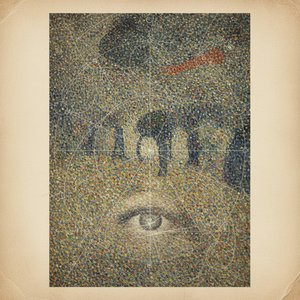
페르낭 레제 (1881–1955) 작가의 Study for the 1954년에 제작되었습니다. Geometric Abstraction 운동에 속합니다. Acrylic On Canvas(으)로 제작되었습니다. 카라물로, 포르투갈에 위치한 Museu do Caramulo에 소장되어 있습니다. 크기는 38 × 44 cm입니다.
- 1954
- Acrylic On Canvas
- 38 × 44 cm
- Museu do Caramulo, 카라물로

 미리보기

 수작업 유화 작품
 공유하기
 공유하기
 학습용 요약본


 다운로드
 유사 작품 더 보기
 X-레이
 슬라이드 쇼 보기
 질의응답

 통계 정보
Study for the 요약
- 제목
- Study for the
- 작가
- 페르낭 레제 (1881–1955)
- 작가 출생지
- 아르장탕, 프랑스
- 제작 연도
- 1954
- 매체
- Acrylic On Canvas
- 크기
- 38 × 44 cm
- 전시 장소
- Museu do Caramulo, 카라물로, 포르투갈
- 주제
- musical performance, geometric forms, modern landscape, instrument ensemble, urban scene, animal presence
Study for the 은(는) 무엇을 묘사하고 있나요?
A Symphony of Form and Feeling: Exploring Fernand Léger’s “Study for Breakfast”
Fernand Léger's "Study for Breakfast," completed in 1954, transcends mere representation; it embodies the very spirit of Pointillism—a technique championed by Georges Seurat and embraced wholeheartedly by Léger as a means to convey dynamism and immediacy. This unassuming landscape isn’t simply depicted as it appears before our eyes; instead, Léger meticulously constructs it from countless tiny dots of pigment, creating an illusion of depth and texture that defies conventional painting methods. The resulting image pulsates with energy, mirroring the rhythms of daily life—a quiet morning scene rendered with astonishing precision. It's a masterful demonstration of how abstraction can serve as a conduit for emotion and observation simultaneously.- Style: Pointillism – Léger’s signature style prioritizes optical mixing over blending pigments on canvas, resulting in vibrant hues that shimmer and shift subtly under the light.
- Technique: Léger employed a painstaking process of applying dots of color—typically yellow, red, and blue—to build up layers of tonal variation. This method demanded immense patience and meticulous attention to detail, reflecting Léger’s unwavering commitment to his artistic vision.
Historical Context: Embracing Modernity Amidst Postwar Uncertainty
Created in the aftermath of World War II, “Study for Breakfast” speaks to a broader cultural preoccupation with rebuilding and redefining beauty after devastation. Léger’s stylistic choices—the geometric abstraction and the deliberate fragmentation of form—were deliberately antithetical to the prevailing artistic trends of his time, signaling a rejection of Impressionism's focus on fleeting sensations and an embrace of the machine age’s influence on visual perception. This bold stance positioned Léger as a pioneer of abstract expressionism, anticipating developments that would reshape the landscape of 20th-century art.Symbolic Resonance: The Quiet Power of Observation
Despite its apparent simplicity, “Study for Breakfast” is laden with symbolic significance. Léger’s use of dots—representing individual particles and conveying movement—suggests a fascination with scientific principles and an attempt to capture the underlying order of nature. The muted palette contributes to a mood of contemplative serenity, inviting viewers to contemplate the beauty found in everyday moments. It's a subtle reminder that even amidst turbulent times, art can offer solace and inspire wonder.Emotional Impact: Capturing Essence Through Precision
Ultimately, Léger’s “Study for Breakfast” succeeds in conveying an emotional resonance far exceeding its visual surface. The artist doesn’t aim to evoke sentimental feelings but rather to distill the essence of a scene—the feeling of warmth, light, and stillness—into a meticulously crafted composition. This achievement underscores Léger's profound understanding of how abstraction can communicate complex ideas and sensations with remarkable effectiveness. It remains an enduring testament to his artistic genius and a captivating example of Pointillist artistry.Study for the 은(는) 어느 미술관에 소장되어 있나요?
Museu do Caramulo
카라물로, 포르투갈
강철과 영혼의 교향곡 포르투갈 중부, 세라 두 카라물로(Serra do Caramulo)의 푸르고 물결치는 언덕 사이에 자리 잡은 Museu do Caramulo 는 경이로운 역설 그 자체입니다. 이곳은 기계 공학의 정밀함과 인간 창의성의 심오한 깊이가 만나는 성소와도 같습니다. 단순히 유물을 보관하는 저장소를 넘어, 겉보기에 이질적인 두 세계 사이의 살아있는 대화가 흐르는 곳입니다.


Study for the 의 고해상도 이미지

페르낭 레제, Study for the (1954), Museu do Caramulo. 퍼블릭 도메인
Study for the 에 관한 질문과 답변
현재 페르낭 레제의 "Study for the"은(는) 어디에서 관람할 수 있나요?
페르낭 레제의 "Study for the"의 원작은 Museu do Caramulo, 카라물로, 포르투갈에 소장되어 있습니다. 복제화를 통해 이 작품을 집에서도 감상하실 수 있습니다.
"Study for the"은(는) 언제 제작되었나요?
페르낭 레제의 "Study for the"은(는) 1954년에 제작되었습니다.
페르낭 레제의 "Study for the"의 기법은 무엇인가요?
페르낭 레제의 "Study for the"의 재료는 Acrylic On Canvas입니다. 복제화는 이 기법 특유의 질감을 그대로 구현하는 것을 목표로 합니다.
원작 페르낭 레제의 "Study for the"의 크기는 어떻게 되나요?
"Study for the" 원작의 크기는 38 x 44 cm입니다. 원작의 규격은 복제본 사이즈를 선택하실 때 유용한 참고 자료가 됩니다.
"Study for the"은(는) 어떤 내용을 담고 있나요?
"Study for the"에 담긴 소재는 musical performance, geometric forms, modern landscape, instrument ensemble, urban scene, animal presence, domestic setting, pointillism technique입니다.
"Study for the"은(는) 저작권으로부터 자유로운가요?
페르낭 레제의 "Study for the"의 저작권 정보: 해당 작품은 퍼블릭 도메인 - 저작권 보호 기간이 만료되었습니다 상태입니다. 이는 이미지 복제 가능 여부를 결정하는 기준이 됩니다.
"Study for the"을(를) 만든 작가는 누구인가요?
"Study for the"의 작가는 페르낭 레제입니다.
페르낭 레제의 "Study for the"은(는) 어떤 미술 사조에 속하나요?
페르낭 레제의 "Study for the"은(는) Geometric Abstraction 사조에 속하며, 이 사조는 해당 작품의 양식적 배경을 잘 보여줍니다.
"Study for the"은(는) 페르낭 레제의 예술적 발전 단계 중 어느 시기를 나타냅니까?
페르낭 레제의 작품 세계에서 "Study for the"은(는) Mature Period 시기의 작품입니다. 이 시기는 작가의 다른 작품들과 비교해 보는 데 유용한 지표가 됩니다.
아티스트 페르낭 레제 소개

1881–1955, 프랑스
페르낭 레제
페르난 레제의 삶 페르난 레제의 이야기는 노르망디 하부 지역의 오른(Orne) 주에 위치한 아쟁탕이라는 작은 마을에서 시작됩니다. 1881년 2월 4일, 외아들로 세상에 태어난 그의 유년 시절은 프랑스 전원 지대의 고요함과 어머니 마리-아델 도누(Marie-Adèle Daunou)의 보살핌 속에서 형성되었습니다. 가축 상인으로 생계를 이어가던 아버지는 페르난이 아주 어린 시절 세상을 떠났고, 아이는 경건하면서도 겸손한 성품을 지닌 어머니의 손에서 자라나게 되었습니다. 노르망디의 농촌 풍경 속에서 보낸 이러한 성장 배경은, 훗날 그가 프랑스 문화의 중심지에서 누리게 될 역동적인 삶과 극명한 대조를 이룹니다.
페르낭 레제의 다른 작품들
 도시1919
 정비공 (Le Mécanicien)1920
 세 여성1921
 숲 속의 누드1910

Study for the 관련 에세이
 Industrial Revolution on Canvas: 10 Artworks That Define a Modern AestheticExplore 10 iconic artworks capturing the Industrial Revolution’s grit & beauty. From Monet to Manet, discover realism, impressionism & powe…
 Georges Seurat: Pointillism, Perception & the Scientific Foundations of Modern ArtExplore the revolutionary art of Georges Seurat and the science behind Pointillism. Discover chromoluminarism, optical mixing, and the last…
 Mastering the Machine Age: The Top 25 Fernand Léger ArtworksImmerse yourself in the vibrant world of Fernand Léger. Explore 25 iconic masterpieces of Cubism and Tubism, from bold geometric forms to m…