Rococo
Tea-time (Emile Eisman Semenovsky)
Emile Eisman Semenovsky (1859–1911) 작가의 Tea-time Rococo 운동에 속합니다.

 미리보기

 수작업 유화 작품
 공유하기
 공유하기
 학습용 요약본


 다운로드
 유사 작품 더 보기
 X-레이
 슬라이드 쇼 보기
 질의응답

 통계 정보
Tea-time 요약
- 제목
- Tea-time
- 작가
- Emile Eisman Semenovsky (1859–1911)
- 운동성
- Rococo
- 주제
- portrait, rococo, tea time, elegance, woman, luxury
Tea-time의 고해상도 이미지
Emile Eisman Semenovsky, Tea-time. 퍼블릭 도메인
Tea-time에 관한 질문과 답변
Emile Eisman Semenovsky의 "Tea-time"에는 어떤 모습이 담겨 있나요?
Emile Eisman Semenovsky의 "Tea-time"에 나타난 주제로는 portrait, rococo, tea time, elegance, woman, luxury, soft colors, russian art 등이 있습니다. 이들은 모여 작품의 소재를 요약해 보여줍니다.
"Tea-time"은(는) 저작권으로부터 자유로운가요?
저작권과 관련하여, "Tea-time"은(는) 퍼블릭 도메인 - 저작권 보호 기간이 만료되었습니다 상태입니다.
"Tea-time"은(는) 어느 작가의 작품인가요?
"Tea-time"의 작가는 Emile Eisman Semenovsky입니다.
"Tea-time"은(는) 어떤 화풍에 속하나요?
Emile Eisman Semenovsky의 "Tea-time"과(와) 관련된 미술 사조는 Rococo입니다. 이러한 분류를 통해 해당 작품을 관련 작가 및 예술 작품들과 함께 파악할 수 있습니다.
Tea-time은(는) Emile Eisman Semenovsky의 예술적 경력 중 어느 시기에 해당하나요?
"Tea-time"은(는) Emile Eisman Semenovsky의 Mature Period를 잘 보여주는 작품입니다.
"Tea-time"의 저작권 상태가 왜 이렇게 지정되어 있나요?
Emile Eisman Semenovsky의 "Tea-time"은(는) 퍼블릭 도메인 - 저작권 보호 기간이 만료되었습니다 상태입니다. 저작권 보호 기간은 작가가 사망한 1911년부터 기산됩니다.
"Tea-time"은(는) Emile Eisman Semenovsky의 작품 세계와 화풍을 어떻게 반영하고 있나요?
"Tea-time"은(는) Emile Eisman Semenovsky의 다른 작품들과 마찬가지로 Rococo 양식과 더불어 작가의 반복되는 주제인 genre scenes of russian life, rococo elegance, romantic beauty, classical grace, aristocratic leisure, russian social scene를 공유합니다.
"Tea-time"은(는) Emile Eisman Semenovsky의 반복되는 주제들 사이에서 어떤 위치를 차지하고 있나요?
"Tea-time"은(는) portrait, rococo, tea time, elegance, woman, luxury, soft colors, russian art을(를) 묘사하고 있는 반면, Emile Eisman Semenovsky의 기존 주제들은 genre scenes of russian life, rococo elegance, romantic beauty, classical grace, aristocratic leisure, russian social scene입니다. 이 두 가지를 비교해 보면 해당 작품이 작가의 통상적인 소재와 어떻게 연관되는지 알 수 있습니다.
아티스트 Emile Eisman Semenovsky 소개
1859–1911
Emile Eisman Semenovsky
The Ethereal Vision of Emile Eisman-Semenowsky Émile Eisman-Semenowsky remains a captivating figure in the late nineteenth-century Parisian art scene, an artist whose work serves as a bridge between the rigorous discipline of academic realism and the fleeting, luminous qualities of Impressionism. Born in Poland around 1857, his early life is shrouded in much of the mystery that often surrounds artists of great talent but sparse documentation. Likely of Jewish descent, he moved through the cultural landscapes of Eastern Europe before finding his creative home in France. This movement between worlds—from the traditions of his Polish roots to the avant-garde energy of Paris—imbued his work with a unique perspective, allowing him to capture a sense of "otherness" that would become his artistic hallmark.
Emile Eisman Semenovsky의 다른 작품들
 The Maiden of Spring1882
 Marguerite1882
 Gypsy Girl1886
 Leisure Moments1890
Tea-time 관련 에세이
 The Rococo Aesthetic: Opulence, Rebellion & the Pursuit of Pleasure in 18th-Century ArtExplore the opulent world of Rococo art! Discover its origins, key artists like Watteau & Boucher, and lasting influence on design. Expert …
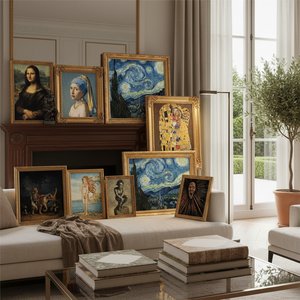 Timeless Masterpieces: 10 Classic Artworks for Elegant Homes |Explore 10 timeless masterpieces – from Van Gogh to Rembrandt – that define classic art & evoke enduring moods. Discover art history, techn…
 Fyodor Rokotov: Intimacy & Enlightenment in Russian PortraitureExplore the captivating portraits of Fyodor Rokotov, a master of 18th-century Russian art. Discover his unique psychological realism, Rococ…