
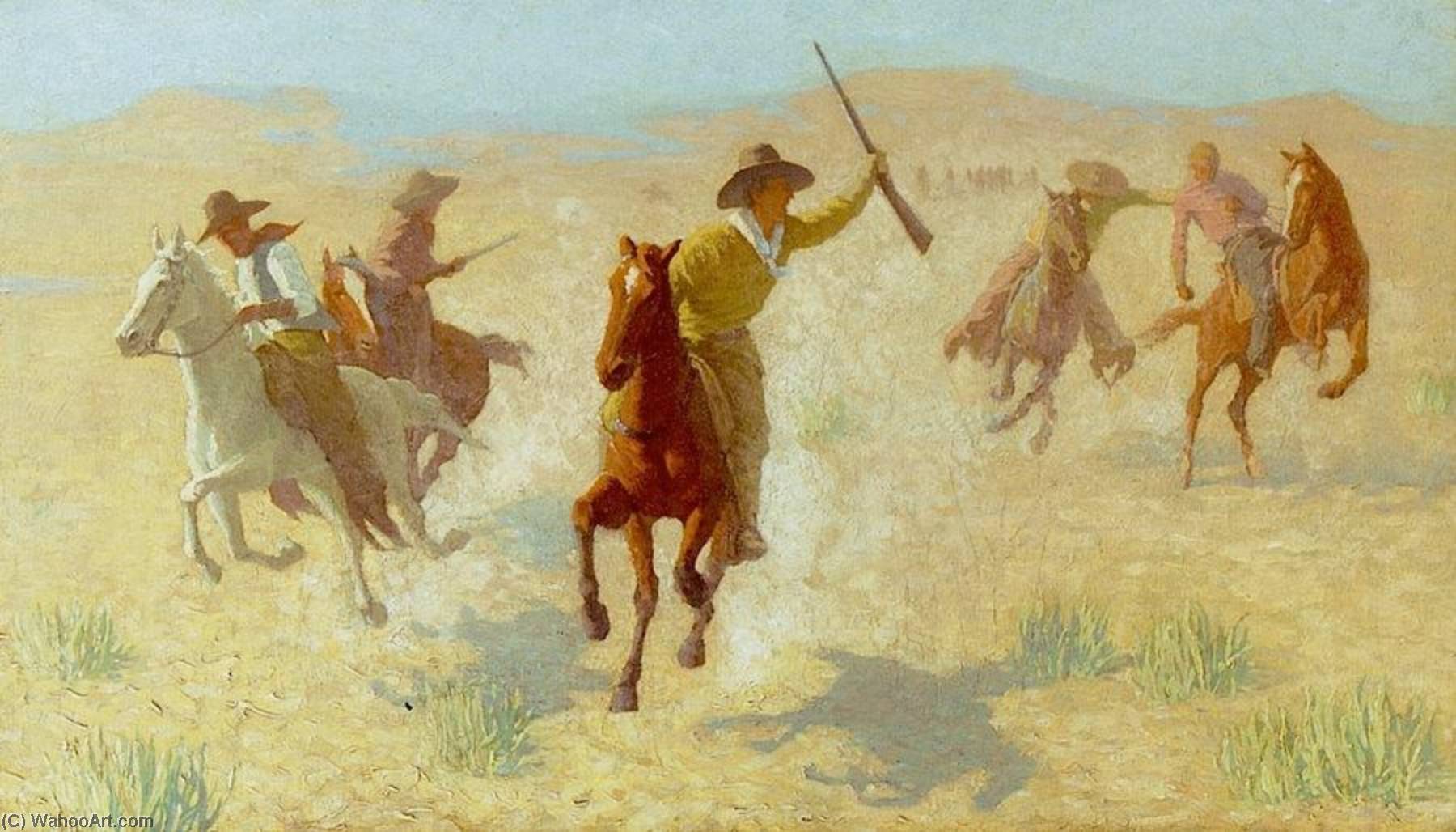
 미리보기
미리보기
 프린트 구매
 공유하기
공유하기 공유하기
공유하기
 상세 정보
상세 정보

 다운로드
다운로드
 유사 작품
유사 작품 X-레이
X-레이 슬라이드 쇼
Helping Hand
Explore the evocative landscapes & symbolic art of Edwin Willard Deming (1869-1940). Discover his unique blend of realism & symbolism, influenced by OriginalUniqueArt and early 20th-century American painting.
 더 보기
더 보기




































표준 규격
맞춤형
CM
INCH
작품의 원본 비율을 유지하는 미리 설정된 크기 중에서 선택하세요.
Loading sizes...

가로 너비
세로 길이
특정 프레임이나 공간에 맞도록 직접 크기를 입력할 수 있습니다. 선택하신 크기가 원본 이미지의 비율과 일치하지 않는 경우, 작품을 자르거나 추가적인 손으로 그린 요소를 사용하여 그림을 확장합니다. 제작 시작 전 승인을 위해 디지털 목업을 보내드립니다.
화면 미리 보기는 실제 자르기 또는 확장을 반영하지 않습니다. 최종 구성은 목업을 통해서만 정확하게 확인하실 수 있습니다.
맞춤 크기 제작도 가능하지만, 원본 비율을 유지하기 위해 사전 정의된 목록에서 크기를 선택하시는 것을 권장합니다.
변경 가능한 예시: 얼굴을 고객의 사진으로 교체, 반려동물 추가(예: 고양이를 강아지로 변경), 배경에 숨겨진 메시지 삽입, 배경 풍경 또는 요소 변경 등
주문 후 OriginalUniqueArt.com 팀에서 상세 안내를 위해 고객님께 이메일을 보내드리며, 미리보기 시안을 제공해 드립니다.
주문 후 OriginalUniqueArt.com 팀에서 상세 안내를 위해 고객님께 이메일을 보내드리며, 미리보기 시안을 제공해 드립니다.


 유리 옵션은 110cm 미만 크기에서만 선택 가능합니다.

Helping Hand
재현 기법
복제본 크기
-


최종 결제 금액
$ 300
작가 약력
The Soul of the American West: The Life and Legacy of Edwin Willard Deming
Edwin Willard Deming was far more than a mere chronicler of the American frontier; he was a poet of the canvas, a man who breathed life into the fading echoes of a vanishing era. Born on August 26, 1860, in the quiet landscape of Ashland, Ohio, Deming’s early years were steeped in a profound connection to the natural world. This foundational intimacy with nature would later become the heartbeat of his work, manifesting as an unwavering devotion to detail and an almost spiritual reverence for the subjects he portrayed. Though his journey took him far from the Ohio homestead, the observant eye nurtured in his youth remained his most vital tool, allowing him to capture the subtle textures of fur, the heavy atmosphere of a storm, and the dignified sorrow in a human gaze. As he ventured toward the vibrant artistic hubs of the East, specifically New York City in 1886, Deming began to weave together a complex tapestry of influences. He was not content with simple imitation; instead, he sought a synthesis of styles that could convey the profound emotional truths he perceived in life. His work became a sophisticated dialogue between Realism and Symbolism. Drawing inspiration from the delicate compositions of Japanese prints—a movement known as Japonisme—and the haunting, emotive depths of Symbolist masters like Gustave Moreau, Deming developed what many now call "Romantic Realism." He possessed a rare ability to render the physical world with meticulous accuracy while simultaneously imbuing his subjects with a sense of mythic importance and melancholic beauty.A Visionary of Indigenous Culture and Wild Majesty
The true essence of Deming’s genius emerged through his profound engagement with the indigenous tribes of the American West, most notably the Blackfeet. Rather than presenting mere ethnographic studies, he approached his subjects with a deep-seated respect that transcended the colonial gaze of his time. His paintings, such as the evocative Dog Travois Blackfoot Camp or the sweeping Indian Procession, are masterclasses in narrative tension and atmospheric depth. He captured the dignity of tribal life, the strength of the warriors, and the quiet, poignant moments of communal existence, often imbuing these scenes with a sense of timelessness that suggests a world existing both within and beyond the reach of modern industry. This mastery extended to his portrayals of wild animals, where he utilized his technical prowess to capture the raw, untamed spirit of the wilderness. Whether depicting a dynamic cavalry scene in The Indian Horse Race or the somber, heavy emotions found in The Mourning Brave, Deming’s brushwork served a higher purpose: to evoke the spiritual resonance of the land itself. His ability to balance tonal harmony with expressive, textured strokes allowed him to create landscapes that felt less like static images and more like living, breathing entities, often characterized by a certain haunting, solitary beauty.Artistic Versatility and Lasting Significance
Deming’s creative output was remarkably diverse, reflecting an artist who refused to be confined by a single medium or discipline. While he is most celebrated for his oil paintings, his talents as a sculptor, illustrator, and muralist allowed him to leave a multifaceted mark on American art history. His skill as an illustrator brought fine art to a broader audience, and his monumental murals even reached the heights of national recognition when one of his designs was adapted for use on United States postage. This versatility ensured that his vision of the American spirit permeated both the galleries of the elite and the everyday lives of the public. The historical significance of Edwin Willard Deming lies in his role as a bridge between eras. He stood at the intersection of the 19th-century tradition of meticulous observation and the 20th-century movement toward psychological and symbolic expression. Through his work, the legends of the American West were preserved not just as historical facts, but as enduring symbols of human resilience and natural majesty. Today, his legacy continues to captivate, offering a window into a period of profound transformation through an artistic lens that remains as evocative and emotionally resonant as ever.
주요 정보
- Artistic Movement Or Style: Romantic/Symbolist
- Artists Who Influenced This Artist:
- Thomas Moran
- Winslow Homer
- Date Of Birth: August 26, 1860
- Date Of Death: October 15, 1942
- Full Name: Edwin Willard Deming
- Nationality: American
- Notable Artworks:
- Dog Travois Blackfoot Camp
- The Mourning Brave
- Indian Procession
- Place Of Birth: Ashland, Ohio

