

 실제 크기로 보기
 보내기
보내기 공유하기
공유하기
 상세 보기
상세 보기 가이드 보기

 이미지 다운로드
 유사 작품 더 보기
 X-레이
X-레이 슬라이드 쇼 보기
 통계 정보
통계 정보Columbus Circle


 상세 보기
상세 보기
지클레 / 아트 프린트
빠른 제작과 다양한 마감 옵션을 선택할 수 있는 박물관 수준의 지클레이 및 캔버스 프린트. ( 수작업 채색 복제본 주문하기 디지털 이미지 판매 채널로 전환)




P118B ₩10

P118H ₩10

P118W ₩10

P438Z ₩10

P508JH ₩12

P508YH ₩12

P805H ₩10

P805Z ₩10

P919BZ ₩10

P919G ₩10

P919XJ ₩10

P959ZH ₩10

P968JZ ₩12

W106C ₩8

W218G ₩10

W218JH ₩8

W218Y ₩10

W307PJ ₩10

W316G ₩10

W316PJ ₩8

W316Y ₩10

W398PJ ₩8

W4111J ₩10

W500HY ₩15

W500JH ₩15

W692G ₩12

W849H ₩8

W940BG ₩15

W953PJ ₩8




작품의 원본 비율을 그대로 유지하는 프리셋 사이즈 중에서 선택해 보세요.

액자나 벽면 크기에 맞춰 필요한 가로와 세로 길이를 입력해 주세요. 프린트는 원본 이미지보다 크게 제작할 수 없으며 오직 자르는 것만 가능하므로, 비율이 다른 사이즈를 선택할 경우 이미지의 일부가 잘려 나갈 수 있습니다. 인쇄 작업에 들어가기 전, 최종 확인을 위해 디지털 목업을 보내드립니다. 이 페이지에 표시된 이미지는 실제 잘리는 영역을 나타내지 않으며, 오직 목업을 통해서만 정확한 확인이 가능합니다.


 유리 옵션은 110cm 미만 크기에서만 선택 가능합니다.

Columbus Circle
지클레 / 아트 프린트
복제본 규격
-


총 결제 금액
₩ 108744
A Glimpse of Urban Life: Colin Campbell Cooper’s “Columbus Circle”
Colin Campbell Cooper's "Columbus Circle," painted in 1923, isn’t merely a cityscape; it’s a vibrant snapshot of early 20th-century New York City – a moment frozen in time where the energy of a burgeoning metropolis collides with the stately presence of Christopher Columbus’ monument. The painting captures a bustling intersection at the heart of Manhattan, a microcosm of urban life teeming with activity and reflecting the city's rapid transformation during an era of immense growth and technological advancement. Cooper masterfully utilizes Impressionistic techniques to convey not just what he *saw*, but also the feeling of being immersed in that dynamic scene – the hurried pace, the cacophony of sounds, and the sheer density of human presence.
The composition is immediately engaging, drawing the eye into a carefully orchestrated chaos. The foreground explodes with figures: pedestrians navigating the crowded sidewalks, horse-drawn carriages jostling for space alongside early automobiles, and street vendors adding to the lively tableau. Cooper’s brushstrokes are loose and visible, creating an immediate sense of movement and immediacy. He doesn't strive for photographic realism; instead, he prioritizes capturing the *impression* of the scene – the fleeting moments of interaction, the play of light on surfaces, and the overall atmosphere of urban excitement. The color palette is rich and warm, dominated by earthy tones punctuated by brighter accents—the reds and yellows of the vehicles, the blues and greens of the buildings, and the vibrant hues of the clothing worn by the passersby. This careful use of color contributes significantly to the painting’s dynamic energy.
The Painter's Perspective: Style and Technique
Cooper was a key figure in the American Impressionist movement, deeply influenced by his time studying in Paris alongside masters like Monet and Renoir. His style is characterized by a focus on capturing fleeting moments of light and color, often depicting urban landscapes with an emphasis on atmosphere and mood. “Columbus Circle” exemplifies this approach perfectly. Notice how he uses broken brushstrokes to suggest depth and texture – the rough surface of the buildings, the swirling motion of the traffic, and the blurred outlines of distant figures. He employs a technique known as *plein air* painting, working directly from observation outdoors, which allowed him to accurately capture the nuances of light and shadow. This commitment to direct observation is evident in the meticulous detail with which he renders the architectural elements – the intricate facades of the buildings, the ornate details of the monument, and the reflections on the street surfaces.
Furthermore, Cooper’s background as an architect profoundly shaped his artistic vision. He possessed a keen eye for structure and form, translating this understanding into his paintings by carefully arranging the elements within each composition to create a sense of balance and harmony. The painting's diagonal lines—created by the streets and buildings—add dynamism and visual interest, while the central monument serves as a focal point, anchoring the scene and providing a sense of stability amidst the surrounding chaos.
A Historical Window: Context and Symbolism
“Columbus Circle” offers a fascinating glimpse into New York City’s rapidly evolving urban landscape in the early 20th century. The painting was created during a period of unprecedented growth, as the city transformed from a predominantly European settlement to a global center of commerce, finance, and culture. The presence of both horse-drawn carriages and automobiles reflects this transition – a visual representation of the clash between traditional modes of transportation and emerging technologies. The monument itself—a towering bronze statue honoring Christopher Columbus—symbolizes the city’s historical roots and its aspirations for future greatness.
Interestingly, the painting was created in 1923, just a few years after the completion of the subway system that dramatically reshaped the city's transportation network. The inclusion of the elevated train tracks in the background subtly alludes to this transformative development, highlighting the city’s embrace of modernity and its relentless pursuit of progress. The painting also captures the spirit of New York City as a melting pot of cultures—a place where people from all walks of life converged to pursue their dreams and build new lives.
Capturing Emotion: The Painting's Impact
Beyond its historical significance, “Columbus Circle” possesses a remarkable emotional resonance. Cooper’s masterful use of light and color evokes a sense of energy, excitement, and perhaps even a touch of urban anxiety. The painting doesn’t simply depict a street scene; it captures the *feeling* of being immersed in the heart of a vibrant metropolis—the hustle and bustle, the constant flow of people, and the overwhelming sensory experience of city life. It's a testament to Cooper's ability to translate his observations into powerful and evocative works of art that continue to resonate with viewers today. Reproductions of this piece offer a beautiful way to bring a slice of New York’s past into your home or office, serving as a reminder of the city’s enduring dynamism and its remarkable capacity for transformation.
질의응답
"Columbus Circle" 작품을 증강 현실(AR)로 미리 볼 수 있나요?
콜린 캠벨 쿠퍼의 "Columbus Circle"의 AR 미리보기 페이지에서는 증강 현실(AR) 기술을 사용하여 호환 가능한 기기를 통해 작품이 사용자의 공간에 배치된 모습을 미리 확인할 수 있습니다.
"Columbus Circle"은 어떤 종류의 작품인가요?
콜린 캠벨 쿠퍼의 "Columbus Circle"은(는) WallArt로 분류됩니다. 이 카테고리는 원작이 어떤 종류의 예술 작품인지를 설명합니다.
"Columbus Circle"에서 가장 돋보이는 색상은 무엇인가요?
콜린 캠벨 쿠퍼의 "Columbus Circle"의 주요 색상은 White (#dfe7ee)입니다.
작가 소개
필라델피아의 시작과 유럽에서의 기초
1856년 영국-아일랜드 혈통의 부유한 필라델피아 가정에서 태어난 콜린 캠벨 쿠퍼 주니어는 엄격한 학문적 훈련과 평생 여행에 대한 열정으로 형성된 예술 여정을 시작했습니다. 예술을 깊이 이해하는 외과의사이자 변호사인 아버지와 수채화가인 어머니는 어린 콜린의 그림 그리기에 대한 초기 성향을 키워주었습니다. 중요한 순간은 1876년 필라델피아 박람회에서 예술을 접한 것으로, 창작 표현에 대한 열망을 불러일으켰습니다. 이 최초의 영감으로 인해 그는 1879년에 권위 있는 펜실베이니아 아카데미 오브 파인 아트에 입학하여 사실주의 화가 토마스 에킨스의 지도를 받았습니다. 에킨스의 해부학적 정확성과 직접 관찰에 대한 강조는 쿠퍼의 접근 방식에 지울 수 없는 흔적을 남겼으며, 그의 스타일이 진화함에 따라 그 영향력은 지속되었습니다. 더 나은 숙련도를 추구한 쿠퍼는 1886년에 파리로 여행하여 아카데미 줄리안과 아카데미 들라클루즈의 예술 환경에 몰입했습니다. 부게로와 레페브르와 같은 저명한 인물들과 함께 공부하며 이 해들은 그의 기술을 연마하고 바비종 학교의 풍경 전통, 특히 초기 작품을 지배했던 유럽 회화의 더 넓은 흐름에 노출시키는 데 결정적인 역할을 했습니다.미국 인상주의자의 부상
쿠퍼의 예술적 발전은 선형적인 진행이 아니라 영향과 경험의 역동적인 상호 작용이었습니다. 그의 초기 그림은 자연 풍경에 초점을 맞춘 바비종 스타일을 반영했지만, 유럽 전역 및 그 너머로의 광범위한 여행(대륙 전체와 아시아를 스케치하고 그림으로 담아냄)은 그의 관점을 넓히고 양식적 변화를 촉발했습니다. 1896년 파괴적인 화재는 이 초기 작품 중 많은 부분을 파괴했으며, 역설적으로 새로운 예술적 방향을 위한 공간을 만들었습니다. 이때쯤 쿠퍼는 미국 도시의 솟아오르는 스카이라인, 특히 인상주의 원칙에 뿌리를 두고 도시 생활의 역동성과 현대성을 포착하는 독특한 스타일을 나타내는 건축 주제에 집중하기 시작했습니다. 그의 기술은 인상주의 원칙에 뿌리를 두고 있었지만, 쿠퍼는 동시대 화가들(전통적인 풍경 또는 초상화 주제를 선호했던 칠드 하삼과 같은)과 구별되는 독특한 건축적 감각을 가지고 있었습니다. 에킨스의 영향력은 미묘하게 남아 있었고 그의 구조 이해에 영향을 미쳤지만, 이제는 인상주의의 대기 효과와 부서진 브러시워크와 혼합되었습니다.스카이라인과 도시 교향곡
콜린 캠벨 쿠퍼는 뉴욕 시티, 필라델피아, 시카고의 스카이라인을 묘사한 그림으로 명성을 얻었습니다. 이는 초기 20세기 미국의 정신에 깊이 공명하는 주제였습니다. 그는 단순히 건물을 그린 것이 아니라 이 빠르게 진화하는 도시 풍경 내에서 *경험*을 그린 것입니다. 그의 캔버스는 빛과 강철 위로 빛의 유희, 아래 번잡한 거리, 새로운 건축적 야망을 정의하는 순수한 수직성을 포착하여 활력으로 맥동했습니다. 1902년 뉴욕 워터컬러 클럽에서 수상한유산과 지속적인 영향
그림 외에도 쿠퍼는 드렉셀 예술 과학 산업 대학(현재 드렉셀 대학교)에서 수채화 수업과 건축 렌더링을 가르치며 교육에 전념했습니다. 그는 동료 화가인 엠마 람퍼트 쿠퍼와 1897년에 결혼하여 두 사람의 삶을 풍요롭게 하는 창작 파트너십을 형성했습니다. 1904년 뉴욕 시티로 이사하면서 미국 미술계에서의 입지가 확고해졌고, 1921년에는 산타 바바라(캘리포니아)로 이사하여 산타 바바라 예술 학교의 학장으로 재직했습니다. 쿠퍼의 작품은 미학적 자질뿐만 아니라 역사적 중요성 때문에 인정받고 있습니다. 그는 스카이라인의 부상과 초기 20세기 미국의 도시 풍경 변화라는 중요한 순간을 혁신적이면서도 전통에 뿌리를 둔 예술적 비전으로 포착했습니다. 뉴욕 타임스는 그를 “미국의 뛰어난 스카이라인 화가”라고 적절하게 선언했습니다. 그의 그림은 오늘날에도 계속해서 공감을 불러일으키며, 사라진 시대로의 통찰력을 제공하는 동시에 현대 건축의 지속적인 힘과 도시 환경 내에서 발견되는 아름다움을 기념합니다. 그는 빠르게 변화하는 20세기 초 도시 풍경을 표현하기 위한 시각적 언어를 정의하는 데 도움을 주었고, 현대 생활의 에너지와 역동성을 포착하려는 후대 예술가들에게 영향을 미쳤습니다. 그는 단순한 기록자가 아니라, 도시의 심장을 담아낸 비전을 가진 화가였습니다.
콜린 캠벨 쿠퍼
1856 - 1937 , 미국
작가 정보 요약
- Artistic Movement Or Style: 미국 인상주의
- Artists Or Movements Influenced By This Artist:
- 도시 미술
- 미국 인상주의
- Artists Who Influenced This Artist:
- 토마스 이킨스
- 바르비종 학파
- 부게로
- 레페브르
- Date Of Birth: 1856년 3월 8일
- Date Of Death: 1937년 11월 6일
- Full Name: Colin Campbell Cooper Jr.
- Nationality: 미국인
- Notable Artworks:
- 전쟁 중 브로드웨이
- 허드슨 강변
- 올드 그랜드 센트럴 역
- Place Of Birth (City And Country): 미국 필라델피아
관련 기사

The Ashcan School: Capturing the Raw Spirit and Urban Realism of New York City Life
Explore the raw, evocative beauty of the Ashcan School. Discover how masters like Bellows and Glackens captured New York's urban soul through American Realism, and learn to bring this gritty, historical elegance into your modern art collection.
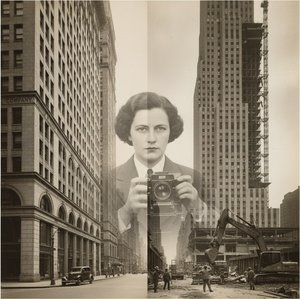
Berenice Abbott: Documenting a Changing America Through Photographic Vision
Explore the groundbreaking work of Berenice Abbott, a pioneer of documentary photography. Discover her iconic images of New York City, portraits, and scientific studies. Learn about her unique style & lasting legacy at OriginalUniqueArt.

American Modernism: Redefining the Canvas of a New Era through Abstract Expressionism and Geometric Innovation
Explore the profound legacy of American Modernism. From Geometric Abstraction to Abstract Expressionism, discover how this era redefined art history. Expert insights for elite collectors seeking to curate timeless, museum-quality masterpieces for their private collections.
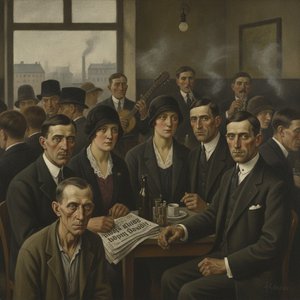
Neue Sachlichkeit: The Unflinching Realism and Social Critique of German New Objectivity
Explore the raw realism of Neue Sachlichkeit. Discover how German New Objectivity artists like Otto Dix and George Grosz captured the turbulent Weimar Republic through unflinching social critique and precise detail. A definitive guide for art historians and collectors.

Grahame Sydney: Evoking Otago's Soul Through Light & Landscape
Explore the captivating landscapes of Sir Grahame Sydney, a leading New Zealand artist renowned for his magic realism & evocative depictions of Otago's beauty. Discover key works and delve into his artistic legacy.