
 미리보기
미리보기
 공유하기
공유하기 공유하기
공유하기
 상세 정보
상세 정보

 다운로드
다운로드
 유사 작품
유사 작품 X-레이
X-레이 슬라이드 쇼
Self-Portrait
 Acrylic On Canvas
- WallArt
- Dutch Baroque
 1696
1696 39.0 x 29.0 cm
 에르미타주 박물관
 더 보기
더 보기
온라인 미리보기보다 훨씬 뛰어난 품질의 고해상도 디지털 이미지를 구매해 보세요.
각 파일은 사내 전문가가 고급 도구와 숙련된 수동 리터칭 기술을 사용하여 세심하게 준비합니다. 우리는 모든 이미지가 탁월한 선명도, 정확한 색상 재현력, 그리고 미세한 디테일까지 완벽하게 갖추도록 보장합니다.
최종 파일은 전문적인 편집 및 인쇄 환경에서 즉시 사용할 수 있도록 최적화되어 72시간 이내에 이메일로 발송됩니다. 이는 세계적인 디자인 스튜디오, 출판사 및 갤러리가 신뢰하는 것과 동일한 품질입니다.
디지털 이미지
개인 소장 및 전시, 인쇄, 창작 프로젝트를 위한 고해상도 파일을 다운로드하세요. ( 프린트 주문으로 전환 수제 페인팅으로 전환하기)
모든 디지털 이미지 주문에 포함된 혜택
전문적인 디지털 이미지 전송 보장
OriginalUniqueArt.com를 선택하시면 단순히 이미지를 받는 것을 넘어, 정밀한 보정 과정을 거친 전문적인 디지털 예술 작품을 만나보실 수 있습니다. 모든 작품에는 만족 보장 서비스가 함께 제공되며, 주문 시 다음과 같은 사항들이 자동으로 포함됩니다:

빠른 이메일 전송
주문 후 72시간 이내에 고해상도 디지털 이미지 파일이 이메일로 발송되며, 즉시 사용하실 수 있습니다.

AI 기술로 향상된 디지털 파일
귀하의 작품은 고급 AI 도구와 수동 편집 과정을 거쳐 전문적으로 최적화되며, 이를 통해 디테일과 선명도, 색상의 정확도를 극대화합니다.

평생 무료 재전송 서비스
파일을 실수로 삭제하거나 분실하셨나요? 걱정 마세요. 언제든 무료로 다시 보내드립니다.

추가 수입 비용 없음 - 언제나
관세나 부가세, 배송비 부담 없이 작품을 즉시 감상하세요 - 디지털 다운로드는 언제나 면세 혜택이 적용됩니다.

정확한 색상 보장
전문적인 도구와 색상 관리 시스템을 통해 디지털 이미지가 원본의 색상을 최대한 정확하게 구현하도록 보장합니다.

60일 만족 보장제
구매하신 디지털 이미지에 만족하지 못하실 경우, 60일 이내에 수정 또는 100% 환불을 진행해 드립니다 - 어떠한 문의도 필요 없습니다.

100% 환불 보장
만족하지 못하셨나요? 디지털 파일을 수령하신 후 60일 이내라면 별도의 이유를 밝힐 필요 없이 전액 환불해 드립니다.

대량 주문 할인
이미지 3매 구매 시 10% 할인 - 5매 구매 시 15% 할인 - 10매 이상 구매 시 20% 할인. 크리에이티브 프로젝트, 갤러리, 에이전시에 매우 유용합니다.
수집품 상세 설명
A Window Into Baroque Soul: Exploring Adriaen van der Werff’s Self-Portrait
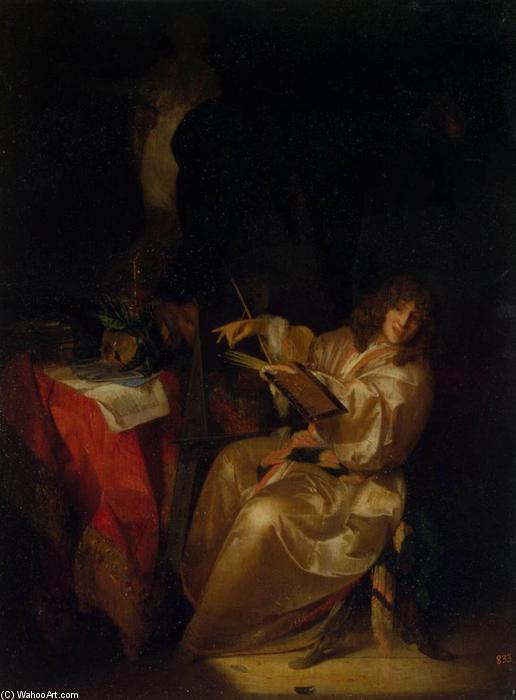
Adriaen van der Werff's Self-Portrait stands as an emblem of Dutch Golden Age artistry—a testament to meticulous observation and profound psychological insight. Completed in 1696, this oil on panel painting resides within the hallowed halls of The Hermitage Museum in St. Petersburg, Russia, ensuring its legacy continues to inspire admiration centuries later. More than just a depiction of an individual, it’s a masterful distillation of Baroque principles, inviting viewers into a contemplative dialogue about identity and artistic ambition.Style and Technique: Mastering Light and Shadow
The painting embodies the stylistic hallmarks of its era—a deliberate rejection of idealized beauty in favor of realism imbued with dramatic emotion. Van der Werff's technique is characterized by an unparalleled command of chiaroscuro, skillfully manipulating light and shadow to sculpt form and convey mood. Layers upon layers of pigment were painstakingly applied, allowing for gradual drying times that maximized control over texture and luminosity. The artist’s gaze directly confronts the viewer, establishing a palpable intimacy—a hallmark of Baroque portraiture intended to capture not merely appearance but also inner character. Notice how the subtle illumination highlights the contours of his face and clothing, creating an illusion of depth and dimensionality that transcends mere representation.Historical Context: Reflecting Enlightenment Ideals
Painted during the height of Dutch intellectual fervor – a period marked by burgeoning scientific inquiry and philosophical debate – Van der Werff’s Self-Portrait speaks to the broader cultural currents of its time. The Baroque aesthetic, originating in Italy, prioritized grandeur and theatricality alongside emotional intensity; this painting exemplifies these ideals through its formal composition and dramatic use of light. Furthermore, it aligns with the emerging fascination for psychological portraiture, reflecting a desire to delve beneath surface appearances and explore the complexities of human consciousness—a trend foreshadowed by thinkers like Descartes and Leibniz. The inclusion of a book symbolizes erudition and intellectual contemplation, mirroring the values championed during the Enlightenment.Symbolism: Beyond Appearance – An Examination of Inner Reflection
The posture of Van der Werff—seated calmly with his gaze fixed outward—suggests introspection and self-awareness. This deliberate positioning underscores the painting’s symbolic significance, inviting viewers to contemplate themes of contemplation, dignity, and artistic vocation. The robe he wears is a common motif in portraits of wealthy patrons, signifying status and authority but also hinting at moral virtue – an important consideration within the Baroque worldview. The book itself serves as a potent emblem of knowledge and intellectual pursuit, reinforcing the artist’s commitment to both craftmanship and philosophical inquiry.Emotional Impact: Capturing the Essence of Human Experience
Ultimately, Van der Werff's Self-Portrait transcends mere visual representation; it succeeds in conveying a profound sense of human emotion—a quiet confidence mingled with thoughtful contemplation. The painting’s enduring appeal lies in its ability to resonate with viewers across time and culture, prompting reflection on questions of identity, ambition, and the pursuit of wisdom. It remains a captivating example of Baroque artistry – a beautifully rendered image that speaks volumes about the artist's inner life and his masterful grasp of artistic technique.작가 소개
The Master of Meticulous Grace: The Life of Adriaen van der Werff
In the grand tapestry of the Dutch Golden Age, few threads shine with as much polished brilliance as the work of Adriaen van der Werff. Born in The Hague in 1659, Van der Werff emerged from a lineage of artistic talent, the son of a painter, which provided him with an early and intimate introduction to the nuances of light and form. His formative years were shaped by the rigorous tutelage of Eglon van der Neer, a master of costume and drapery whose influence is still visible in the exquisite, silken textures that define Van der Werff’s later compositions. This early training instilled in him a devotion to precision, transforming his brush into an instrument capable of capturing the most delicate transitions of skin and fabric.
As his career progressed, Van der Werff moved beyond mere technical proficiency to achieve a level of psychological depth that captivated the European aristocracy. Alongside his brother and pupil, Pieter van der Werff, he established a formidable studio in Rotterdam. His ascent within the artistic community was marked by his leadership of the Saint Luke Guild, a position of immense prestige that allowed him to command the attention of the most influential patrons of the era. His work became a bridge between the rugged realism of earlier Dutch masters and the refined, elegant sensibilities of the burgeoning Rococo movement.
A Symphony of Light and Myth
The true magic of Van der Werff’s oeuvre lies in his ability to breathe life into the mythological and biblical narratives of antiquity. He did not merely illustrate stories; he staged them with a dramatic intensity that utilized chiaroscuro to evoke profound emotion. In works such as 'Lot and his Daughters', one can witness the masterful interplay of shadow and light, where every flicker of candlelight serves to heighten the tension and symbolic weight of the scene. His canvases often serve as windows into a world of classical elegance, where the human form is rendered with a porcelain-like perfection that feels both ethereal and tangibly present.
His technical repertoire was remarkably diverse, allowing him to navigate between different modes of portraiture and narrative painting:
- Mythological Grandeur: His depictions of gods and heroes often utilized monumental compositions to convey power and grace.
- Intimate Portraiture: In works like his 'Self-Portrait', he demonstrated an unflinching honesty, capturing the confidence and character of the subject through meticulous detail.
- Genre and Groupings: Pieces such as 'Children Playing before a Hercules Group' showcase his ability to blend domestic tenderness with the imposing presence of classical sculpture, creating a layered narrative of innocence meeting antiquity.
Legacy and Historical Significance
The reach of Adriaen van der Werff extended far beyond the borders of the Netherlands. His reputation as a "fine painter" earned him the patronage of the highest echelons of European royalty, including Johann Wilhelm, the Elector Palatine, and the illustrious Anna Maria Luisa de' Medici. The commission of monumental works for the Florentine court stands as a testament to his status as an international figure of the Baroque era. His ability to satisfy the sophisticated tastes of the Medici family solidified his legacy as an artist who could marry Northern precision with Southern elegance.
Ultimately, Van der Werff’s significance lies in his role as a transitional figure. He took the foundational elements of Dutch realism—the obsession with texture, light, and truth—and elevated them into a refined, courtly language that would influence the trajectory of 18th-century art. Though the era of the great Dutch Masters would eventually give way to new movements, the luminous, polished world created by Van der Werff remains an enduring monument to the heights of Baroque artistry.

아드리안 판 데르 베르프
1659 - 1722 , 네덜란드
주요 정보
- Artistic Movement Or Style: 바로크
- Artists Or Movements Influenced By This Artist: ['네덜란드 거장들']
- Artists Who Influenced This Artist: ['에글론 판 데르 네르']
- Date Of Birth: 네덜란드 헤이그 (1659)
- Date Of Death: 1722
- Full Name: 아드리안 판 데르 베르프
- Nationality: 네덜란드
- Notable Artworks:
- 고독 속에서 명상하는 성 마들렌
- 아담과 이브
- 아브라함에게 하가를 소개하는 사라
- Place Of Birth: 헤이그

