
 미리보기
미리보기
 공유하기
공유하기 공유하기
공유하기
 상세 정보
상세 정보

 다운로드
다운로드
 유사 작품
유사 작품 X-레이
X-레이 슬라이드 쇼
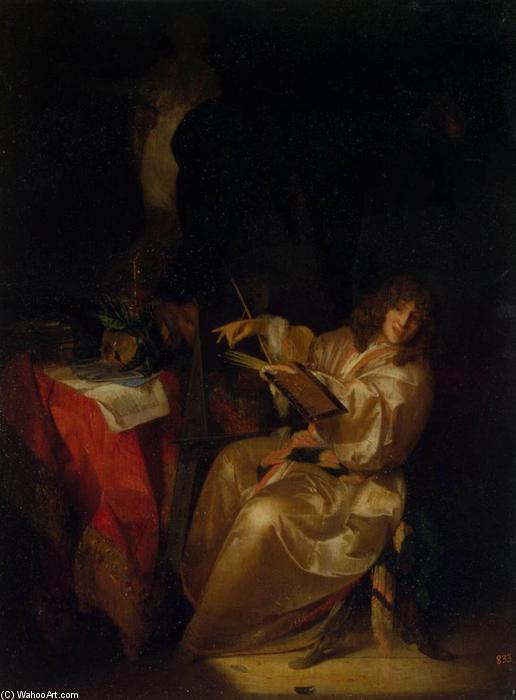
Self-Portrait
 Acrylic On Canvas
- WallArt
- Dutch Baroque
 1696
1696 39.0 x 29.0 cm
 에르미타주 박물관
 더 보기
더 보기
수제 유화 복제품
원하는 크기와 액자로 주문 제작되는, 작가들이 직접 캔버스에 손으로 그린 유화 작품입니다. ( 프린트 주문으로 전환 이미지로 전환)




P118B $10

P118H $10

P118W $10

P438Z $10

P508JH $12

P508YH $12

P805H $10

P805Z $10

P919BZ $10

P919G $10

P919XJ $10

P959ZH $10

P968JZ $12

W106C $8

W218G $10

W218JH $8

W218Y $10

W307PJ $10

W316G $10

W316PJ $8

W316Y $10

W398PJ $8

W4111J $10

W500HY $15

W500JH $15

W692G $12

W849H $8

W940BG $15

W953PJ $8




작품의 원본 비율을 유지하는 미리 설정된 크기 중에서 선택하세요.

특정 프레임이나 공간에 맞도록 직접 크기를 입력할 수 있습니다. 선택하신 크기가 원본 이미지의 비율과 일치하지 않는 경우, 작품을 자르거나 추가적인 손으로 그린 요소를 사용하여 그림을 확장합니다. 제작 시작 전 승인을 위해 디지털 목업을 보내드립니다.
화면 미리 보기는 실제 자르기 또는 확장을 반영하지 않습니다. 최종 구성은 목업을 통해서만 정확하게 확인하실 수 있습니다.
맞춤 크기 제작도 가능하지만, 원본 비율을 유지하기 위해 사전 정의된 목록에서 크기를 선택하시는 것을 권장합니다.
주문 후 OriginalUniqueArt.com 팀에서 상세 안내를 위해 고객님께 이메일을 보내드리며, 미리보기 시안을 제공해 드립니다.


 유리 옵션은 110cm 미만 크기에서만 선택 가능합니다.

Self-Portrait
재현 기법
복제본 크기
-


최종 결제 금액
$ 300
작품 상세 설명
A Window Into Baroque Soul: Exploring Adriaen van der Werff’s Self-Portrait
Adriaen van der Werff's Self-Portrait stands as an emblem of Dutch Golden Age artistry—a testament to meticulous observation and profound psychological insight. Completed in 1696, this oil on panel painting resides within the hallowed halls of The Hermitage Museum in St. Petersburg, Russia, ensuring its legacy continues to inspire admiration centuries later. More than just a depiction of an individual, it’s a masterful distillation of Baroque principles, inviting viewers into a contemplative dialogue about identity and artistic ambition.Style and Technique: Mastering Light and Shadow
The painting embodies the stylistic hallmarks of its era—a deliberate rejection of idealized beauty in favor of realism imbued with dramatic emotion. Van der Werff's technique is characterized by an unparalleled command of chiaroscuro, skillfully manipulating light and shadow to sculpt form and convey mood. Layers upon layers of pigment were painstakingly applied, allowing for gradual drying times that maximized control over texture and luminosity. The artist’s gaze directly confronts the viewer, establishing a palpable intimacy—a hallmark of Baroque portraiture intended to capture not merely appearance but also inner character. Notice how the subtle illumination highlights the contours of his face and clothing, creating an illusion of depth and dimensionality that transcends mere representation.Historical Context: Reflecting Enlightenment Ideals
Painted during the height of Dutch intellectual fervor – a period marked by burgeoning scientific inquiry and philosophical debate – Van der Werff’s Self-Portrait speaks to the broader cultural currents of its time. The Baroque aesthetic, originating in Italy, prioritized grandeur and theatricality alongside emotional intensity; this painting exemplifies these ideals through its formal composition and dramatic use of light. Furthermore, it aligns with the emerging fascination for psychological portraiture, reflecting a desire to delve beneath surface appearances and explore the complexities of human consciousness—a trend foreshadowed by thinkers like Descartes and Leibniz. The inclusion of a book symbolizes erudition and intellectual contemplation, mirroring the values championed during the Enlightenment.Symbolism: Beyond Appearance – An Examination of Inner Reflection
The posture of Van der Werff—seated calmly with his gaze fixed outward—suggests introspection and self-awareness. This deliberate positioning underscores the painting’s symbolic significance, inviting viewers to contemplate themes of contemplation, dignity, and artistic vocation. The robe he wears is a common motif in portraits of wealthy patrons, signifying status and authority but also hinting at moral virtue – an important consideration within the Baroque worldview. The book itself serves as a potent emblem of knowledge and intellectual pursuit, reinforcing the artist’s commitment to both craftmanship and philosophical inquiry.Emotional Impact: Capturing the Essence of Human Experience
Ultimately, Van der Werff's Self-Portrait transcends mere visual representation; it succeeds in conveying a profound sense of human emotion—a quiet confidence mingled with thoughtful contemplation. The painting’s enduring appeal lies in its ability to resonate with viewers across time and culture, prompting reflection on questions of identity, ambition, and the pursuit of wisdom. It remains a captivating example of Baroque artistry – a beautifully rendered image that speaks volumes about the artist's inner life and his masterful grasp of artistic technique.관련 기사 더 보기

렘브란트 반 레인 명작 25선: 빛과 그림자의 거장, 예술의 정수를 만나다
렘브란트 반 레인 명작 25선을 만나보세요. 빛과 그림자의 거장이 그린 역사화, 초상화 속 예술의 정수를 감상하고, 네덜란드 황금시대 바로크 미술의 깊이를 느껴보세요. OriginalUniqueArt.com에서 고품질 복제화를 컬렉션하세요.
뉴욕 메트로폴리탄 미술관 최고 걸작 25선: 예술의 정수를 만나다 | OriginalUniqueArt
뉴욕 메트로폴리탄 미술관 최고 걸작 25선을 만나보세요. 반 고흐, 모네 등 거장들의 숨겨진 이야기와 예술의 정수를 감상하세요. 홈 데코를 위한 명화 복제 작품은 OriginalUniqueArt에서! 지금 바로 컬렉션을 탐험하세요.

제임스 애벗 맥닐 휘슬러 최고 걸작 25선: 예술의 정수, 공간에 스며드는 아름다움
제임스 애벗 맥닐 휘슬러의 최고 걸작 25선을 만나보세요. 야간 풍경부터 아랑미술관 소장품까지, 예술가의 삶과 작품 세계를 탐험합니다. 색채와 분위기가 완벽한 조화를 이루는 그림들을 OriginalUniqueArt.com에서 감상하고 특별한 공간을 완성하세요.

Dutch Baroque Masters: 10 Paintings That Shaped an Era | OriginalUniqueArt
Journey through the Golden Age with our guide to the Top 10 Dutch Baroque masterpieces! Explore iconic paintings by Rembrandt, Vermeer & Frans Hals. Find museum-quality art reproductions and elevate your home decor at OriginalUniqueArt.com.
워싱턴 내셔널 갤러리 명작 25선: 예술의 정수를 담은 컬렉션 | OriginalUniqueArt
워싱턴 내셔널 갤러리의 숨겨진 명작 25점을 만나보세요. 모네, 세잔, 피카소 등 거장들의 예술 세계와 감동적인 스토리를 OriginalUniqueArt에서 경험하세요. 고품질 아트 프린트 & 인테리어 디자인 영감을 얻고, 당신의 공간에 예술을 더하세요! 지금 바로 OriginalUniqueArt.com에서 컬렉션을 탐험하세요.



