

 წინასწარი ნახვა
 გაგზავნა
 გაზიარება
 დეტალები

 ჩამოტვირთვა
 მსგავსები
 რენტგენოგრაფიული კვლევა
 სლაიდშოუ
Flowering Cherry with Poem Slips


 გადასართად დაწვრილებით ნახეთ
ხელით ნაკვეთი ზეთის ტილოს რეპროდუქცია
ტილოზე შესრულებული ფერწერიანი ზეთប្រდათი, თქვენთვის სასურველი ზომისა და ჩარჩოსთვის, ჩვენი ხელოვანების მიერ შეკვეთის საფუძველზე დამზადებული. ( შეიძინეთ პრინტი შეიძინეთ გამოსახულება)




P118B $10

P118H $10

P118W $10

P438Z $10

P508JH $12

P508YH $12

P805H $10

P805Z $10

P919BZ $10

P919G $10

P919XJ $10

P959ZH $10

P968JZ $12

W106C $8

W218G $10

W218JH $8

W218Y $10

W307PJ $10

W316G $10

W316PJ $8

W316Y $10

W398PJ $8

W4111J $10

W500HY $15

W500JH $15

W692G $12

W849H $8

W940BG $15

W953PJ $8




აირჩიეთ ჩვენს მიერ წინასწარ განსაზღვრული ზომებიდან, რომლებიც ნაწარმოების ორიგინალურ პროპორციებს შეესაბამება.

თქვენ შეგიძლიათ მიუთითოთ თქვენთვის სასურველი ზომები კონკრეტული ჩარჩოს ან სივრცის შესაბამისად. თუ თქვენ მიერ არჩეული ზომა არ შეესაბამება ორიგინალი გამოსახულების პროპორციებს, ჩვენ ან შევაჭრებთ ნაწარმოებს, ან ტილოზე დავამატებთ ხელით მოხატულ ელემენტებს. წარმოების დაწყებამდე, დამტკიცებისთვის გამოგეგზავნებათ ციფრული მაკეტი.
გთხოვთ, გაითვალისწინოთ, რომ ეკრანზე ნაჩვენები წინასწარი შეხედულება არ ასახავს რეალურ შეჭრას ან გაფართოებას. საბოლოო კომპოზიციას ზუსტად მხოლოდ მაკეტი წარმოაჩენს.
მიუხედავად იმისა, რომ შესაძლებელია ინდივიდუალური ზომების შერჩევა, ორიგინალური პროპორციების შენარჩუნებისათვის გირჩევთ, გამოიყენოთ წინასწარ განსაზღვრული სიის ზომები.
შეკვეთის შემდეგ, OriginalUniqueArt.com გუნდი დაგიკავშირდებათ ელექტრონული ფოსტით ინსტრუქციებისთვის და გამოგიგზავნით წინასწარ ნახაზს (mockup).
მიწოდება მსოფლიო მასშტაბით -ში 3/4 კვირაში, სტანდარტული 5 კვირის ნაცვლად. (29 აგვისტო). ხარისხზე კომპრომისის გაკეთება არ მოხდება.

უფასო ექსპრეს მიწოდება მთელ მსოფლიოში

საბამად მაღალი ხარისხის ტილო

სრული ტრანსპორტირების დაზღვევა

საბაჟო გადასახადების დაბრუნების გარანტია

ფერების სრული შესაბამისობის გარანტია

60-დღიანი დაბრუნების პოლიტიკა (მხოლოდ დეფექტის შემთხვევაში)

100% თანხის დაბრუნების გარანტია

ფასდაკლება დიდი რაოდენობით შეკვეთისას
 მინის ჩარჩოს არჩევანი ხელმისაწვდომია მხოლოდ 110 სმ-ზე ნაკლები ზომისთვის

Flowering Cherry with Poem Slips
რეკლამაციის ტექნიკა
რეკლამაციის ზომა
-


საბოლოო ფასი
$ 300
A Symphony of Spring: The Poetic Grace of Tosa Mitsuoki
In the delicate dance between nature and literature, Flowering Cherry with Poem Slips stands as a breathtaking testament to the refined elegance of the Edo period. Created in 1679 by the master Tosa Mitsuoki, this exquisite work transcends mere depiction, offering instead a meditative window into the Japanese soul. The composition is anchored by the sweeping, rhythmic curve of a cherry tree, its branches reaching across a panoramic expanse like a calligrapher’s brushstroke upon silk. As the eye wanders through the soft pink and luminous white blossoms, it encounters the unexpected charm of rectangular poem slips suspended from the boughs—small, silent messengers of human emotion nestled within the seasonal bloom.
The atmosphere of the piece is one of profound serenity, achieved through a masterful use of Yamato-e style elements. The background, a warm and muted gold that gently dissolves into deep, earthy browns at the base, creates a sense of timelessness, as if the tree exists in a sacred, ethereal space removed from the passage of ordinary hours. This soft, diffused lighting avoids harsh shadows, instead bathing the scene in a gentle glow that invites the viewer to linger. For the discerning collector or interior designer, this artwork offers a sophisticated focal point, bringing a sense of calm, classical luxury and organic beauty to any curated space.
Mastery of Line and Tradition
To behold this work is to witness the revival of an entire artistic lineage. Tosa Mitsuoki was not merely a painter but a custodian of history, tasked with breathing new life into the prestigious Tosa school. His technique in this piece demonstrates a sublime command over sumi-e (ink wash) principles, where the strength of the line is as vital as the color itself. The thick, bold strokes defining the rugged texture of the tree trunk provide a structural weight that contrasts beautifully with the ethereal, almost translucent application of pigment on the petals. This interplay between the robust and the delicate creates a visual tension that keeps the composition dynamic yet balanced.
The use of materials—traditional Japanese paper or silk treated with mineral-based pigments—contributes to a texture that feels both ancient and alive. The organic shapes of the blossoms and the irregular, fluttering forms of the poem slips break the formality of the screen, lending an air of natural spontaneity. This mastery of technique ensures that every reproduction of this piece retains the soulful depth of the original, making it an ideal acquisition for those who appreciate the intersection of technical precision and poetic fluidity.
Symbolism and the Eternal Spring
Beyond its aesthetic splendor, the artwork is rich with cultural symbolism that resonates deeply with themes of impermanence and beauty. The cherry blossom, or sakura, is a profound symbol in Japanese culture, representing the fleeting nature of life—a beauty so intense because it is so temporary. By intertwining these blossoms with poem slips, Mitsuoki bridges the gap between the natural world and human intellect. The slips suggest a moment of shared contemplation, where the beauty of the season inspires the written word, turning a seasonal event into a permanent literary legacy.
For those seeking to decorate a home or gallery with pieces that evoke emotion, this artwork provides more than just visual appeal; it offers a narrative of mindfulness. It encourages a slower pace of life, inviting one to pause and appreciate the subtle gradations of color and the quiet whispers of history held within its branches. Whether placed in a minimalist modern setting or a richly textured classical room, Flowering Cherry with Poem Slips serves as an enduring emblem of grace, intellect, and the eternal renewal of spring.
მხატვრის ბიოგრაფია
A Legacy Revived: The Life and Art of Tosa Mitsuoki
Tosa Mitsuoki, born in Sakai in 1617, stands as a pivotal figure in the narrative of Japanese painting during the Edo period. He wasn’t merely an artist; he was a restorer, inheriting the mantle of leadership from his father, Tosa Mitsunori, and tasked with breathing new life into the esteemed Tosa school. This lineage connected him to a tradition stretching back to the late Muromachi period, a heritage steeped in artistic refinement and dedicated service to the imperial court. Mitsuoki’s early training under his father was rigorous, focused on the creation of ceremonial fans – objects embodying both artistry and symbolic weight for Japan's highest echelons. This foundational experience would prove instrumental as he navigated the complexities of courtly patronage and sought to re-establish the Tosa school’s prominence.From Sakai to Kyoto: A Courtier’s Brush
The year 1634 marked a turning point, not just for Mitsuoki but for the future of the Tosa school. At the direct request of Emperor Go-Mizunoo, he relocated from Sakai to Kyoto, a move laden with purpose: to reclaim the school’s position as favored artists within the imperial court. This wasn't simply about artistic ambition; it was a strategic maneuver to reconnect with a vital source of patronage that had waned over time. His dedication culminated in 1654 when he formally assumed the title of *edokoro azukari*, effectively becoming head of the Imperial Court Painting Bureau, solidifying his family’s longstanding association with the court. This appointment wasn't merely a ceremonial honor; it placed Mitsuoki at the heart of artistic production for the emperor and the nobility, influencing aesthetic trends and shaping the visual landscape of the era.Blending Tradition and Innovation: The Evolving Style
Mitsuoki’s artistry was characterized by a delicate balancing act – honoring the core tenets of Yamato-e while embracing new influences. Yamato-e, with its flat planes of color delineated by precise outlines, its meticulous detail, and conventional depictions of landscapes and figures, formed the bedrock of his style. However, Mitsuoki wasn’t content to simply replicate the past. He skillfully integrated elements from Chinese painting techniques, demonstrating a cosmopolitan awareness that broadened his artistic vocabulary. Perhaps more significantly, he echoed stylistic choices prevalent in the Kanō school, a dominant force in Japanese art at the time. This willingness to adapt and synthesize different approaches allowed him to appeal to evolving court tastes, securing continued support while simultaneously revitalizing the Tosa aesthetic. His paintings weren’t simply beautiful objects; they were statements of cultural synthesis, reflecting the dynamic artistic climate of the Edo period. Notable works like “Portraits of Three Famous Poets” – Hitomaro, Ise, and Komachi – showcase this blend, exhibiting both the refined elegance of Yamato-e and a subtle depth informed by other schools. Other celebrated pieces include "Egrets and Cotton Roses," "Two Scenes of the Tale of Genji", “Murasaki Shikibu Gazing at the Moon”, “Flowering Cherry with Poem Slips” and “Quail and Autumn Flowers”.A Diminishing Flame: Legacy and Decline
Though Mitsuoki successfully revived the Tosa school during his lifetime, ensuring its continuation through his descendants who also held the position of *edokoro azukari*, a subtle decline began to emerge. Subsequent generations lacked the same innovative spirit, tending towards imitation rather than genuine artistic development. This stagnation gradually eroded interest and patronage, leading to a waning influence in the centuries that followed. Interestingly, a brief revival occurred in the nineteenth century with artists like Tanaka Totsugen and Reizei Tamechika, who dedicated themselves to replicating Mitsuoki’s work – a testament to his enduring stylistic impact. The artistic practices within the Tosa school were unique, relying on closely guarded secrets passed down orally or through concise written notes from master to student, reflecting a deeply ingrained tradition of craftsmanship and knowledge transmission. Despite this initial success, Mitsuoki's legacy remains complex. His contributions remain significant, offering invaluable insight into the artistic tastes and cultural values of the Edo period. His paintings continue to be admired for their beauty, historical importance, and as a window into a fascinating era of Japanese art.
Tosa Mitsuoki
1617 - 1691 , Japan
მოკლე ინფორმაცია
- Artistic Movement Or Style: Yamato-e, Edo period
- Artists Or Movements Influenced By This Artist:
- Tanaka Totsugen
- Reizei Tamechika
- Artists Who Influenced This Artist:
- Chinese painters
- Kanō school artists
- Date Of Birth: November 21, 1617
- Date Of Death: November 14, 1691
- Full Name: Tosa Mitsuoki
- Nationality: Japanese
- Notable Artworks:
- Portraits of Three Poets
- Egrets and Cotton Roses
- Two Scenes of Genji
- Murasaki Shikibu Gazing
- Flowering Cherry
- Quail and Autumn Flowers
- Place Of Birth: Sakai, Japan
დაკავშირებული სტატიები
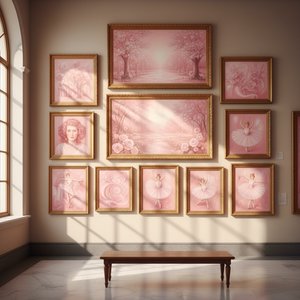
Blush & Brilliance: 10 Iconic Paintings Dominated by Light Pink Tones |
Explore 10 iconic paintings bathed in captivating light pink tones! From Monet's Impressionism to Renoir’s romance, discover the stories behind these blush-hued masterpieces. Find museum-quality art reproductions & decor inspiration at .
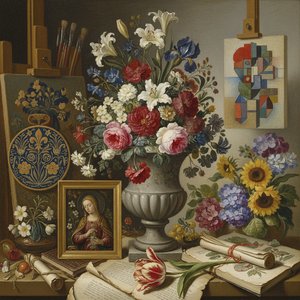
Blossoming Symbolism: A Historical Journey Through Flowers in Western Painting
Explore the rich history of flower symbolism in Western painting! Discover how artists from the Renaissance to Modernism used blossoms to convey meaning, emotion & beauty. Learn about iconic artworks and movements.

Arboreal Echoes: A Historical & Artistic Exploration of Trees in Painting
Explore the rich history of trees in painting! Discover symbolism, Romantic masterpieces by Caspar David Friedrich & beyond. A curated journey for art enthusiasts.
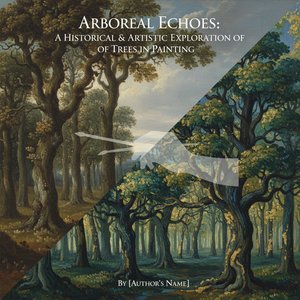
Arboreal Echoes: A Historical & Artistic Exploration of Trees in Painting
Explore the rich history of trees in painting! Discover symbolism, Romantic masterpieces by Caspar David Friedrich & beyond. A curated journey for art enthusiasts.

Blossoms of Time: A Historical Journey Through Flower Painting
Explore the captivating history of flower painting! Discover Dutch masters, symbolic meanings, & botanical art. Expert insights & high-quality reproductions at OriginalUniqueArt.

