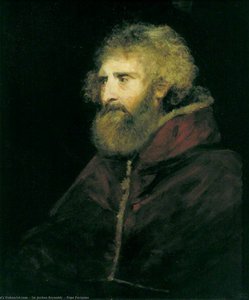
ნახვა ინტერьерში
 გაგზავნა
 გაზიარება
 დეტალები
 გზამკვლევი

 ჩამოტვირთვა
 მსგავსები
 რენტგენოგრაფიული კვლევა
 სლაიდშოუ
 Q&A
Q&A სტატისტიკა
Self-Portrait


 სრული ტექსტის ნახვა
გიკლე / ხელოვნების პრინტი
მუზეუმის დონის ჟიკლე ან ტილოზე ბეჭდვა სწრაფი წარმოებისა და დასრულების მოქნილი ვარიანტებით. ( შეიძინეთ ხელით შესრულებული ნახატი გადასვლა ციფრულ გამოსახულებაზე)




P118B ₾10

P118H ₾10

P118W ₾10

P438Z ₾10

P508JH ₾12

P508YH ₾12

P805H ₾10

P805Z ₾10

P919BZ ₾10

P919G ₾10

P919XJ ₾10

P959ZH ₾10

P968JZ ₾12

W106C ₾8

W218G ₾10

W218JH ₾8

W218Y ₾10

W307PJ ₾10

W316G ₾10

W316PJ ₾8

W316Y ₾10

W398PJ ₾8

W4111J ₾10

W500HY ₾15

W500JH ₾15

W692G ₾12

W849H ₾8

W940BG ₾15

W953PJ ₾8




აირჩიეთ ჩვენს მიერ წინასწარ განსაზღვრული ზომებიდან, რომლებიც ნაწარმოების ორიგინალურ პროპორციებს შეესაბამება.

შეიყვანეთ თქვენთვის საჭირო სიგანე და სიმაღლე, რათა იგი მოერგოს თქვენს ჩარჩოს ან კედელს. ბეჭდვისას შესაძლებელია მხოლოდ მისი შემცირება და არა გაზრდა, ამიტომ სხვა ფორმის ზომის შემთხვევაში გამოსახულება ნაწილობრივ იკარგება. სანამ რაიმეს დაბეჭდავთ, ჩვენ გამოგიგზავნით ციფრულ მაკეტს დასდასტურებლად. ამ გვერდზე ნაჩვენები სურათი არ ასახავს რეალურ ჭრას — ამას მხოლოდ მაკეტი გვიჩვენებს.
მიწოდება მთელ მსოფლიოში () 2 კვირაში, სტანდარტული 4/5 კვირის ნაცვლად. (2 ნოემბერი)

უფასო ექსპრეს მიწოდება მთელ მსოფლიოში

მაღალი ხარისხის ტილო

ტრანსპორტირების სრული დაზღვევა

საბაჟო გადასახადების დაბრუნების გარანტია

ფერების სრული შესაბამისობის გარანტია

დაბრუნების 100-დღიანი პერიოდი (მხოლოდ წარმოების დეფექტის შემთხვევაში)

100% თანხის სრული დაბრუნების გარანტია

ფასდაკლება დიდი რაოდენობით შეკვეთისას
 მინის ჩარჩოს არჩევანი ხელმისაწვდომია მხოლოდ 110 სმ-მდე ზომისთვის

Self-Portrait
გიკლე / ხელოვნების პრინტი
რეპროდუქციის ზომა
-


ჯამური ღირებულება
₾ 208
A Window into the Enlightenment: Sir Joshua Reynolds’ “Self-Portrait”
Sir Joshua Reynolds' "Self-Portrait," painted in 1747-1749, isn’t merely a likeness; it’s a carefully constructed declaration of an artist’s ambition and his understanding of the era. This captivating work, now residing within the esteemed collection of the SCAD Museum of Art in Savannah, offers a rare glimpse into the mind of one of Britain's most influential figures in 18th-century art – a man who fundamentally reshaped the very notion of portraiture. The painting immediately draws the eye with its dramatic lighting, a hallmark of Reynolds’ “Grand Style,” where shadows are sculpted to enhance form and create an atmosphere of both solemnity and vibrant energy. The artist himself is presented not as a humble craftsman, but as a figure of authority and intellectual prowess – his gaze direct and confident, suggesting a man acutely aware of his own importance within the cultural landscape.
A Masterclass in Technique: The Reynoldsian Approach
Reynolds’ skill lies not just in capturing a physical likeness but in imbuing that likeness with character and depth. Observe the meticulous rendering of his wig, styled with an almost theatrical flourish – a deliberate choice reflecting the fashionable sensibilities of the time. The ruffled collar, meticulously detailed, speaks to his status and connection to the aristocratic circles he frequented. But it’s the subtle manipulation of light and shadow that truly elevates the portrait. Reynolds employed a technique known as *chiaroscuro*, expertly contrasting areas of bright illumination with deep shadows, creating a sense of three-dimensionality and drawing attention to key features. The impasto – the thick application of paint – adds texture and visual interest, particularly noticeable in the folds of his clothing and the suggestion of fabric beneath his jacket. This wasn’t simply about painting; it was about sculpting light and form onto canvas.
Echoes of Antiquity: Symbolism and Context
The “Self-Portrait” is deeply rooted in the artistic principles of the Enlightenment, a period characterized by a renewed interest in classical antiquity. Reynolds, heavily influenced by artists like Leonardo da Vinci and Michelangelo, sought to emulate their mastery of anatomy, perspective, and dramatic composition. The pose itself – reminiscent of Roman statues – deliberately connects him to this rich heritage. Furthermore, the inclusion of his ear trumpet, a symbol of his partial deafness acquired during his time in Rome, subtly acknowledges his artistic journey and intellectual pursuits. It’s a quiet testament to the challenges he overcame in pursuit of his craft. The painting also reflects Reynolds' belief that art should be idealized – not a slavish imitation of reality but an elevation of it, reflecting the beauty and harmony inherent within human form.
Beyond the Brush: A Legacy of Influence
Sir Joshua Reynolds’ “Self-Portrait” is more than just a personal depiction; it's a pivotal document in the history of British art. His theories on painting, articulated in his influential *Discourses on Art*, established the "Grand Style," which dominated portraiture for decades and profoundly impacted subsequent generations of artists. He championed the idea that painters should study classical models and strive to create works of beauty and harmony – a philosophy that shifted the focus from mere likeness to artistic expression. The painting’s enduring appeal lies in its ability to transport us back to a pivotal moment in art history, offering a window into the mind of a visionary artist who shaped the course of British painting. Reproductions of this iconic work continue to inspire and captivate, reminding us of the power of art to both reflect and shape our understanding of the world.
- Artist: Sir Joshua Reynolds
- Date: 1747-1749
- Medium: Oil on Canvas
- Location: SCAD Museum of Art, Savannah, United States
კითხვები და პასუხები
რას განმარტავს ჯორჯ შა რೋಜსი-ის „Self-Portrait“-ის საავტორო უფლებებთან დაკავშირებული მდგომარეობა?
ჯორჯ შა რೋಜსი-ის „Self-Portrait“ არის საჯარო საკუთრებაშია - მისი საავტორო უფლებები ამოწდა. საავტორო უფლებების ვადა ითვლება ხელოვანის გარდაცვალებიდან, რომელიც მოხდა 1792 წელს.
ვინ არის „Self-Portrait“-ის ავტორი?
„Self-Portrait“ მიკუთვნებულია ჯორჯ შა რೋಜსი-ს.
რა არის ჯორჯ შა რೋಜსი-ის „Self-Portrait“-ის დომინანტური ფერი?
ჯორჯ შა რೋಜსი-ის „Self-Portrait“-ში დომინირებს Ochre to Sepia ტონალობა.
მხატვრის ბიოგრაფია
A Luminary of the Enlightenment: The Life and Art of Sir Joshua Reynolds
Sir Joshua Reynolds, born July 16, 1723, in Plympton, Devonshire, England—died February 23, 1792, London—was a pivotal figure during Britain’s burgeoning Enlightenment era. His father, Reverend Samuel Reynolds, instilled in him a profound appreciation for scholarship and intellectual pursuits, guiding young Joshua toward the path of academia before an undeniable passion for artistic expression ultimately prevailed. This inclination led to his apprenticeship with Thomas Hudson in London at seventeen, securing him invaluable experience within the vibrant milieu of fashionable society—a formative period that honed not only his technical prowess but also his understanding of the social currents shaping British art. Hudson’s studio served as a crucible of artistic innovation, exposing Reynolds to the discerning tastes and expectations of aristocratic patrons, thereby fostering an ambition to elevate portraiture beyond mere likeness into a vehicle for conveying character and status—a goal that would define his illustrious career.Early Life and Artistic Formation
Reynolds' upbringing fostered a love for classical learning, influencing his lifelong fascination with antiquity and informing his artistic sensibilities. He excelled at Balliol College, Oxford, immersing himself in the works of Virgil and Homer—texts that instilled in him a belief in the power of reason and imagination as essential components of human understanding. Recognizing his innate talent for painting, he embarked on an apprenticeship with Thomas Hudson, absorbing the techniques and stylistic conventions of the established portraitist—a relationship that proved instrumental in shaping Reynolds’ artistic vision. Hudson's studio was a crucible of artistic experimentation, attracting ambitious young artists eager to emulate the grandeur and sophistication of Venetian painters like Titian and Rubens. This exposure to diverse artistic influences broadened Reynolds’ horizons and instilled in him a determination to forge his own distinctive style—one rooted in meticulous observation and informed by an unwavering commitment to classical ideals.The Grand Style and Roman Influence
Reynolds' artistic breakthrough occurred during his journey to Rome in 1750, where he dedicated himself to studying the monumental sculptures of Michelangelo and Raphael—artists whose mastery captivated him with their embodiment of idealized beauty and anatomical precision. This immersive experience profoundly impacted Reynolds’ aesthetic sensibilities, propelling him toward what would become known as the ‘Grand Style’—an approach that prioritized dramatic composition, meticulous detail, and subtle allusion to classical mythology. Rejecting the prevailing sentimental tendencies of English portraiture, Reynolds championed a style characterized by dignified restraint and intellectual depth—a stylistic paradigm that sought to elevate portraiture into an art form worthy of noble contemplation. He believed that portraits should not merely depict physical appearance but also reveal the sitter’s inner life—their virtues, ambitions, and moral character—a conviction that underpinned his artistic endeavors throughout his career.A Patron of Art and Founder of the Royal Academy
Reynolds' influence extended far beyond his own canvases; he served as a fervent advocate for the advancement of art education and championed the recognition of artists as professionals deserving of respect and patronage. Recognizing the need for an institution dedicated to fostering artistic talent and disseminating knowledge about art, he spearheaded the establishment of the Royal Academy of Arts in 1768—a landmark achievement that transformed the landscape of British artistic life. As its inaugural president, Reynolds tirelessly promoted his vision for a distinctly British school of painting, emphasizing the importance of studying nature, mastering technique, and cultivating imagination—principles that resonated deeply with aspiring artists and solidified his legacy as a transformative figure in British art history. His annual Discourses – lectures delivered to Academy students – became seminal texts on artistic theory and practice, shaping generations of painters and cementing Reynolds’ reputation as a visionary leader and intellectual giant.Legacy and Enduring Influence
Sir Joshua Reynolds's contribution to British art is undeniable—he elevated portraiture to new heights of sophistication and established the Royal Academy as a cornerstone of national cultural identity. His meticulous attention to detail, his masterful command of technique, and his unwavering belief in the power of classical ideals continue to inspire artists today. Reynolds’ paintings—including *The Marlborough Family*, *Portrait of Lady Worsley*, *Portrait of Philip Gell*, *Portrait of Robert Orme* and *Sarah Siddons as The Tragic Muse*—remain treasured masterpieces, embodying the grandeur and intellectual rigor of the Enlightenment era. Furthermore, his influence extended beyond painting itself; he championed the role of art in shaping civic virtue and fostering national pride—a conviction that reflected his profound understanding of the relationship between art and society. Reynolds’ enduring legacy serves as a testament to his artistic genius and his unwavering commitment to advancing the cause of British culture—a legacy that continues to resonate powerfully across centuries.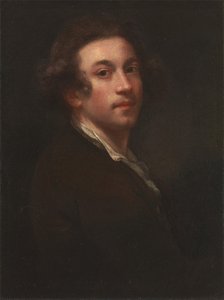
ჯორჯ შა რೋಜსი
1723 - 1792 , გაერთიანებული სამეფო
მოკლე ფაქტები
- Artistic Movement Or Style: Grand Style პორტრეტიზმი
- Artists Or Movements Influenced By This Artist: ['თომას გეინსბორგი']
- Artists Who Influenced This Artist: ['თომას ჰუდსონი']
- Date Of Birth: 16 ივლისი 1723 წელი
- Date Of Death: 23 fevereiro 1792 წელი
- Full Name: Sir Joshua Reynolds
- Nationality: ინგლისელი
- Notable Artworks:
- პიტერ დარნელი მუილმანი...
- მრ და მრ უილიამ ლინდოვი...
- პორტრეტი ჯონ ჰეისა
- Place Of Birth: Плимптон, ინგლისის სამეფო კონტინენტური კავშირი
მსგავსი სტატიები
Reflecting the Self: A History of Portraiture & Psychological Insight
Explore the fascinating history of self-portraiture from Renaissance masters like Dürer & Rembrandt to modern interpretations. Discover the psychological insights and artistic techniques behind these iconic works. Expert analysis for art enthusiasts.

The Echo of Self: Reflectivity as a Core Theme in Art History & Contemporary Practice
Explore the rich history of self-representation in art, from Renaissance masters to modern innovators. Discover how artists use portraiture to reveal identity, emotion & the depths of the human psyche. Expert insights for collectors.

Mastering the Grand Style: The 25 Best Artworks by Sir Joshua Reynolds
Explore 25 iconic Sir Joshua Reynolds masterpieces of the Grand Style. Discover museum-quality art on OriginalUniqueArt.com.
Sir Joshua Reynolds: Shaping British Art Through Grand Style & Societal Portraiture
Explore the life & work of Sir Joshua Reynolds, a master of British portraiture and founder of the Royal Academy. Discover his 'Grand Style,' techniques, and lasting influence on art history. Learn more at OriginalUniqueArt.

ბრიტანეთის მუზეუმის 25 შედევრი: ხელოვნების ისტორია თქვენს სახლში | OriginalUniqueArt
აღმოაჩინეთ ბრიტანეთის მუზეუმის 25 უნიკალური შედევრი! გაიგეთ მხატვრების ისტორიები, ნახატების მნიშვნელობა და ტექნიკური სრულყოფილება. სახლის დეკორისთვის ხელოვნების რესპროდუქციები OriginalUniqueArt-ზე. Explore the full collection online!