A Luminary of the Enlightenment: The Life and Art of Sir Joshua Reynolds
Sir Joshua Reynolds, born July 16, 1723, in Plympton, Devonshire, England—died February 23, 1792, London—was a pivotal figure during Britain’s burgeoning Enlightenment era. His father, Reverend Samuel Reynolds, instilled in him a profound appreciation for scholarship and intellectual pursuits, guiding young Joshua toward the path of academia before an undeniable passion for artistic expression ultimately prevailed. This inclination led to his apprenticeship with Thomas Hudson in London at seventeen, securing him invaluable experience within the vibrant milieu of fashionable society—a formative period that honed not only his technical prowess but also his understanding of the social currents shaping British art. Hudson’s studio served as a crucible of artistic innovation, exposing Reynolds to the discerning tastes and expectations of aristocratic patrons, thereby fostering an ambition to elevate portraiture beyond mere likeness into a vehicle for conveying character and status—a goal that would define his illustrious career.Early Life and Artistic Formation
Reynolds' upbringing fostered a love for classical learning, influencing his lifelong fascination with antiquity and informing his artistic sensibilities. He excelled at Balliol College, Oxford, immersing himself in the works of Virgil and Homer—texts that instilled in him a belief in the power of reason and imagination as essential components of human understanding. Recognizing his innate talent for painting, he embarked on an apprenticeship with Thomas Hudson, absorbing the techniques and stylistic conventions of the established portraitist—a relationship that proved instrumental in shaping Reynolds’ artistic vision. Hudson's studio was a crucible of artistic experimentation, attracting ambitious young artists eager to emulate the grandeur and sophistication of Venetian painters like Titian and Rubens. This exposure to diverse artistic influences broadened Reynolds’ horizons and instilled in him a determination to forge his own distinctive style—one rooted in meticulous observation and informed by an unwavering commitment to classical ideals.The Grand Style and Roman Influence
Reynolds' artistic breakthrough occurred during his journey to Rome in 1750, where he dedicated himself to studying the monumental sculptures of Michelangelo and Raphael—artists whose mastery captivated him with their embodiment of idealized beauty and anatomical precision. This immersive experience profoundly impacted Reynolds’ aesthetic sensibilities, propelling him toward what would become known as the ‘Grand Style’—an approach that prioritized dramatic composition, meticulous detail, and subtle allusion to classical mythology. Rejecting the prevailing sentimental tendencies of English portraiture, Reynolds championed a style characterized by dignified restraint and intellectual depth—a stylistic paradigm that sought to elevate portraiture into an art form worthy of noble contemplation. He believed that portraits should not merely depict physical appearance but also reveal the sitter’s inner life—their virtues, ambitions, and moral character—a conviction that underpinned his artistic endeavors throughout his career.A Patron of Art and Founder of the Royal Academy
Reynolds' influence extended far beyond his own canvases; he served as a fervent advocate for the advancement of art education and championed the recognition of artists as professionals deserving of respect and patronage. Recognizing the need for an institution dedicated to fostering artistic talent and disseminating knowledge about art, he spearheaded the establishment of the Royal Academy of Arts in 1768—a landmark achievement that transformed the landscape of British artistic life. As its inaugural president, Reynolds tirelessly promoted his vision for a distinctly British school of painting, emphasizing the importance of studying nature, mastering technique, and cultivating imagination—principles that resonated deeply with aspiring artists and solidified his legacy as a transformative figure in British art history. His annual Discourses – lectures delivered to Academy students – became seminal texts on artistic theory and practice, shaping generations of painters and cementing Reynolds’ reputation as a visionary leader and intellectual giant.Legacy and Enduring Influence
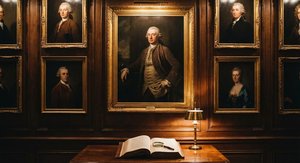
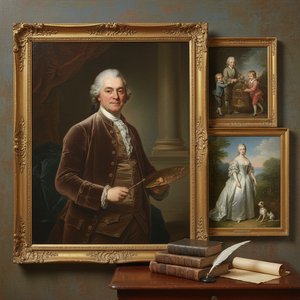
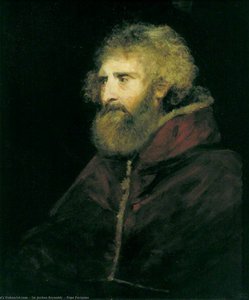
Sir Joshua Reynolds's contribution to British art is undeniable—he elevated portraiture to new heights of sophistication and established the Royal Academy as a cornerstone of national cultural identity. His meticulous attention to detail, his masterful command of technique, and his unwavering belief in the power of classical ideals continue to inspire artists today. Reynolds’ paintings—including *The Marlborough Family*, *Portrait of Lady Worsley*, *Portrait of Philip Gell*, *Portrait of Robert Orme* and *Sarah Siddons as The Tragic Muse*—remain treasured masterpieces, embodying the grandeur and intellectual rigor of the Enlightenment era. Furthermore, his influence extended beyond painting itself; he championed the role of art in shaping civic virtue and fostering national pride—a conviction that reflected his profound understanding of the relationship between art and society. Reynolds’ enduring legacy serves as a testament to his artistic genius and his unwavering commitment to advancing the cause of British culture—a legacy that continues to resonate powerfully across centuries.კითხვები და პასუხები
სად შემიძლია ვნახო ჯორჯ შა რೋಜსი-ის ნამუშევრების ფერთა პალიტრა?
ჯორჯ შა რೋಜსი-ის მიერ ფერების გამოყენებას ეს ვებსაიტი-ზე წარმოდგენილ ნამუშევრებში შეგიძლიათ გაეცნოთ ხელოვანის პალიტრის გენომი გვერდზე.
ჯორჯ შა რೋಜსი-ის რომელი ნამუშევრებია ყველაზე მეტად ნახვადი?
ჯორჯ შა რೋಜსი-ის ნამუშევრების შესახებ სტატისტიკა ხელოვანის სტატისტიკა გვერდზეა ხელმისაწვდომი.
სად შემიძლია ვნახო ჯორჯ შა რೋಜსი-ის ნამუშევრები განწყობის მიხედვით დალაგებული?
მხატვრის განწყობის ოთახი გვერდზე წარმოდგენილია ჯორჯ შა რೋಜსი-ის ნამუშევრები, რომლებიც მათი ატმოსფეროს მიხედვით არის დაჯგუფებული.