ნახვა ინტერьерში
 გაგზავნა
 გაზიარება
 დეტალები
 გზამკვლევი

 ჩამოტვირთვა
 მსგავსები
 რენტგენოგრაფიული კვლევა
 სლაიდშოუ
 კითხვა-პასუხი
 სტატისტიკა
მზითელი

 სრული ტექსტის ნახვა
გიკლე / ხელოვნების პრინტი
მუზეუმის დონის ჟიკლე ან ტილოზე ბეჭდვა სწრაფი წარმოებისა და დასრულების მოქნილი ვარიანტებით. ( შეიძინეთ ხელით შესრულებული ნახატი გადასვლა ციფრულ გამოსახულებაზე)




































აირჩიეთ ჩვენს მიერ წინასწარ განსაზღვრული ზომებიდან, რომლებიც ნაწარმოების ორიგინალურ პროპორციებს შეესაბამება.

შეიყვანეთ თქვენთვის საჭირო სიგანე და სიმაღლე, რათა იგი მოერგოს თქვენს ჩარჩოს ან კედელს. ბეჭდვისას შესაძლებელია მხოლოდ მისი შემცირება და არა გაზრდა, ამიტომ სხვა ფორმის ზომის შემთხვევაში გამოსახულება ნაწილობრივ იკარგება. სანამ რაიმეს დაბეჭდავთ, ჩვენ გამოგიგზავნით ციფრულ მაკეტს დასდასტურებლად. ამ გვერდზე ნაჩვენები სურათი არ ასახავს რეალურ ჭრას — ამას მხოლოდ მაკეტი გვიჩვენებს.
მიწოდება მთელ მსოფლიოში () 2 კვირაში, სტანდარტული 4/5 კვირის ნაცვლად. (4 ნოემბერი)

უფასო ექსპრეს მიწოდება მთელ მსოფლიოში

მაღალი ხარისხის ტილო

ტრანსპორტირების სრული დაზღვევა

საბაჟო გადასახადების დაბრუნების გარანტია

ფერების სრული შესაბამისობის გარანტია

დაბრუნების 100-დღიანი პერიოდი (მხოლოდ წარმოების დეფექტის შემთხვევაში)

100% თანხის სრული დაბრუნების გარანტია

ფასდაკლება დიდი რაოდენობით შეკვეთისას
 მინის ჩარჩოს არჩევანი ხელმისაწვდომია მხოლოდ 110 სმ-მდე ზომისთვის

მზითელი
გიკლე / ხელოვნების პრინტი
რეპროდუქციის ზომა
-


ჯამური ღირებულება
₾ 211
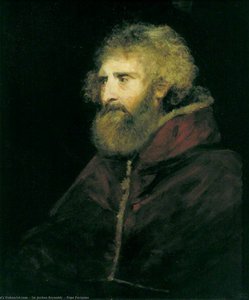
A Vision of Fate: Sir Joshua Reynolds’ ‘A Fortune-Teller’
Within the hallowed halls of Waddesdon Manor resides a painting that transcends mere portraiture, offering instead a glimpse into the very heart of human desire – to understand, to predict, and perhaps, to alter the course of destiny. Sir Joshua Reynolds' “A Fortune-Teller,” completed around 1777, is not simply a depiction of a woman engaging with young ladies; it’s an exploration of timeless themes, rendered with a masterful command of light, colour, and composition that continues to captivate viewers centuries later.
The scene itself unfolds with a quiet drama. A woman, her features both serene and subtly enigmatic, sits at a small table, attended by two youthful girls. Their postures are carefully considered – one attentive, absorbing the fortune-teller’s words; the other, brimming with innocent curiosity. The backdrop is not a grand vista, but a softly blurred landscape, an impressionistic wash of greens and blues that lends the scene an air of mystery and distance, as if the events unfolding are taking place within a dream.
The Grand Manner: Reynolds’ Artistic Philosophy
Reynolds was a champion of what he termed the “Grand Style,” a deliberate departure from the often-stilted formality of earlier portraiture. He sought to elevate the genre by borrowing techniques and subject matter from history painting, imbuing his works with a sense of narrative weight and timeless significance. Observe how he employs loose brushwork – not precise lines but rather suggestive strokes that create an impression of movement and vitality. The light itself is crucial; it’s diffused, almost ethereal, reminiscent of Caravaggio's dramatic use of chiaroscuro, yet tempered by a distinctly British sensibility.
Note the careful modelling of form—the folds in the woman’s dress, the delicate curve of her hand, all rendered with an astonishing sensitivity to light and shadow. This technique wasn’t merely about capturing likeness; it was about conveying character, emotion, and a sense of psychological depth – a hallmark of Reynolds' genius.
Symbolism and Context: A Window into 18th-Century Thought
“A Fortune-Teller” reflects the intellectual currents of its time. The fascination with the occult, with divination, and with the mysteries of the unknown was widespread in the 18th century. The fortune-teller herself represents a desire to control one’s destiny, to understand the forces that shape human lives. The young girls, symbols of innocence and potential, add another layer of complexity to the scene – are they seeking guidance, or simply observing with wide-eyed wonder?
Reynolds' choice to depict this intimate moment within a relatively large format was unusual for its time, suggesting a deliberate intention to elevate the subject beyond a simple portrait. It’s a work that invites contemplation, prompting us to consider our own relationship with fate and the enduring human need for meaning.
A Legacy of Elegance
“A Fortune-Teller” remains a testament to Sir Joshua Reynolds' artistic vision – a masterful blend of technical skill, psychological insight, and historical awareness. It’s a painting that continues to resonate with viewers today, offering a glimpse into the complexities of human nature and the enduring power of art to capture our imaginations. Its influence can be seen in countless subsequent portraits, cementing its place as a cornerstone of British artistic heritage.
კითხვები და პასუხები
როგორ ერწყმის კონტრასტი და ჰარმონია ნამუშევარში "მზითელი"?
ჯორჯ შა რೋಜსი-ის „მზითელი“-ის ფერული კომპოზიცია აერთიანებს განცხადება კონტრასტს და ფერების ძლიერი ერთიანობა ჰარმონიას.
რას გამოსახავს "მზითელი" და როგორი ატმოსფერო აქვს მას?
"მზითელი" ასახავს fortunetelling, portraitureart, 18thcenturystyle, characterstudy, narrativescene, femalefigure, reynoldslegacy-ს, ხოლო მისი განწყობა არის მისტიკური.
რა ატმოსფერო აქვს ნამუშევარს „მზითელი“?
"მზითელი"-ს აქვს მისტიკური ატმოსფერო.
მხატვრის ბიოგრაფია
A Luminary of the Enlightenment: The Life and Art of Sir Joshua Reynolds
Sir Joshua Reynolds, born July 16, 1723, in Plympton, Devonshire, England—died February 23, 1792, London—was a pivotal figure during Britain’s burgeoning Enlightenment era. His father, Reverend Samuel Reynolds, instilled in him a profound appreciation for scholarship and intellectual pursuits, guiding young Joshua toward the path of academia before an undeniable passion for artistic expression ultimately prevailed. This inclination led to his apprenticeship with Thomas Hudson in London at seventeen, securing him invaluable experience within the vibrant milieu of fashionable society—a formative period that honed not only his technical prowess but also his understanding of the social currents shaping British art. Hudson’s studio served as a crucible of artistic innovation, exposing Reynolds to the discerning tastes and expectations of aristocratic patrons, thereby fostering an ambition to elevate portraiture beyond mere likeness into a vehicle for conveying character and status—a goal that would define his illustrious career.Early Life and Artistic Formation
Reynolds' upbringing fostered a love for classical learning, influencing his lifelong fascination with antiquity and informing his artistic sensibilities. He excelled at Balliol College, Oxford, immersing himself in the works of Virgil and Homer—texts that instilled in him a belief in the power of reason and imagination as essential components of human understanding. Recognizing his innate talent for painting, he embarked on an apprenticeship with Thomas Hudson, absorbing the techniques and stylistic conventions of the established portraitist—a relationship that proved instrumental in shaping Reynolds’ artistic vision. Hudson's studio was a crucible of artistic experimentation, attracting ambitious young artists eager to emulate the grandeur and sophistication of Venetian painters like Titian and Rubens. This exposure to diverse artistic influences broadened Reynolds’ horizons and instilled in him a determination to forge his own distinctive style—one rooted in meticulous observation and informed by an unwavering commitment to classical ideals.The Grand Style and Roman Influence
Reynolds' artistic breakthrough occurred during his journey to Rome in 1750, where he dedicated himself to studying the monumental sculptures of Michelangelo and Raphael—artists whose mastery captivated him with their embodiment of idealized beauty and anatomical precision. This immersive experience profoundly impacted Reynolds’ aesthetic sensibilities, propelling him toward what would become known as the ‘Grand Style’—an approach that prioritized dramatic composition, meticulous detail, and subtle allusion to classical mythology. Rejecting the prevailing sentimental tendencies of English portraiture, Reynolds championed a style characterized by dignified restraint and intellectual depth—a stylistic paradigm that sought to elevate portraiture into an art form worthy of noble contemplation. He believed that portraits should not merely depict physical appearance but also reveal the sitter’s inner life—their virtues, ambitions, and moral character—a conviction that underpinned his artistic endeavors throughout his career.A Patron of Art and Founder of the Royal Academy
Reynolds' influence extended far beyond his own canvases; he served as a fervent advocate for the advancement of art education and championed the recognition of artists as professionals deserving of respect and patronage. Recognizing the need for an institution dedicated to fostering artistic talent and disseminating knowledge about art, he spearheaded the establishment of the Royal Academy of Arts in 1768—a landmark achievement that transformed the landscape of British artistic life. As its inaugural president, Reynolds tirelessly promoted his vision for a distinctly British school of painting, emphasizing the importance of studying nature, mastering technique, and cultivating imagination—principles that resonated deeply with aspiring artists and solidified his legacy as a transformative figure in British art history. His annual Discourses – lectures delivered to Academy students – became seminal texts on artistic theory and practice, shaping generations of painters and cementing Reynolds’ reputation as a visionary leader and intellectual giant.Legacy and Enduring Influence
Sir Joshua Reynolds's contribution to British art is undeniable—he elevated portraiture to new heights of sophistication and established the Royal Academy as a cornerstone of national cultural identity. His meticulous attention to detail, his masterful command of technique, and his unwavering belief in the power of classical ideals continue to inspire artists today. Reynolds’ paintings—including *The Marlborough Family*, *Portrait of Lady Worsley*, *Portrait of Philip Gell*, *Portrait of Robert Orme* and *Sarah Siddons as The Tragic Muse*—remain treasured masterpieces, embodying the grandeur and intellectual rigor of the Enlightenment era. Furthermore, his influence extended beyond painting itself; he championed the role of art in shaping civic virtue and fostering national pride—a conviction that reflected his profound understanding of the relationship between art and society. Reynolds’ enduring legacy serves as a testament to his artistic genius and his unwavering commitment to advancing the cause of British culture—a legacy that continues to resonate powerfully across centuries.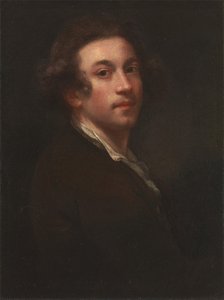
ჯორჯ შა რೋಜსი
1723 - 1792 , გაერთიანებული სამეფო
მოკლე ფაქტები
- Artistic Movement Or Style: Grand Style პორტრეტიზმი
- Artists Or Movements Influenced By This Artist: ['თომას გეინსბორგი']
- Artists Who Influenced This Artist: ['თომას ჰუდსონი']
- Date Of Birth: 16 ივლისი 1723 წელი
- Date Of Death: 23 fevereiro 1792 წელი
- Full Name: Sir Joshua Reynolds
- Nationality: ინგლისელი
- Notable Artworks:
- პიტერ დარნელი მუილმანი...
- მრ და მრ უილიამ ლინდოვი...
- პორტრეტი ჯონ ჰეისა
- Place Of Birth: Плимптон, ინგლისის სამეფო კონტინენტური კავშირი
მსგავსი სტატიები

Mastering the Grand Style: The 25 Best Artworks by Sir Joshua Reynolds
Explore 25 iconic Sir Joshua Reynolds masterpieces of the Grand Style. Discover museum-quality art on OriginalUniqueArt.com.

Reflecting Nobility & Nuance: 18th-Century Portraiture as a Window into Societal Values
Explore the world of 18th-century portraiture with OriginalUniqueArt. Discover symbolism, artistic innovation & societal values reflected in masterpieces by Reynolds, Hogarth & more. Expert insights for collectors.
Mastering the Light: An Art Historian's Guide to the Grand Style of Sir Joshua Reynolds
Explore the luminous legacy of Sir Joshua Reynolds. Discover how the master of the 'Grand Style' used dramatic light and classical elegance to define 18th-century British portraiture in this expert art history guide for collectors and enthusiasts.

Masterpieces of the English Countryside: Top 25 Sir Alfred James Munnings Artworks
Explore 25 iconic Sir Alfred James Munnings masterpieces. Discover timeless equine art on OriginalUniqueArt.com.
Sir Joshua Reynolds: Shaping British Art Through Grand Style & Societal Portraiture
Explore the life & work of Sir Joshua Reynolds, a master of British portraiture and founder of the Royal Academy. Discover his 'Grand Style,' techniques, and lasting influence on art history. Learn more at OriginalUniqueArt.