ნახვა ინტერьерში
 გაგზავნა
 გაზიარება
 დეტალები
 გზამკვლევი

 ჩამოტვირთვა
 მსგავსები
 რენტგენოგრაფიული კვლევა
 სლაიდშოუ
 სტატისტიკა
Untitled (D2X2RT)
 Acrylic On Canvas
- WallArt
- Baroque
 1620
1620 120.0 x 88.0 cm
 Metropolitan Museum of Art
 სრული ტექსტის ნახვა
გიკლე / ხელოვნების პრინტი
მუზეუმის დონის ჟიკლე ან ტილოზე ბეჭდვა სწრაფი წარმოებისა და დასრულების მოქნილი ვარიანტებით. ( შეიძინეთ ხელით შესრულებული ნახატი გადასვლა ციფრულ გამოსახულებაზე)




P118B ₾10

P118H ₾10

P118W ₾10

P438Z ₾10

P508JH ₾12

P508YH ₾12

P805H ₾10

P805Z ₾10

P919BZ ₾10

P919G ₾10

P919XJ ₾10

P959ZH ₾10

P968JZ ₾12

W106C ₾8

W218G ₾10

W218JH ₾8

W218Y ₾10

W307PJ ₾10

W316G ₾10

W316PJ ₾8

W316Y ₾10

W398PJ ₾8

W4111J ₾10

W500HY ₾15

W500JH ₾15

W692G ₾12

W849H ₾8

W940BG ₾15

W953PJ ₾8




აირჩიეთ ჩვენს მიერ წინასწარ განსაზღვრული ზომებიდან, რომლებიც ნაწარმოების ორიგინალურ პროპორციებს შეესაბამება.

შეიყვანეთ თქვენთვის საჭირო სიგანე და სიმაღლე, რათა იგი მოერგოს თქვენს ჩარჩოს ან კედელს. ბეჭდვისას შესაძლებელია მხოლოდ მისი შემცირება და არა გაზრდა, ამიტომ სხვა ფორმის ზომის შემთხვევაში გამოსახულება ნაწილობრივ იკარგება. სანამ რაიმეს დაბეჭდავთ, ჩვენ გამოგიგზავნით ციფრულ მაკეტს დასდასტურებლად. ამ გვერდზე ნაჩვენები სურათი არ ასახავს რეალურ ჭრას — ამას მხოლოდ მაკეტი გვიჩვენებს.
მიწოდება მთელ მსოფლიოში () 2 კვირაში, სტანდარტული 4/5 კვირის ნაცვლად. (21 ოქტომბერი)

უფასო ექსპრეს მიწოდება მთელ მსოფლიოში

მაღალი ხარისხის ტილო

ტრანსპორტირების სრული დაზღვევა

საბაჟო გადასახადების დაბრუნების გარანტია

ფერების სრული შესაბამისობის გარანტია

დაბრუნების 100-დღიანი პერიოდი (მხოლოდ წარმოების დეფექტის შემთხვევაში)

100% თანხის სრული დაბრუნების გარანტია

ფასდაკლება დიდი რაოდენობით შეკვეთისას
 მინის ჩარჩოს არჩევანი ხელმისაწვდომია მხოლოდ 110 სმ-მდე ზომისთვის

Untitled (D2X2RT)
გიკლე / ხელოვნების პრინტი
რეპროდუქციის ზომა
-


ჯამური ღირებულება
₾ 209
Sir Anthony van Dyck: A Portrait of Renaissance Elegance
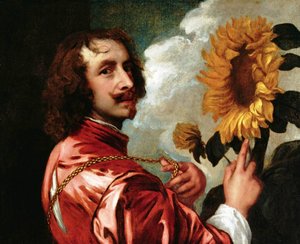
Anthony van Dyck’s “Untitled (D2X2RT)” stands as a testament to the artistic fervor of the Baroque period, specifically capturing the spirit of 1620-21 – a time when Antwerp flourished as a cosmopolitan hub and Van Dyck himself was establishing his reputation as one of Europe's foremost portraitists. This painting isn’t merely a depiction of an individual; it’s an embodiment of aristocratic refinement and a masterful demonstration of artistic innovation.
- Subject Matter: The artwork portrays Sir Anthony van Dyck himself, presented with dignified composure against a backdrop that subtly incorporates architectural elements – hinting at the grandeur of European courts.
- Style & Technique: Van Dyck’s signature style is characterized by an unparalleled sensitivity to light and shadow, achieved through meticulous layering of glazes—a technique perfected during his time in Italy. This masterful handling creates a luminous effect that imbues the portrait with depth and realism.
- Historical Context: Painted during Van Dyck's tenure at Charles I’s court, “Untitled (D2X2RT)” reflects the prevailing aesthetic ideals of the era – prioritizing elegance, restraint, and psychological insight. It exemplifies the Baroque preoccupation with capturing not just outward appearance but also inner character.
Exploring Symbolism & Composition
The artist’s posture—hands resting on his hips—communicates confidence and authority, aligning perfectly with the social status of Van Dyck during this period. The inclusion of a ring and necklace serves as subtle emblems of wealth and nobility, reinforcing the portrait's message of aristocratic distinction. Furthermore, the architectural setting contributes to the overall composition by grounding the figure within a broader visual narrative.
- Color Palette: Van Dyck employed a restrained color palette dominated by muted tones—primarily browns and blacks—creating an atmosphere of solemn dignity. However, strategic highlights illuminate key features, drawing attention to the artist’s face and conveying a sense of inner contemplation.
- Lighting Effects: The diffused light emanating from the window casts soft shadows across Van Dyck's form, enhancing the portrait’s realism and subtly emphasizing his gaze downward—a gesture that invites viewers to engage in an unspoken dialogue with the subject.
A Legacy of Artistic Influence
"Untitled (D2X2RT)" is more than just a beautiful painting; it's a pivotal work in art history. Van Dyck’s innovative approach to portraiture profoundly impacted subsequent generations of artists, establishing him as a pioneer of psychological realism and influencing the stylistic conventions of Baroque painting across Europe. Reproductions of this masterpiece offer collectors and interior designers alike an opportunity to experience firsthand the enduring allure of Renaissance elegance and artistic brilliance.
- Emotional Impact: The portrait exudes tranquility and introspection, capturing Van Dyck’s contemplative gaze as he observes something beyond the frame—a gesture that speaks to the artist's profound engagement with his subject matter.
- Decorative Potential: Its understated sophistication lends itself beautifully to interior spaces seeking a touch of timeless elegance – complementing classic furnishings and creating an atmosphere of refined serenity.
A stunning reproduction of “Untitled (D2X2RT)” allows you to appreciate the artistry of Sir Anthony van Dyck and immerse yourself in the captivating spirit of Baroque Europe.
კითხვები და პასუხები
რამდენი წლის იყო ანტônio ვენ დიქ, როდესაც 1620 წელს შექმნა „Untitled (D2X2RT)“?
ანტônio ვენ დიქ-მა „Untitled (D2X2RT)“ 21 წლის ასაკში შექმნა. ხელოვანმა დაიბადა 1599, ნამუშევრის თარიღგადასახელება კი 1620-ია.
რა ქვეყანას მიეკუთვნება Baroque-ის ნამუშევარი „Untitled (D2X2RT)“?
Baroque-ის სტილის ნამუშევარი „Untitled (D2X2RT)“ შექმნილია ხელოვანის მიერ, რომელიც გმართველ ბელგია-ში დაიბადა.
არის თუ არა ანტônio ვენ დიქ-ის „Untitled (D2X2RT)“ ცნობილი ნამუშევარი?
ანტônio ვენ დიქ-ის „Untitled (D2X2RT)“-ის პოპულარობის დონე არის Iconic. ეს კლასიფიკაცია ასახავს, თუ რამდენად ფართოდ არის აღიარებული ეს ნამუშევარი.
მხატვრის ბიოგრაფია
ფლემური ოსტატი ევროპის სამეფო კარებზე
სირ ანტონი ვან დიქი, რომელიც 1599 წელს ანტვერპენში დაიბადა, ბაროკოს ეპოქის ერთ-ერთ ყველაზე აღიარებულ და გავლენიან პორტრეტისტი გახდა. მისი ცხოვრება, მიუხედავად იმისა, რომ ტრაგიკულად შეწყვეტილა სულ რაღაც ორმოცდაორ წლამდე, იყო მხატვრული ძიებებისა და პრესტიჟული შეკვეთების ქარბუქი, რომელმაც იგი მშობლივი ფლანდრიიდან იტალიაში და, საბოლოოდ, ინგლისის სამეფო კარამდე მიიყვანა. ადრეული ასაკიდანვე ვან დიქიმ წარმოუდგენელი ნიჭი გამოავლინა; იგი ჰენრიკ ვან ბალენის სახელოსნოში ახალგაზრდა მოწაფედ შევიდა და სწრაფად შეითვისა იმ დროის გაბატონებული სტილის დინამიკა. თუმცა, სწორედ პიტერ პაულ რუბენსთან ურთიერთობამ — არა მხოლოდ როგორც სტუდენტმა, არამედ როგორც თანამშლელმა — ჩამოაყალიბა მისი მხატვრული საფუძვლები. მან რუბენსისგან ისწავლა დინამიკური კომპოზიციები, მდიდარი ფერთა პალიტრა და სინათლისა და ჩრდილის ოსტატური გამოყენება, თუმცა ვან დიქიმ მალევე დაიწყო საკუთარი, გამორჩეული გზის გენერირება, რომელიც ხასიათდებოდა ელეგანტურობითა და დახვეწილობით, რაც მოგვიანებით მისი საფირმო ნიშანი გახდა.იტალიური მოგზაურობები და სტილის დაბადება
ვან დიქის მიერ იტალიაში გატარებულმა წლებმა, რომელიც დაახლოებით 1621 წელს დაიწყო, გადამწყვეტი როლი ითამაშა მის შემოქმედებით განვითარებაში. იგი ძირითადად გენუაში ცხოვრობდა, სადაც ქალაქის არისტოკრატიულ ოჯახებში დიდი პატივისცემა და სიყვარული მოიპოვა. სწორედ აქ დაიწყო მან იმ დახვეწილი სტილის კულტივირება, რამაც მას სახელი მოუტანა — სტილის, რომელიც აღსავსე იყო დახვე "პოზებით", მდიდრული ქსოვილებისა და დიდებულების თითქმის ხელშესატყდომი შეგრძნებით. რუბენსის ნამუშევრებში ხშირად გასდევებული მძლავრი ენერგიისგან განსხვავებით, ვან დიქის იტალიური პორტრეტები გამოსხივდება დახვეწილი სიმშვიდით, რაც ასახავს არა მხოლოდ ფიზიკურ მსგავსებას, არამედ პორტრეტირებულთა შინაგან ბუნებასა და სოციალურ მდგომარეობას. ამ პერიოდში მან ასევე დაიწყო თავისი „იკონოგრაფია“ — ზედმიწევნით შესრულებული პორტრეტული ეტჩინგების სერია, რომელიც მოიცავდა მისი დროის გამორჩეულ ფიგურებს — ხელოვანებს, მეცნიერებსა და მმართველებს. ეს პროექტი წარმოაჩენდა მის გამორჩეულ ტექნიკურ უნარს და მას წამყვან გრავირების ოსტატად აქცევდა. ეს ეტჩინგები არ იყო მხოლოდ დოკუმენტური ჩანაწერები; ისინი იყო საგულდაგულოდ კონსტრუირებული გამოსახულებები, რომლებიც მიზნად ისახავდა სუბიექტების უკვდავებას და მათი სტატუსისა თუ ინტელექტის გადმოცემას.მეფის მხატვარი: ვან დიქი ინგლისში
1632 წელს ვან დიქიმ მიიღო მოწვევა, რომელმაც სამუდამოდ შეცვალა მისი კარიერის ტრაექტორია — მოწოდება ინგლისის მეფე ჩარლზ I-ისგან, რათა გამხდარიყო სამეფო კარის მხატვარი. ეს დანიშვნა გარდამტეხი მომენტი აღმოჩნდა არა მხოლოდ ვან დიქისთვის, არამედ ინგლისური პორტრეტულობისთვისაც. იგი ლონდონში საკმაოდ რეპუტაციით ჩავიდა და სწრაფად გახდა მეფისთვის შეუცვლელი, რადგან მისი დავალება იყო ისეთი გამოსახულებების შექმნა, რომლებიც ძალაუფლების, დიდებულებისა და ღვთიური უფლების აურას ასხივებდა. ვან დიქის ჩარლზ I-ის პორტრეტები განსაკუთრებით აღსანიშნავია; მან უარი თქვა ადრეული მხატვრების მიერ დამკვიდრებულ გაჭედულ, ფორმალურ რეპრესენტაციებზე და მეფეს დინამიკურ, ქარიზმატულ ლიდერად წარმოაჩინა. იგი იყენებდა ინოვაციურ ტექნიკებს — დრამატულ განათებას, მხატვრულ ჟესტებსა და საგულდაგულოდ შერჩეულ ფონებს — რათა შეექმნა გამოსახულებები, რომლებიც ერთდროულად ვიზუალურად შთამბეჭდავი და პოლიტიკურად დატვირთული იყო. მისი გავლენა გასცდა სამეფო ოჯახის ფარგლებს და განსაზღვრა ინგლისელი არისტოკრატიის ვიზუალური კულტურა მომდევნო თაობებისთვის. იგი მხოლოდ პორტრეტებს კი არ ხატავდა, არამედ ქმნიდა მეფობის გამოსახულებას, რაც საუკუნეზე მეტი ხნით განსაზრდევდა იმას, თუ როგორ აღიქვამდნენ მონარქს.მემკვიდრეობა და მარადიული გავლენა
ვან დიქის ნაადრევი სიკვდილმა 1641 წელს ხელოვნება სამყაროს უზარმაზარი ნიჭის დაკარგვა მოუტანა, თუმცა მისი მემკვიდრეობა დღემდე არსებობს. მისი გავლენა ინგლისურ პორტრეტულობაზე შეუფასებელია; მან დაადო ელეგანტურობისა და სისწლის სტანდარტი, რომელსაც შემდგომი მხატვრები ეცდებოდნენ მიეღწევათ.- ტექნიკური ინოვაცია: იგი იყო তৈლიანი საღებავებით ხატვისა და ეტჩინგის ოსტატი, რომელიც მუდმივად ექსპერიმენტებდა ახალი ტექნიკებით.
- სტილისტური დახვეწილობა: მისი პორტრეტები ხასიათდება დახვეწილი პოზებით, მდიდრული ქსოვილებისა და ფაქსატური ფსიქოლოგიური სიღრმით.
- სამეფო გავლენა: მან გარდაქმნა ინგლისური მონარქიის გამოსახულება და შექმნა ძალაუფნებისა და პრესტიჟის ვიზუალური ენა.
ანტônio ვენ დიქ
1599 - 1641 , გმართველ ბელგია
მოკლე ფაქტები
- Artistic Movement Or Style: ბაროკო სტილი
- Artists Who Influenced This Artist: ['პიტერ პაულ რუბენსი']
- Date Of Birth: Марч 22, 1599
- Date Of Death: Децембр 9, 1641
- Full Name: Sir Anthony van Dyck
- Nationality: ფლემშთა მსახიე სიადაა
- Notable Artworks:
- პორტრეტი ქალისა და ბავშვისა
- ჩარლზ დედოფლის კვებაჲ
- ლორდ ჯონ სტაუტ და ძმაჲ
- მშროდველობაჲ
- ჩარლზ დედოფალი სამ vị tríჲ
- რინალდი და არმიდაჲ
- პორტრეტი ნიკოლეას ვან დ ბอร์ხტის
- Place Of Birth: Анверп, Бельгия
მსგავსი სტატიები
Sir Anthony van Dyck: Courtly Portraiture & the Shaping of Baroque Identity
Explore the life & legacy of Sir Anthony van Dyck, the leading court painter of his era. Discover his innovative portraiture, Baroque masterpieces, and investment potential for discerning collectors. Learn more at OriginalUniqueArt.

რემბრანდტის 25 შედევრი: ხელოვნების ისტორია თქვენს სახლში | OriginalUniqueArt
აღმოაჩინეთ რემბრანდტის 25 უნიკალური შედევრი! ოქროს ხანის ბაროკო ხელოვნება, ავტოპორტრეტები და ღამის თვალთუმაჩვილი – OriginalUniqueArt.com-ზე. შეიძინეთ მუზეუმის ხარისხის რეპროდუქციები სახლის დეკორისთვის. Explore the full collection online!

Dutch Baroque Masters: 10 Paintings That Shaped an Era | OriginalUniqueArt
Journey through the Golden Age with our guide to the Top 10 Dutch Baroque masterpieces! Explore iconic paintings by Rembrandt, Vermeer & Frans Hals. Find museum-quality art reproductions and elevate your home decor at OriginalUniqueArt.com.
Cornelis van Poelenburch: Bridging Mannerism & the Dutch Baroque Landscape
Discover Cornelis van Poelenburch, a pivotal Dutch Baroque landscape painter bridging Mannerism & Italianate styles. Explore his life, key works, and lasting influence on 17th-century art with OriginalUniqueArt.

Chiaroscuro and Character: A Definitive Guide to Light and Shadow in the Dutch Baroque Era
Explore the dramatic mastery of the Dutch Baroque era. Discover how masters like Rembrandt used chiaroscuro to transform everyday life into timeless art. An expert guide for collectors and enthusiasts seeking to understand the profound interplay of light and shadow.