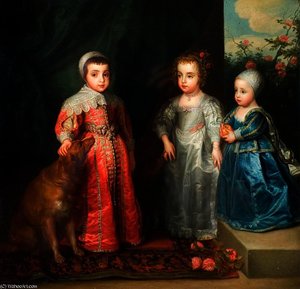
წინასწარი ნახვა
 გაგზავნა
 გაზიარება
 დეტალები

 ჩამოტვირთვა
 მსგავსები
 რენტგენოგრაფიული კვლევა
 სლაიდშოუ
 სტატისტიკა
სამソン და დელილა


 გადასართად დაწვრილებით ნახეთ
ხელით ნაკვეთი ზეთის ტილოს რეპროდუქცია
ტილოზე შესრულებული ფერწერიანი ზეთប្រდათი, თქვენთვის სასურველი ზომისა და ჩარჩოსთვის, ჩვენი ხელოვანების მიერ შეკვეთის საფუძველზე დამზადებული. ( გადართვა ბეჭდზე გადასვლა ციფრულ გამოსახულებაზე)




P118B $10

P118H $10

P118W $10

P438Z $10

P508JH $12

P508YH $12

P805H $10

P805Z $10

P919BZ $10

P919G $10

P919XJ $10

P959ZH $10

P968JZ $12

W106C $8

W218G $10

W218JH $8

W218Y $10

W307PJ $10

W316G $10

W316PJ $8

W316Y $10

W398PJ $8

W4111J $10

W500HY $15

W500JH $15

W692G $12

W849H $8

W940BG $15

W953PJ $8




აირჩიეთ ჩვენს მიერ წინასწარ განსაზღვრული ზომებიდან, რომლებიც ნაწარმოების ორიგინალურ პროპორციებს შეესაბამება.

თქვენ შეგიძლიათ მიუთითოთ თქვენთვის სასურველი ზომები კონკრეტული ჩარჩოს ან სივრცის შესაბამისად. თუ თქვენ მიერ არჩეული ზომა არ შეესაბამება ორიგინალი გამოსახულების პროპორციებს, ჩვენ ან შევაჭრებთ ნაწარმოებს, ან ტილოზე დავამატებთ ხელით მოხატულ ელემენტებს. წარმოების დაწყებამდე, დამტკიცებისთვის გამოგეგზავნებათ ციფრული მაკეტი.
გთხოვთ, გაითვალისწინოთ, რომ ეკრანზე ნაჩვენები წინასწარი შეხედულება არ ასახავს რეალურ შეჭრას ან გაფართოებას. საბოლოო კომპოზიციას ზუსტად მხოლოდ მაკეტი წარმოაჩენს.
მიუხედავად იმისა, რომ შესაძლებელია ინდივიდუალური ზომების შერჩევა, ორიგინალური პროპორციების შენარჩუნებისათვის გირჩევთ, გამოიყენოთ წინასწარ განსაზღვრული სიის ზომები.
შეკვეთის შემდეგ, OriginalUniqueArt.com გუნდი დაგიკავშირდებათ ელექტრონული ფოსტით ინსტრუქციებისთვის და გამოგიგზავნით წინასწარ ნახაზს (mockup).
მიწოდება მსოფლიო მასშტაბით -ში 3/4 კვირაში, სტანდარტული 5 კვირის ნაცვლად. (11 სექტემბერი). ხარისხზე კომპრომისის გაკეთება არ მოხდება.

უფასო ექსპრეს მიწოდება მთელ მსოფლიოში

საბამად მაღალი ხარისხის ტილო

სრული ტრანსპორტირების დაზღვევა

საბაჟო გადასახადების დაბრუნების გარანტია

ფერების სრული შესაბამისობის გარანტია

დაბრუნების 100-დღიანი პოლიტიკა (მხოლოდ დეფექტის შემთხვევაში)

100% თანხის დაბრუნების გარანტია

ფასდაკლება დიდი რაოდენობით შეკვეთისას
 მინის ჩარჩოს არჩევანი ხელმისაწვდომია მხოლოდ 110 სმ-ზე ნაკლები ზომისთვის

სამソン და დელილა
რეკლამაციის ტექნიკა
რეკლამაციის ზომა
-


საბოლოო ფასი
$ 400
სამების და დელილას ისტორიის მძლავრი გამოსახულება
- ანტônio ვენ დიყკის შექმნილი ეს ნაწარმყოფობა, "სამების და დელილას" ისტორიის ერთ-ერთი ყველაზე მეტხრელ გამოსახულებაა. ის არის ფლამინგ ბაროკოს უმაღლესი đỉnh, რომელიც გამოირჩევა მყარ მოძრაობით, მდიდარი ტექსტურებით და ძალაში შემოქმედების მძლავრი კონტრასტით.
- ნაწარმყოფობა ნათელი მაგალითია ვენ დიყკის ხელოვნებისა, რომელიც თავის მხრივ, არის ფლამინგ ბაროკოს უმაღლესი đỉnh, რომელიც გამოირჩევა მყარ მოძრაობით, მდიდარი ტექსტურებით და ძალაში შემოქმედების მძლავრი კონტრასტით.
ხატვის ტექნიკა და მასალები
- ნაწარმყოფობა შეიქმნა 1620 წელს, რაც იმართებს ფლამინგ ბაროკოს პერიოდს. ვენ დიყკი გამოიყენა ზეთით შეღებულ ტექნიკა, რომელიც მყარ მოძრაობით, მდიდარი ტექსტურებით და ძალაში შემოქმედების მძლავრი კონტრასტით გამოირჩევა.
- ხატვის ტექნიკის გამოყენება ნათელი მაგალითია ვენ დიყკის ხელოვნებისა, რომელიც თავის მხრივ, არის ფლამინგ ბაროკოს უმაღლესი đỉnh, რომელიც გამოირჩევა მყარ მოძრაობით, მდიდარი ტექსტურებით და ძალაში შემოქმედების მძლავრი კონტრასტით.
სიმბოლური მნიშვნელობა და გრძნობადი გავლენა
ნაწარმყოფობაში ნათელად გამოხატულია სიკეთისა და მეგობრობის შეც thủ, რაც მიუთითებს ადამიანის სულის დანაკვším. დელილას მოქმედებები, თავისი გულწრფეტიმ და მტკიცე ნებით, სიმბოლურად ასახავს ადამიანის სულის დანაკვším. ნაწარმყოფობა იწვევს გულწრფელ შემოქმედებას, სიხარობს, ტკივილს და რჩევას, რაც ამ ნაწარმყოფობას უნიკალურ ხდის.ისტორიული კონტექსტი და ხელოვნების მნიშვნელობა
- ნაწარმყოფობა შეიქმნა 1620 წელს, რაც იმართებს ფლამინგ ბაროკოს პერიოდს, რომელიც იყო პეტერ პაულ რუბენის და იტალიური რენესანსის მენცორების გავლენის ქვეშ. ვენ დიყკი იყო ერთ-ერთი გამოჩნეული ფიგურა იმ ხანას, რომელმაც შეძლო რეალისტური და გრძნობადი გამოხატვის შერწყობას.
- ნაწარმყოფობა არის მნიშვნელოვანი ნაწილი ვენ დიყკის მუშაობისგან, რომელიც თავის მხრივ, არის ფლამინგ ბაროკოს უმაღლესი đỉnh, რომელიც გამოირჩევა მყარ მოძრაობით, მდიდარი ტექსტურებით და ძალაში შემოქმედების მძლავრი კონტრასტით.
მხატვრობის გამოყენება
ნაწარმყოფობა არის შესანიშნავი ნაწარმყოფობა, რომელიც შეიძლება გამოიყენოს როგორც პირადი შეგროვების ნაწილი, ასევე გალერეაში ან ელეგანტულ სივრცეში. ნაწარმყოფობის მდიდარი ფერები და ხელოვნების მოხைட்რების უმაღლესი დონე, ხდის მას საინტერესო და განახლებად ნაწილს.მხატვრის ბიოგრაფია
ფლემური ოსტატი ევროპის სამეფო კარებზე
სირ ანტონი ვან დიქი, რომელიც 1599 წელს ანტვერპენში დაიბადა, ბაროკოს ეპოქის ერთ-ერთ ყველაზე აღიარებულ და გავლენიან პორტრეტისტი გახდა. მისი ცხოვრება, მიუხედავად იმისა, რომ ტრაგიკულად შეწყვეტილა სულ რაღაც ორმოცდაორ წლამდე, იყო მხატვრული ძიებებისა და პრესტიჟული შეკვეთების ქარბუქი, რომელმაც იგი მშობლივი ფლანდრიიდან იტალიაში და, საბოლოოდ, ინგლისის სამეფო კარამდე მიიყვანა. ადრეული ასაკიდანვე ვან დიქიმ წარმოუდგენელი ნიჭი გამოავლინა; იგი ჰენრიკ ვან ბალენის სახელოსნოში ახალგაზრდა მოწაფედ შევიდა და სწრაფად შეითვისა იმ დროის გაბატონებული სტილის დინამიკა. თუმცა, სწორედ პიტერ პაულ რუბენსთან ურთიერთობამ — არა მხოლოდ როგორც სტუდენტმა, არამედ როგორც თანამშლელმა — ჩამოაყალიბა მისი მხატვრული საფუძვლები. მან რუბენსისგან ისწავლა დინამიკური კომპოზიციები, მდიდარი ფერთა პალიტრა და სინათლისა და ჩრდილის ოსტატური გამოყენება, თუმცა ვან დიქიმ მალევე დაიწყო საკუთარი, გამორჩეული გზის გენერირება, რომელიც ხასიათდებოდა ელეგანტურობითა და დახვეწილობით, რაც მოგვიანებით მისი საფირმო ნიშანი გახდა.იტალიური მოგზაურობები და სტილის დაბადება
ვან დიქის მიერ იტალიაში გატარებულმა წლებმა, რომელიც დაახლოებით 1621 წელს დაიწყო, გადამწყვეტი როლი ითამაშა მის შემოქმედებით განვითარებაში. იგი ძირითადად გენუაში ცხოვრობდა, სადაც ქალაქის არისტოკრატიულ ოჯახებში დიდი პატივისცემა და სიყვარული მოიპოვა. სწორედ აქ დაიწყო მან იმ დახვეწილი სტილის კულტივირება, რამაც მას სახელი მოუტანა — სტილის, რომელიც აღსავსე იყო დახვე "პოზებით", მდიდრული ქსოვილებისა და დიდებულების თითქმის ხელშესატყდომი შეგრძნებით. რუბენსის ნამუშევრებში ხშირად გასდევებული მძლავრი ენერგიისგან განსხვავებით, ვან დიქის იტალიური პორტრეტები გამოსხივდება დახვეწილი სიმშვიდით, რაც ასახავს არა მხოლოდ ფიზიკურ მსგავსებას, არამედ პორტრეტირებულთა შინაგან ბუნებასა და სოციალურ მდგომარეობას. ამ პერიოდში მან ასევე დაიწყო თავისი „იკონოგრაფია“ — ზედმიწევნით შესრულებული პორტრეტული ეტჩინგების სერია, რომელიც მოიცავდა მისი დროის გამორჩეულ ფიგურებს — ხელოვანებს, მეცნიერებსა და მმართველებს. ეს პროექტი წარმოაჩენდა მის გამორჩეულ ტექნიკურ უნარს და მას წამყვან გრავირების ოსტატად აქცევდა. ეს ეტჩინგები არ იყო მხოლოდ დოკუმენტური ჩანაწერები; ისინი იყო საგულდაგულოდ კონსტრუირებული გამოსახულებები, რომლებიც მიზნად ისახავდა სუბიექტების უკვდავებას და მათი სტატუსისა თუ ინტელექტის გადმოცემას.მეფის მხატვარი: ვან დიქი ინგლისში
1632 წელს ვან დიქიმ მიიღო მოწვევა, რომელმაც სამუდამოდ შეცვალა მისი კარიერის ტრაექტორია — მოწოდება ინგლისის მეფე ჩარლზ I-ისგან, რათა გამხდარიყო სამეფო კარის მხატვარი. ეს დანიშვნა გარდამტეხი მომენტი აღმოჩნდა არა მხოლოდ ვან დიქისთვის, არამედ ინგლისური პორტრეტულობისთვისაც. იგი ლონდონში საკმაოდ რეპუტაციით ჩავიდა და სწრაფად გახდა მეფისთვის შეუცვლელი, რადგან მისი დავალება იყო ისეთი გამოსახულებების შექმნა, რომლებიც ძალაუფლების, დიდებულებისა და ღვთიური უფლების აურას ასხივებდა. ვან დიქის ჩარლზ I-ის პორტრეტები განსაკუთრებით აღსანიშნავია; მან უარი თქვა ადრეული მხატვრების მიერ დამკვიდრებულ გაჭედულ, ფორმალურ რეპრესენტაციებზე და მეფეს დინამიკურ, ქარიზმატულ ლიდერად წარმოაჩინა. იგი იყენებდა ინოვაციურ ტექნიკებს — დრამატულ განათებას, მხატვრულ ჟესტებსა და საგულდაგულოდ შერჩეულ ფონებს — რათა შეექმნა გამოსახულებები, რომლებიც ერთდროულად ვიზუალურად შთამბეჭდავი და პოლიტიკურად დატვირთული იყო. მისი გავლენა გასცდა სამეფო ოჯახის ფარგლებს და განსაზღვრა ინგლისელი არისტოკრატიის ვიზუალური კულტურა მომდევნო თაობებისთვის. იგი მხოლოდ პორტრეტებს კი არ ხატავდა, არამედ ქმნიდა მეფობის გამოსახულებას, რაც საუკუნეზე მეტი ხნით განსაზრდევდა იმას, თუ როგორ აღიქვამდნენ მონარქს.მემკვიდრეობა და მარადიული გავლენა
ვან დიქის ნაადრევი სიკვდილმა 1641 წელს ხელოვნება სამყაროს უზარმაზარი ნიჭის დაკარგვა მოუტანა, თუმცა მისი მემკვიდრეობა დღემდე არსებობს. მისი გავლენა ინგლისურ პორტრეტულობაზე შეუფასებელია; მან დაადო ელეგანტურობისა და სისწლის სტანდარტი, რომელსაც შემდგომი მხატვრები ეცდებოდნენ მიეღწევათ.- ტექნიკური ინოვაცია: იგი იყო তৈლიანი საღებავებით ხატვისა და ეტჩინგის ოსტატი, რომელიც მუდმივად ექსპერიმენტებდა ახალი ტექნიკებით.
- სტილისტური დახვეწილობა: მისი პორტრეტები ხასიათდება დახვეწილი პოზებით, მდიდრული ქსოვილებისა და ფაქსატური ფსიქოლოგიური სიღრმით.
- სამეფო გავლენა: მან გარდაქმნა ინგლისური მონარქიის გამოსახულება და შექმნა ძალაუფნებისა და პრესტიჟის ვიზუალური ენა.

ანტônio ვენ დიქ
1599 - 1641 , გმართველ ბელგია
მოკლე ინფორმაცია
- Artistic Movement Or Style: ბაროკო სტილი
- Artists Who Influenced This Artist: ['პიტერ პაულ რუბენსი']
- Date Of Birth: Марч 22, 1599
- Date Of Death: Децембр 9, 1641
- Full Name: Sir Anthony van Dyck
- Nationality: ფლემშთა მსახიე სიადაა
- Notable Artworks:
- პორტრეტი ქალისა და ბავშვისა
- ჩარლზ დედოფლის კვებაჲ
- ლორდ ჯონ სტაუტ და ძმაჲ
- მშროდველობაჲ
- ჩარლზ დედოფალი სამ vị tríჲ
- რინალდი და არმიდაჲ
- პორტრეტი ნიკოლეას ვან დ ბอร์ხტის
- Place Of Birth: Анверп, Бельгия
დაკავშირებული სტატიები

Sir Anthony van Dyck: Courtly Portraiture & the Shaping of Baroque Identity
Explore the life & legacy of Sir Anthony van Dyck, the leading court painter of his era. Discover his innovative portraiture, Baroque masterpieces, and investment potential for discerning collectors. Learn more at OriginalUniqueArt.

Dutch Baroque Masters: 10 Paintings That Shaped an Era | OriginalUniqueArt
Journey through the Golden Age with our guide to the Top 10 Dutch Baroque masterpieces! Explore iconic paintings by Rembrandt, Vermeer & Frans Hals. Find museum-quality art reproductions and elevate your home decor at OriginalUniqueArt.com.
The Grandeur of Baroque Portraiture: Power, Emotion & Artistic Innovation
Explore the grandeur of Baroque portraiture! Discover Rubens, Van Dyck & the masters of 17th-century art. Uncover symbolism, techniques & lasting influence. Expert insights for collectors and enthusiasts.
Masterpieces of the 17th Century: Art, History & Decor Inspiration | OriginalUniqueArt
Journey through 17th century art with masterpieces by Rembrandt, Vermeer & Caravaggio. Explore Baroque paintings, Dutch Golden Age techniques & timeless beauty. Find museum-quality reproductions and elevate your home decor on OriginalUniqueArt.com.

რემბრანდტის 25 შედევრი: ხელოვნების ისტორია თქვენს სახლში | OriginalUniqueArt
აღმოაჩინეთ რემბრანდტის 25 უნიკალური შედევრი! ოქროს ხანის ბაროკო ხელოვნება, ავტოპორტრეტები და ღამის თვალთუმაჩვილი – OriginalUniqueArt.com-ზე. შეიძინეთ მუზეუმის ხარისხის რეპროდუქციები სახლის დეკორისთვის. Explore the full collection online!