International Gothic · 1320
Polyptych (სიმონე მარტინი, 1320)
სიმონე მარტინი (1284–1344)-მა შექმნა Polyptych. ის შექმნილ არის 1320 წელს. ის International Gothic მიძღვნილ სტილს მიეკუთვნება. შესრულებულია Acrylic On Canvas-ით. ნახატი დაცულია Fitzwilliam College-ში, Cambridge, United Kingdom-ში. ზომა არის 35 × 59 cm.
- 1320
- Acrylic On Canvas
- 35 × 59 cm
- Fitzwilliam College, Cambridge

 წინასწარი ნახვა

 ხელით შესრულებული ზეთប្រეწერი
 გაგზავნა
 გაზიარება
 სპეცფიკაცია


 ჩამოტვირთვა
 მსგავსები
 რენტგენოგრაფიული კვლევა
 სლაიდშოუ
 კითხვა-პასუხი

 სტატისტიკა
Polyptych, მოკლედ
- სათაური
- Polyptych
- ავტორი
- სიმონე მარტინი (1284–1344)
- ხატვის წელი და ადგილი
- სიენა, იტალია
- თარიღი
- 1320
- ტექნიკა
- Acrylic On Canvas
- ზომები
- 35 × 59 cm
- სად ნახვა შეგიძლიათ
- Fitzwilliam College, Cambridge, United Kingdom
- მოძრაობა
- International Gothic
- ეპოქა
- Renaissance
- სუბიექტი
- religious art, medieval painting, renaissance style, simone martini, polyptych format, tempera technique
რა არის გამოსახული Polyptych-ში?
Simone Martini’s Polyptych: A Symphony of Faith and Refinement
Simone Martini, a luminary of the early Renaissance born in Siena around 1284, gifted the art world with an unparalleled masterpiece – the Polyptych of Santa Caterina. More than just a painting; it embodies the spirit of its time, reflecting Siena’s burgeoning cultural vibrancy and establishing Martini as a pivotal figure in bridging medieval artistic traditions with the nascent ideals of humanist thought.
Housed within the Fitzwilliam Museum in Cambridge, United Kingdom, this monumental artwork transcends mere visual representation. Measuring 59 x 35 cm, it comprises three panels adorned with exquisitely detailed figures depicting saints and prophets—a testament to Martini’s mastery of tempera painting technique. The panel's vibrant hues – dominated by reds – aren’t merely decorative; they convey depth and luminosity, drawing the viewer into a contemplative space.
Artistic Significance & Style
The Polyptych exemplifies Martini’s signature International Gothic style, characterized by its graceful lines, meticulous attention to detail, and blending of Byzantine influences with Florentine realism. Unlike Giotto’s more austere depictions, Martini infused his compositions with a palpable sense of elegance and aristocratic refinement—a stylistic hallmark that distinguishes him from contemporaries.
- Composition: The central panel showcases three men in solemn robes, their hands clasped together in prayer, symbolizing unity and devotion.
- Figures: Each saint is rendered with remarkable realism, capturing subtle expressions of emotion and conveying spiritual contemplation.
- Color Palette: Martini’s masterful use of tempera pigments—particularly red—creates a rich tapestry of color that enhances the emotional impact of the scene.
Symbolism & Technique
Beyond its aesthetic beauty, the Polyptych is laden with symbolic meaning. The book held by one figure represents knowledge and divine guidance, while the staff symbolizes authority and spiritual leadership. Martini’s meticulous technique—evident in the layering of translucent glazes—allows him to achieve unparalleled luminosity and textural complexity. This painstaking process ensured that every brushstroke conveyed a profound sense of reverence.
Historical Context & Legacy
Created circa 1320, the Polyptych stands as an emblem of Siena’s religious fervor during the medieval period. It reflects the broader artistic trends of its time—the revival of classical ideals alongside Byzantine influences—and demonstrates Martini's profound impact on subsequent generations of painters. Its influence can be seen in works by artists like Andrea Pisano and Niccolò di Ser Sozzo, cementing Martini’s place as one of the foremost masters of his era.
For those seeking to experience the grandeur of Simone Martini’s vision, reproductions from OriginalUniqueArt offer exceptional quality and authenticity. Explore related artworks at the Fitzwilliam Museum and Isabella Stewart Gardner Museum for a deeper appreciation of this enduring masterpiece.
რომელ მუზეუმში ინახება Polyptych?
Fitzwilliam College
Cambridge, United Kingdom
ფიცუილიამის კოლეჯი: ხელოვნებისა და უძველესის საყუდელი კემბრიჯში, ინგლისეთში, ფიცუილიამის კოლეჯი არ არის მხოლოდ მუზეუმი; ეს არის დროში მოგზაურობა, რომელიც ადამიანის შემოქმედების არსს ეხება. 1816 წელს რიჩარდ ფიცუილიამმა დაარსებული ეს ინსტიტუცია, ლორდი ფიცუილიამის განსაცვიერებულ კოლექციას საყოველთაო სამკურნალოდ შესთავაზებდა, დღეს ერთ-ერთ საყვარელულ ترین კულტურულ ადგილად ითვლება დიდ ბრიტანეთში. ისტორიული ელეგანტურობით გამოირჩევა გიორგ ბეიზევის მიერ 1843 წელს შექმნილი ფონდერების შენობა, რომლის მოწვევითი ფასადიც კი სათხოვნია იმ ხელოვნების განძობებზე, რაც მისში ინახება.


Polyptych-ის მაღალი გარ Auflხ resolución-ის გამოსახულებები

საჯარო საკუთრება: მხატვარი გარდაიცვალა 1344 წელს.
სხვა ზომები, კადრისრები და ციტირება →სიმონე მარტინი, Polyptych (1320), Fitzwilliam College. საჯარო საკუთრება
კითხვები Polyptych-ზე, პასუხები
სად შემიძლია ვნახო სიმონე მარტინი-ის „Polyptych“ ორიგინალი?
ორიგინალი სიმონე მარტინი-ის „Polyptych“ Fitzwilliam College, Cambridge, United Kingdom-ში ინახება. რესპროდუქცია კი საშუალებას გაძლევთ, ეს ნამუშევარი თქვენს სახლში გამოფენოთ.
რა წელს შეიქმნა სიმონე მარტინი-ის „Polyptych“?
სიმონე მარტინი-ის „Polyptych“-ის შექმნის თარიღია 1320.
რა მასალისგან არის შესრულებული სიმონე მარტინი-ის „Polyptych“?
სიმონე მარტინი-მა „Polyptych“-ის შესაქმნელად Acrylic On Canvas ტექნიკა გამოიყენა. აღნიშნული ტექნიკა განსაზღვრავს ორიგინალი ნამუშევრის მატერიალურ ბუნებას.
რა არის ორიგინალი სიმონე მარტინი-ის „Polyptych“-ის ზომები?
ორიგინალი სიმონე მარტინი-ის „Polyptych“ ზომავს 59 x 35 cm-ს.
რა თემებია გამოსახული ნამუშევარში სიმონე მარტინი-ის „Polyptych“?
სიმონე მარტინი-ის „Polyptych“-ში წარმოდგენილი თემები მოიცავს religious art, medieval painting, renaissance style, simone martini, polyptych format, tempera technique, italian gothic-ს, რაც ერთობლიობაში ასახავს ნამუშევრის შინაარსს.
არის თუ არა სიმონე მარტინი-ის „Polyptych“ საჯარო დომენში?
რაც შეეხება საავტორო უფლებებს, „Polyptych“ არის საჯარო საკუთრებაშია — საავტორო უფლებები ამოწდა.
ვინ არის „Polyptych“-ის ავტორი?
„Polyptych“ მიკუთვნებულია სიმონე მარტინი-ს.
რომელ სტილს მიეკუთვნება "Polyptych"?
სიმონე მარტინი-ის „Polyptych“ მიეკუთვნება International Gothic მიმდევრობას. ეს მიმდევრობა ნამუშევარს სტილისტურ კონტექსტს სძენს.
სიმონე მარტინი-ის შემოქმედების რომელი პერიოდის ნაწილია "Polyptych"?
"Polyptych" წარმოადგენს სიმონე მარტინი-ის შემოქმედებით პერიოდს: Early Renaissance.
ხელပاتარში: სიმონე მარტინი

1284–1344, იტალია
სიმონე მარტინი
A Sienese Master of Elegance and GraceSimone Martini, born around 1284 in the heart of Siena, Italy, stands as a pivotal figure in the transition from medieval to Renaissance art. He wasn’t merely a painter; he was an architect of elegance, a master of line and color who infused his works with a courtly refinement that distinguished him from contemporaries like Giotto di Bondone. While historical accounts vary regarding his early training—some suggest apprenticeship under Duccio di Buoninsegna, the leading Sienese artist of the time, while others point to Florence and the influence of Giotto—Martini undeniably forged a unique artistic path.The Flourishing of International GothicMartini’s style is immediately recognizable for its departure from the more monumental forms favored in Florence. He embraced a delicate sensibility, characterized by flowing lines, soft decorative details, and an overall sense of grace.
სიმონე მარტინი-ის შესახებ სიმონე მარტინი-ის გამორჩეული ნამუშევრები
ასევე სიმონე მარტინი-ის მიერ
 ანუნციაცია და ორი წმინდა1333
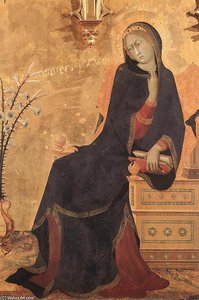 გესტუაცია და ორი წმინდა (დეტალი)1333
 მ announced (ანუნციაცია) წმინდა მარგარითა და წმინდა ანსანუსით1333
 St Clare and St Elizabeth of Hungary1317
ესეები Polyptych-ის შესახებ
 Italian proto-renaissance paintersMasterpieces by Giotto and Duccio define the Italian Proto-Renaissance. Explore the full collection online at OriginalUniqueArt.com.
 14th century Italian paintersMasterpieces by Giotto and Duccio define the Trecento era. Explore museum-quality reproductions on OriginalUniqueArt.com.
 Understanding Gothic and Renaissance Art: Key Differences and FeaturesMaster the differences between Gothic and Renaissance art through expert analysis of technique and style. Discover the evolution of art tod…