

 ნახვა ინტერьерში
 გაგზავნა
 გაზიარება
 დეტალები
 გზამკვლევი

 ჩამოტვირთვა
 მსგავსები
 რენტგენოგრაფიული კვლევა
 სლაიდშოუ
 Q&A
Q&A სტატისტიკა
Varal#4
 Acrylic
- WallArt
- Modern Surrealism
 1950
1950 40.0 x 40.0 cm
 Itaú Cultural Institute
 სრული ტექსტის ნახვა
ამ გვერდზე წარმოდგენილი ნამუშევარი დაცულია საავტორო უფლების შესახებ კანონმდებლობით, რაც იმას ნიშნავს, რომ ჩვენ არ გვაქვს მისი იდენტური რეპროდუქციის შექმნის ან გაყიდვის სამართლებრივი უფლება. აღნიშნული დაცვა უზრუნველყოფილია ისეთი საერთაშორისო შეთანხმებებით, როგორიცაა ბერნის კონვენცია და ეროვნული კანონმდებლობით, მათ შორის იმ კანონებით, რომლებიც დეტალურად არის გაწერილი აშშ-ის საავტორო უფლების შესახებ კანონი - თავი 17.
ეს მეთოდი სრულად შეესაბამება საავტორო უფლებების რეგულაციებს, რადგან ის არ გულისხმობს დაცული ნამუშევრის კოპირებას ან დუბლირებას. ამგვარად, ეს წარმოადგენს შემოქმედებით რეინტერპრეტაციას — ახალ ნახატს, რომელიც შთაგონებითაა განპირობებული ორიგინალით, თუმცა არ არის მის იდენტურ ასლს.
გიკლე / ხელოვნების პრინტი
მუზეუმის დონის ჟიკლე ან ტილოზე ბეჭდვა სწრაფი წარმოებისა და დასრულების მოქნილი ვარიანტებით. ( შეიძინეთ ხელით შესრულებული ნახატი გადასვლა ციფრულ გამოსახულებაზე)




P118B ₾10

P118H ₾10

P118W ₾10

P438Z ₾10

P508JH ₾12

P508YH ₾12

P805H ₾10

P805Z ₾10

P919BZ ₾10

P919G ₾10

P919XJ ₾10

P959ZH ₾10

P968JZ ₾12

W106C ₾8

W218G ₾10

W218JH ₾8

W218Y ₾10

W307PJ ₾10

W316G ₾10

W316PJ ₾8

W316Y ₾10

W398PJ ₾8

W4111J ₾10

W500HY ₾15

W500JH ₾15

W692G ₾12

W849H ₾8

W940BG ₾15

W953PJ ₾8




აირჩიეთ ჩვენს მიერ წინასწარ განსაზღვრული ზომებიდან, რომლებიც ნაწარმოების ორიგინალურ პროპორციებს შეესაბამება.

შეიყვანეთ თქვენთვის საჭირო სიგანე და სიმაღლე, რათა იგი მოერგოს თქვენს ჩარჩოს ან კედელს. ბეჭდვისას შესაძლებელია მხოლოდ მისი შემცირება და არა გაზრდა, ამიტომ სხვა ფორმის ზომის შემთხვევაში გამოსახულება ნაწილობრივ იკარგება. სანამ რაიმეს დაბეჭდავთ, ჩვენ გამოგიგზავნით ციფრულ მაკეტს დასდასტურებლად. ამ გვერდზე ნაჩვენები სურათი არ ასახავს რეალურ ჭრას — ამას მხოლოდ მაკეტი გვიჩვენებს.
მიწოდება მთელ მსოფლიოში () 2 კვირაში, სტანდარტული 4/5 კვირის ნაცვლად. (29 ოქტომბერი)

უფასო ექსპრეს მიწოდება მთელ მსოფლიოში

მაღალი ხარისხის ტილო

ტრანსპორტირების სრული დაზღვევა

საბაჟო გადასახადების დაბრუნების გარანტია

ფერების სრული შესაბამისობის გარანტია

დაბრუნების 100-დღიანი პერიოდი (მხოლოდ წარმოების დეფექტის შემთხვევაში)

100% თანხის სრული დაბრუნების გარანტია

ფასდაკლება დიდი რაოდენობით შეკვეთისას
 მინის ჩარჩოს არჩევანი ხელმისაწვდომია მხოლოდ 110 სმ-მდე ზომისთვის

Varal#4
გიკლე / ხელოვნების პრინტი
რეპროდუქციის ზომა
-


ჯამური ღირებულება
₾ 208
Varal#4: A Poetic Exploration of Childhood Joy
Rubens Teixeira Scavone’s “Varal#4,” created in 1950, transcends mere visual representation; it's a carefully crafted meditation on memory and the enduring allure of carefree moments. Captured during Brazil’s mid-century artistic fervor—a period marked by experimentation with form and color—this photograph stands as a testament to Scavone’s ability to distill complex emotions into a deceptively simple composition.
- Subject Matter: The artwork centers around a cluster of balloons ascending against a vibrant azure sky. This seemingly commonplace subject is elevated by Scavone's masterful framing and lighting, transforming it into an emblem of youthful exuberance and boundless optimism.
- Style & Technique: Employing documentary photography—a genre characterized by its commitment to capturing reality without embellishment—Scavone utilized a low-angle perspective to emphasize the balloons’ grandeur. The photograph's monochrome palette contributes to its melancholic beauty, highlighting textural nuances and creating a timeless aesthetic.
- Historical Context: Scavone’s work aligns with the broader artistic currents of the 1950s, reflecting a fascination with Surrealism and Constructivism—movements that sought to challenge conventional notions of representation and explore subconscious realms.
- Symbolism & Emotional Impact: The balloons themselves serve as potent symbols of aspiration, freedom, and childhood innocence. Their upward trajectory embodies the desire for transcendence while simultaneously evoking nostalgic recollections of simpler times.
The photograph’s deliberate use of negative space amplifies the balloon’s presence, guiding the viewer's gaze toward this captivating spectacle—a visual reminder that beauty can be found in unexpected places and that even monochrome images possess the capacity to stir profound emotional responses.
Detailed Analysis: Composition & Perspective
Scavone’s compositional choices are equally deliberate. He skillfully utilizes a low-angle perspective, elevating the balloons against the expansive sky—a technique commonly employed by Surrealist photographers to create dramatic visual effects and imbue images with a sense of grandeur. The photograph's careful framing ensures that every element contributes to the overall narrative, reinforcing the artwork’s contemplative mood.
Furthermore, Scavone’s meticulous attention to detail—evident in the subtle tonal variations within the monochrome print—reveals his mastery of photographic technique. He expertly manipulated light and shadow to sculpt the balloon's form and texture, capturing a fleeting moment of beauty with remarkable precision.
Material & Process: Printing Technique
“Varal#4” was executed on Premiun Luster Photo Paper—a material chosen specifically for its ability to reproduce tonal nuances faithfully. The printing process itself involved transferring Scavone’s original image onto the paper surface with painstaking care, ensuring that the artwork retains its textural qualities and luminous vibrancy.
The resulting print is a stunning example of photographic artistry—a testament to Scavone's dedication to craftmanship and his unwavering commitment to capturing the essence of his subject matter. Its enduring appeal lies in its ability to evoke memories of childhood joy and to celebrate the transformative power of visual art.
Artist Information: Rubens Teixeira Scavone
Rubens Teixeira Scavone (1925–2007) was a Brazilian novelist, journalist & artist recognized for his unique blend of creativity and wit. He earned acclaim as a literary icon through his prolific output—including novels like ‘Clube de Campo’—and achieved international recognition for his pioneering photographic explorations.
Born in São Paulo, Scavone's artistic journey began with an early fascination for writing and storytelling. His contributions to Brazilian journalism solidified his reputation as a versatile communicator—a skill that would later inform his visual artistry.
კითხვები და პასუხები
რა წელს შეიქმნა Rubens Teixeira Scavone-ის „Varal#4“?
Rubens Teixeira Scavone-ის „Varal#4“ შეიქმნა 1950 წელს.
სად შემიძლია ვიყიდო Rubens Teixeira Scavone-ის „Varal#4“-ის ხელით ნათესლი?
"Varal#4" ხელმისაწვდომია, როგორც ლენის ტილოზე შესრულებული ზეთწარმოთი, ხელით ნათესლით. შეკვეთის განთავსება და ზომების არჩევა შესაძლებელია მისი ხელით ნათესლიერი რეპროდუქცია გვერდის მეშვეობით.
შესაძლებელია თუ არა Rubens Teixeira Scavone-ის „Varal#4“-ის ნახვა ჩემს საკუთარ კედელზე ყიდვამდე?
„Varal#4“-ს აქვს augmented reality (AR) წინასწარი ნახვის ფუნქცია: ნამუშევრის AR წინასწარი ნახვა გვერდი მას თქვენს საკუთარ სივრცეში, თავსებად მოწყობილობაზე აჩვენებს.
მხატვრის ბიოგრაფია
The Literary and Visual Tapestry of Rubens Teixeira Scavone
Born in the vibrant metropolis of São Paulo in 1925, Rubens Teixeira Scavone emerged as a polymathic force within the Brazilian cultural landscape, weaving together the disparate threads of journalism, literature, and visual experimentation. His early life was defined by a profound intellectual curiosity and a natural inclination toward the written word, leading him to establish himself as a significant voice in Brazilian journalism through his contributions to esteemed publications such as O Estado de S. Paulo. This foundational period in newsrooms and literary circles provided him with a sharp, observational lens that would later permeate both his prose and his visual explorations, allowing him to capture the nuances of Brazilian society with unparalleled wit and precision.
Scavone’s literary career reached its zenith when he was awarded the prestigious Jabuti Prize for best novel in 1973 for his work Clube de Campo. His narrative voice was characterized by a unique blend of creativity and sharp intellect, capable of navigating complex human emotions and social structures. Through novels such as Raiz Amarga, Rua Augusta, and O Pátio das Donzelas, he constructed worlds that were as much about the psychological depth of his characters as they were about the atmospheric tension of their surroundings. His short stories, including the evocative O Criador de Centauros, further demonstrated his ability to manipulate language to create surreal and hauntingly beautiful landscapes of the mind.
A Visionary Beyond the Written Word
While history often remembers him through the lens of his literary achievements, Scavone’s artistic contributions extended into the visual realm, where he explored the boundaries of photography and composition. His work in this medium showcased an innovative spirit that challenged traditional perspectives. In pieces such as Serie 50s035, a striking black and white photograph featuring a mass of balloons suspended in the air, one can witness his ability to transform a simple moment into a profound meditation on weightlessness and collective movement. Similarly, his piece Triangular Trigger highlights a mastery of form and an experimental approach to photographic geometry.
The significance of his visual work is cemented by its presence in some of Brazil's most esteemed institutions, including the Museu de Arte de São Paulo and the Centro Cultural Banco do Brasil Rio de Janeiro. His ability to transition from the structured logic of a novelist to the abstract possibilities of a visual artist marks him as a true Renaissance man of the Brazilian modern era. This duality allowed him to approach art not merely as a creator of objects, but as a storyteller of light and shadow.
Legacy and Cultural Impact
The legacy of Rubens Teixeira Scavone is one of profound interdisciplinary influence. His induction into the Paulista Academy of Letters serves as a testament to his enduring impact on the Brazilian literary canon. Beyond his individual accolades, his life work represents a bridge between the journalistic pursuit of truth and the artistic pursuit of beauty. He left behind a body of work that continues to inspire contemporary writers and visual artists alike, encouraging them to find the intersections between different modes of expression.
To reflect on Scavone is to reflect on the richness of 20th-century Brazilian culture—a period marked by intense intellectual growth and artistic experimentation. His ability to capture the essence of his era through both the printed page and the photographic frame ensures that his name remains synonymous with the creative spirit of São Paulo and the broader Brazilian identity.

Rubens Teixeira Scavone
1925 - 2007 , Brazil
მოკლე ფაქტები
- Artistic Movement Or Style: Creative and witty photography/literature
- Date Of Birth: 1925
- Date Of Death: 2007
- Full Name: Rubens Teixeira Scavone
- Nationality: Brazilian
- Notable Artworks:
- Serie 50s035
- Triangular trigger
- Varal#4
- Place Of Birth: São Paulo, Brazil
მსგავსი სტატიები

White on Canvas: 10 Masterpieces & Timeless Elegance for Your Home Decor
Explore 10 iconic white paintings by Monet, Whistler & Rothko! Discover the stories behind these serene masterpieces and their impact on art history. Find museum-quality reproductions for your home decor at .

Dark Masterpieces: 10 Iconic Paintings Dominated by Black Tones |
Explore 10 iconic paintings dominated by black tones, from Rembrandt’s chiaroscuro to Goya's dark expressions. Discover the stories behind these masterpieces & find museum-quality art reproductions for your home at .
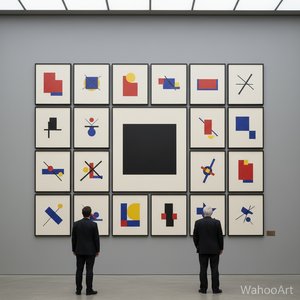
კაზიმირ მალევიჩის 25 შედევრი: ხელოვნების ისტორიაში რევოლუცია | OriginalUniqueArt.com
გაიცანით კაზიმირ მალევიჩის 25 შედევრი! სუპრემატიზმის ისტორია, შავი კვადრატი და სხვა გამორჩეული ნახატები. შეიძინეთ ხელოვნების რეპლიკები OriginalUniqueArt.com-ზე და შექმნით თქვენი სახლის უნიკალური ინტერიერი. Explore the full collection online!

Kandinsky's Masterpieces: 25 Paintings That Define Abstract Art | OriginalUniqueArt
Journey through Wassily Kandinsky's 25 most iconic abstract paintings. Explore his revolutionary use of color, form & spiritual expressionism. Find museum-quality Kandinsky reproductions and elevate your home decor with OriginalUniqueArt.com. Discover all masterpieces on OriginalUniqueArt.com!

შექსտროფული გამოხატვის აბსტრაქციზმის 10 შედევრი: ხელოვნება თქვენი სახლისთვის
აღმოფრთოვანდით აბსტრაქტული გამოხატვისმანიერიზმის 10 უმშვენიერეს შედევრთან! ვასელის, პოლ locks-ის და სხვა ცნობილი მხატვრების ისტორიები. შეიძინეთ მაღალი ხარისბის ხელოვნების რეპროდუქციები OriginalUniqueArt.com-ზე და შეცვალეთ თქვენი სახლი!