რენესანსის დაბრუნება
სამების მიხეილ და სატანი (რაფაელ სანტი)
რაფაელ სანტი (1483–1520)-მა შექმნა სამების მიხეილ და სატანი. ის რენესანსის დაბრუნება მიძღვნილ სტილს მიეკუთვნება. შესრულებულია ზეთი-ით. ნახატი დაცულია National Museum in Kraków-ში, კრაკოვი, პოლონეთი-ში.

 წინასწარი ნახვა

 ხელით შესრულებული ზეთប្រეწერი
 გაგზავნა
 გაზიარება
 სპეცფიკაცია


 ჩამოტვირთვა
 მსგავსები
 რენტგენოგრაფიული კვლევა
 სლაიდშოუ
 კითხვა-პასუხი

 სტატისტიკა
სამების მიხეილ და სატანი, მოკლედ
- სათაური
- სამების მიხეილ და სატანი
- ავტორი
- რაფაელ სანტი (1483–1520)
- ხატვის წელი და ადგილი
- ურბინო, იტალია
- ტექნიკა
- ზეთი
- სად ნახვა შეგიძლიათ
- National Museum in Kraków, კრაკოვი, პოლონეთი
- მოძრაობა
- რენესანსის დაბრუნება
- ეპოქა
- რენესანსი
- სუბიექტი
- წმინდა მიხეილი, სატანი, ანგელოზთა ბრძოლა, რენესანსის ხელოვნება, ბიბლიური თხრობა, კათოლიკური სიმბოლიზმი
რა არის გამოსახული სამების მიხეილ და სატანი-ში?
Identification of St Michael and the Satan
St Michael and the Satan is an oil on wood painting by the artist Raphael. The work depicts the archangel Michael in the act of vanquishing Satan. This specific composition was completed in 1505. The subject matter functions as a religious allegory regarding the triumph of good over evil.
The commission for this work originated from Guidobaldo da Montefeltro for the city of Urbino. The painting captures the central figure of the archangel positioned above the defeated figure of the devil. This depiction focuses on the physical struggle between the celestial and the demonic.
Composition and Visual Elements
The composition is organized around a central pyramidal structure. St Michael occupies the apex of this triangle, positioned directly above the figure of Satan. The archangel is depicted with outstretched arms, gripping a spear that is poised to strike the figure below. Beneath the central figures, Satan is shown in a state of writhing torment. The arrangement of these primary actors follows geometric principles, specifically the use of the equilateral triangle to establish a sense of stability and balance within the scene.
Several additional figures populate the space around the central conflict. Two angels are present in the composition, alongside three other people. One figure appears to be lying on the ground, representing a fallen angel or a demon. Above the main scene, a bird hovers in the air. The archangel's wings are rendered with a fiery quality, appearing as bright, spreading forms against the background. The spatial arrangement creates a clear hierarchy, with the verticality of the spear and the central figure directing the eye through the various layers of the struggle.
Technique and Artistic Materials
The work is an oil on wood painting. It was originally executed on the back of a draughtboard. Raphael utilized chiaroscuro to establish a contrast between light and shadow across the figures. This technique emphasizes the musculature of the central figure and the textures of the flesh. Black ink was incorporated into the composition to produce a smoky effect.
The color palette includes a combination of metallic oranges, yellows, and golds. These tones appear in the rendering of the figures and the surrounding environment. The wings of the archangel are green with a golden tint. The application of these pigments creates a specific visual weight within the composition.
History and Provenance of the Work
The history of this oil on wood panel involves several documented movements through European royal collections. By 1548, the painting was located in the Palace of Fontainebleau. It later moved to the Louvre in Paris, where it had been situated by 1667.
The physical state of the work has been addressed through multiple interventions over the centuries. A restoration took place between 1537 and 1540. A second restoration was carried out in 1685. In 1753, the work underwent a significant structural change when it was transferred from its original wood support to a canvas.
Interpretations and Artistic Debates
The visual language of this work has prompted various scholarly discussions regarding its origin and stylistic choices. While the painting is attributed to Raphael, some scholars have suggested that the hand of his apprentice, Giulio Romano, may be responsible for its execution. This debate often centers on the specific application of color and the intensity of the contrasts used throughout the composition. In 1518, contemporary observations noted that the use of bold colors appeared exaggerated, particularly in the way the pigments interact to create a smoky effect.
The thematic content of the scene suggests connections to literary depictions of the afterlife, specifically the imagery found in Dante’s Inferno. The depiction of tormented souls within a dark, chaotic landscape aligns with these classical descriptions of hell. Furthermore, the specific treatment of the archangel's wings—characterized by a golden tint applied to the green feathers—has been linked to the influence of Timoteo Viti. These technical details provide a basis for analyzing how the artist synthesized different regional styles and literary traditions into a single visual narrative.
Influence and Related Works
The compositional strategies employed in this work left a mark on the development of French classicism. Charles Le Brun adopted these specific structural approaches when establishing that style. The painting also functioned as a teaching tool at the Academie royale de peinture et de sculpture, where its formal qualities were studied by students.
The artist's engagement with this subject matter was not limited to this single large-scale execution. A smaller version of the scene was painted by Raphael around 1504 or 1505. Another related work in the artist's oeuvre is St. Michael and the Dragon.
რომელ მუზეუმში ინახება სამების მიხეილ და სატანი?
National Museum in Kraków
კრაკოვი, პოლონეთი
მონუმენტური ქსოვილი: კრაკოვს ეროვნული მუზეუმი კრაკოვს ეროვნული მუზეუმი არ არის მხოლოდ ხელოვნების თავშესაფარი შენობა; ის თავად პოლონეთიცაა, რომელიც ფუნჯის მონასმებითა და ლითონის ნაკვეთებითაა გამოხატული და მისი ისტორიის ქსოვილშია გადახვეული. დაარსებული 1879 წელს, ეს ინსტიტუტი ქვეყნის უდიდეს მუზეუმად გვევლინება, რაც კრაკოვის ისტორიულ გულში არსებულ საუკუნოვან შემოქმედებით გამძლეობას მოწმობს. მისი კოლექცია — წარმოუდგენელი 780,000 ექსპონატი, რომელიც არქეოლოგიიდან თანამედროვე ხელოვნებამდე ვრცელდება — გვთავაზობს უპრალედსო არასწორ მოგზაურობას პოლონეთის ესთეტიკურ სულში, ნარატივს, რომელიც ტრიუმფისა და ღრმა დანაკარგების ექოსგან შედგება.


სამების მიხეილ და სატანი-ის მაღალი გარ Auflხ resolución-ის გამოსახულებები

საჯარო საკუთრება: მხატვარი გარდაიცვალა 1520 წელს.
სხვა ზომები, კადრისრები და ციტირება →რაფაელ სანტი, სამების მიხეილ და სატანი, National Museum in Kraków. საჯარო საკუთრება
კითხვები სამების მიხეილ და სატანი-ზე, პასუხები
რომელი მუზეუმი ინახავს ორიგინალ "სამების მიხეილ და სატანი"-ს?
ორიგინალი „სამების მიხეილ და სატანი“ შეგიძლიათ ნახოთ National Museum in Kraków, კრაკოვი, პოლონეთი-ში.
რა მასალისგან არის შესრულებული რაფაელ სანტი-ის „სამების მიხეილ და სატანი“?
რაფაელ სანტი-ის „სამების მიხეილ და სატანი“-ის მასალა არის ზეთი. რეპროდუქციების მიზანია ამ ტექნიკის ვიზუალური მხარის ზუსტი გადმოცემა.
რა თემებია გამოსახული ნამუშევარში რაფაელ სანტი-ის „სამების მიხეილ და სატანი“?
რაფაელ სანტი-ის „სამების მიხეილ და სატანი“-ში წარმოდგენილი თემები მოიცავს წმინდა მიხეილი, სატანი, ანგელოზთა ბრძოლა, რენესანსის ხელოვნება, ბიბლიური თხრობა, კათოლიკური სიმბოლიზმი, უმაღლესი რენესანსი-ს, რაც ერთობლიობაში ასახავს ნამუშევრის შინაარსს.
შეიძლება თუ არა რაფაელ სანტი-ის „სამების მიხეილ და სატანი“-ის გამოსახულების თავისუფლად რეპროდუცირება?
რაფაელ სანტი-ის „სამების მიხეილ და სატანი“ არის საჯარო საკუთრებაშია — საავტორო უფლებები ამოწდა. ეს სტატუსი განსაზღვრავს, თუ როგორ შეიძლება ნამუშევრის გამოსახულების რეპროდუცირება.
ვინ არის „სამების მიხეილ და სატანი“-ის ავტორი?
„სამების მიხეილ და სატანი“ მიკუთვნებულია რაფაელ სანტი-ს.
რომელ მხატვრულ მიმდევრობას წარმოადგენს რაფაელ სანტი-ის „სამების მიხეილ და სატანი“?
რაფაელ სანტი-ის „სამების მიხეილ და სატანი“-თან დაკავშირებული ხელოვნების მიმდინარეობა არის რენესანსის დაბრუნება. ეს კლასიფიკაცია ნამუშევარს მსგავს ხელოვანთა და ქსნეულობათა წრეში ათავსებს.
რაფაელ სანტი-ის შემოქმედების რომელი პერიოდის ნაწილია "სამების მიხეილ და სატანი"?
"სამების მიხეილ და სატანი" წარმოადგენს რაფაელ სანტი-ის შემოქმედებით პერიოდს: matured period.
არის თუ არა რაფაელ სანტი-ის ნამუშევარი „სამების მიხეილ და სატანი“ საჯარო საკუთრებაში და რატომ?
რაფაელ სანტი-ის ნამუშევარი „სამების მიხეილ და სატანი“ არის საჯარო საკუთრებაშია — საავტორო უფლებები ამოწდა. საავტორო უფლებების ვადა ითვლება ხელოვანის გარდაცვალებიდან; რაფაელ სანტი კი 1520 წელს გარდაიცვალა.
მდებარეობს თუ არა რაფაელ სანტი-ის „სამების მიხეილ და სატანი“ ხელოვანის სამშობლოში?
არა - ნამუშევარი საზღვარგარეთ ინახება. რაფაელ სანტი-ის სამშობლო იტალია არის, ხოლო ნამუშევრის „სამების მიხეილ და სატანი“ ორიგინალის მფლობელი მუზეუმი პოლონეთი-ში მდებარეობს.
ხელပاتარში: რაფაელ სანტი

1483–1520, იტალია
რაფაელ სანტი
The Life and Identity of Raphael Raphael, known to history by several names including Raffaello Sanzio, Raffaello Santi, and Raffaello Sanzio da Urbino, was a central figure of the Italian High Renaissance. His life was defined by a dual mastery of painting and architecture, a versatility that allowed him to move seamlessly between the intimate scale of a portrait and the monumental demands of papal construction. He was born in Urbino, Italy, on April 6, 1483, into a world of intellectual and artistic activity. His career was marked by an immense productivity that required the management of a large workshop to meet the needs of his patrons.
რაფაელ სანტი-ის შესახებ რაფაელ სანტი-ის გამორჩეული ნამუშევრები
ასევე რაფაელ სანტი-ის მიერ
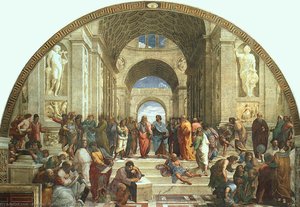 ათენის სკოლა1511
 სისტინის მადონა1513
 ღირსება (რაფაელის "ტრანსფიგურაცია")1520
 წლისთავი1504

ესეები სამების მიხეილ და სატანი-ის შესახებ
 15th century Spanish paintersMasterpieces by Pedro Berruguete and Bartolomé Bermejo define 15th century Spanish art. Explore the full collection online at OriginalUniqu…
 What decorative sculptures are located on the central portal of the Amiens Cathedral?Discover the Beau Dieu and the vibrant traces of red and blue polychromy that once adorned the Amiens Cathedral central portal sculptures
 Masterpieces of Perfection: The Top 25 Greatest Artworks by RaphaelJourney through the sublime beauty of the High Renaissance with our curated list of Raphael's top 25 masterpieces. From iconic Madonnas to …